“Get the Best Prices on DTF Printing Supplies – Guaranteed!” -MAXDTF- DTF Warm peel Factory, A4 DTF Film Manufacturer, Made in china
Direct-to-Film (DTF) printing has gained widespread popularity in the apparel decoration industry due to its flexibility and efficiency, but understanding the cost of its consumables is crucial for businesses to maintain profitability. DTF printing relies on several key consumables, each contributing to the overall production cost. This article breaks down the main consumables, their typical cost ranges, factors influencing pricing, and strategies to optimize expenditure.
Key Consumables in DTF Printing and Their Cost Ranges
DTF printing’s consumable costs revolve around four core components, each with distinct price points based on quality and quantity:
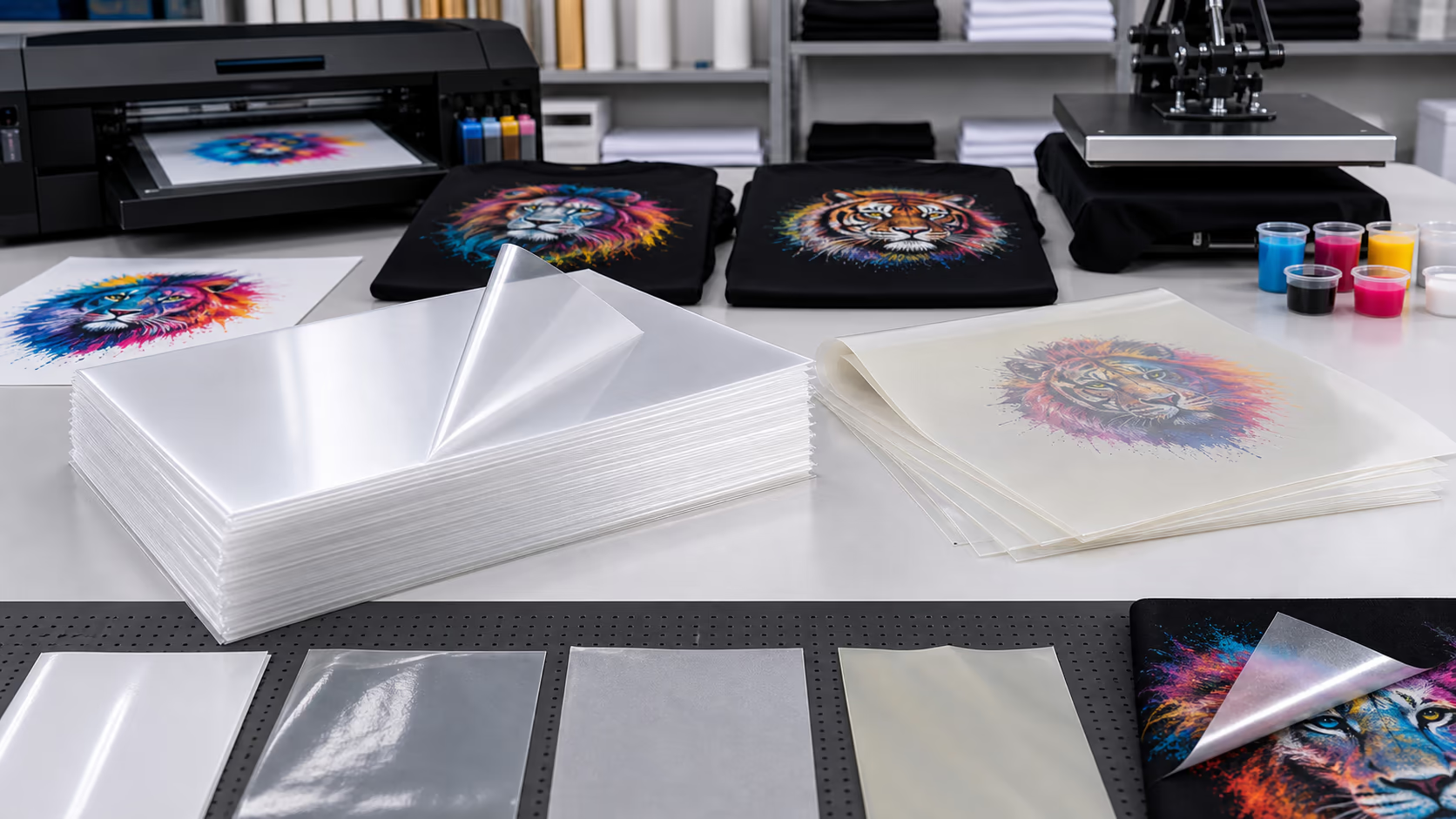
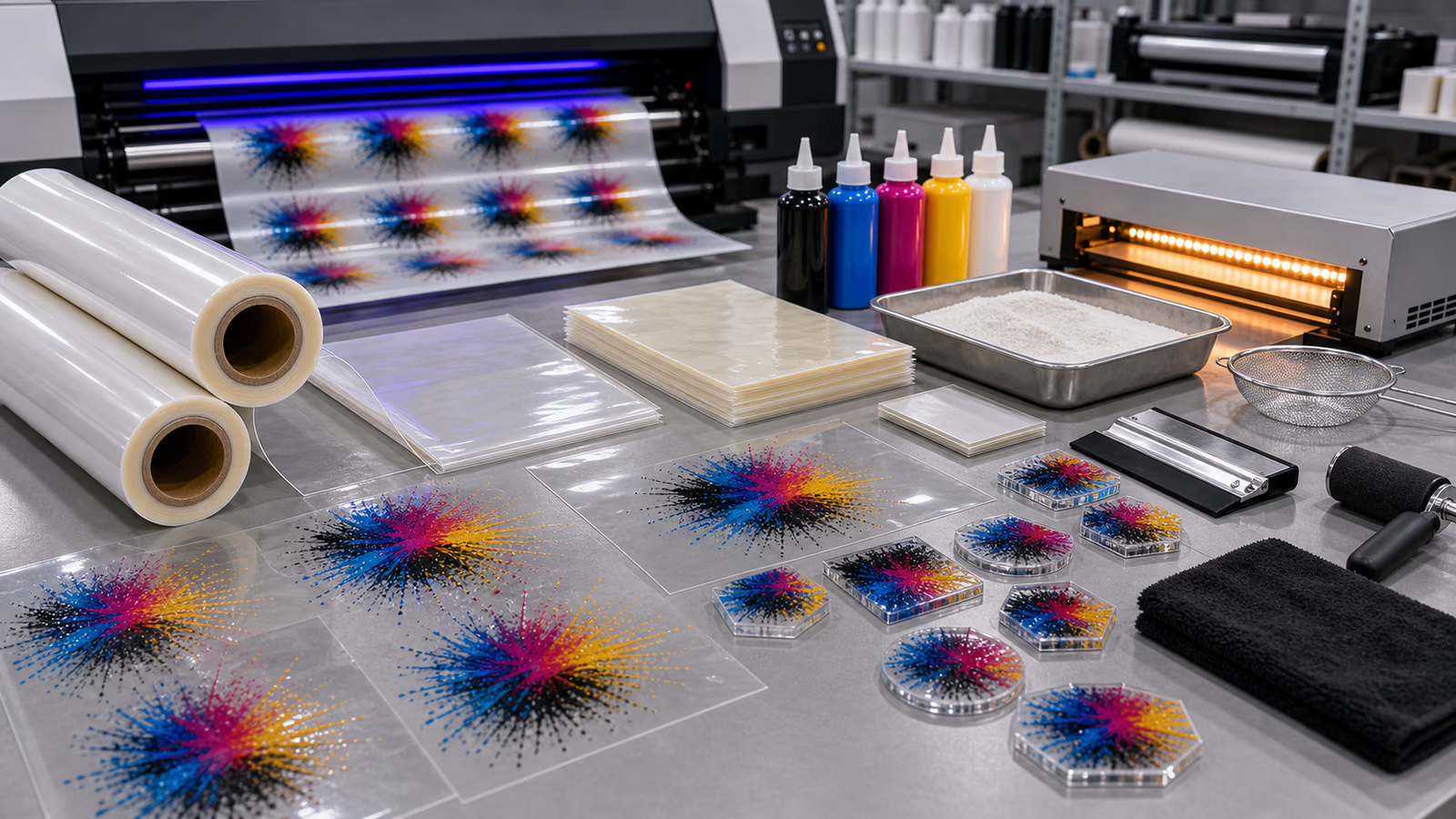
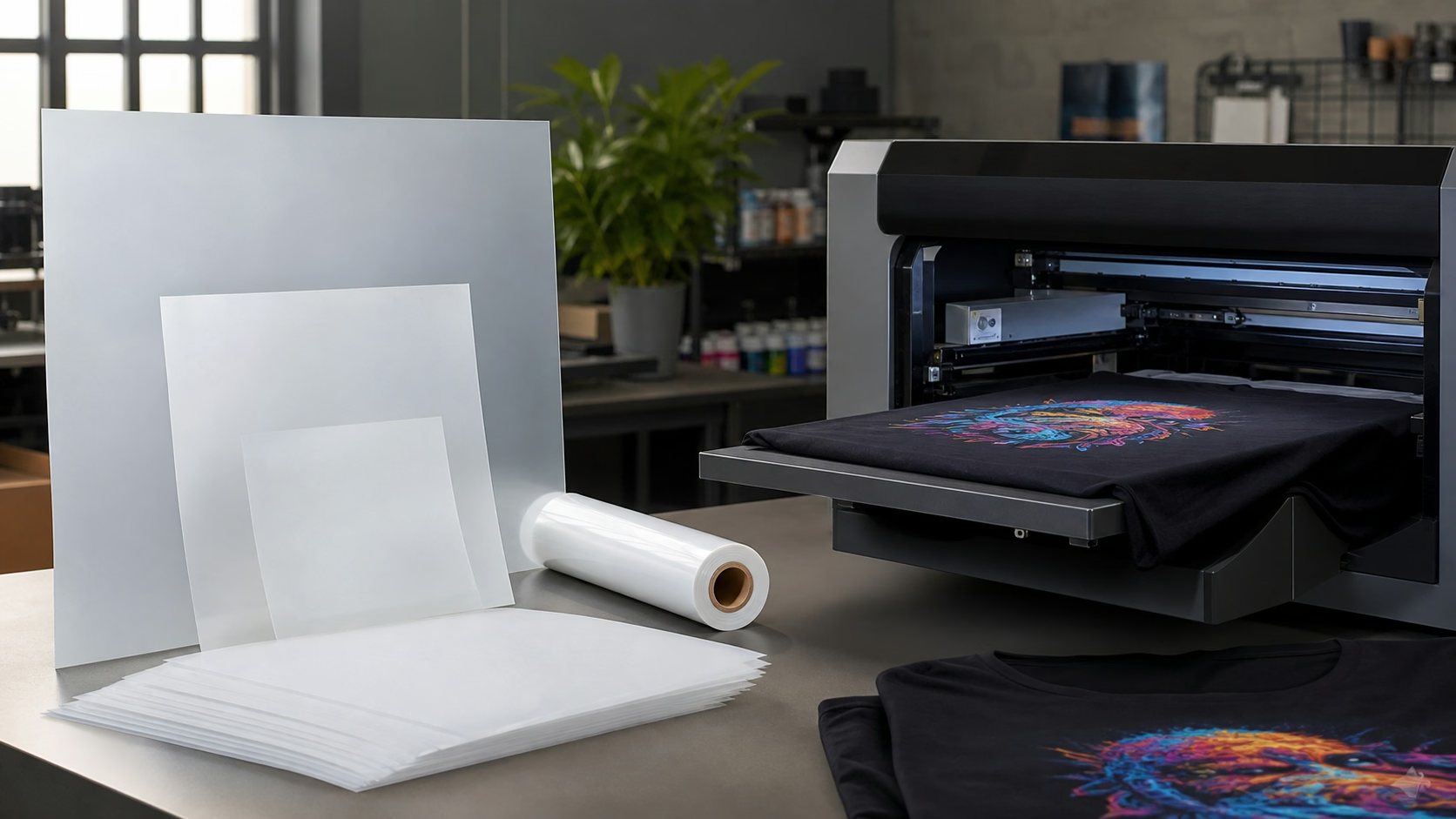
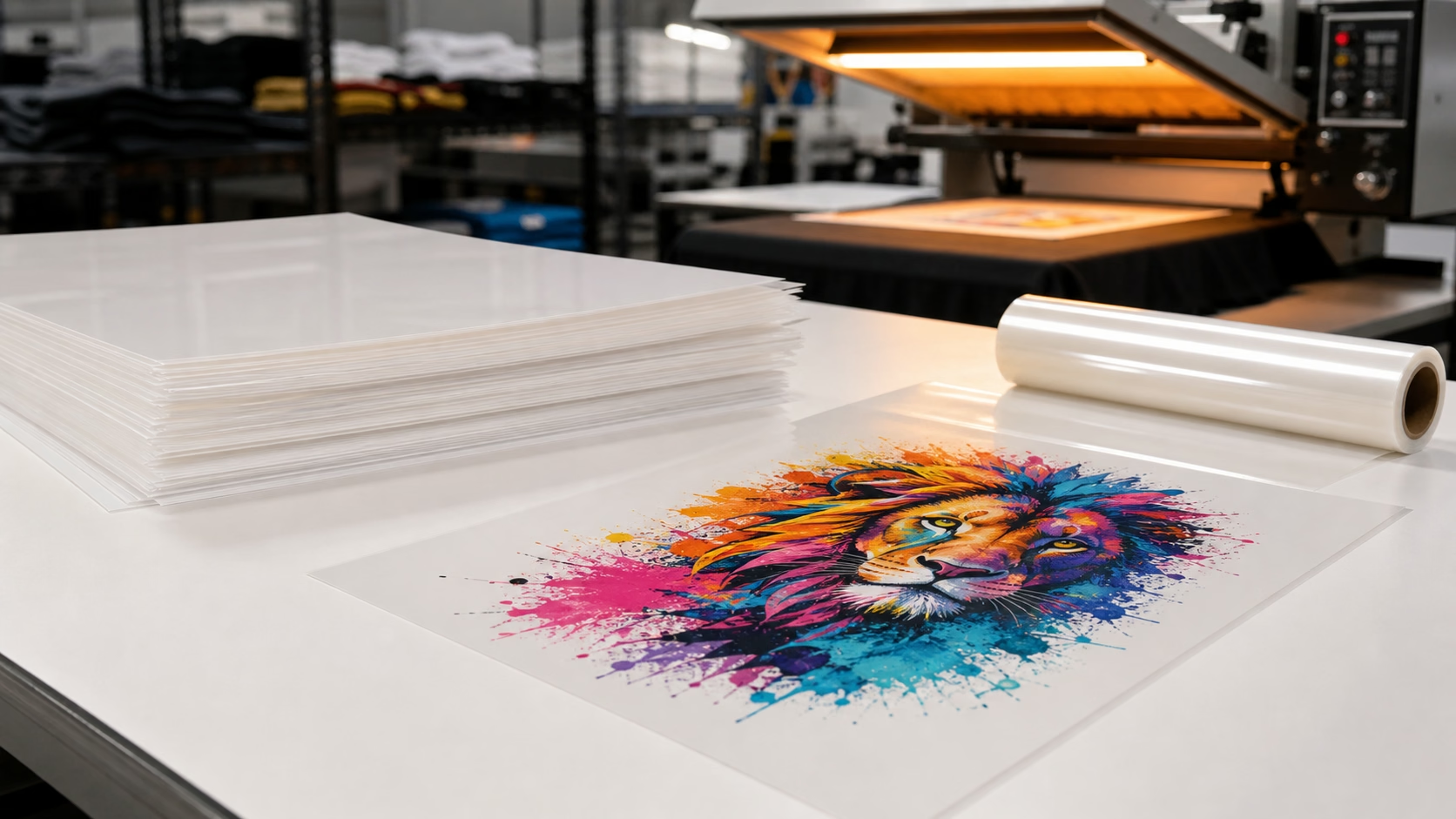
DTF Film: As the primary substrate, DTF film costs vary by size (A3, A2, roll formats) and quality. Entry-level A3 DTF film rolls (100 sheets) typically range from $20–$40, while high-quality rolls for industrial use can cost $50–$80. Bulk purchases (e.g., 500-sheet rolls or large-format rolls) often reduce the unit cost by 15–25%.
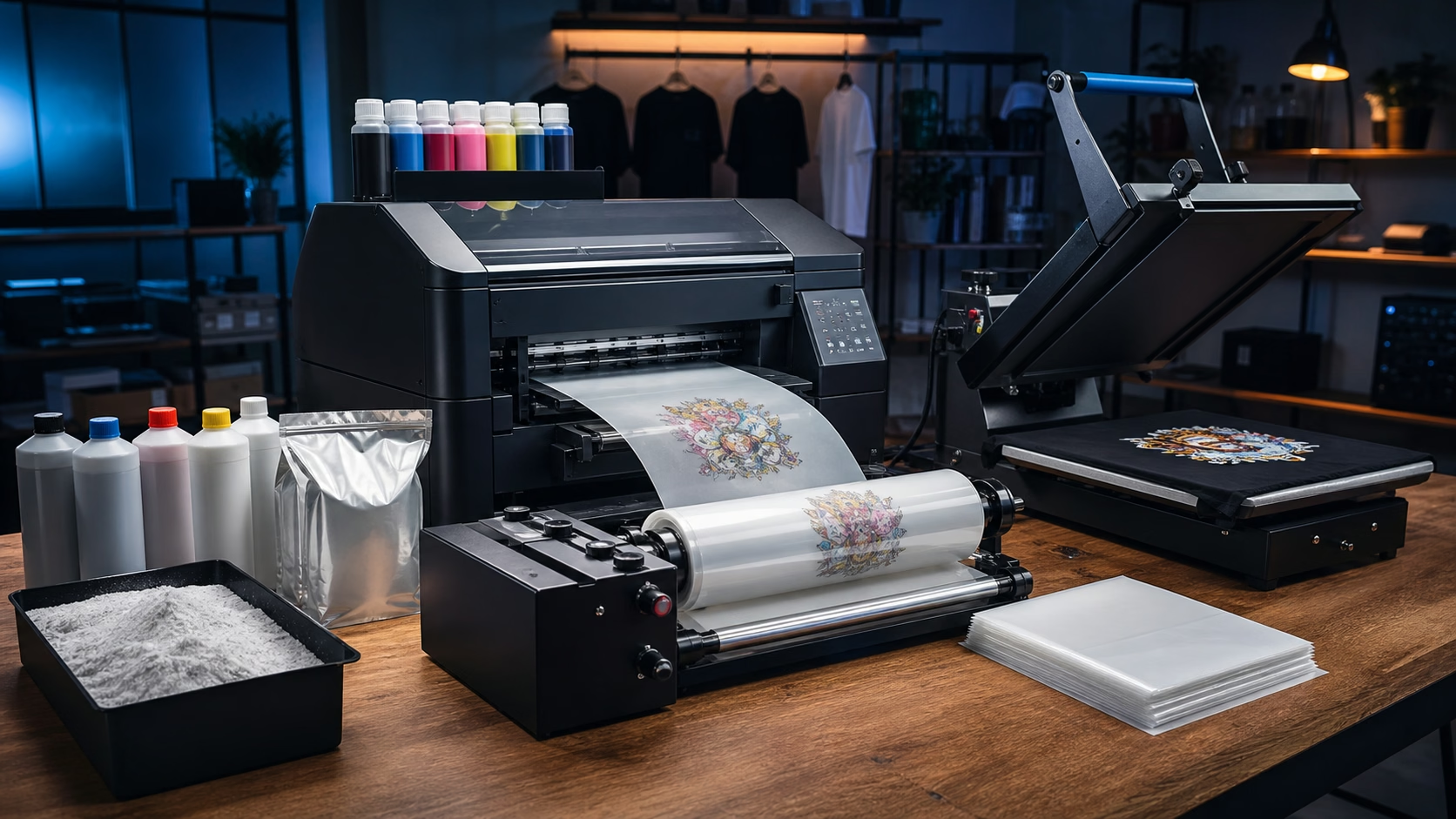
DTF Inks: Water-based and UV-curable DTF inks are the most common types. A 1-liter bottle of standard DTF ink costs $30–$60, with premium eco-friendly or high-vibrancy inks priced at $70–$100 per liter. Ink consumption depends on design density; a full-color A3 design typically uses 5–10ml of ink, translating to $1.50–$6 per design in ink costs.
Hot-Melt Adhesive Powder: Essential for bonding prints to fabrics, adhesive powder is sold in 1kg or 5kg containers. A 1kg bag costs $15–$30, and a single A3 print requires approximately 2–5g of powder, adding $0.03–$0.15 per design. Bulk purchases (5kg+)can lower the unit cost to $10–$20 per kg.
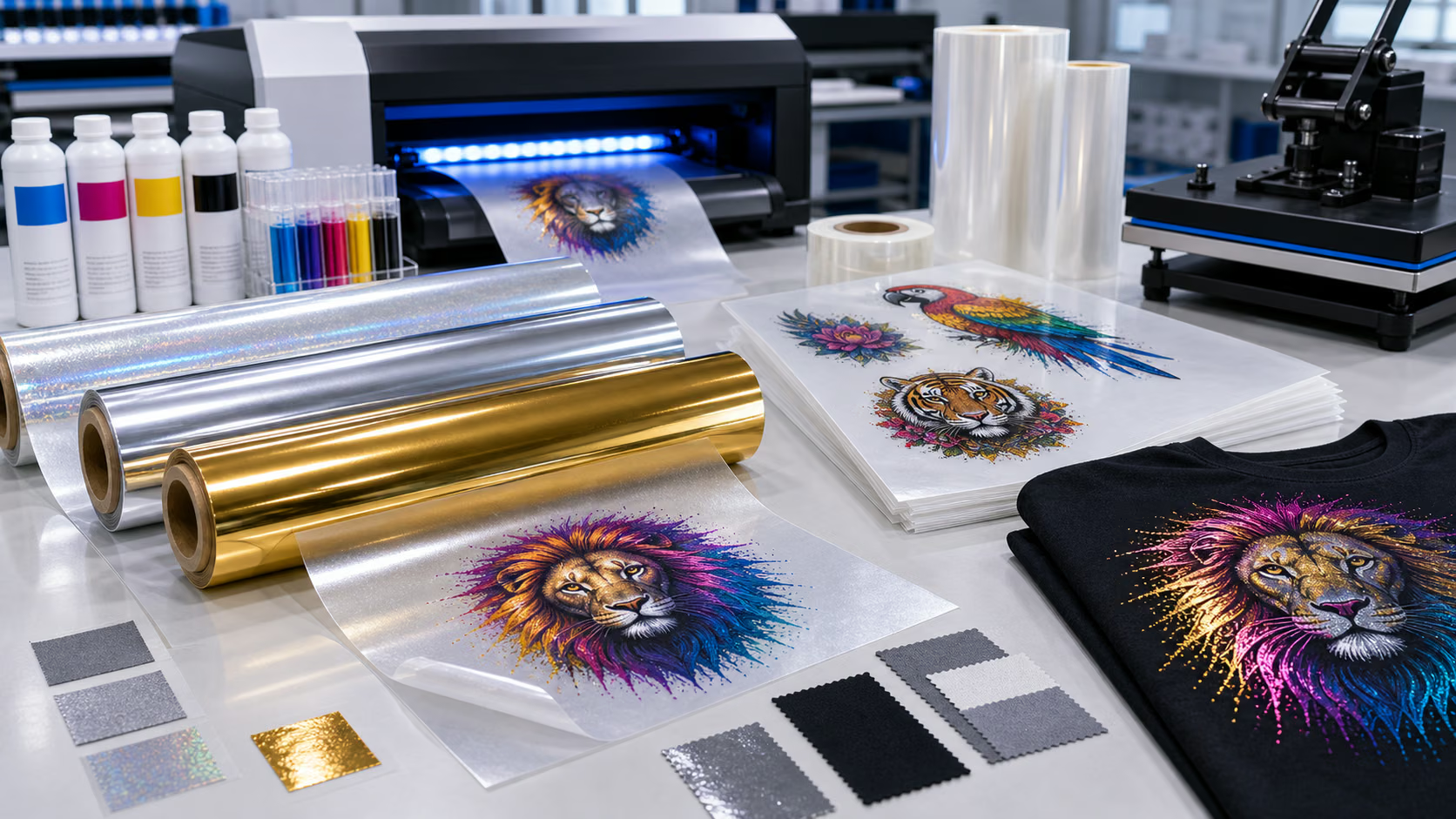
DTF Foil Sheets (if applicable): For metallic or decorative finishes, DTF foil sheets (e.g., mauve pale, gold, silver) range from $0.50–$2 per A3 sheet. Specialty foils (e.g., holographic or textured) may cost $3–$5 per sheet, making them a higher-cost add-on for custom designs.
Factors Influencing DTF Consumable Costs
Several factors can significantly impact the total cost of DTF consumables, including:
Quality and Brand: Reputable brands often charge a premium for consumables due to consistent performance and durability. While budget options may lower upfront costs, they can increase long-term expenses due to higher waste rates (e.g., poor ink adhesion, film jams).
Purchase Volume: Bulk buying is one of the most effective ways to reduce unit costs. Many suppliers offer trade discounts for orders of 10+ rolls of film, 5+ liters of ink, or 10+ kg of adhesive powder, which is particularly beneficial for high-volume print shops.
Design Complexity: Intricate, full-color designs with high ink density consume more ink and adhesive powder than simple, single-color designs. Gradients, photographic elements, and large design sizes also increase consumable usage, raising per-unit costs.
Regional Availability: In regional areas (e.g., South Australia’s Port Augusta or Victoria’s Geelong), consumable costs may be 10–20% higher due to shipping and distribution fees. Partnering with local suppliers can mitigate these additional costs.
Strategies to Optimize DTF Consumable Costs
Businesses can implement several strategies to control DTF consumable expenses without compromising quality:
Bulk Purchasing and Supplier Partnerships: Establishing long-term relationships with suppliers can lead to preferential pricing, free shipping, or loyalty discounts. Joining trade groups or buying cooperatives can also unlock bulk purchasing benefits for small to medium-sized businesses.
Optimize Design Efficiency: Using design software to minimize ink-heavy areas, combine multiple designs on gang sheets (reducing film waste), and adjust resolution to match the required quality can lower consumable usage. Avoiding unnecessary gradients or large solid color blocks also reduces ink consumption.
Invest in Quality Consumables: While premium consumables have higher upfront costs, they reduce waste (e.g., fewer misprints, better adhesion) and improve print durability, leading to lower long-term costs. Cheap inks or film may cause reprints, increasing overall expenditure.
Monitor and Track Consumption: Implementing inventory management systems to track consumable usage per job helps identify inefficiencies. This data allows businesses to adjust pricing, optimize design processes, and avoid overstocking (reducing waste from expired consumables).
Conclusion: Balancing Cost and Quality in DTF Consumables
The cost of DTF printing consumables is influenced by a range of factors, but with careful planning and optimization, businesses can maintain profitability while delivering high-quality prints. Understanding the cost breakdown of each consumable, leveraging bulk purchasing, and optimizing design processes are key to controlling expenses. By balancing cost and quality, DTF printers can continue to leverage the technology’s advantages in flexibility and efficiency while staying competitive in the apparel decoration market.