“Print on the Right Side for Professional Quality Results!” -MAXDTF- DTF A4 Supplier, Hot Peel DTF Film Factory, Made in china
When working with DTF (Direct to Film) printing, it’s crucial to understand the correct side of the 13×19 DTF film sheets to print on. This step is essential for achieving high-quality prints and ensuring that the adhesive layer transfers properly to your desired substrate. In this article, we’ll explore the specifics of DTF film sheets and guide you on which side to print on for optimal results.
Understanding 13×19 DTF Film Sheets
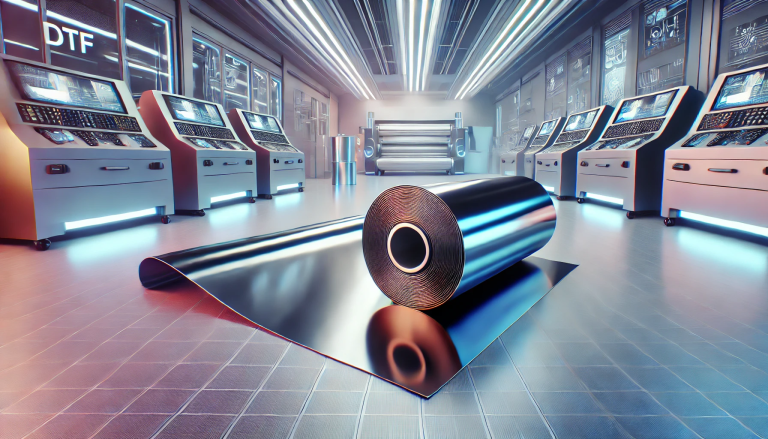
13×19 DTF film sheets are commonly used in DTF printing for their versatility and compatibility with a wide range of substrates, including textiles, ceramics, and more. These sheets typically feature a polyester base layer with an adhesive surface that allows the ink to bond effectively during the transfer process.
Identifying the Print Side
The most critical aspect of DTF printing is identifying the correct side of the film to print on. This ensures that the ink adheres properly and that the adhesive transfers smoothly to the final product. Here’s how to determine the print side:
- Adhesive Layer on the Back:
- The side of the 13×19 DTF film sheet that will ultimately come in contact with your substrate is coated with an adhesive. During the transfer process, heat and pressure activate this adhesive, allowing the printed design to bond with the final material.
- This adhesive-coated side is typically glossy or shiny, making it easy to distinguish from the other side of the film.
- Printing on the Non-Adhesive Side:
- The side you should print on is the non-adhesive side, which is the side without the adhesive layer. This side is usually matte or semi-glossy, depending on the film manufacturer.
- Printing on the non-adhesive side ensures that the ink remains on the surface of the film and doesn’t interact with the adhesive layer, which could cause smudging or poor transfer quality.
Why It Matters
Printing on the correct side of the 13×19 DTF film sheet is essential for several reasons:
- Ink Adhesion: Printing on the non-adhesive side ensures that the ink adheres properly to the film, creating a sharp and vibrant image.
- Transfer Quality: The transfer process relies on the adhesive layer to bond the printed design to the substrate. Printing on the wrong side can lead to poor adhesion, resulting in a loss of detail or even complete failure of the transfer.
- Durability: Correctly printing on the non-adhesive side helps maintain the durability and longevity of the printed design on the final product.
Conclusion
To achieve the best results with your 13×19 DTF film sheets, always print on the non-adhesive side, which is typically the matte or semi-glossy side. By following this guideline, you can ensure that your prints are high-quality, long-lasting, and properly transferred to your desired substrate.
Whether you’re a beginner or an experienced DTF printer, understanding which side to print on is a fundamental step in the process. With the right technique and attention to detail, you can produce stunning prints that stand out in any application.