“Can DTF Be Used on Glass? A Deep Dive into Direct to Film Printing” -MAXDTF- Direct Transfer UV DTF Decal Wholesale, CUV DTF Decal Manufacturer, Made in China
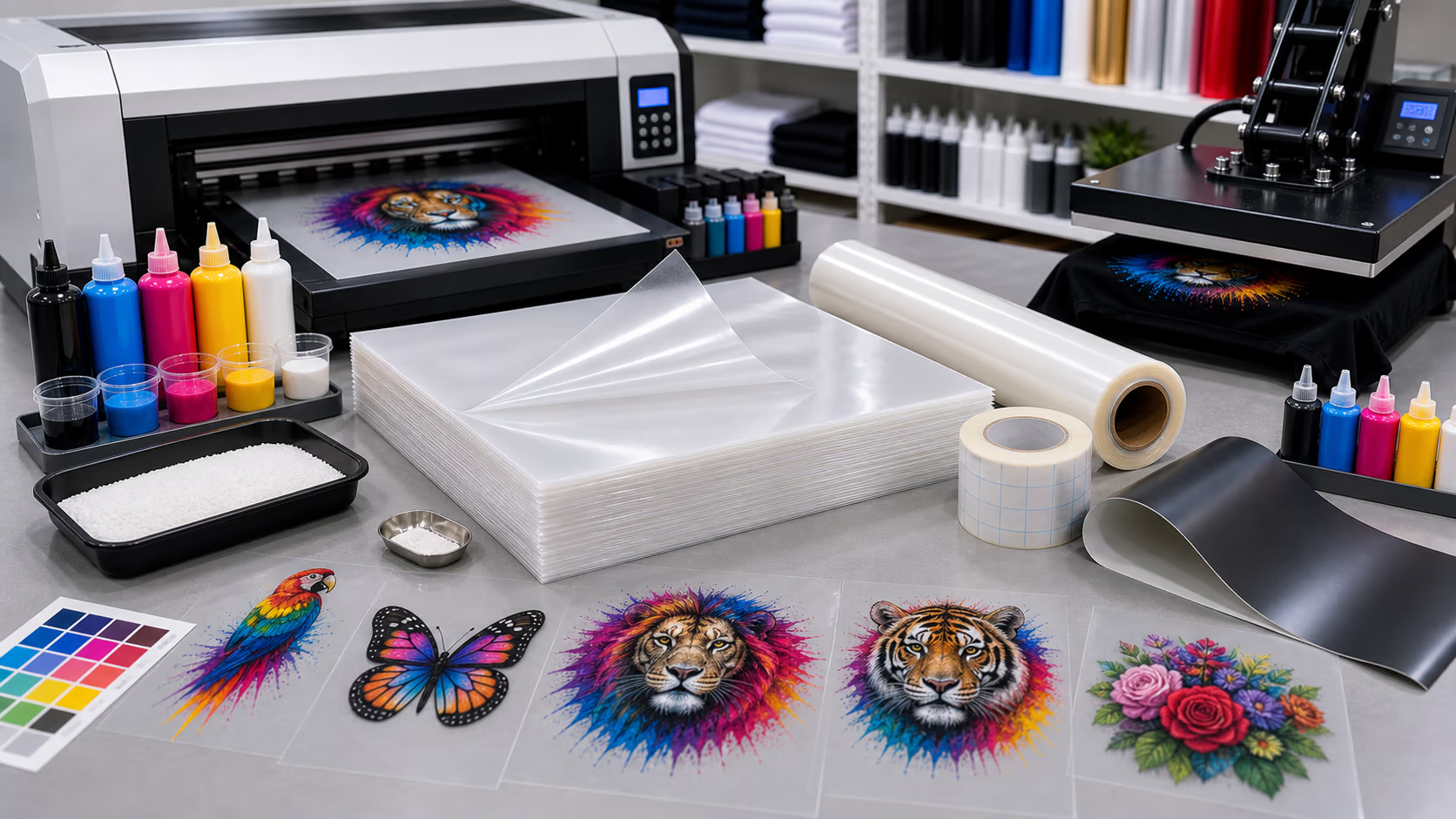
DTF (Direct-to-Film) transfer powders are the unsung heroes of digital printing, serving as the critical bridge between printed film and substrates. Their longevity—encompassing both shelf life and post-transfer durability—directly dictates the quality, reliability, and value of DTF prints. For printers, hobbyists, and businesses alike, understanding what influences the longevity of DTF transfer powders and how to optimize it is essential for consistent, long-lasting results. This article delves into the multifaceted aspects of DTF transfer powder longevity, exploring key determinants, preservation strategies, and real-world implications.
1. Defining DTF Transfer Powder Longevity: Two Core Dimensions
The longevity of DTF transfer powders is not a one-dimensional concept; it encompasses two distinct yet interconnected phases: shelf life (storage stability) and post-transfer durability (performance on substrates). Both phases are critical to ensuring the powder delivers on its purpose—creating strong, long-lasting bonds between designs and materials.
1.1 Shelf Life: Stability in Storage
Shelf life refers to the period during which DTF transfer powder retains its original properties—flowability, adhesion potential, and consistency—when stored under optimal conditions. High-quality powders typically have a shelf life of 12–24 months from the manufacturing date, but this window can shrink drastically with poor storage. Degraded powder may clump, lose tackiness, or fail to melt uniformly, leading to patchy transfers, poor adhesion, and wasted materials.
1.2 Post-Transfer Durability: Longevity on Substrates
Post-transfer durability is the powder’s ability to maintain a strong bond between the printed film and substrate over time, resisting wear, washing, environmental factors, and mechanical stress. For textile applications, this means withstanding repeated washes without peeling or fading; for hard substrates, it involves resisting scratches, moisture, and UV exposure. This phase of longevity is heavily influenced by powder formulation, application technique, and substrate type.
2. Key Factors Influencing DTF Transfer Powder Longevity
Several interrelated factors shape the longevity of DTF transfer powders, ranging from inherent formulation to external storage and application conditions. Understanding these factors is the first step toward extending powder performance.
2.1 Formulation and Quality of Raw Materials
The chemical composition of DTF transfer powder is the foundation of its longevity. High-quality powders are formulated with premium resins, adhesives, and anti-caking agents that resist degradation. Resins with high thermal stability ensure the powder melts uniformly during heat pressing and retains adhesion over time, while anti-caking agents prevent clumping in storage. Conversely, low-grade powders may use inferior resins that break down quickly, leading to poor post-transfer durability and shortened shelf life.
2.2 Storage Conditions: Temperature, Humidity, and Light
Environmental conditions during storage are among the most impactful external factors on powder longevity. DTF transfer powder thrives in cool, dry, dark environments—ideal temperatures range from 15–25°C (59–77°F), with humidity levels below 60%. Exposure to high humidity causes powder particles to absorb moisture, leading to clumping and reduced flowability. Extreme temperatures (above 30°C or below 10°C) can alter the powder’s chemical structure, weakening its adhesive properties. Direct sunlight or UV exposure may also degrade resins, shortening both shelf life and post-transfer durability.
2.3 Application and Curing Techniques
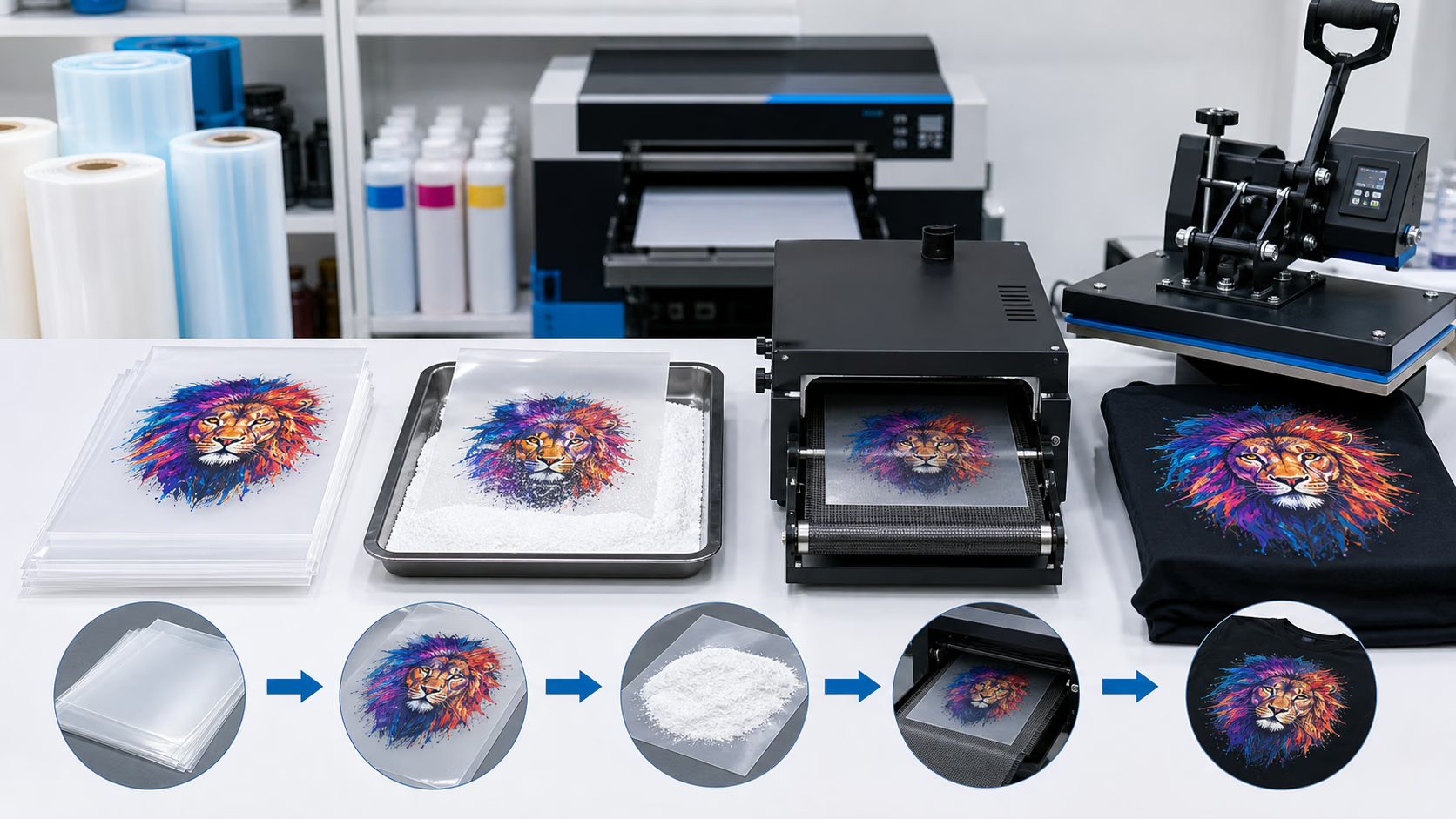
Even the highest-quality powder will underperform if applied or cured incorrectly. Over-application leads to excess powder buildup, which may crack or peel over time; under-application results in weak adhesion. Proper curing—achieved through precise heat press temperature (140–160°C) and time (10–15 seconds)—ensures the powder fully melts and bonds with the film and substrate. Insufficient curing leaves the powder partially uncured, leading to poor durability, while over-curing can make the bond brittle and prone to cracking.
2.4 Substrate Compatibility
The longevity of DTF transfers is also contingent on the powder’s compatibility with the substrate. Powders formulated for fabrics (e.g., cotton, polyester) may not perform well on hard substrates (e.g., wood, plastic) and vice versa. For example, fabric-specific powders are designed to remain flexible to withstand stretching and washing, while hard-substrate powders prioritize rigidity and scratch resistance. Using an incompatible powder leads to premature failure, regardless of the powder’s inherent quality.
3. Strategies to Extend the Longevity of DTF Transfer Powders
With proactive measures, printers can significantly extend both the shelf life and post-transfer durability of DTF transfer powders, reducing waste and improving print consistency.
3.1 Optimize Storage Practices
Store powder in airtight containers to prevent moisture absorption and contamination. Use desiccants in storage areas to maintain low humidity, and avoid placing containers near heat sources (e.g., printers, heat presses) or windows. Label containers with manufacturing and opening dates to prioritize older powders for use, ensuring none expire unused. For bulk storage, use sealed bins with moisture barriers to preserve powder flowability.
3.2 Fine-Tune Application and Curing
Calibrate heat press settings to match the powder’s specifications—refer to the manufacturer’s guidelines for temperature, pressure, and time. Use a powder shaker or automatic coater to ensure uniform, thin application, removing excess powder before curing. Conduct test transfers on sample substrates to verify adhesion and adjust settings as needed, avoiding over or under-curing. For dark substrates, pair white ink underlayers with compatible powders to enhance both color vibrancy and bond strength.
3.3 Select High-Quality, Compatible Powders
Invest in powders from reputable manufacturers that disclose formulation details and compatibility guidelines. Choose powders tailored to your primary substrates—e.g., flexible powders for apparel, rigid powders for hard surfaces. Avoid generic, unbranded powders, as their inconsistent formulation can lead to unpredictable longevity. Request samples to test powder performance before purchasing in bulk.
3.4 Regularly Inspect and Maintain Powder Quality
Before use, inspect powder for clumping or discoloration—discard or sift clumpy powder to avoid transfer issues. Clean application tools (shakers, coaters) regularly to prevent cross-contamination and ensure uniform distribution. For powders approaching their expiration date, conduct extra test transfers to confirm they still meet performance standards.
4. The Impact of Powder Longevity on Printing Businesses
For commercial printers, optimizing DTF transfer powder longevity is not just a matter of quality—it directly impacts profitability and customer satisfaction. Short-lived powders lead to wasted materials, rework, and negative customer experiences (e.g., peeling prints on purchased apparel). Conversely, consistent, long-lasting powders enhance brand reputation, reduce return rates, and lower operational costs by minimizing waste.
In industries like apparel customization and promotional products, post-transfer durability is a key selling point. Customers expect prints to withstand regular use and washing, and powders with superior longevity enable printers to deliver on these expectations. By prioritizing powder quality and longevity, businesses can differentiate themselves in a competitive market.
Conclusion
The longevity of DTF transfer powders is a multifaceted attribute shaped by formulation, storage, application, and compatibility. By understanding these factors and implementing proactive strategies—from optimizing storage conditions to selecting high-quality, compatible powders—printers can unlock consistent, long-lasting results. Whether for hobbyist projects or commercial production, prioritizing powder longevity ensures that DTF prints maintain their integrity over time, delivering value and satisfaction. As DTF technology continues to evolve, advancements in powder formulation will further enhance longevity, solidifying DTF’s position as a reliable, versatile printing method.