“Can You Use Inkjet Ink on the DTF Transfer Sheets Large?” -MAXDTF- Heat Transfer Film Manufacturer, DTF transfer longevity Factory, Made in China
As Direct-to-Film (DTF) printing gains popularity for producing large-format custom designs on textiles and substrates, a common question arises among printers and creators: Can standard inkjet ink be used on large DTF transfer sheets? Large DTF transfer sheets—typically measuring 13×19 inches or larger—are essential for projects like full-size t-shirt graphics, banner prints, and oversized merchandise. However, the compatibility of inkjet inks with these sheets depends on technical nuances, ink formulations, and the unique requirements of DTF printing. This article explores the feasibility, limitations, and best practices of using inkjet ink on large DTF transfer sheets, helping users avoid costly mistakes and achieve optimal results.
1. Understanding the Core Requirements of Large DTF Transfer Sheets
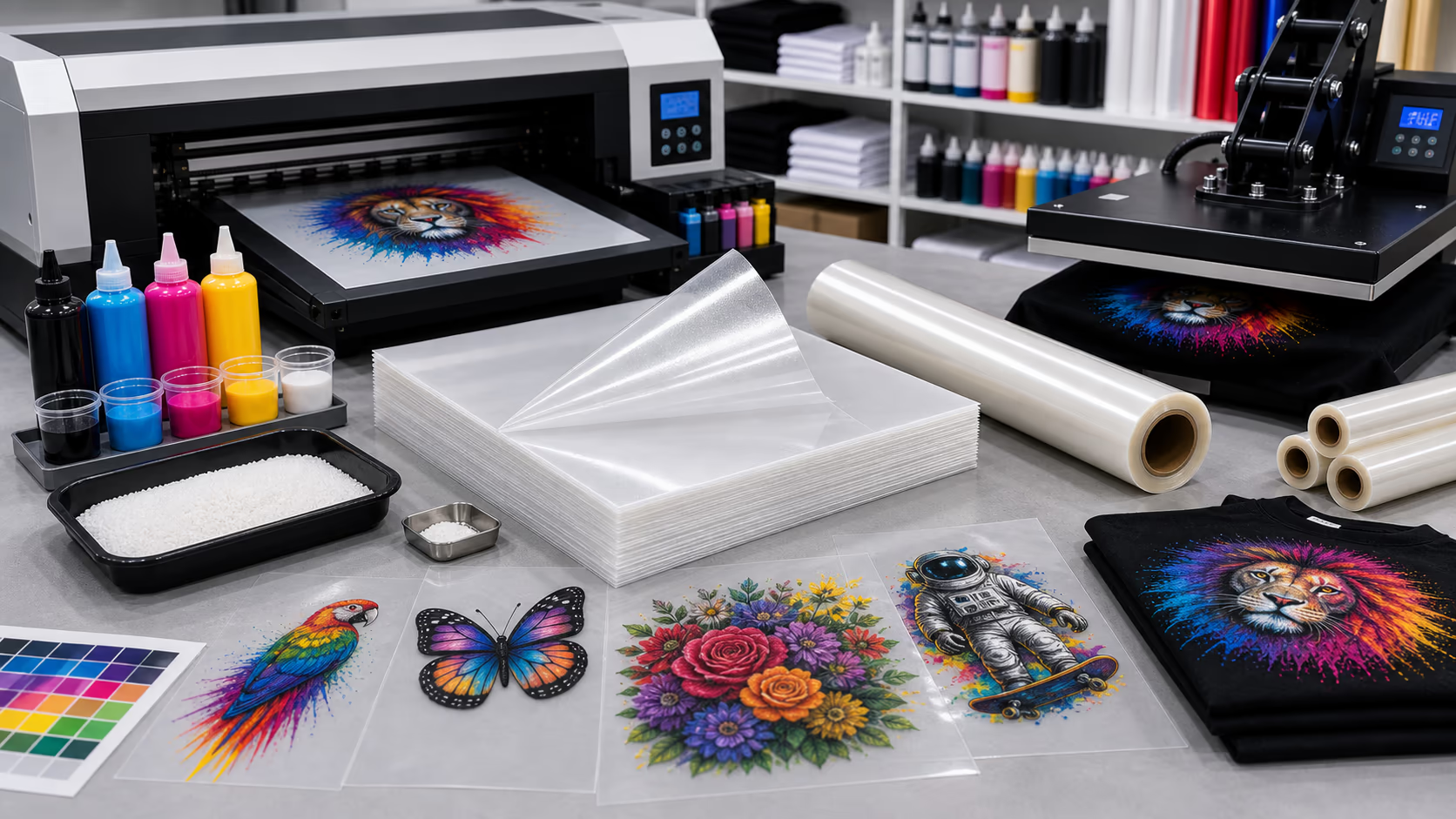
Before addressing ink compatibility, it’s critical to grasp what makes large DTF transfer sheets distinct from standard printing media. DTF transfer sheets—regardless of size—are specialized PET (polyethylene terephthalate) films coated with a receptive layer designed to bond with specific inks and DTF adhesive powders. This coating serves two primary purposes: it locks in ink to prevent bleeding, and it creates a stable base for the adhesive that ensures the design transfers seamlessly to the final substrate (e.g., cotton, polyester, denim).
Large DTF transfer sheets face additional challenges due to their size. They require inks that dry evenly across a wider surface area to avoid smudging during handling, and they must maintain ink adhesion through the adhesive application and heat-press steps—processes that put extra stress on the ink-film bond. Unlike small-format sheets, which can be easily maneuvered, large sheets are more prone to ink-related issues like pooling, streaking, or uneven curing if the wrong ink is used.
2. Inkjet Ink vs. DTF-Specific Ink: The Critical Differences
The primary reason standard inkjet ink struggles with large DTF transfer sheets lies in its formulation, which is engineered for paper or generic film—not the specialized needs of DTF printing. Below are the key differences that make compatibility a challenge:
2.1 Composition: Water-Based vs. Pigment/Resin-Based
Most consumer and office inkjet printers use water-based inks (dye or pigment-based). These inks rely on water evaporation to dry, which creates two major problems for large DTF transfer sheets: Slow Drying Time: On large sheets, water-based inks take minutes (or hours) to dry completely. This leads to smudging when the sheet is moved, stacked, or coated with DTF adhesive powder—ruining large-format designs that require precise detail.Poor Adhesion to PET Coating: Water-based inks do not bond with the receptive layer of DTF sheets as effectively as DTF-specific inks. The ink sits on top of the film rather than penetrating the coating, resulting in peeling during the heat-transfer step.
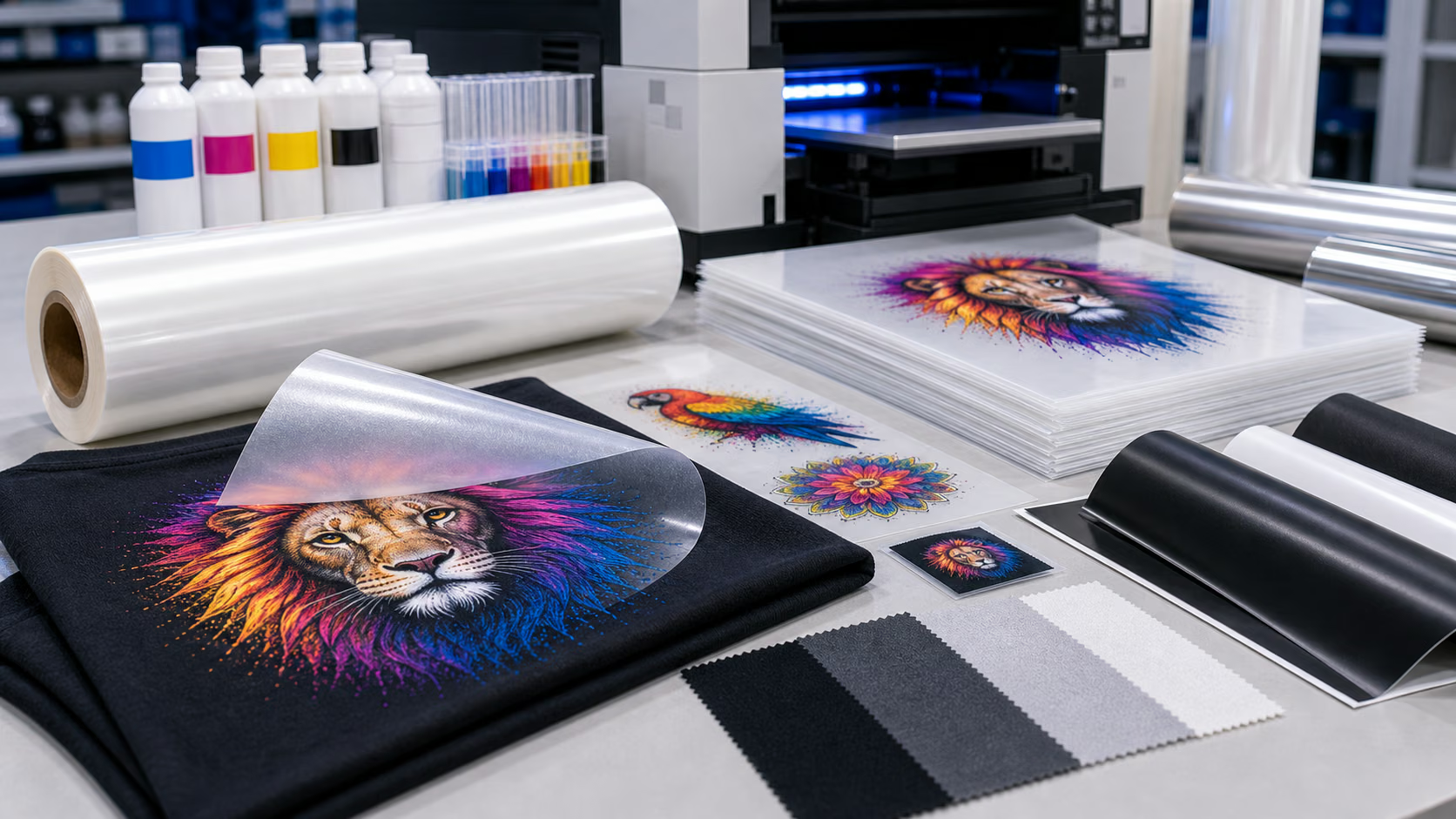
DTF-specific inks, by contrast, are pigment or resin-based formulations designed to adhere to PET films. They dry faster (often within seconds for small formats, minutes for large sheets) and form a chemical bond with the sheet’s coating, ensuring the ink stays in place during adhesive application and transfer.
2.2 Compatibility with DTF Adhesive Powder
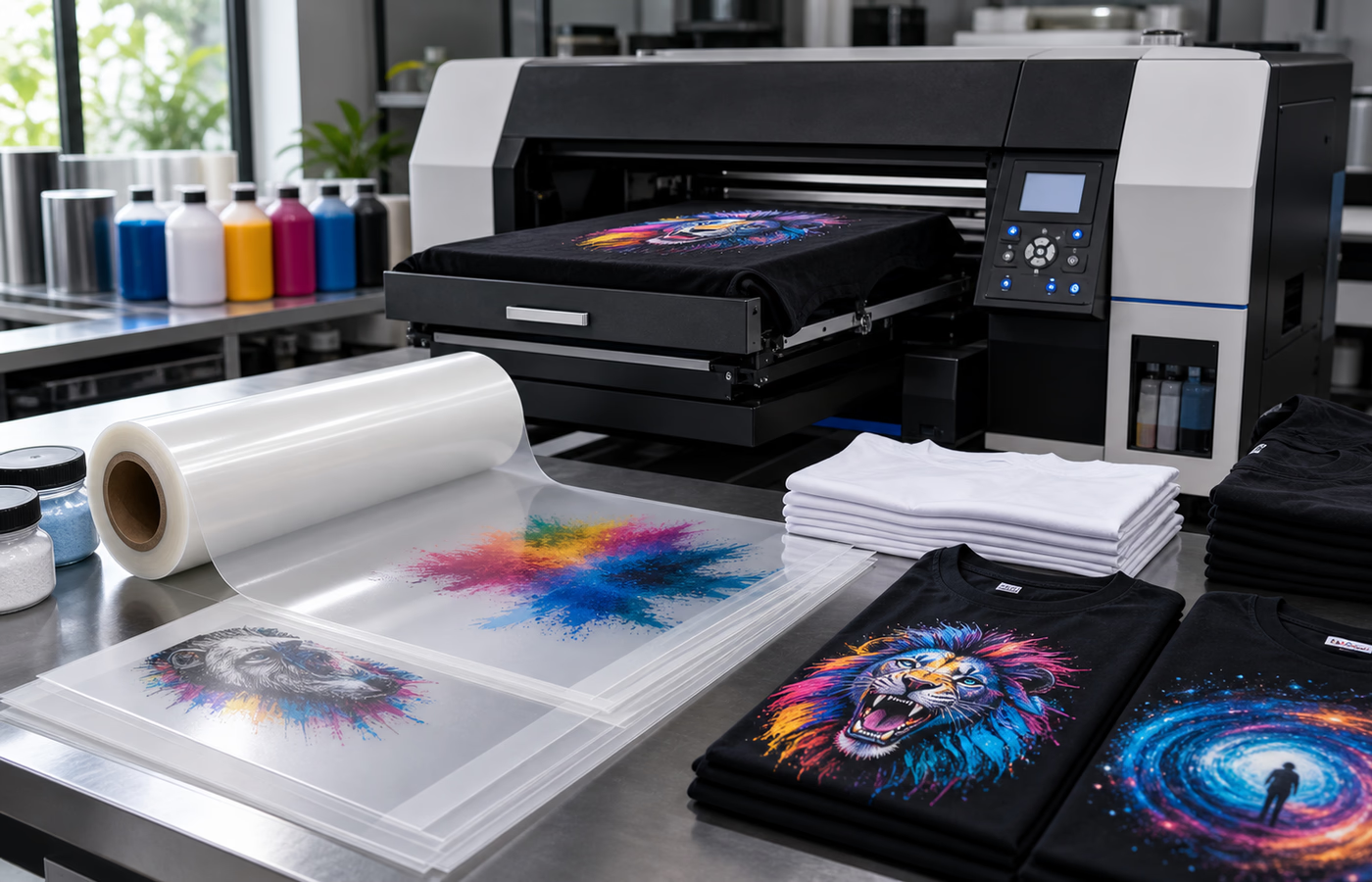
A defining step in DTF printing is applying hot-melt adhesive powder over the printed design. This powder must adhere to the ink to create a transferable layer. Standard inkjet inks repel or absorb adhesive powder unevenly: Dye-based inkjet inks are water-soluble and may dissolve slightly when in contact with the powder’s coating, causing the powder to clump or slide off.Pigment-based inkjet inks are more durable but still lack the resin components in DTF inks that attract and bind with the adhesive. This results in patchy powder coverage on large sheets, leading to incomplete transfers.
DTF inks contain specialized resins that act as a “bridge” between the ink and adhesive powder, ensuring uniform coverage even on large sheets. This bond is critical for transferring full-size designs without gaps or missing details.
2.3 Durability Post-Transfer
Large DTF projects (e.g., custom banners, oversized t-shirts) often require prints that withstand frequent use, washing, or outdoor exposure. Water-based inkjet inks fail here: On fabrics, inkjet-printed designs fade or bleed after 5–10 washes, compared to 50+ washes for DTF-specific inks.For outdoor applications, inkjet inks degrade quickly under UV radiation, while DTF inks retain color vibrancy for years.
3. When Inkjet Ink Might Work (With Significant Caveats)
While standard inkjet ink is not recommended for large DTF transfer sheets, there are niche scenarios where modified inkjet systems can produce usable results—though these come with strict limitations:
3.1 Modified Inkjet Printers with DTF-Compatible Inks
Some inkjet printers (e.g., Epson L1800) can be modified with DTF-compatible pigment inks and new print heads to handle large DTF sheets. These modifications include: Replacing standard ink cartridges with DTF pigment ink reservoirs.Adjusting the printer’s nozzle pressure to accommodate the thicker viscosity of DTF inks.Adding an external drying system (e.g., a heat lamp or fan) to speed up drying on large sheets.
However, this is not “using inkjet ink” in the traditional sense—it involves converting the printer to use DTF-specific inks. The modification process is technical and voids most printer warranties, making it suitable only for experienced users.
3.2 Small-Batch, Non-Durable Projects
For hobbyists creating one-time, indoor-only projects (e.g., a decorative pillowcase or a temporary banner), standard pigment-based inkjet ink can be used on large DTF sheets—with low expectations for durability. To improve results: Use a slow print speed to ensure even ink deposition.Allow the sheet to dry completely (24+ hours) before applying adhesive powder.Use a lower heat setting during transfer to avoid ink bleeding.
This approach is not recommended for commercial projects or items that require long-term durability.
4. Best Practices for Large DTF Transfer Sheets: Avoiding Inkjet Pitfalls
To ensure success with large DTF transfer sheets, follow these best practices to avoid the limitations of standard inkjet ink:
4.1 Invest in DTF-Specific Inks and Printers
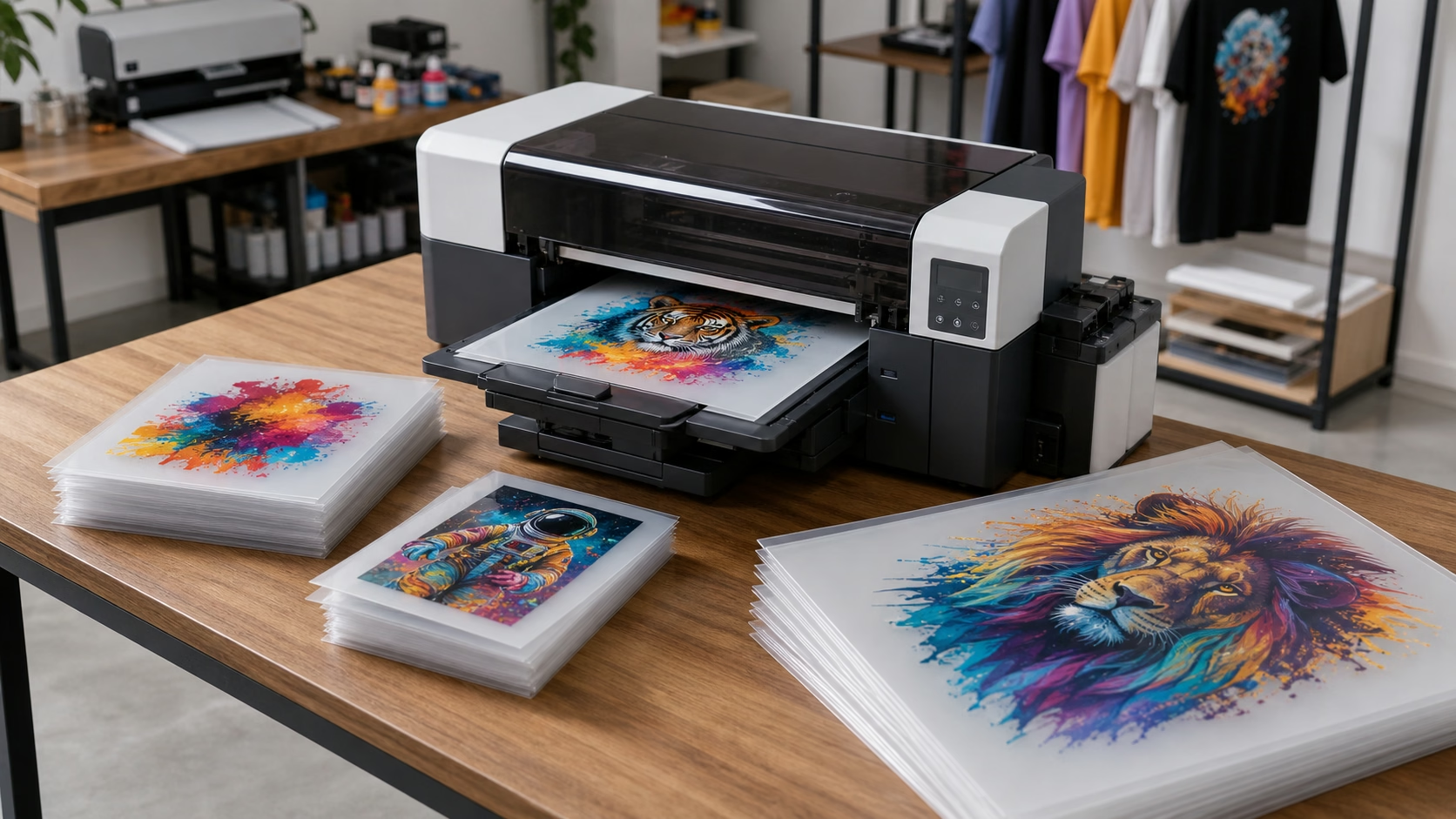
The most reliable solution is to use a dedicated DTF printer (e.g., XP600, I3200) with DTF pigment or resin-based inks. These printers are calibrated for large DTF sheets, with features like: Integrated drying systems to speed up ink curing on large formats.Wide-format beds (up to 60 inches) to handle oversized sheets without jamming.Ink circulation systems that prevent clogs—critical for consistent printing on large sheets.
4.2 Choose the Right Large DTF Transfer Sheet
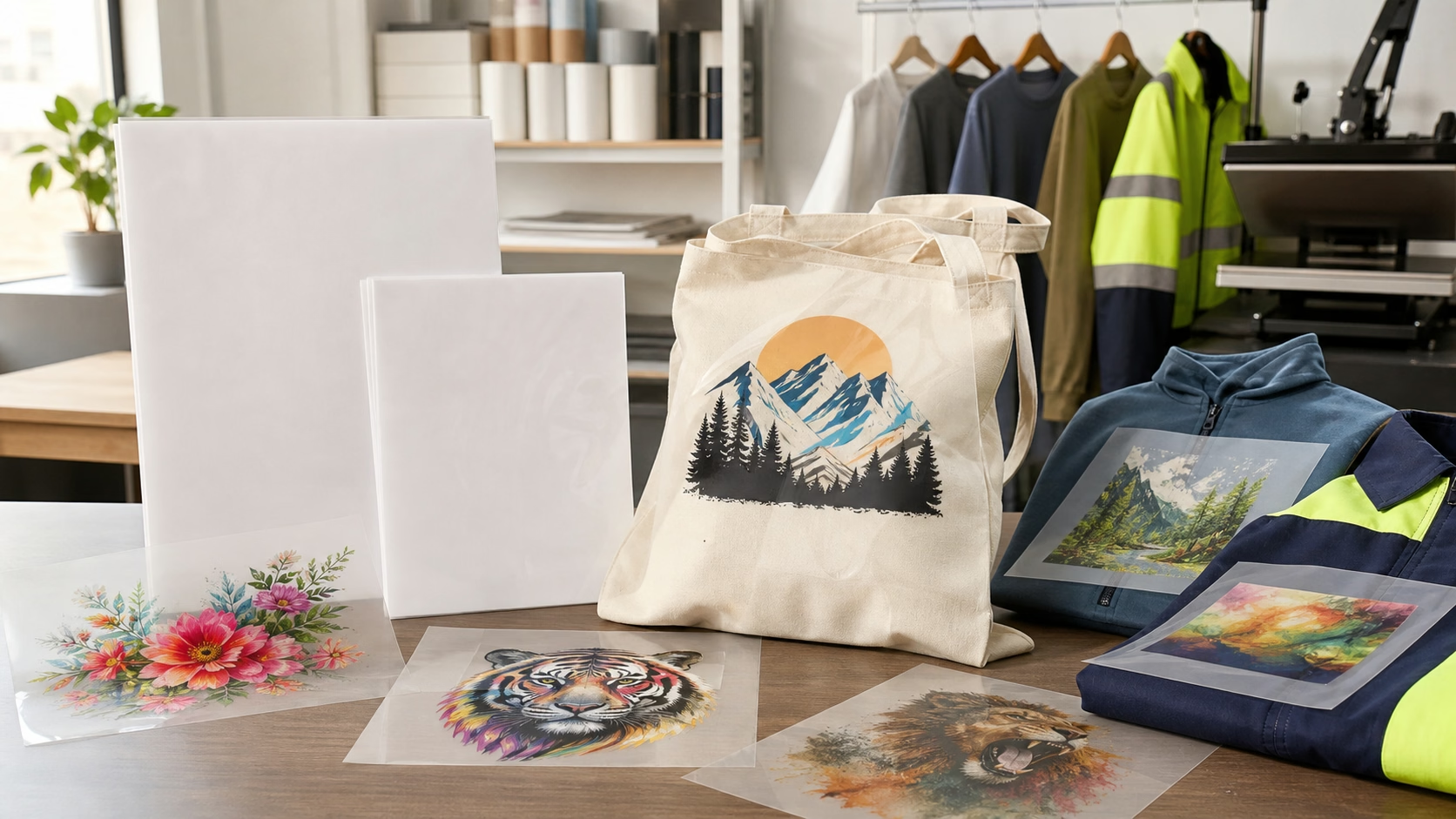
Not all large DTF sheets are the same—select sheets with a thick, uniform receptive layer that complements DTF inks. Look for sheets labeled “compatible with pigment/resin-based DTF inks” and avoid generic PET films, which lack the necessary coating for ink adhesion.
4.3 Test Small Portions Before Large Runs
Before printing a full large-format design, test the ink and sheet combination on a small section of the transfer sheet. Check for: Even ink deposition (no streaks or pooling).Adhesive powder adhesion (no clumping or sliding).Transfer quality (no peeling or fading on the target substrate).
5. Cost and Efficiency: Why DTF Inks Are Worth the Investment
Some users may be tempted to use inkjet ink on large DTF sheets to save money, but the long-term costs of wasted materials and poor-quality prints often outweigh the initial savings. DTF-specific inks are more expensive per milliliter than standard inkjet inks, but they offer: Higher Yield: DTF inks are more concentrated, so less ink is needed to achieve vibrant colors on large sheets.Lower Waste: Fewer failed prints mean less wasted large DTF sheets (which are costly to replace).Better Customer Satisfaction: Durable, high-quality prints reduce returns and build trust for commercial users.
Conclusion: Skip Inkjet Ink for Large DTF Transfer Sheets
The short answer to “Can you use inkjet ink on large DTF transfer sheets?” is no—for most practical purposes. Standard inkjet inks (water-based dye or pigment) lack the composition needed to adhere to large DTF sheets, work with adhesive powder, and produce durable transfers. While modified inkjet systems can use DTF-specific inks, this is not the same as using traditional inkjet ink.
For creators and businesses working with large DTF transfer sheets, investing in DTF-specific inks and printers is the only way to ensure consistent, high-quality results. These tools are designed to handle the unique challenges of large-format DTF printing, from fast drying to strong adhesive bonding. By choosing the right materials, you can unlock the full potential of large DTF transfer sheets—creating bold, durable designs that stand out in fashion, promotions, and home decor.