“Transfer Film A4 Peel: Get the Professional Look Without the Professional Price!” -MAXDTF- Custom DTF Transfer sheet Supplier, DTF cold peel Manufacturer, Made in china
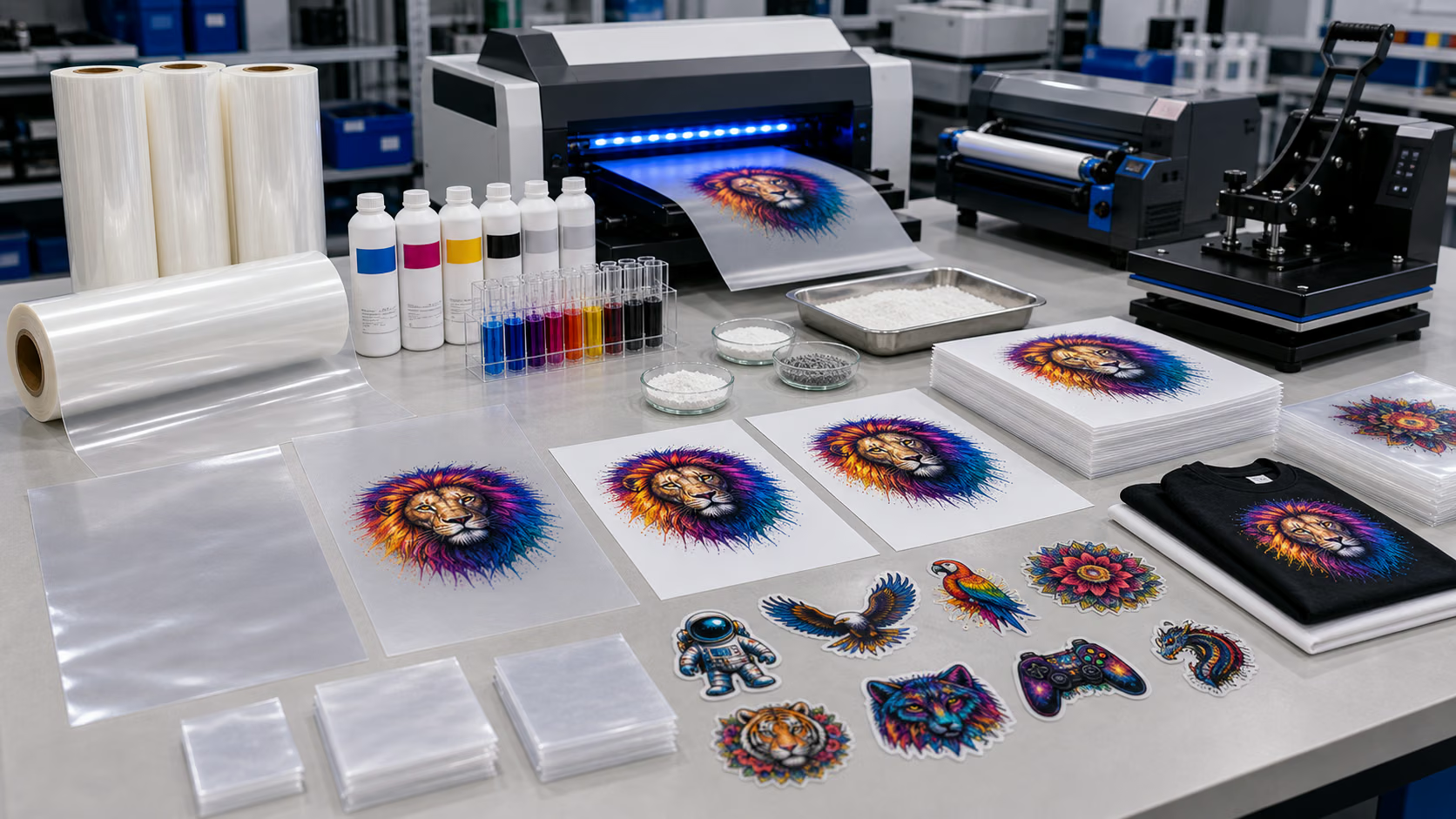
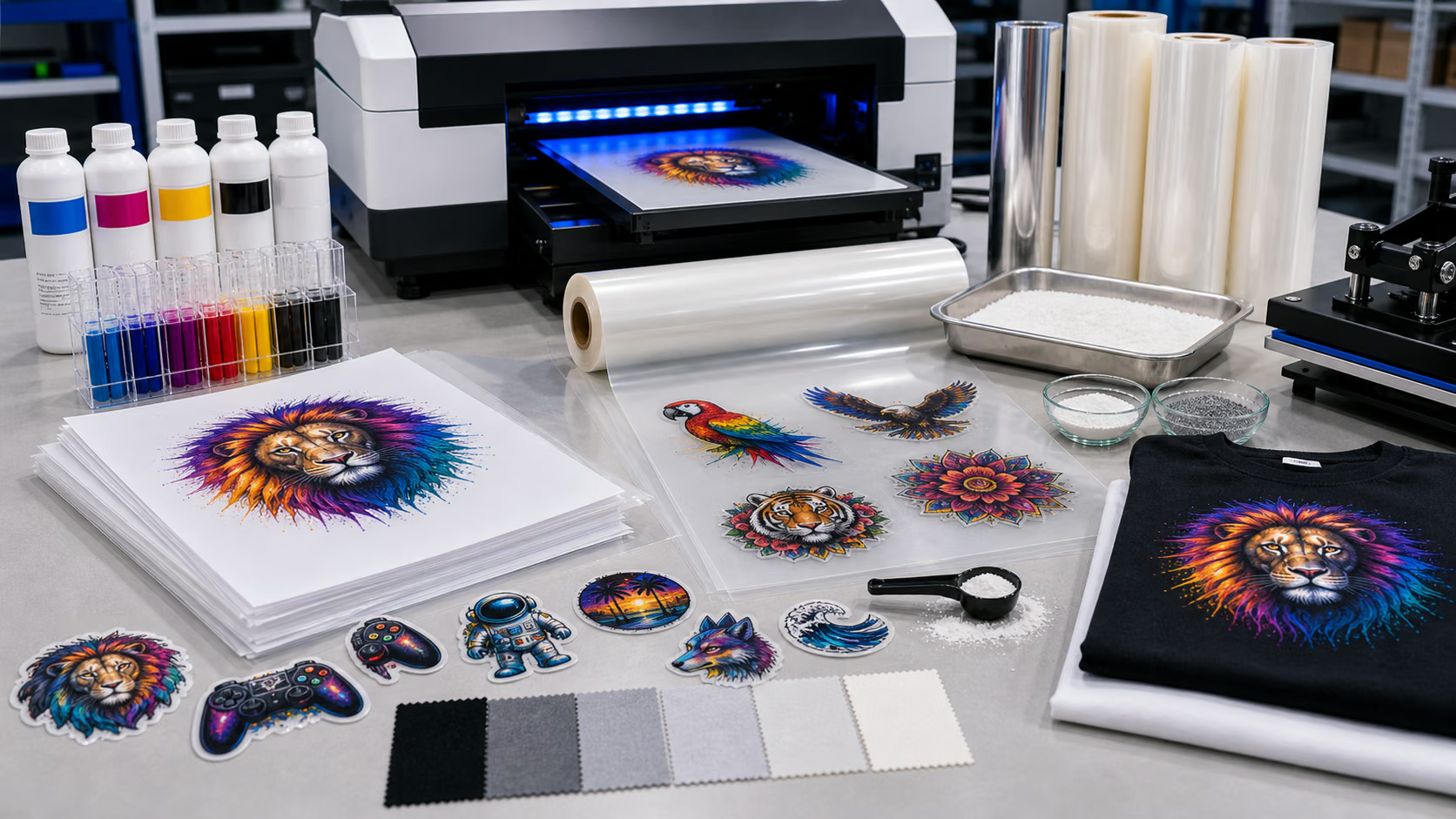
A4 DTF transfer film is a popular choice for small-batch customization, hobby projects, and personal prints, thanks to its convenient size and compatibility with most desktop DTF printers. A common concern among users, however, is whether this film is prone to peeling after transfer. The answer depends on a range of factors—from film quality and printing parameters to transfer conditions and substrate compatibility. This article explores the key questions around A4 DTF transfer film peeling, explaining why it happens, how to prevent it, and what to look for in high-quality film.
Why Might A4 DTF Transfer Film Peel?
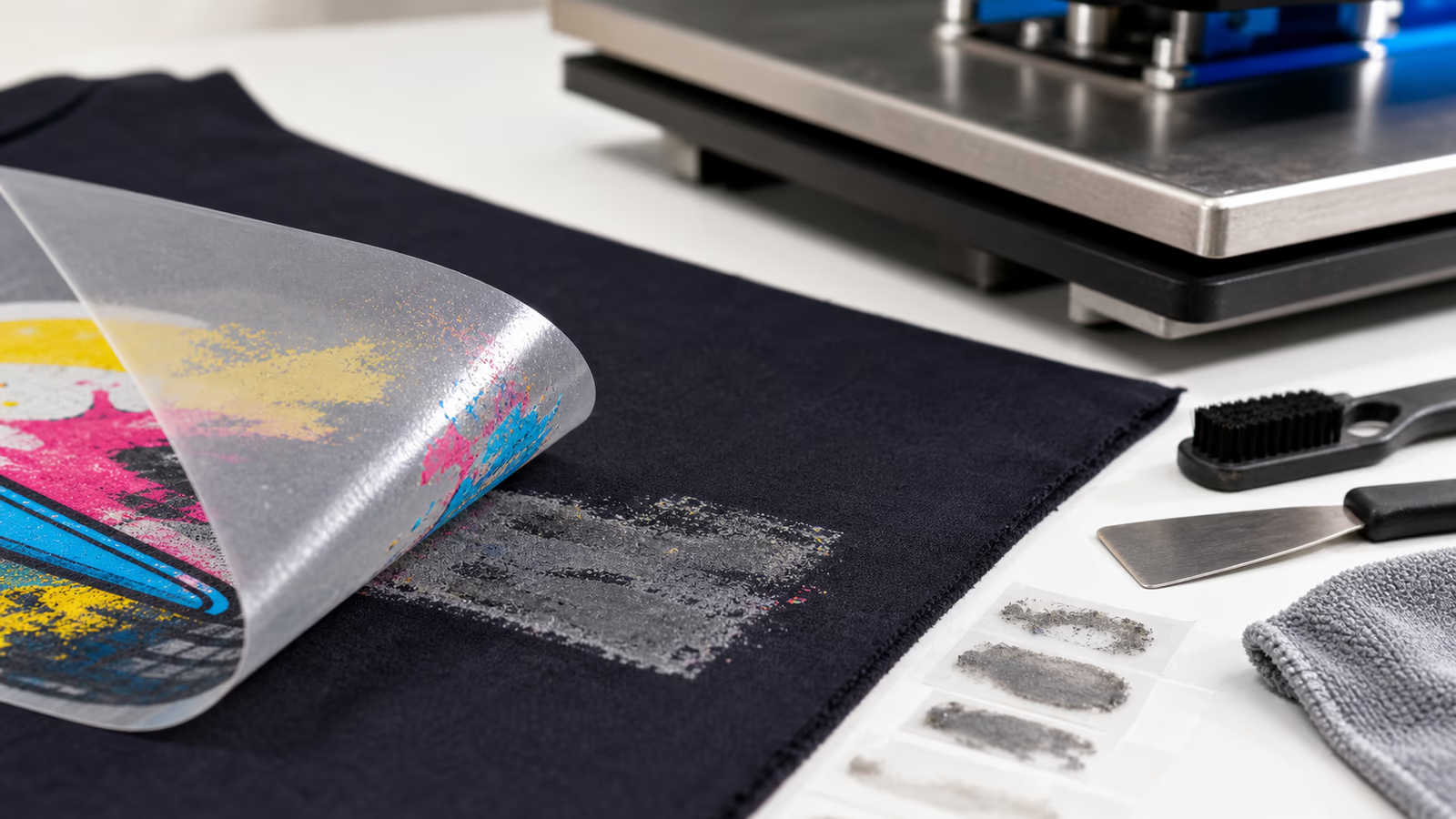
Peeling of A4 DTF transfer film is rarely a flaw of the film itself; instead, it typically stems from issues in the printing, powder application, or transfer process. The main causes include:
1. Poor Ink Curing or Powder Adhesion
UV-curable inks used with DTF film require complete curing via UV light to form a stable bond with the film. If curing is incomplete—due to insufficient UV intensity, slow print speed, or a dirty UV lamp—the ink layer remains soft and fails to adhere firmly. Similarly, uneven or inadequate hot-melt powder application can create weak spots in the adhesive layer, leading to peeling when the film is peeled off or the printed item is washed.
2. Incorrect Heat Press Settings
Heat press temperature, pressure, and time are critical for melting the hot-melt powder and bonding the design to the substrate. For A4 DTF film, insufficient temperature (below 140°C) or pressure (below 3 kg/cm²) will prevent the adhesive from fully activating, resulting in poor adhesion. Conversely, excessive heat or time can damage the film or substrate, weakening the bond.
3. Low-Quality A4 DTF Transfer Film
Not all A4 DTF transfer films are created equal. Low-quality films may have a subpar receptive coating that fails to grip UV inks effectively, or a thin PET base that warps during heating—disrupting the ink-powder-substrate bond. Such films are more likely to peel even when proper processes are followed.
4. Incompatible Substrate or Poor Substrate Preparation
DTF transfer works best on fabrics like cotton, polyester, and blends. Applying A4 DTF film to non-porous or rough substrates (e.g., heavily textured leather, waterproof fabrics) can lead to poor adhesion. Additionally, substrates contaminated with dust, oil, or fabric softener will prevent the adhesive from bonding, causing peeling over time.
How to Prevent A4 DTF Transfer Film from Peeling
With proper preparation and process control, peeling of A4 DTF transfer film can be easily avoided. Follow these key steps:
1. Choose High-Quality A4 DTF Transfer Film
Invest in A4 DTF transfer film with a high-quality receptive coating and durable PET base. Look for films that are specifically labeled for compatibility with UV-curable inks and hot-melt powder. Testing sample films before large-scale use can help verify adhesion and durability.
2. Ensure Complete Ink Curing
Check and maintain your UV DTF printer’s curing system: clean UV lamps regularly, ensure the correct UV intensity (follow the printer manufacturer’s guidelines), and adjust print speed to allow sufficient curing time. A fully cured ink layer will have a dry, firm texture and won’t smudge when touched.
3. Apply Hot-Melt Powder Evenly
Use a uniform, thin layer of hot-melt powder over the printed film. Shake off excess powder (which can be recycled) to avoid clumping. Follow with a second curing step (100–120°C for 2–3 minutes) to bond the powder to the ink layer, creating a tacky, stable base for transfer.
4. Optimize Heat Press Parameters
For most A4 DTF film applications, set the heat press to 140–160°C, apply 3–5 kg/cm² of pressure, and press for 10–15 seconds. Adjust based on the substrate (e.g., lower temperature for delicate fabrics). After pressing, allow the film to cool slightly (warm peel) or completely (cold peel) before removing—follow the film manufacturer’s instructions for peeling type.
5. Prepare Substrates Properly
Clean substrates thoroughly to remove dust, oil, or residue—use a lint roller for fabrics or a damp cloth for hard surfaces. Avoid using fabric softener on apparel before transfer, as it creates a barrier to adhesion. For dark fabrics, ensure a sufficient white underbase is printed to enhance both color vibrancy and adhesion.
Conclusion: A4 DTF Transfer Film Peeling Is Avoidable
In short, A4 DTF transfer film does not inherently peel—when issues occur, they are almost always preventable with proper process control and quality materials. By choosing high-quality film, ensuring complete ink curing, applying powder evenly, optimizing heat press settings, and preparing substrates correctly, you can achieve strong, durable transfers that resist peeling even after repeated washes. A4 DTF transfer film remains a reliable choice for small-scale customization, and with attention to detail, you can enjoy professional-grade results without the frustration of peeling prints.