“Experience the Difference with Is A4 DTF Film – The Ultimate Screen Printing Alternative!” -MAXDTF- Heat Transfer Film Factory, DTF Digital Transfer Sheet Factory, Made in china
In the realm of custom printing, A4 DTF (Direct-to-Film) film and screen printing are two widely used techniques, each celebrated for their ability to transfer designs onto various substrates. However, despite sharing the goal of creating printed visuals, these methods differ significantly in their technology, workflow, results, and applications. This article explores the key distinctions between A4 DTF film and screen printing, helping enthusiasts, small business owners, and designers understand why they are not interchangeable—and how to choose the right one for specific projects.
1. Core Definitions: What Are A4 DTF Film and Screen Printing?
To grasp their differences, it is first essential to define each technique and its fundamental purpose.
1.1 A4 DTF Film
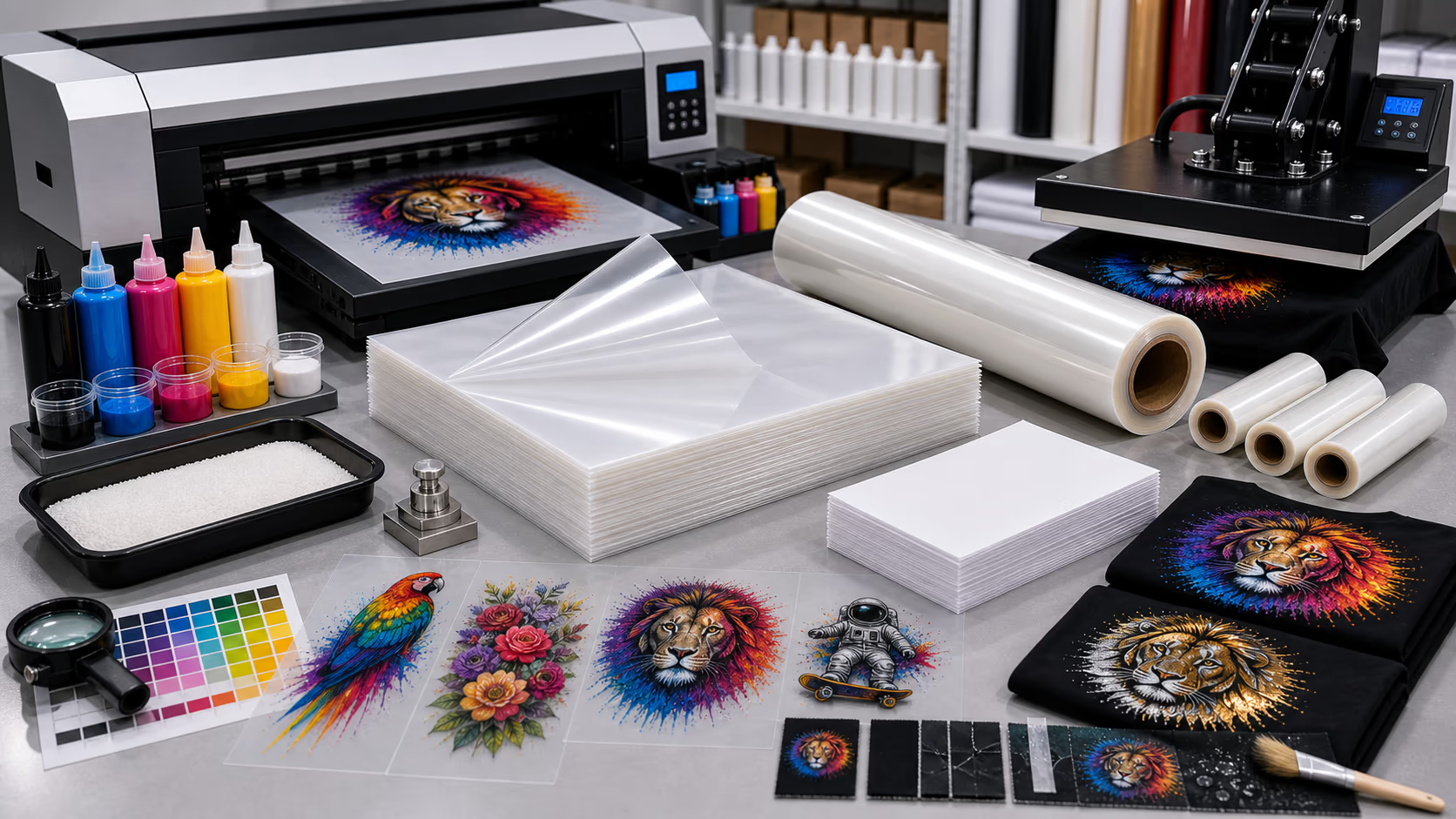
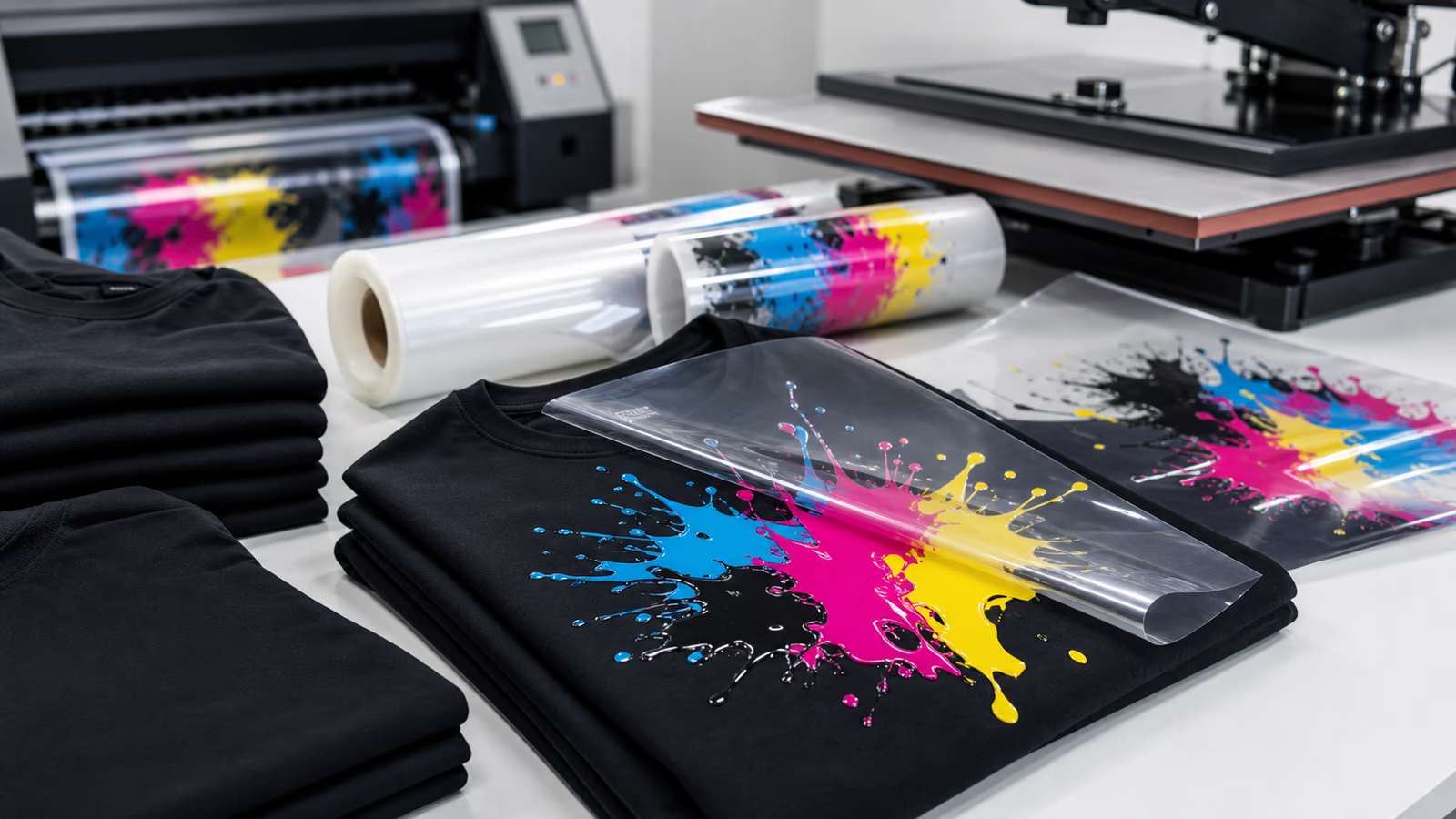
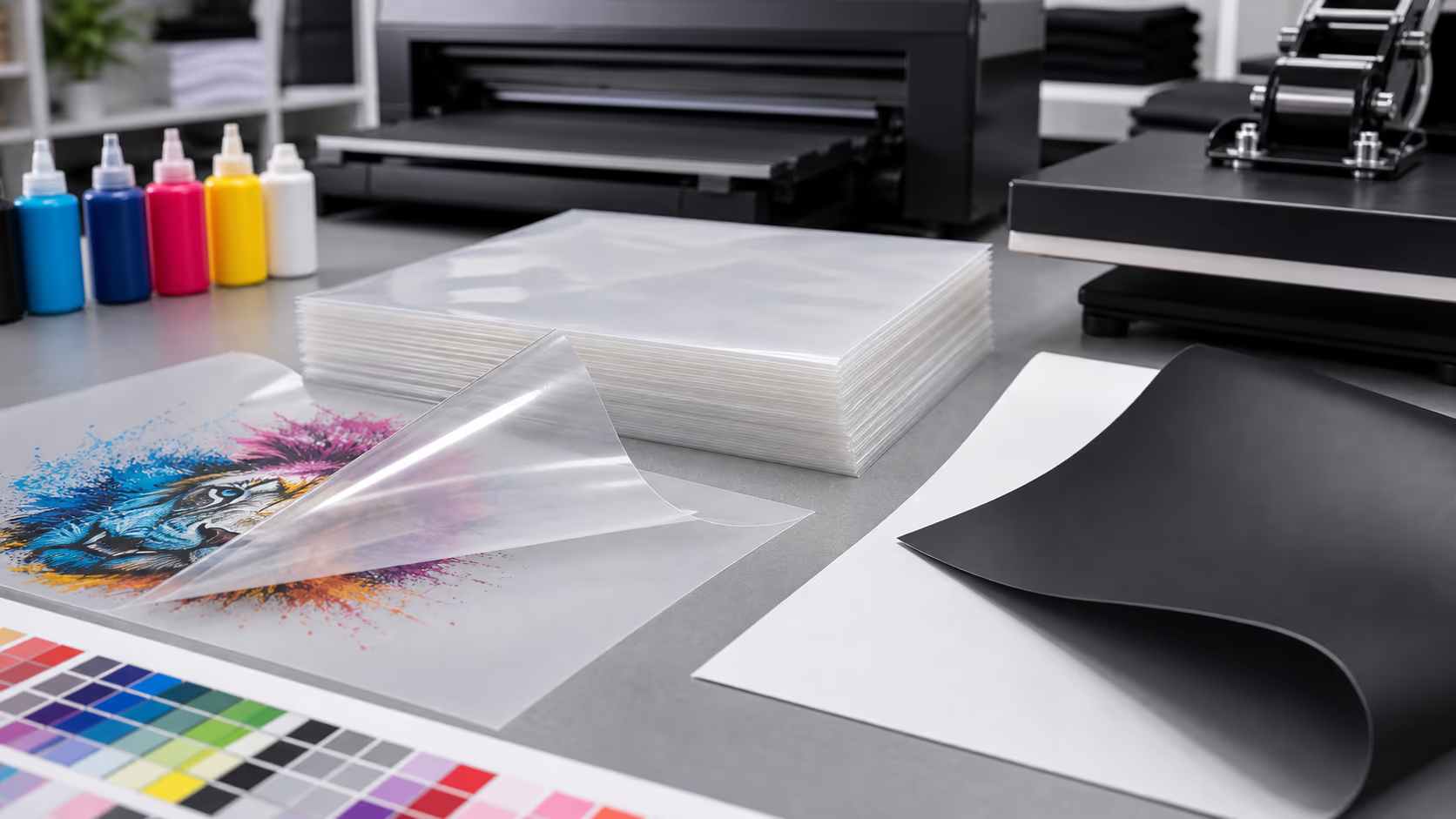
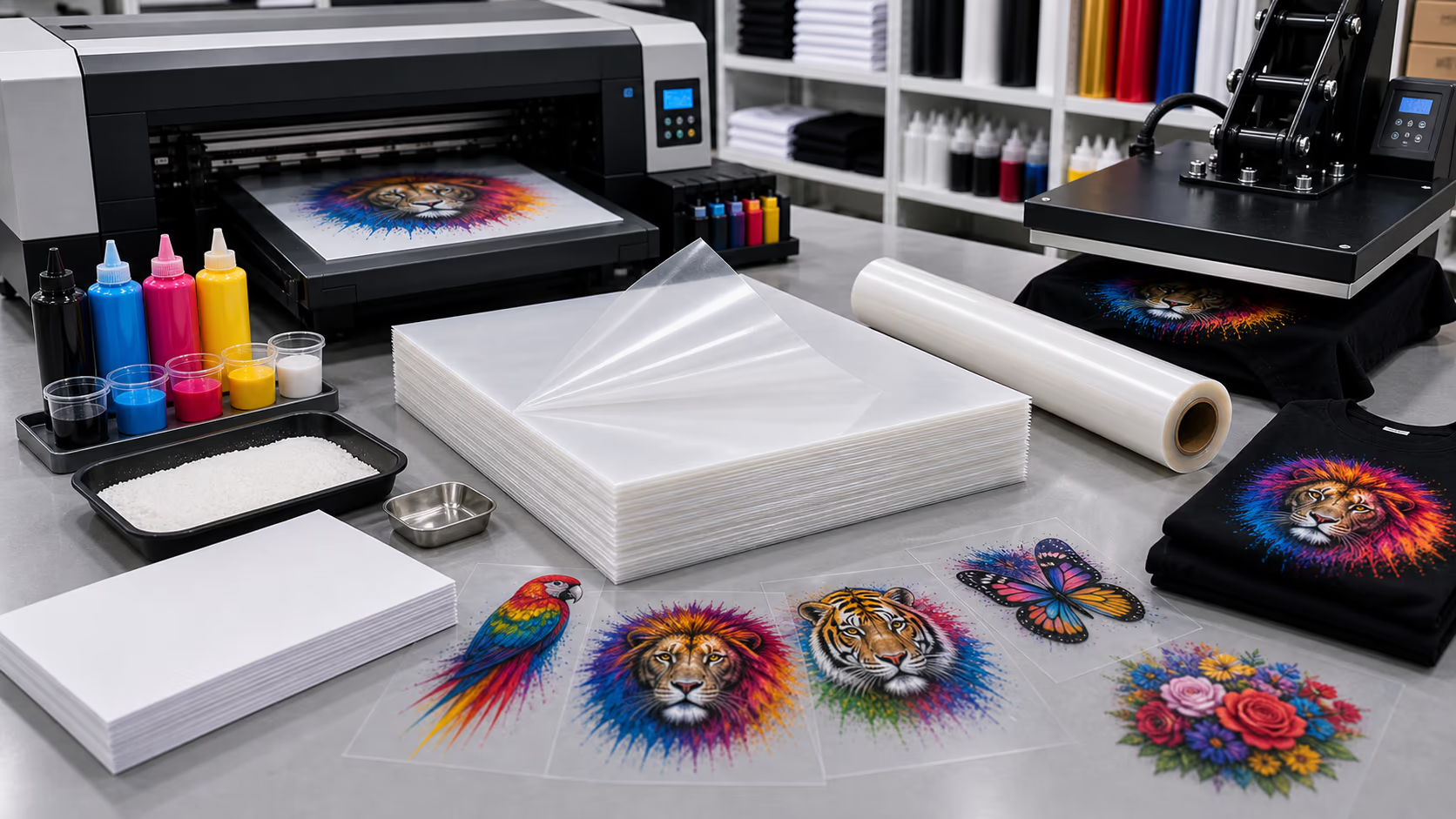
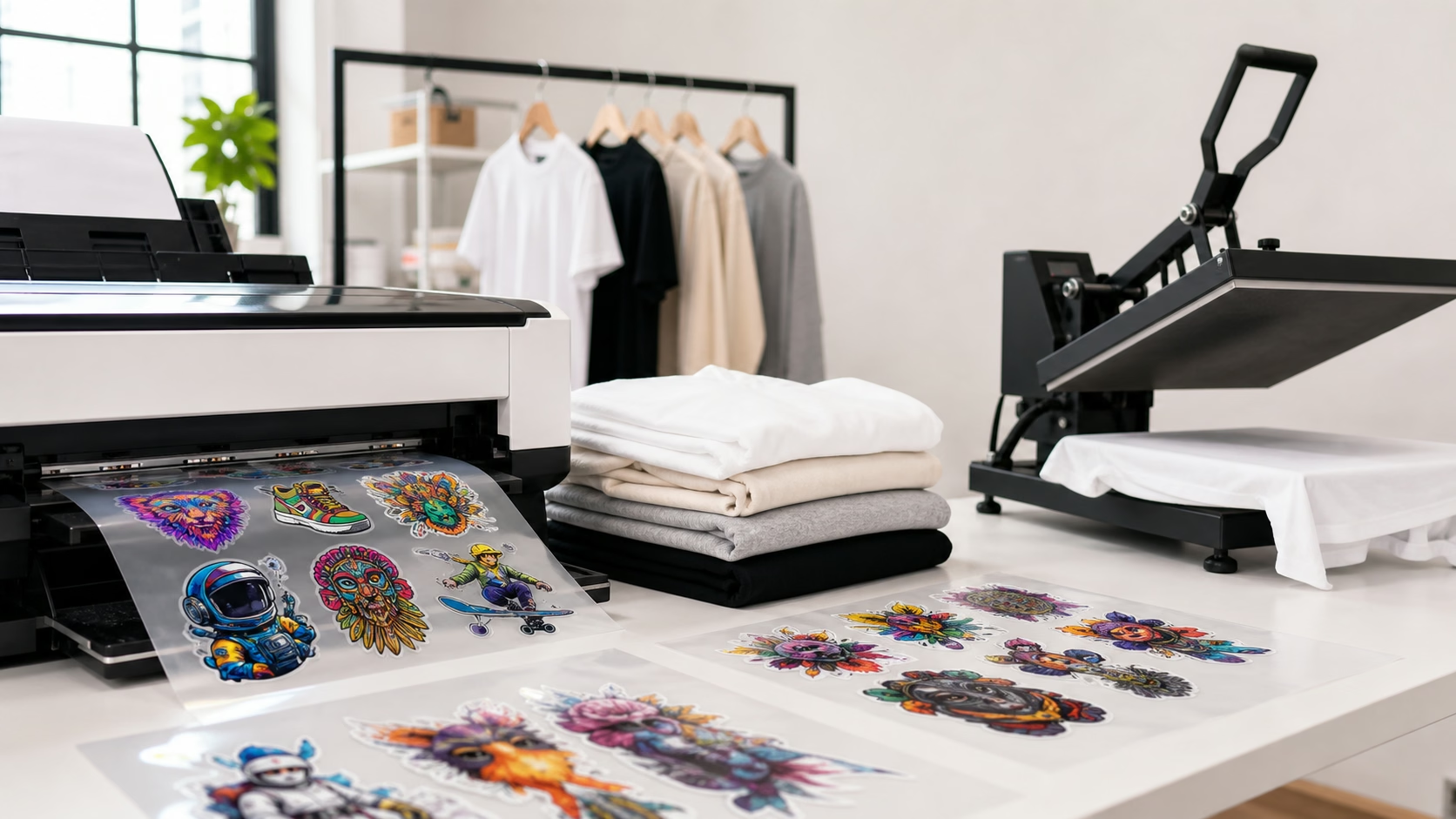
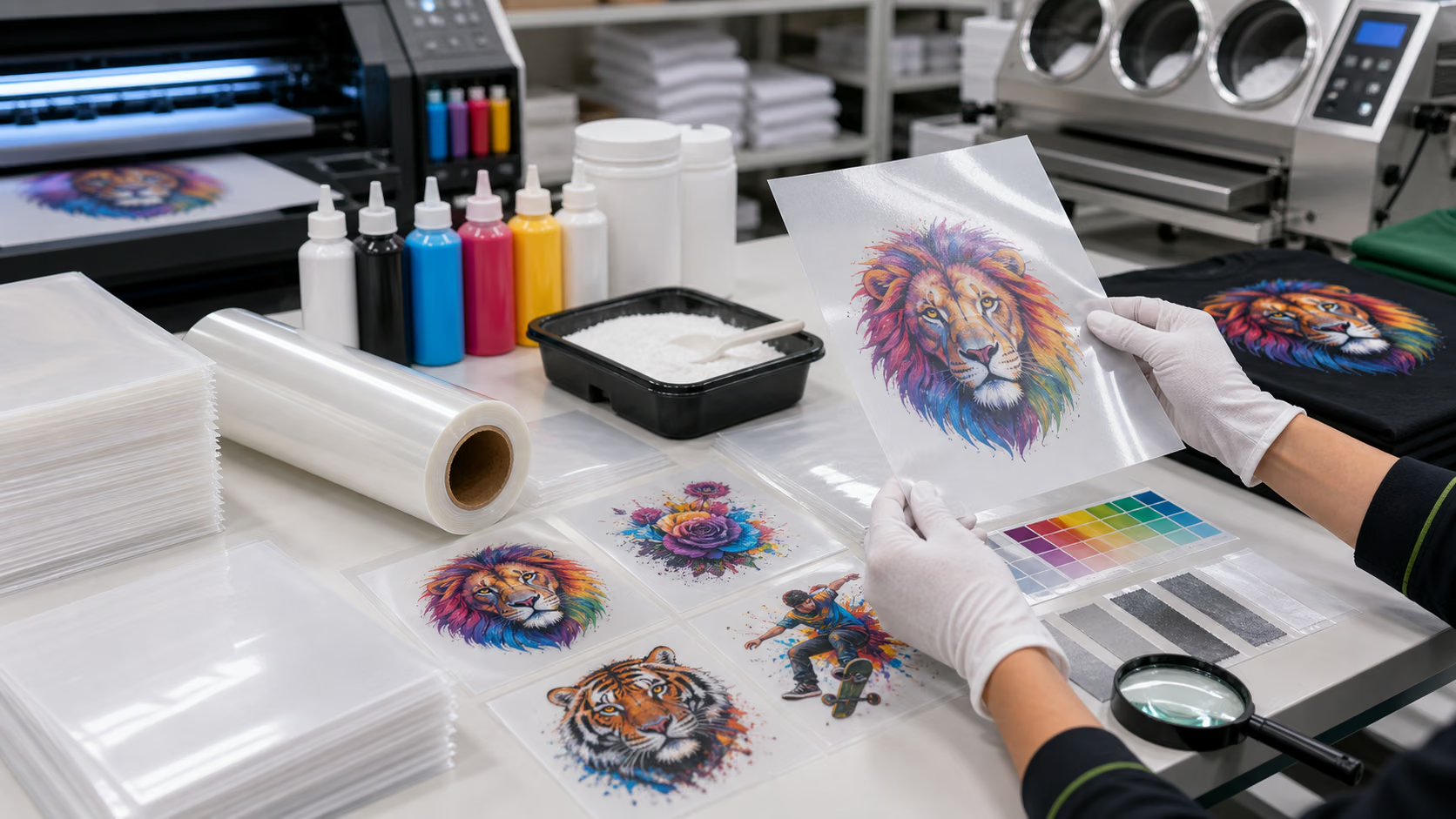
A4 DTF film is a specialized printing medium designed for the DTF printing process, tailored to the compact A4 size (210mm × 297mm)—ideal for small-batch or individual projects. The process involves printing a design directly onto the DTF film using DTF inks, applying adhesive powder to the printed film, and then transferring the design onto a substrate (such as fabric, plastic, or wood) via heat pressing. The adhesive powder ensures the design bonds firmly to the surface, resulting in a flexible, durable finish. A4 DTF film is popular among hobbyists and small businesses due to its accessibility, low setup cost, and compatibility with home or small-scale printers.
1.2 Screen Printing
Screen printing, also known as silk screening, is a traditional stencil-based printing method. It uses a mesh screen (typically made of polyester or silk) as a stencil, where ink is forced through the screen’s open areas onto the substrate. Each color in the design requires a separate screen, and the ink is applied layer by layer to build the final image. Screen printing is valued for its durability, vibrant color payoff, and suitability for large-batch production. It is commonly used for apparel, signage, and promotional products.
2. Key Differences in Workflow and Setup
The most striking disparities between A4 DTF film and screen printing lie in their setup complexity and production workflow—factors that directly impact cost, time, and scalability.
2.1 Setup Process
A4 DTF film requires minimal setup. Users only need a DTF printer (compatible with A4 size), DTF inks, A4 DTF film, adhesive powder, and a heat press. There is no need for stencils or color separation beyond what is handled by the printer’s software. This makes it possible to start printing within minutes, even for beginners.
Screen printing, by contrast, has a labor-intensive setup. Each color in the design requires a custom screen, which involves coating the mesh with emulsion, exposing it to the design (via a transparency), and rinsing to create the stencil. For multi-color designs, this process is repeated for each color, adding time and cost. Setup can take hours, making it inefficient for small runs.
2.2 Production Workflow
A4 DTF printing follows a streamlined workflow: print the design on A4 DTF film, apply adhesive powder (either manually or with a powder shaker), cure the powder briefly with heat, then press the film onto the substrate. Each piece is processed individually, but the steps are quick and require little manual intervention after setup.
Screen printing is a layer-by-layer process. For each substrate, the screen is aligned, ink is spread across the mesh with a squeegee, and the substrate is dried before the next color is applied. This manual alignment and layering make large batches efficient (as setup costs are amortized) but slow for small quantities.
3. Contrasts in Print Quality and Finish
The visual and tactile properties of prints from A4 DTF film and screen printing differ noticeably, influencing their suitability for specific aesthetics.
3.1 Color Vibrancy and Opacity
Screen printing excels in color vibrancy and opacity, especially on dark substrates. The thick, opaque ink layers provide intense color saturation that stands out, even on black or navy fabrics. White ink underlayers (for dark substrates) are easy to apply and offer excellent coverage.
A4 DTF film also delivers vibrant colors, thanks to DTF inks’ ability to blend seamlessly. However, while white ink is available for dark substrates, the opacity may be slightly less than screen printing ink. The glossy or matte finish of DTF film can enhance color perception, but the ink layer is thinner than screen printing.
3.2 Texture and Flexibility
A4 DTF prints have a thin, flexible texture that adheres closely to the substrate. The design moves with fabric (e.g., on t-shirts) and is barely noticeable to the touch—ideal for apparel where comfort is key. The finish can be glossy or matte, depending on the film type.
Screen printing ink creates a thicker, more tactile layer on the substrate. While durable, this layer can feel stiffer, especially for multi-color designs with heavy ink buildup. For stretchy fabrics, this stiffness may be noticeable during wear, though advances in ink technology have reduced this issue.
3.3 Detail and Resolution
A4 DTF film supports high-resolution prints, making it ideal for intricate designs, fine lines, gradients, and photo-realistic images. The printer’s ability to deposit small ink droplets ensures sharp details that are difficult to achieve with screen printing.
Screen printing’s detail is limited by the mesh size and stencil precision. Fine lines (thinner than 1mm) or complex gradients may blur or break, as the ink can spread slightly when forced through the screen. It is better suited for bold, simple designs rather than intricate ones.
4. Differences in Cost and Scalability
Cost considerations vary dramatically between A4 DTF film and screen printing, depending on production volume.
4.1 Small-Batch and Individual Projects
A4 DTF film is far more cost-effective for small runs (1–50 pieces). The low setup cost means each piece’s per-unit cost is consistent, even for a single item. This makes it perfect for custom gifts, personalized apparel, or test runs.
Screen printing is expensive for small batches, as setup costs (screens, emulsion, labor) are spread across fewer items. Per-unit costs are high, making it impractical for individual or small-scale projects.
4.2 Large-Batch Production
Screen printing shines in large batches (100+ pieces). Once screens are made, per-unit costs drop significantly, as the only ongoing expenses are ink and labor. It is the preferred method for commercial apparel brands, event merch, and promotional products.
A4 DTF film becomes less cost-effective for large runs. The per-unit cost of film, ink, and adhesive powder adds up, and the individual processing of each piece slows production. Larger DTF film sizes (e.g., A3) can mitigate this, but A4 is not designed for high-volume output.
5. Compatibility with Substrates
While both techniques work on fabrics, their compatibility with other substrates differs.
A4 DTF film is highly versatile, adhering to fabrics (cotton, polyester, blends), plastics, ceramics, wood, and metal (with proper pre-treatment). This makes it suitable for a wide range of projects, from apparel to personalized mugs and phone cases.
Screen printing is primarily used for fabrics, though it can work on paper, cardboard, and some hard surfaces. However, it requires specialized inks for non-fabric substrates, and the thick ink layer may not bond as well to flexible or uneven surfaces as DTF film.
6. Choosing Between A4 DTF Film and Screen Printing
The choice depends on your project’s needs:
- Choose A4 DTF film if you need small batches, intricate designs, high flexibility, or multi-substrate compatibility. It is ideal for hobbyists, small businesses, and personalized projects.
- Choose screen printing if you require large batches, maximum color opacity, durability for heavy wear, or bold, simple designs. It is best for commercial production and projects where cost per unit is critical.
Conclusion
A4 DTF film and screen printing are distinct printing techniques, each with unique strengths and limitations. They are not the same—A4 DTF film offers accessibility, high detail, and versatility for small runs, while screen printing delivers durability, vibrant colors, and cost efficiency for large batches. Understanding these differences allows you to select the right method for your project, ensuring optimal results, cost savings, and customer satisfaction. Whether you’re a hobbyist creating custom gifts or a business owner scaling production, matching the technique to your needs is key to printing success.