“Experience the Difference with Is PET Film DTF Roll – The Perfect Solution for Screen Printing!”-MAXDTF-DTF Film A2 Supplier, A3 L1800 DTF Factory, made in china
In the world of custom printing, PET Film DTF (Direct-to-Film) Roll and screen printing are two widely used technologies, often confused by beginners. While both aim to transfer designs onto substrates, their core principles, applications, and performance vary significantly. This article breaks down their differences and subtle connections, helping you grasp the unique value of each method.
1. Core Definitions: Fundamental Distinctions
At their essence, the two technologies differ in how designs are created and transferred, rooted in their structural purposes.
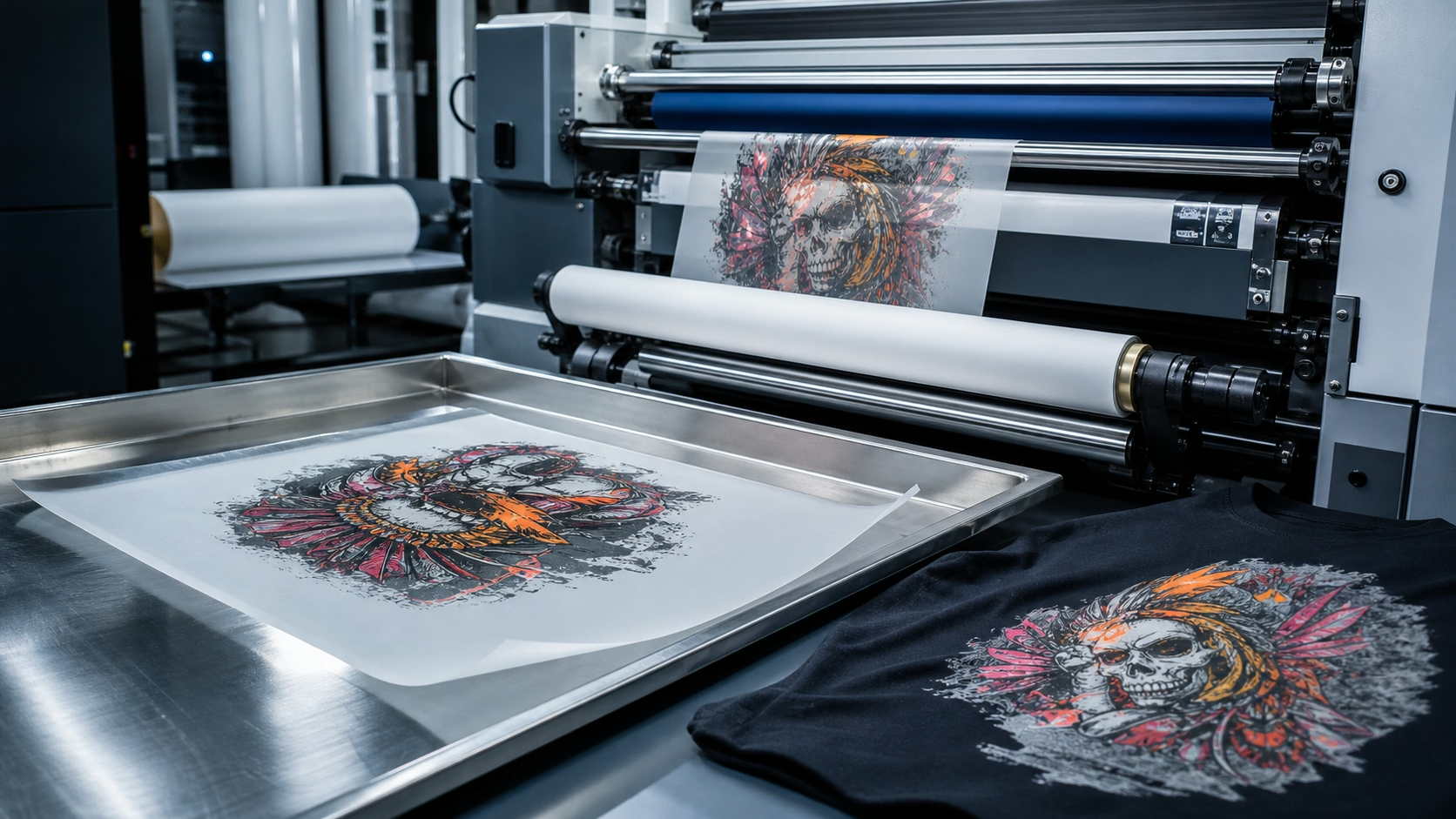
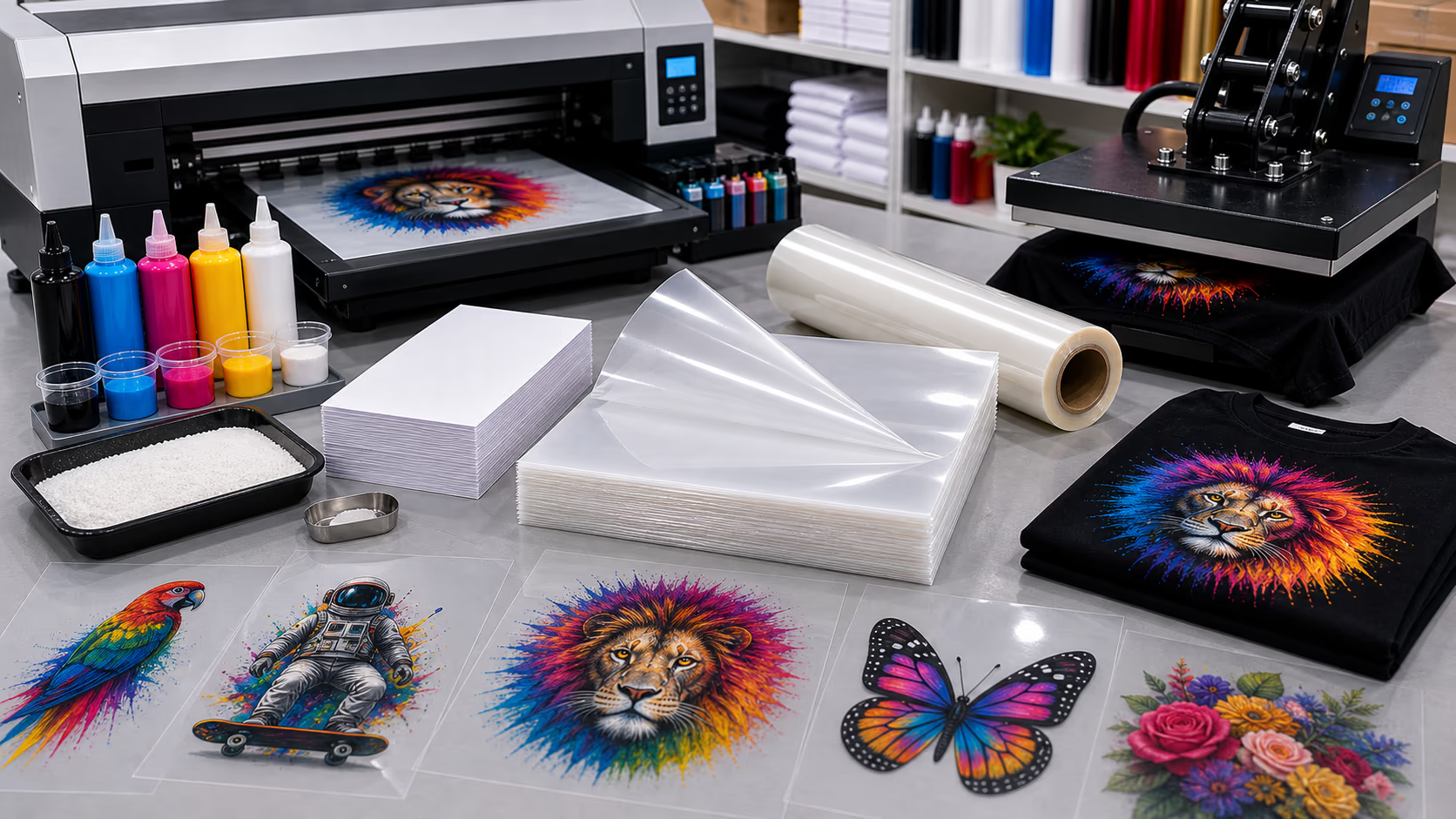
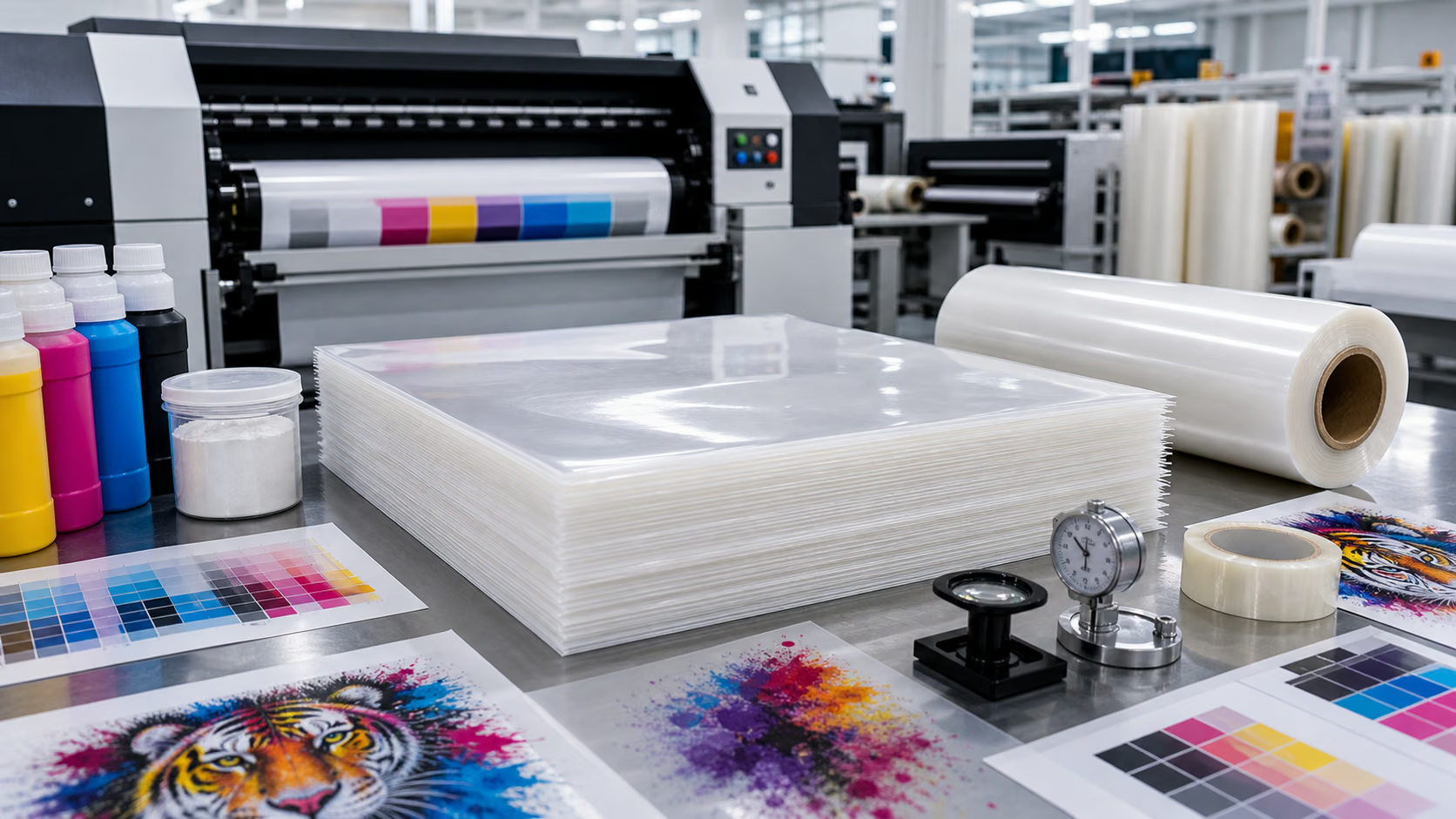
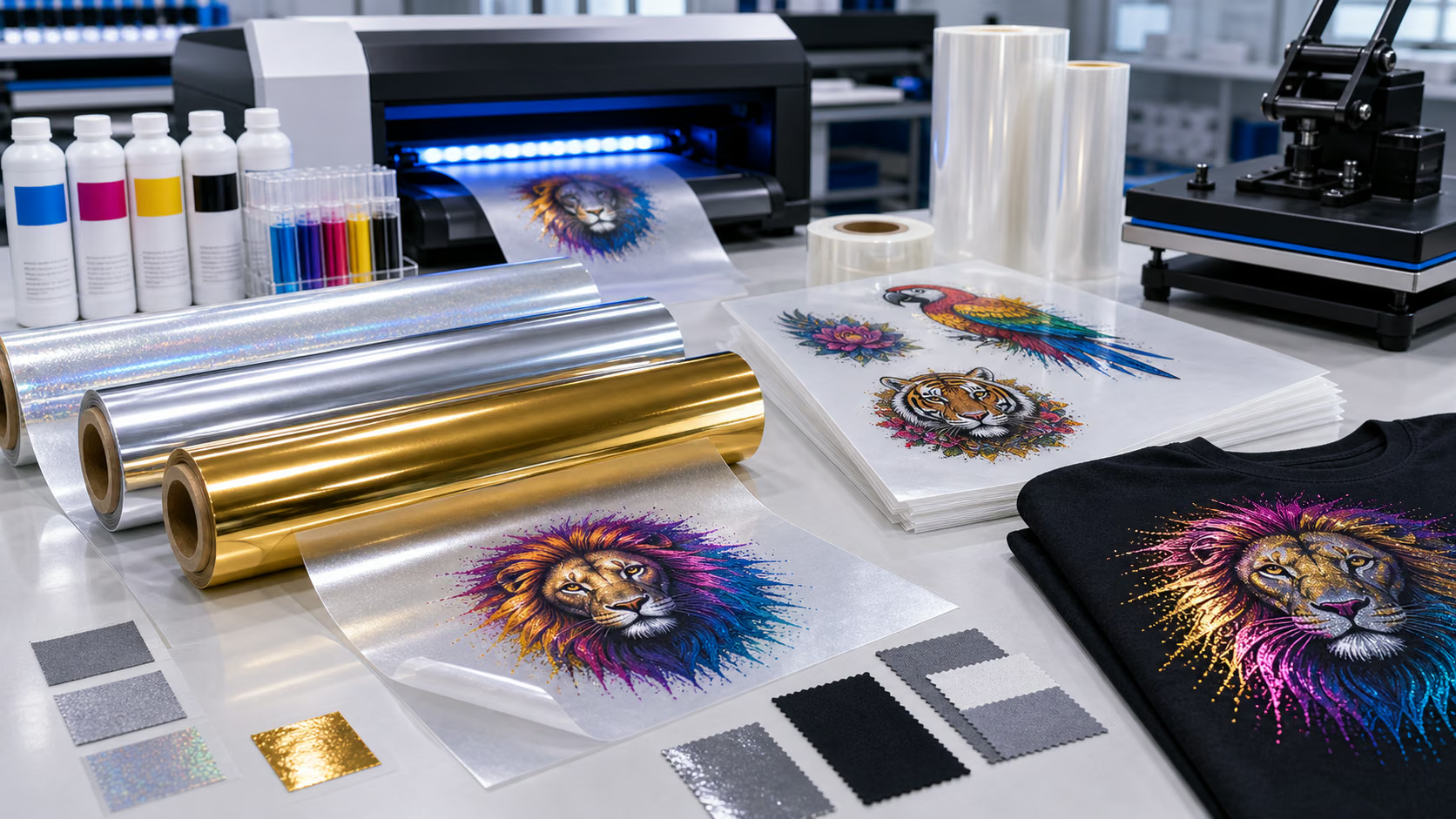
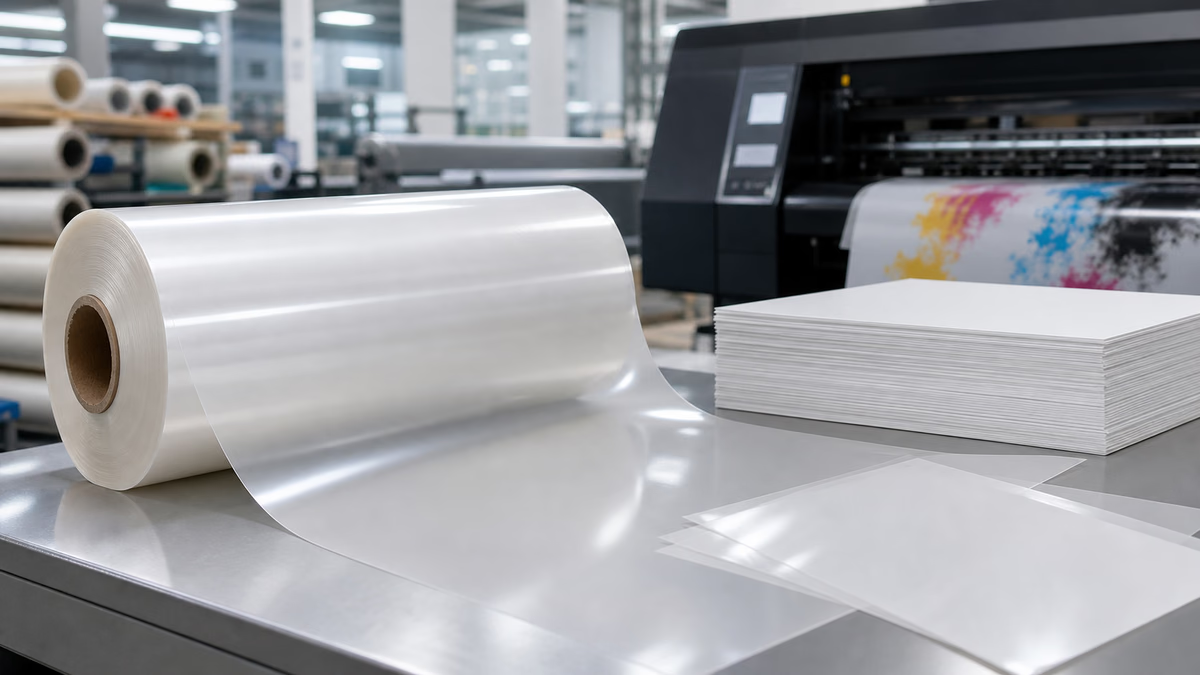
PET Film DTF Roll refers to a continuous roll of PET-based film used in DTF printing. It acts as a temporary carrier: designs are first printed onto the film with DTF inks, paired with hot-melt powder, and then transferred to substrates (fabric, metal, glass) via heat and pressure. The PET roll’s durability and ink-receptive coating make it ideal for high-volume, versatile printing.
Screen Printing, also known as silk screening, is a stencil-based technique. A mesh screen (typically polyester) is used to create a stencil of the design; ink is forced through the stencil’s open areas onto the substrate using a squeegee. Each color in the design requires a separate screen, making it a layer-by-layer process.
2. Technical Principles: How They Work
The technical workflows of the two methods highlight their contrasting approaches to design transfer.
PET Film DTF Roll: Carrier-Mediated Transfer
The process starts with loading the PET film roll into a DTF printer. The printer deposits white ink (for opacity) and CMYK inks onto the film’s coated surface. Immediately after printing, hot-melt powder is applied to the wet ink, adhering to form a flexible bond. The film is then cured in an oven to melt the powder, creating a stable design layer. Finally, a heat press transfers the design from the PET film to the substrate, with the film peeled away to leave a durable print.
Screen Printing: Stencil-Directed Ink Deposition
First, a stencil is created by coating the screen with emulsion, exposing it to UV light through a design template (hardening the emulsion in non-design areas), and washing away the unhardened emulsion (creating open mesh for ink). For multi-color designs, this step repeats for each color. The screen is then placed over the substrate; ink is poured onto the screen and pulled across with a squeegee, forcing ink through the stencil onto the substrate. The ink is cured (air-dried or heat-set) before the next color is applied.
3. Application Scenarios: Where They Shine
Their technical differences lead to distinct optimal use cases, aligned with substrate, design complexity, and volume needs.
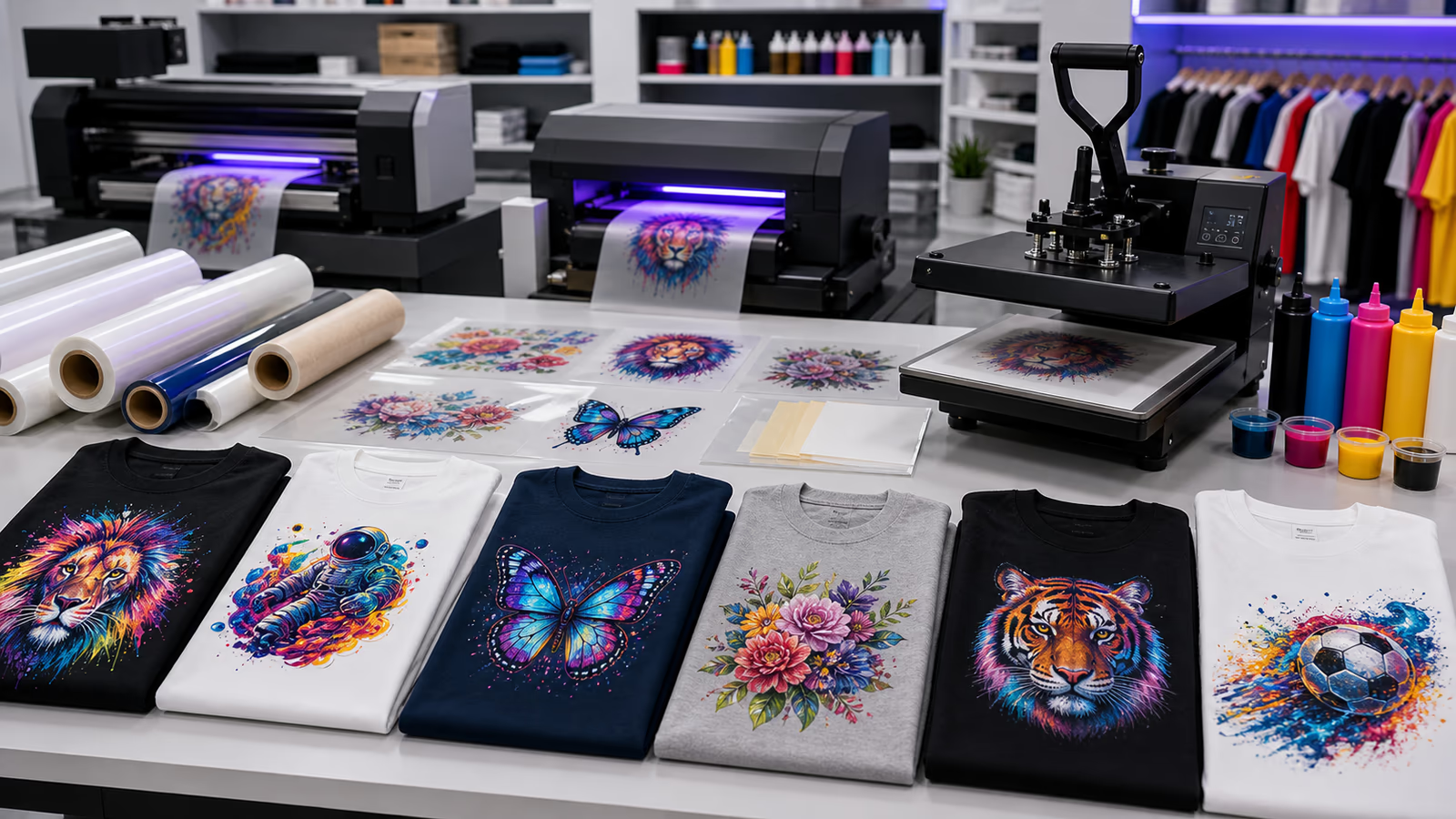
PET Film DTF Roll excels in versatility. It works with nearly all substrates—cotton, polyester, leather, metal, glass, and plastic—making it ideal for mixed projects like branded apparel, promotional mugs, and industrial labels. It shines with complex designs (photographs, gradients) and small-to-medium batches, as no stencils are needed (reducing setup time). For example, a small boutique can use DTF rolls to print custom t-shirts with photo prints one day and branded phone cases the next.
Screen Printing is the go-to for high-volume, simple designs on fabrics. It’s perfect for bulk orders like event t-shirts, sports jerseys, and band merch, where bold, solid colors are preferred. Its ink layers are thick and durable, making it suitable for items with heavy use (e.g., workwear). However, it struggles with complex designs and non-fabric substrates—printing a gradient on a glass jar with screen printing is costly and time-consuming.
4. Pros and Cons: A Side-by-Side Comparison
| Aspect | PET Film DTF Roll | Screen Printing |
|---|---|---|
| Design Complexity | High (handles photos, gradients, fine details) | Low (best for solid colors, simple logos) |
| Setup Time/Cost | Low (no stencils; ready to print quickly) | High (multiple screens needed for colors; long setup) |
| Volume Efficiency | Good for small-medium batches (1–500 units) | Excellent for large batches (500+ units) |
| Substrate Versatility | Wide (fabrics, hard goods, metals) | Narrow (mostly fabrics; limited hard substrates) |
| Durability | Good (50–100 washes for fabrics) | Excellent (100+ washes; thick ink layers) |
| Cost per Unit | Higher for large batches | Lower for large batches (amortizes setup cost) |
5. Connections: When They Complement Each Other
While distinct, the two technologies can work together. For example, a brand might use screen printing for bulk solid-color t-shirts and PET Film DTF Roll for limited-edition designs with photos or gradients on the same apparel line. Screen printing provides a durable base layer, while DTF adds intricate details that screen printing can’t achieve. Additionally, some printers use DTF to create custom stencils for small-batch screen printing, blending the efficiency of DTF with the durability of screen printing.
Conclusion: Choose Based on Your Needs
PET Film DTF Roll and screen printing are not the same—they serve different purposes in the printing ecosystem. DTF is versatile, fast for small batches, and ideal for complex designs across substrates. Screen printing is cost-effective for large volumes, offers unmatched durability for fabrics, and excels at bold colors. Understanding their differences helps you select the right method for your project, whether you’re a small business owner, hobbyist, or marketing professional.
Do you have a specific project in mind and want to know which technology is more suitable? Or are you curious about how to optimize the use of either method for your needs?