“Unlock the power of digital printing with What’s impresora DTF PET Film Transfer!” -MAXDTF- DTF Transfer paper 13×19 Factory, DTF A4 Manufacturer, Made in china
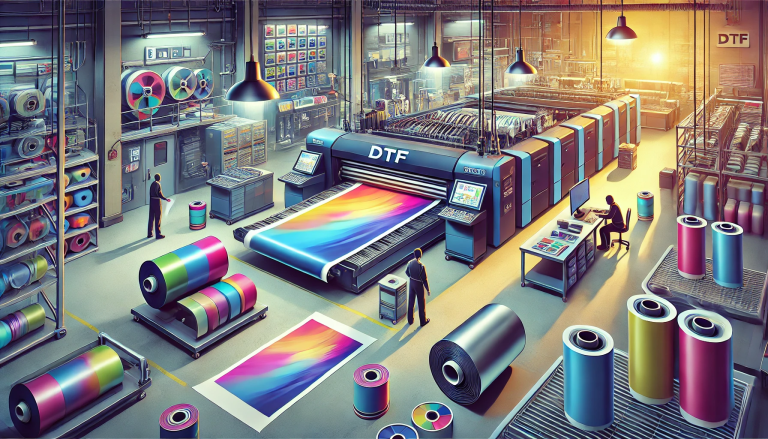
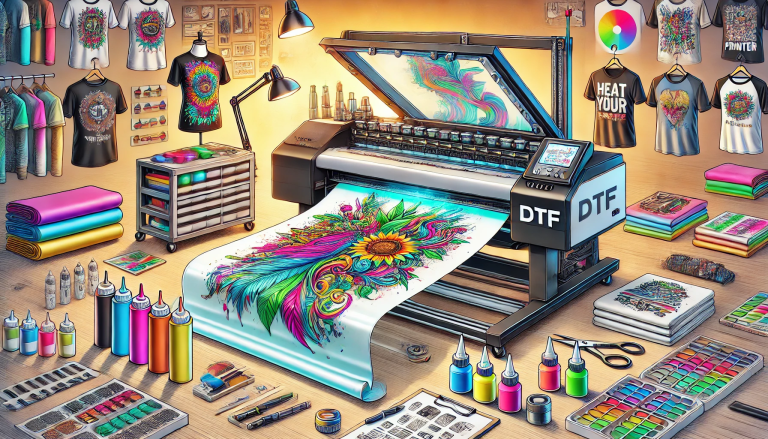
In modern digital printing, “Impresora DTF PET Film Transfer” denotes a specialized printing system integrating DTF (Direct-to-Film) technology with PET film as the core transfer medium. The Spanish term “impresora” (meaning “printer”) emphasizes its printer-centric nature, where the device collaborates with PET transfer film to produce high-quality, versatile custom prints. Renowned in the customization industry for enabling printing on diverse substrates without complex pre-treatment, this technology has become a go-to solution for businesses and hobbyists alike. Below is a concise breakdown of its core components, operational workflow, key advantages, and practical applications.
Breaking Down the Term: Key Definitions
To grasp Impresora DTF PET Film Transfer fully, it’s vital to dissect each term in the concept:
– Impresora (Printer): The central device that applies DTF inks to PET film. Unlike standard printers, DTF printers feature specialized print heads and ink systems compatible with DTF-specific inks (usually water-based or UV-curable), ensuring strong adhesion to PET film and effective bonding with substrates post-transfer.
– DTF (Direct-to-Film): A printing technology that bypasses substrate pre-treatment by first printing designs onto transfer film. The design is then bonded to the target material via heat and pressure, eliminating the plate-making and weeding steps common in vinyl printing.
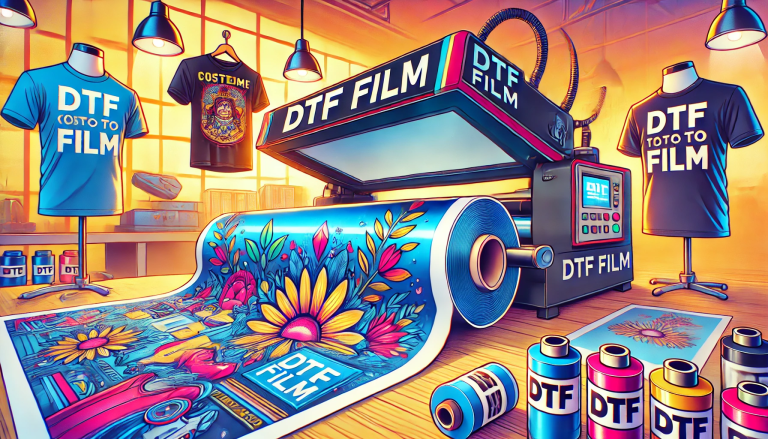
– PET Film Transfer: A temporary polyethylene terephthalate (PET) film carrier that holds the printed design until transfer. PET film is selected for its heat resistance, dimensional stability, and smooth surface, which guarantee crisp ink adhesion and easy release after heat pressing.
How Does Impresora DTF PET Film Transfer Work?
Impresora DTF PET Film Transfer follows a simple four-step workflow, balancing ease of use and efficiency, making it accessible to both small businesses and hobbyists:
1. Preparing the Design
First, create or edit the desired design using graphic design software (e.g., Adobe Photoshop, CorelDRAW). Optimize the design for DTF printing—ensuring correct color profiles and size—to match the target substrate (e.g., fabric, leather, plastic).
2. Printing on PET Film
Send the optimized design to the DTF printer (impresora DTF), which prints it directly onto the PET transfer film using DTF inks formulated for strong adhesion to the film’s coated surface, resulting in vibrant, detailed graphics.
3. Applying Hot-Melt Adhesive
Immediately after printing, evenly sprinkle hot-melt adhesive powder over the wet ink on the PET film. The powder adheres to the ink, covering the entire design area. Shake off and recycle excess powder to reduce waste.
4. Heat Transfer to Substrate
Place the PET film (with ink and adhesive layer) onto the target substrate (design side down). Use a heat press to apply controlled temperature (140–160°C typically) and pressure (3–5 kg/cm²) for 10–30 seconds, melting the adhesive and fusing the design to the substrate. Once cooled (or immediately peeled, depending on film type), remove the PET film to reveal the permanently bonded design.
Key Advantages of Impresora DTF PET Film Transfer
This printing system boasts multiple compelling advantages, making it a top choice in the customization industry:
1. Versatile Substrate Compatibility
It adheres seamlessly to a wide range of materials, including cotton, polyester, blends, leather, wood, plastic, and metal—no pre-treatment required. This versatility eliminates the need for multiple specialized printers, cutting equipment costs.
2. High-Quality, Durable Prints
The combination of DTF inks and PET film delivers sharp details, vibrant colors, and smooth gradients. The hot-melt adhesive ensures robust bonding, making prints resistant to washing, fading, and stretching—essential for apparel and frequently used items.
3. Cost-Effective and Efficient
By removing pre-treatment, plate-making, and weeding steps, it reduces labor time and material waste. It supports small-batch, on-demand production, offering cost-effectiveness for custom orders and limited-edition products.
4. User-Friendly Operation
Modern DTF printers (impresora DTF) come with intuitive control software and simple setup. Even beginners can master the workflow with minimal training, lowering the entry barrier for hobbyists and new businesses.
Common Applications
Impresora DTF PET Film Transfer finds wide application across various industries:
– Apparel Customization: Custom designs on t-shirts, hoodies, sportswear, and accessories.
– Promotional Products: Decoration of tote bags, mugs, phone cases, and corporate merchandise.
– Leather Goods: Graphic additions to wallets, belts, and leather jackets.
– Home Décor: Customization of pillows, curtains, and wooden signs.
Conclusion: A Versatile Solution for Modern Custom Printing
In summary, Impresora DTF PET Film Transfer is a printer-driven DTF system that uses PET film as the transfer medium to deliver high-quality, versatile custom prints. Its simple workflow, broad substrate compatibility, and cost-effectiveness make it a game-changer in customization. Whether for small-batch DIY projects or large-scale commercial production, this technology empowers creators to bring designs to life on nearly any material, merging efficiency with professional-grade results.