“DTG vs. DTF: Which Transfer Lasts Longer?” -MAXDTF- PET Transfer Film Factory, DTF Digital Transfer Sticker Manufacturer, Made in China
Direct-to-Garment (DTG) and Direct-to-Film (DTF) are two of the most popular digital printing technologies for custom apparel, each prized for its unique advantages. A critical consideration for businesses and hobbyists alike is transfer longevity—how well the printed design retains its vibrancy, shape, and adhesion after repeated washes and wear. While both methods produce high-quality results, their structural differences lead to notable variations in durability over time. This article explores the key differences in DTG and DTF transfer longevity, examining the factors that influence each technology’s lifespan and their real-world performance.
Understanding DTG and DTF Transfer Mechanisms
To grasp the differences in longevity, it’s first essential to understand how DTG and DTF transfers bond with fabric. These foundational differences directly impact how the prints withstand wear and washing.
DTG Transfer: Ink Penetration into Fabric Fibers
DTG printing deposits water-based ink directly onto the fabric, where the ink penetrates the fibers rather than sitting on the surface. For darker fabrics, a white underbase is first printed to ensure color vibrancy, followed by the design ink. The ink bonds with the fabric fibers during the curing process (typically via heat press or conveyor dryer), creating an integrated bond. This penetration means the design becomes part of the fabric, rather than a separate layer.
DTF Transfer: Film-Mediated Adhesive Bond
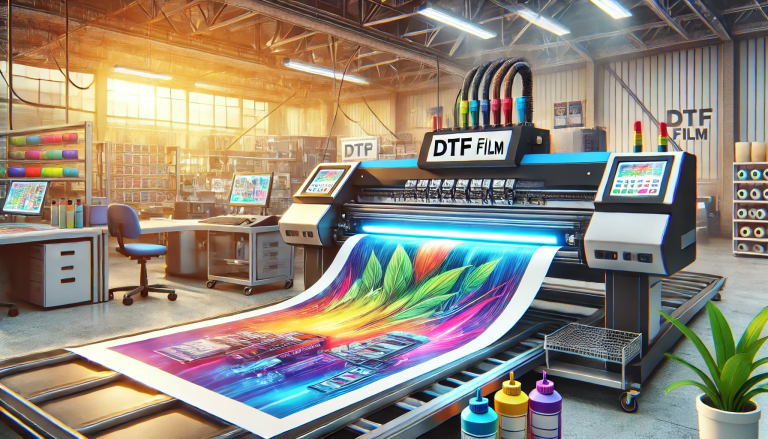
DTF printing, by contrast, involves printing the design onto a special polyester film coated with adhesive. After printing, a heat-sensitive powder adhesive is applied and cured, then the design is transferred to the fabric using heat and pressure. The adhesive layer on the film melts during transfer, creating a bond between the ink and the fabric surface. Unlike DTG, DTF designs form a thin, flexible layer on top of the fabric fibers.
Key Differences in Transfer Longevity
The core difference in how DTG and DTF bond with fabric translates to distinct longevity characteristics. Below are the primary ways their lifespans differ, based on washing resistance, wear durability, and environmental factors.
1. Washing Resistance: DTG’s Edge in Long-Term Color Retention
When it comes to repeated washing—one of the biggest tests of transfer longevity—DTG prints generally outperform DTF prints over time. DTG’s ink penetration into fabric fibers means the design is less likely to fade, peel, or crack with regular laundering. Studies show that high-quality DTG prints can retain 80–90% of their vibrancy after 50+ washes, especially when using premium inks and proper curing.
DTF prints, while durable, tend to show more signs of fading or edge wear after repeated washes. The top-layer adhesive bond is more susceptible to breakdown from detergent, water agitation, and friction. Most DTG prints maintain strong color and adhesion for 30–40 washes before noticeable fading occurs, though this can vary based on ink quality and transfer technique.
2. Wear and Friction: DTF’s Vulnerability to Surface Damage
Daily wear and friction (e.g., from backpack straps, seatbelts, or repeated movement) also impact longevity differently. DTG prints, being integrated into the fabric, are more resistant to friction damage. The design doesn’t have a raised edge, so there’s less surface area for friction to wear away.
DTF prints, with their thin top layer, are more prone to scuffing or edge peeling from friction. While modern DTF adhesives are flexible, the layer can gradually wear thin in high-friction areas over time. This is particularly noticeable on garments like hoodies (around the neckline) or t-shirts (underarm areas) that experience frequent rubbing.
3. Environmental Factors: Similar Susceptibility with Proper Care
Both DTG and DTF transfers are affected by environmental factors like sunlight exposure, high temperatures, and harsh detergents, but their responses are relatively similar. UV rays can fade both types of prints over time, though DTG’s ink-fiber bond may retain color slightly better. Using bleach or fabric softeners can degrade both DTG inks and DTF adhesives, reducing longevity. With proper care (cold water washing, line drying, avoiding harsh chemicals), both can extend their lifespan significantly.
Factors That Influence Longevity for Both Technologies
It’s important to note that longevity isn’t solely determined by the technology itself—several variables can narrow or widen the gap between DTG and DTF performance:
1. Ink and Material Quality
Premium water-based inks for DTG and high-quality adhesive films/inks for DTF drastically improve longevity. Cheaper inks or films may lead to premature fading or peeling, regardless of the technology.
2. Curing Process
Proper curing is critical for both. Under-cured DTG ink won’t bond fully with fibers, leading to fading. Under-cured DTF adhesive will peel easily. Over-curing can also damage DTG inks (causing brittleness) and DTF adhesives (reducing flexibility).
3. Fabric Type
DTG performs best on 100% cotton or high-cotton blends, where ink can penetrate easily. On synthetic fabrics, DTG longevity decreases. DTF is more versatile across fabric types but may have shorter lifespans on stretchy synthetics (e.g., spandex) due to adhesive breakdown during stretching.
Practical Takeaways: Choosing Based on Longevity Needs
The choice between DTG and DTF often comes down to balancing longevity with other factors like cost, versatility, and production speed:
- Choose DTG if long-term longevity (50+ washes) and color retention are top priorities—ideal for premium apparel, brand merchandise, or items intended for frequent wear.
- Choose DTF if versatility across fabric types, lower upfront costs, or faster production is more important—suitable for short-run orders, promotional items, or garments with a shorter intended lifespan (e.g., event t-shirts).
Conclusion
The key difference between DTG and DTF transfer longevity lies in their bonding mechanisms: DTG’s ink-fiber integration provides superior long-term durability, especially with repeated washing and wear, while DTG offers good durability but is more prone to surface wear and fading over time. Both technologies can deliver satisfactory lifespans with proper material selection and processing, but DTG edges out DTF for applications requiring maximum longevity. By understanding these differences, businesses and printers can make informed decisions that align with their product quality goals and customer expectations.