“Transfer Your Designs to PET Film with Impresora DTF – The Easy Way!” -MAXDTF- DTF Heat Transfer Paper Supplier, DTF Film 13 Factory, Made in china
In the realm of digital textile and surface printing,Impresora DTF PET Film Transfer (DTF PET Film Transfer Printer) has become a cornerstone tool for businesses and crafters seeking versatile, high-quality customization. Combining Direct-to-Film (DTF) technology with specialized PET film compatibility, this printer revolutionizes how designs are transferred onto diverse substrates—from fabrics to hard surfaces. Unlike traditional printers, it is engineered to work seamlessly with PET films, leveraging ink adhesion and curing mechanisms to deliver durable, vivid results. This article demystifies the impresora DTF PET Film Transfer, exploring its definition, working process, key features, applications, and advantages over alternative printing equipment.
1. Core Definition: What Exactly is an Impresora DTF PET Film Transfer?
An impresora DTF PET Film Transfer is a specialized digital printer designed exclusively for Direct-to-Film printing workflows, focusing on transferring designs from PET (polyethylene terephthalate) film to target surfaces. Unlike standard inkjet or laser printers, it uses DTF-specific inks and is calibrated to handle PET film’s unique properties—such as its smooth surface, heat resistance, and receptive coating.
This printer serves as the foundational tool in the DTF process, tasked with depositing precise layers of UV-curable or water-based DTF inks onto PET film. Its design ensures ink adheres firmly to the film’s receptive layer, preventing smudging or bleeding before curing and transfer. Unlike sublimation printers (limited to polyester) or screen printing machines (requiring cumbersome setups), the impresora DTF PET Film Transfer offers unmatched flexibility, supporting both textile and non-textile substrates with minimal adjustments.
2. How Does an Impresora DTF PET Film Transfer Work?
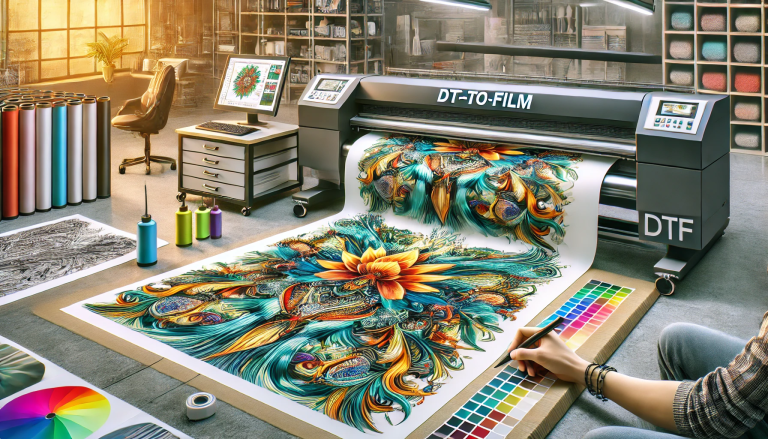
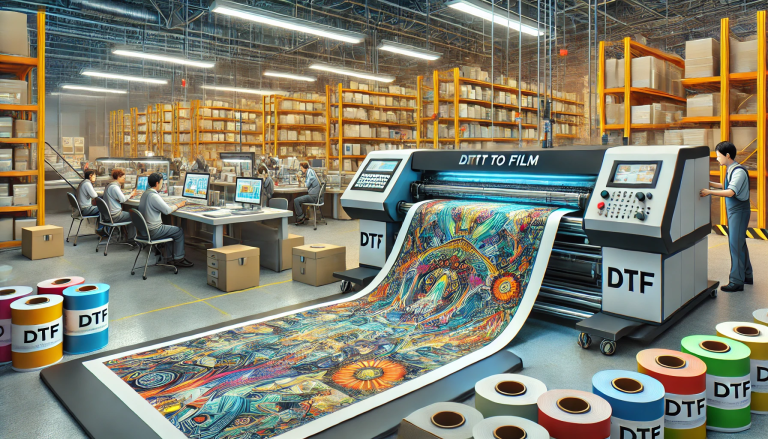
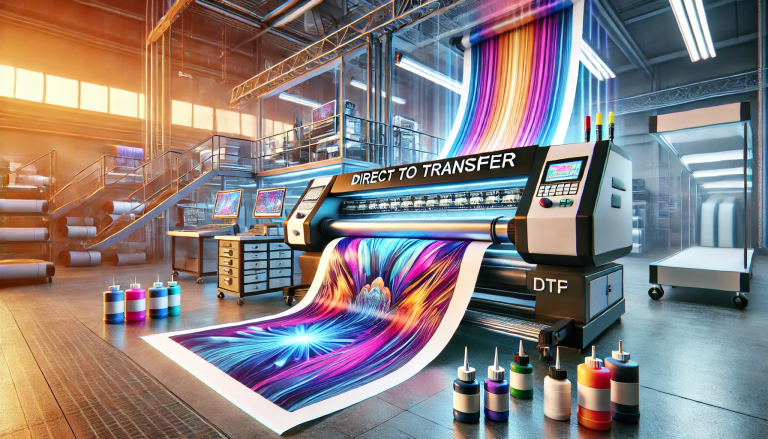
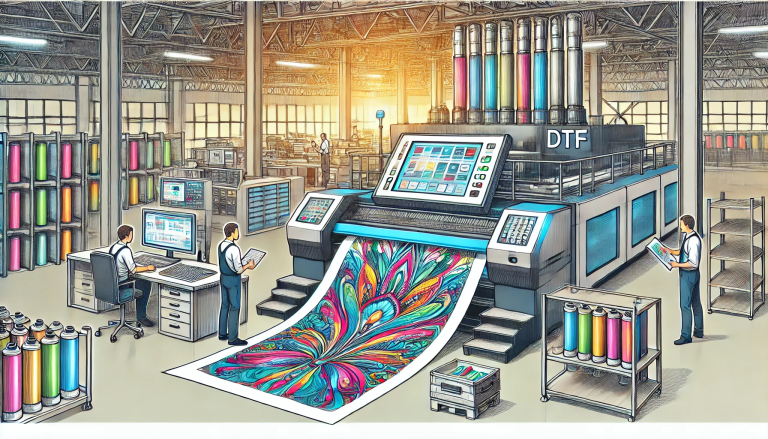
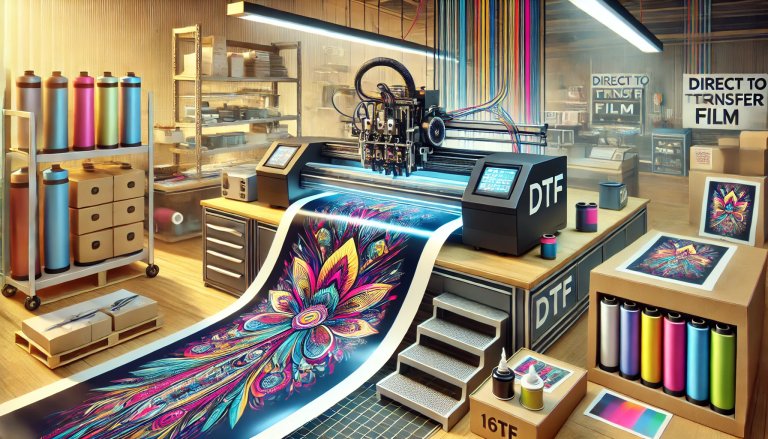
The operation of an impresora DTF PET Film Transfer follows a streamlined, four-step workflow that integrates printing, curing, powder coating, and transfer—all centered on optimizing PET film performance. Each stage is engineered to ensure the design bonds securely to the final substrate.
2.1 Pre-Print Preparation
First, the PET film is loaded into the printer, with alignment guides ensuring it feeds smoothly (PET film’s rigidity requires precise handling to avoid jamming). The digital design file (PNG, PSD, AI) is optimized for DTF printing—adjusting resolution (minimum 300 DPI) and color settings to match DTF inks’ properties. The printer’s software calibrates ink density to prevent over-saturation, which could compromise adhesion to the film.
2.2 Printing on PET Film
The printer deposits DTF inks onto the film’s receptive (matte) side—avoiding the glossy protective layer. Depending on the desired effect, it can print single or multiple layers: thin layers for flat designs, or stacked layers (up to 0.5mm) for 3D textural effects. UV-enabled DTF printers cure each ink layer instantly with built-in UV lamps, while water-based DTF printers require post-print drying to evaporate moisture.
2.3 Powder Coating and Curing
After printing, the PET film moves to a powder coating station (integrated or standalone). DTF adhesive powder is evenly sprinkled over the inked design, adhering to the wet ink. Excess powder is removed, and the film is cured—either via UV light (for UV DTF inks) or heat (160-170°C for 2-3 minutes) for water-based inks. This step melts the powder, forming a strong bond between the ink and adhesive layer.
2.4 Heat Transfer to Substrate
The prepped PET film is placed design-side down on the target surface (fabric, leather, plastic, etc.). A heat press (160-180°C, medium pressure, 15-20 seconds) activates the adhesive, transferring the design from the film to the substrate. The PET film is then peeled (hot or cold, per ink type), leaving a durable, flexible print that resists fading and peeling.
3. Key Features of a High-Quality Impresora DTF PET Film Transfer
Not all DTF PET film transfer printers are created equal. Premium models boast specific features that enhance performance, consistency, and versatility—critical for professional results.
3.1 PET Film Compatibility
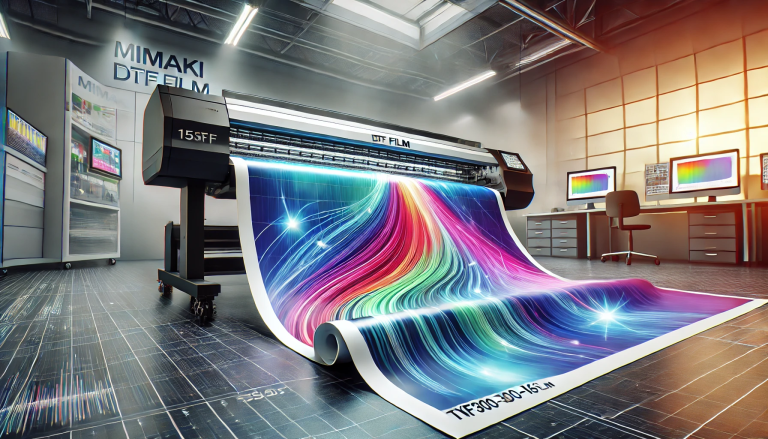
Top-tier printers support a wide range of PET film sizes (A4, A3, rolls up to 60cm width) and thicknesses (100-120 microns). They feature adjustable feed rollers to handle PET film’s rigidity without causing creases or tears, ensuring smooth, consistent printing across every sheet.
3.2 Ink Compatibility and Precision
They work seamlessly with UV-curable or water-based DTF inks, offering color accuracy and saturation. Advanced models include piezoelectric printheads (e.g., Epson) for precise ink droplet placement, enabling fine details, gradients, and photo-realistic designs. Some printers also support white ink printing—essential for opaque designs on dark substrates.
3.3 Integrated Curing and Powder Coating
Professional printers often include built-in UV curing lamps or drying systems, eliminating the need for separate equipment. High-end models may feature automated powder coating stations, ensuring even coverage and reducing waste—critical for large-scale production.
3.4 User-Friendly Controls and Durability
Intuitive touchscreen interfaces allow users to adjust settings (ink density, curing time, film feed) with ease. The printer’s construction is durable, with corrosion-resistant parts to handle DTF inks’ chemical properties, ensuring long-term reliability.
4. Applications of Impresora DTF PET Film Transfer
The versatility of the impresora DTF PET Film Transfer makes it a staple across multiple industries, supporting diverse printing projects from small-batch customization to large-scale production.
4.1 Textile Printing
It is widely used for custom clothing (t-shirts, hoodies, activewear), accessories (bags, caps), and home textiles (pillows, curtains). Its ability to print on cotton, polyester, blends, and delicate fabrics (silk) makes it ideal for fashion brands and hobbyists alike.
4.2 Hard Surface Customization
Beyond textiles, it customizes hard surfaces such as leather goods (wallets, shoes), plastic (phone cases, cosmetic jars), glass (bottles, coasters), and wood (coated furniture). This expands its use to luxury branding, promotional merchandise, and personalized gifts.
4.3 Small-Batch and On-Demand Production
Unlike screen printing, which requires expensive setup for small runs, the impresora DTF PET Film Transfer supports one-piece customization with no minimum order quantity. This makes it perfect for event souvenirs, personalized gifts, and niche market products (e.g.,非遗 derivatives, IP merchandise).
5. Advantages Over Alternative Printing Equipment
The impresora DTF PET Film Transfer outperforms traditional printing equipment in flexibility, efficiency, and cost-effectiveness—making it a preferred choice for modern printing needs.
Compared to sublimation printers, it works on all substrates (not just polyester) and creates 3D textures. Unlike screen printing machines, it eliminates制版 fees and setup time, reducing small-batch costs by 30%-50%. Compared to standard inkjet printers, it uses DTF-specific inks and PET film, delivering superior durability (50+ washes) and adhesion.
In conclusion, an impresora DTF PET Film Transfer is a specialized, versatile printer that simplifies high-quality customization across substrates. By leveraging DTF technology and PET film’s unique properties, it empowers businesses and crafters to create durable, vivid prints with minimal effort—solidifying its role as a game-changer in the digital printing industry.