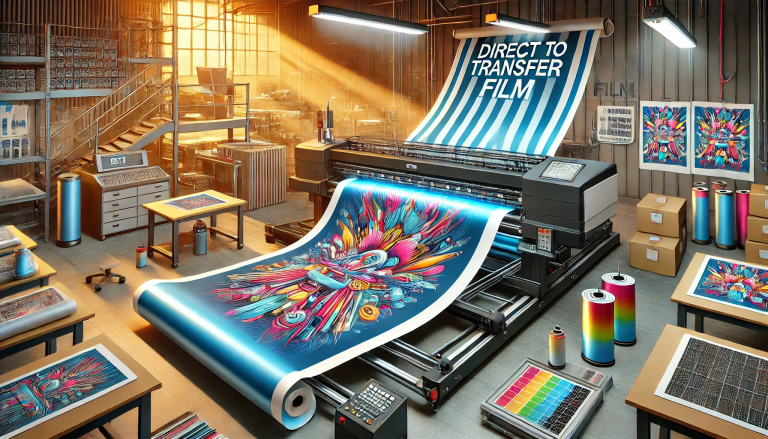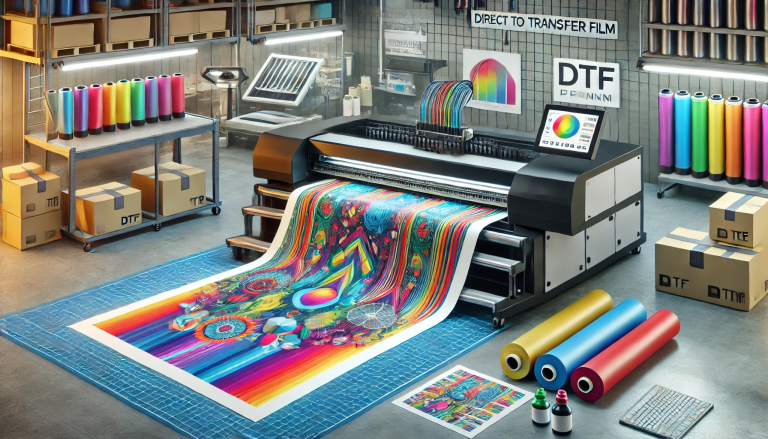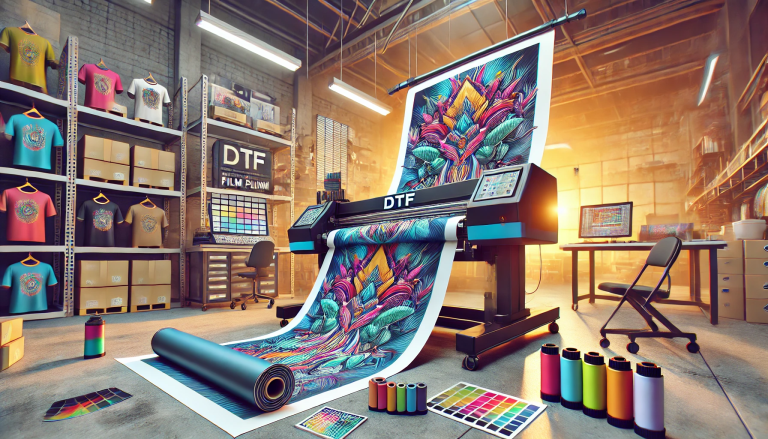
The digital transfer printing industry has witnessed relentless innovation in recent years, driven by the growing demand for high-quality, versatile, and cost-effective customization solutions. Among the latest breakthroughs, DTF (Direct-to-Film) technology has redefined the possibilities of on-demand printing, enabling creators and businesses to transfer intricate designs onto a wide array of substrates with ease. At the forefront of this technological evolution stands DTF Paper A3—a specialized medium that combines the advantages of DTF printing with the practicality of the A3 format. This article delves into the unique attributes, core benefits, technical nuances, and wide-ranging applications of DTF Paper A3, highlighting why it has emerged as a game-changer in the world of digital transfer printing.
Understanding DTF Paper A3: What Sets It Apart?
To appreciate the significance of DTF Paper A3, it is first essential to clarify its fundamental identity. DTF Paper A3 is a premium-grade transfer medium engineered specifically for DTF printing processes, adhering to the standard A3 dimensions (297mm × 420mm). Unlike traditional transfer papers or vinyls, DTF Paper A3 is designed to work in tandem with water-based DTF inks and hot-melt adhesives, creating a seamless bond between the printed design and the target substrate. What distinguishes it from other DTF paper sizes (such as A4 or roll formats) is its balance of versatility and productivity—offering enough space for detailed designs while remaining manageable for small to medium-scale production runs.
A key technical feature of DTF Paper A3 is its specialized coating. This coating is formulated to ensure optimal ink absorption, preventing bleeding or smudging during the printing process, while also facilitating easy release of the design during the heat transfer stage. Additionally, the paper’s thickness and tensile strength are calibrated to withstand the rigors of DTF printing—from feeding through digital printers to enduring heat and pressure in the heat press—without tearing or warping. These structural and chemical enhancements make DTF Paper A3 a reliable foundation for consistent, professional-quality prints.
Core Advantages of DTF Paper A3: Redefining Efficiency and Versatility
One of the most compelling benefits of DTF Paper A3 is its versatility across substrates. Unlike screen printing, which requires different setups for different materials, or heat transfer vinyl (HTV), which is limited to specific fabrics, DTF Paper A3 enables printing on a diverse range of surfaces. This includes cotton, polyester, blends, leather, canvas, synthetic fabrics, and even non-textile materials like wood, metal, and plastic (with appropriate pre-treatment). This versatility makes it an ideal solution for businesses catering to multiple industries—from apparel and fashion to promotional products and home décor.
Efficiency is another standout advantage of DTF Paper A3. The A3 format is well-suited for both small-batch customization and medium-scale production. For small businesses, crafters, or hobbyists, it eliminates the need for large roll formats (which can be costly and wasteful for small jobs). For medium-scale operations, it allows for the printing of multiple small designs on a single sheet, reducing material waste and increasing production throughput. Moreover, DTF Paper A3 works with most standard digital printers, eliminating the need for specialized, high-cost equipment—lowering the barrier to entry for businesses looking to adopt DTF technology.
Quality is where DTF Paper A3 truly shines. The combination of its specialized coating and compatibility with high-quality DTF inks results in vibrant, true-to-life colors and sharp, intricate details. Whether printing complex graphics, gradients, or fine text, the paper preserves the integrity of the design, ensuring that every element is reproduced accurately. Additionally, the hot-melt adhesive layer (applied during the DTF process) creates a strong, durable bond that is resistant to washing, fading, and wear. This durability is particularly critical for apparel and textile products, which need to maintain their appearance after repeated laundering.
Applications of DTF Paper A3: From Apparel to Promotional Products
The applications of DTF Paper A3 are vast and continue to expand as more businesses recognize its potential. In the apparel industry, it is widely used for custom t-shirts, hoodies, jackets, sportswear, and accessories (such as hats and bags). Its ability to print on both cotton and polyester blends makes it a favorite among fashion brands and custom apparel shops, which can now offer a wider range of designs without compromising on quality. For example, a small boutique can use DTF Paper A3 to create limited-edition graphic tees with intricate artwork, while a sportswear brand can print team logos on performance fabrics with ease.
Beyond apparel, DTF Paper A3 is making waves in the promotional products sector. It is used to customize items like mouse pads, keychains, phone cases, tote bags, and water bottles—products that are in high demand for corporate giveaways, event merchandise, and brand promotion. Its compatibility with non-textile substrates allows businesses to create cohesive, branded merchandise lines that stand out from the competition. Additionally, crafters and hobbyists use DTF Paper A3 to create personalized gifts, such as custom home décor items (pillows, wall art) and handmade accessories, leveraging its ease of use and high-quality results.
Best Practices for Maximizing Results with DTF Paper A3
To fully harness the potential of DTF Paper A3, adhering to best practices is essential. First and foremost, using high-quality DTF inks and hot-melt adhesives is critical—subpar materials can compromise print quality and adhesion. It is also important to calibrate the printer settings (such as ink density and print speed) to match the paper’s specifications, ensuring optimal ink absorption and preventing smudging. When it comes to heat transfer, maintaining the correct temperature and pressure is key: typical settings range from 140°C to 160°C (284°F to 320°F) and 3 to 5 kg/cm² of pressure, depending on the substrate. Finally, allowing the printed design to cool slightly (for 10 to 30 seconds) before peeling the paper ensures a clean, smooth transfer without damaging the design.
The Future of Digital Transfer Printing: DTF Paper A3’s Role
As the demand for custom, on-demand products continues to grow, DTF Paper A3 is poised to play an increasingly pivotal role in the digital transfer printing industry. Its unique combination of versatility, efficiency, and quality addresses the key pain points of traditional printing methods, making it an attractive option for businesses of all sizes. Moreover, as DTF technology continues to evolve—with advancements in inks, adhesives, and printers—DTF Paper A3 is likely to become even more capable, enabling new applications and pushing the boundaries of what is possible in custom printing.
In conclusion, DTF Paper A3 represents a revolutionary leap in digital transfer technology. It empowers creators and businesses to bring their designs to life on a wide range of substrates, with unmatched efficiency and quality. Whether for small-batch crafts, medium-scale production, or branded merchandise, DTF Paper A3 is more than just a printing medium—it is a catalyst for innovation, enabling businesses to meet the ever-changing demands of the custom printing market. As the industry continues to embrace DTF technology, DTF Paper A3 will undoubtedly remain at the forefront, shaping the future of digital transfer printing for years to come.