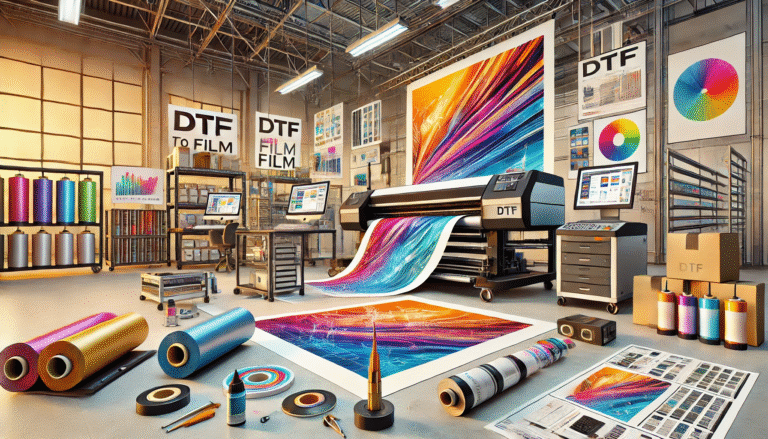
“Transfer Your Designs with Ease – Is DTF Digital Transfer Paper the Best Choice?” -MAXDTF- DTF Film double-sided Manufacturer, DTF Film A2 Factory, Made in china
When it comes to custom textile and surface printing, two popular solutions stand out: DTF Digital Transfer Paper and Vinyl (heat transfer vinyl, HTV). Both methods enable personalized designs, but they differ significantly in composition, workflow, performance, and suitability for various projects. The question of which is “better” depends on specific needs—such as design complexity, material compatibility, and production scale. This article compares the two technologies, highlighting their pros, cons, and ideal use cases to help you make an informed choice.
1. Core Definitions: DTF Digital Transfer Paper vs. Vinyl
To understand their differences, it’s essential to first clarify what each product is and how it works.
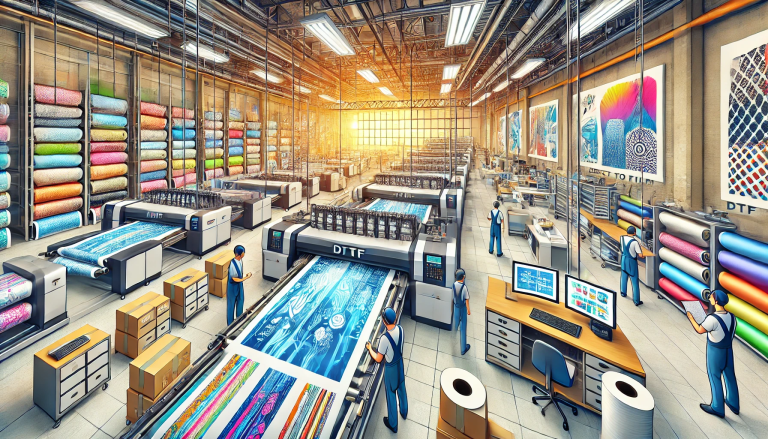
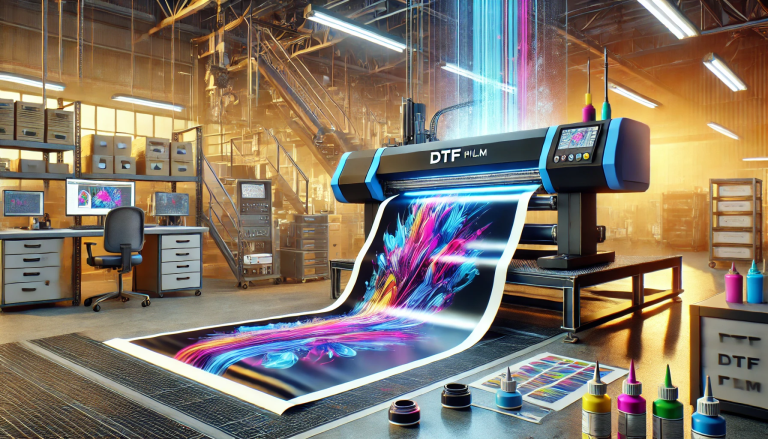
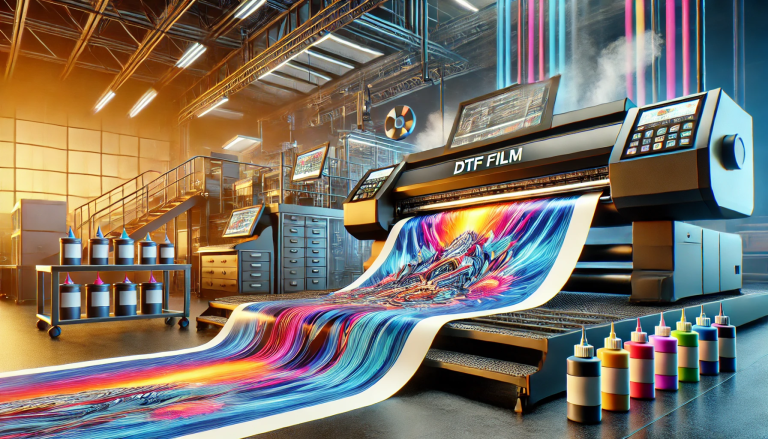
DTF Digital Transfer Paper is a PET-based medium designed for Direct-to-Film printing. It uses DTF-specific inks to print designs directly onto the paper’s receptive coating, followed by adhesive powder coating and curing. The prepped paper is then heat-pressed onto a surface, transferring the design via melted adhesive. It is a digital printing method that supports full-color, high-resolution graphics without physical material cutting.
Vinyl (HTV) is a plastic-based material (typically PVC or polyurethane) available in solid colors, patterns, or specialty finishes (glitter, matte). It requires cutting the design from the vinyl sheet (via a cutting machine), weeding out excess material, and heat-pressing the remaining design onto the surface. Vinyl relies on the material’s inherent adhesiveness, activated by heat, to bond with fabrics or other surfaces.
2. Key Differences in Performance and Workflow
The most notable distinctions lie in their workflow complexity, design capabilities, and durability—factors that directly impact user experience and project outcomes.
2.1 Design Flexibility
DTF Digital Transfer Paper excels at complex designs. It supports full-color gradients, fine details (e.g., small text, intricate patterns), and photo-realistic prints, as it leverages digital inkjet technology. There’s no need for weeding, making it ideal for designs with multiple cutouts or delicate elements that would be tedious to handle with vinyl.
Vinyl is limited by its physical cutting process. It works best for simple designs—solid shapes, bold text, or basic logos. Complex designs with fine details or gradients require layered vinyl (multiple sheets for different colors), which increases production time and risk of misalignment. Specialty vinyl (e.g., holographic) adds visual appeal but still lacks the color depth of DTF prints.
2.2 Workflow and Production Efficiency
DTF Digital Transfer Paper offers a streamlined workflow for small-batch or custom prints. After designing, the process involves printing, powder coating, curing, and heat transfer—all of which can be automated with professional equipment. For users ordering pre-made custom DTF sheets, the workflow is even simpler: just heat-press and peel. It eliminates weeding, a time-consuming step in vinyl printing.
Vinyl printing requires more manual labor. After designing, users must cut the vinyl, weed excess material (removing parts not part of the design), and align layers (for multi-color designs) before heat-pressing. This makes vinyl slower for complex or small-batch projects but more efficient for large runs of simple designs (e.g., team uniforms with basic logos).
2.3 Durability and Wash Resistance
DTF Digital Transfer Paper delivers strong durability when used with quality materials. Prints typically last 50-100 washes without fading, peeling, or cracking, as the adhesive powder creates a tight bond between ink and fabric fibers. It performs well on both natural and synthetic fabrics, maintaining flexibility even on stretchy materials like spandex.
Vinyl durability varies by material: polyurethane (PU) vinyl is softer and more flexible, lasting 50+ washes, while PVC vinyl is stiffer and may crack or peel over time, especially on stretchy fabrics. Vinyl prints are prone to edge lifting if not pressed correctly, and excessive friction (e.g., scrubbing during washing) can damage the surface layer.
3. Material Compatibility
Both methods work on a range of surfaces, but their compatibility with different materials differs significantly.
DTF Digital Transfer Paper is highly versatile, working with cotton, polyester, blends, leather, canvas, plastic, and even wood (coated). It adapts to various fabric weights and textures, from lightweight t-shirts to heavy denim, without compromising bond strength or design quality. This versatility makes it suitable for both textile and non-textile projects.
Vinyl is primarily designed for textiles—cotton, polyester, and blends—but performs best on smooth, medium-weight fabrics. It struggles with rough or textured surfaces (e.g., fleece, canvas) as the adhesive cannot fully bond with uneven fibers. Vinyl is also less compatible with non-textile surfaces, requiring specialty adhesive vinyl (not HTV) for materials like plastic or metal.
4. Cost Considerations
Cost efficiency depends on production scale and equipment access, with each method offering advantages in different scenarios.
DTF Digital Transfer Paper has higher upfront costs if investing in equipment (DTF printer, curing oven, heat press), making it less accessible for hobbyists. However, for small-batch or custom prints, pre-made custom DTF sheets eliminate equipment costs and reduce waste from trial runs. The cost per unit decreases with larger batches but remains competitive for low-volume projects.
Vinyl has lower upfront costs—basic setups require a cutting machine and heat press, which are more affordable than DTF equipment. Vinyl sheets are cost-effective for large runs of simple designs, as the material is inexpensive and production is repeatable. However, the cost increases with multi-color designs (needing multiple vinyl sheets) and manual labor for weeding.
5. Which Is Better for Your Project?
The choice between DTF Digital Transfer Paper and Vinyl hinges on your project requirements:
Choose DTF Digital Transfer Paper if: You need complex, full-color designs; work with diverse materials (textile and non-textile); prioritize flexibility and durability; or handle small-batch/custom projects. It’s ideal for businesses or hobbyists creating personalized gifts, branded merchandise with intricate logos, or niche prints on unique surfaces.
Choose Vinyl if: You’re printing simple, single/multi-color designs; focus on large runs of textiles; have a limited budget for equipment; or need specialty finishes (glitter, matte). It’s perfect for team uniforms, event t-shirts, or basic promotional items where design complexity is not a priority.
In conclusion, neither DTF Digital Transfer Paper nor Vinyl is universally “better”—they excel in different scenarios. DTF offers superior design flexibility, versatility, and durability for complex projects, while Vinyl is cost-effective and efficient for simple, high-volume textile prints. By aligning the method with your project goals, you can achieve professional, long-lasting results.