“Bringing Your Designs to Life with DTF Digital Transfer Film Vinyl!” -MAXDTF- impresora DTF PET Film Transfer Supplier, Transfer Film DTF Manufacturer, Made in china
Direct-to-Film (DTF) digital transfer film and vinyl are both popular methods for customizing products, but they are fundamentally different in terms of their materials, processes, and applications. Understanding these differences is essential for businesses that want to choose the right customization method for their needs. In this article, we’ll explore whether DTF digital transfer film is the same as vinyl and highlight the key differences between the two.
What is DTF Digital Transfer Film?
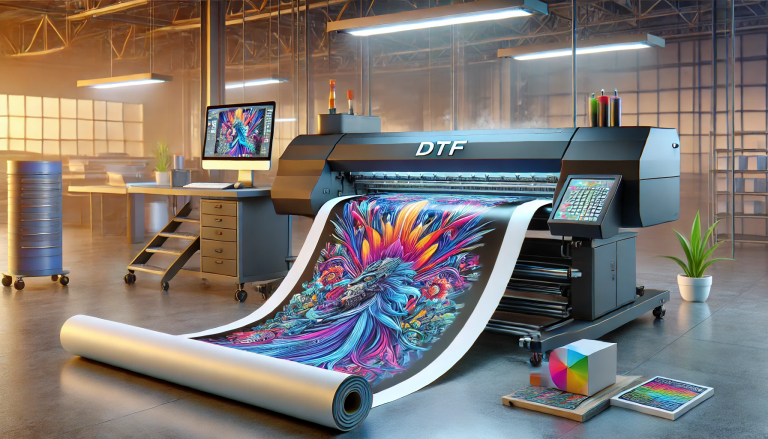
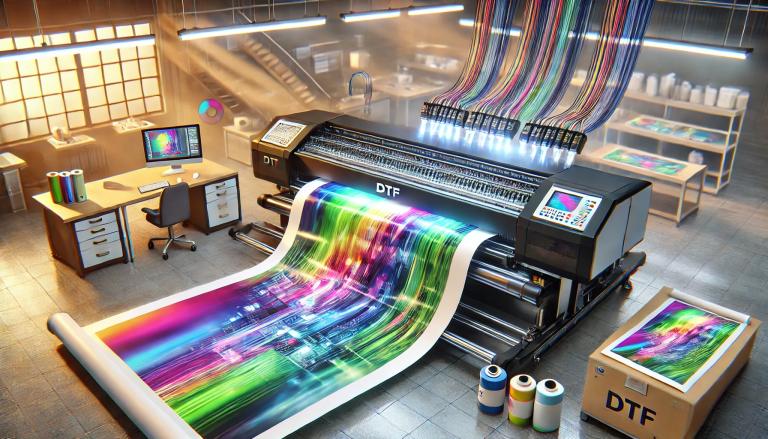
DTF digital transfer film is a modern printing technology used for creating custom designs on various surfaces, including textiles, plastics, and paper. The process involves the following steps:
- Printing: A digital printer applies the design onto a special adhesive PET film using inkjet technology.
- Spraying: A powdered adhesive is sprayed onto the printed film to lock the ink in place and prepare it for transfer.
- Heat Press: The film is then placed on the target material and heat-pressed, transferring the design onto the surface.
Key features of DTF digital transfer film:
- Digital printing: Uses inkjet technology to create detailed, high-resolution designs.
- Adhesive PET film: Acts as a medium for transferring the design to the final product.
- Versatility: Suitable for a wide range of materials, including fabrics, plastics, and paper.
- Quick turnaround: Ideal for small to medium-sized orders with fast production times.
What is Vinyl?
Vinyl is a type of adhesive material commonly used for customizing products like apparel, signs, and stickers. The process involves the following steps:
- Cutting: A vinyl cutter slices the vinyl sheet into the desired design or lettering.
- Weeding: The unwanted parts of the vinyl (the “negative space”) are manually removed.
- Application: The vinyl is transferred onto the target surface using a squeegee or heat press.
Key features of vinyl:
- Adhesive material: Made from polyvinyl chloride (PVC) with a pressure-sensitive adhesive backing.
- Durability: Extremely durable, with resistance to water, UV light, and abrasion.
- Limited design flexibility: Best suited for solid colors, bold graphics, and simple designs.
- Ideal for large-scale production: Suitable for high-volume orders and long-term applications.
Key Differences Between DTF Digital Transfer Film and Vinyl
- Material
- DTF Digital Transfer Film: Uses a PET film as the medium for transferring ink, which is then heated to bond the design to the surface.
- Vinyl: Made from a PVC material with adhesive backing, which is cut into the desired shape and applied directly to the surface.
- Process
- DTF Digital Transfer Film: Involves digital printing, adhesive spraying, and heat pressing for the transfer.
- Vinyl: Involves cutting the vinyl sheet, weeding out unwanted parts, and manually applying the design.
- Design Flexibility
- DTF Digital Transfer Film: Offers high design flexibility, allowing for intricate details, gradients, and photo-realistic images.
- Vinyl: Limited to solid colors and simple designs, as the process involves cutting the vinyl into shapes.
- Applications
- DTF Digital Transfer Film: Ideal for customizing textiles (e.g., t-shirts, hoodies) and other materials where a detailed finish is required.
- Vinyl: Best suited for signs, decals, vehicle wraps, and apparel with bold, durable graphics.
- Durability
- DTF Digital Transfer Film: While durable, the design may not hold up as well against heavy abrasion or prolonged exposure to water compared to vinyl.
- Vinyl: Known for its exceptional durability, especially in outdoor environments and high-wear applications.
- Cost
- DTF Digital Transfer Film: More cost-effective for small to medium-sized orders due to its digital printing process, which avoids setup costs.
- Vinyl: More economical for high-volume orders and long-term applications, though the initial setup for cutting and weeding can be time-consuming.
When to Use DTF Digital Transfer Film
- For intricate designs with gradients, fine details, or photo-realistic images.
- For applications on textiles, plastics, or paper that require precision and high-quality print.
- For small to medium-sized orders where quick turnaround is essential.
- When a detailed and vibrant finish is required.
When to Use Vinyl
- For bold, solid-color designs with minimal gradients or fine details.
- For durable, long-lasting applications like vehicle wraps, signs, or promotional items.
- For high-volume orders where cost efficiency and durability are priorities.
- When resistance to water, UV light, and abrasion is required.
Conclusion
DTF digital transfer film and vinyl are two distinct customization methods with their own unique advantages and applications. DTF digital transfer film is ideal for detailed, high-resolution designs and versatile applications, while vinyl excels in durability and cost-effectiveness for bold, long-lasting graphics. While they share similarities in terms of customization, the choice between the two depends on the specific needs of the project, including design complexity, application type, and desired durability. By understanding these differences, businesses can make informed decisions and choose the method that best suits their goals.