“Feel the Difference with Does DTF Film Hot Peel – The Vinyl Alternative!” -MAXDTF- DTF Film roll Factory, DTF Film sheets 8.5 x 11 Supplier, Made in china
Digital Textile Printing (DTF) has revolutionized the way we approach custom apparel and fabric printing. One of the key components of DTF printing is the use of DTF film, particularly the hot peel variety. But a common question among those new to this technology is whether DTF film hot peel feels like vinyl. In this article, we’ll explore the similarities and differences between the two materials, and help you understand the tactile experience of DTF film hot peel.
Understanding DTF Film Hot Peel
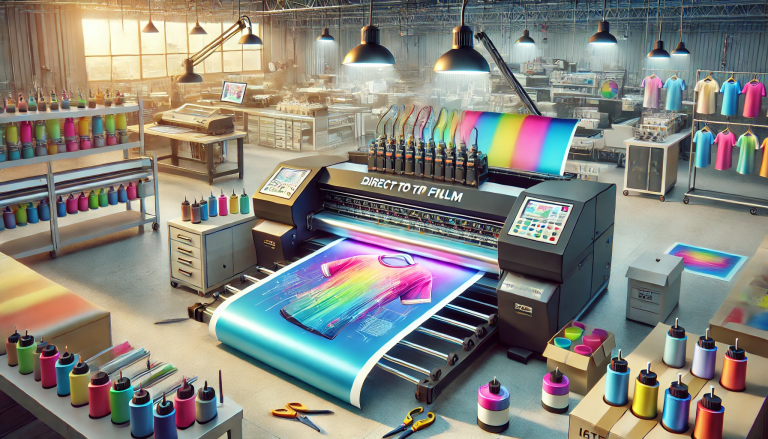
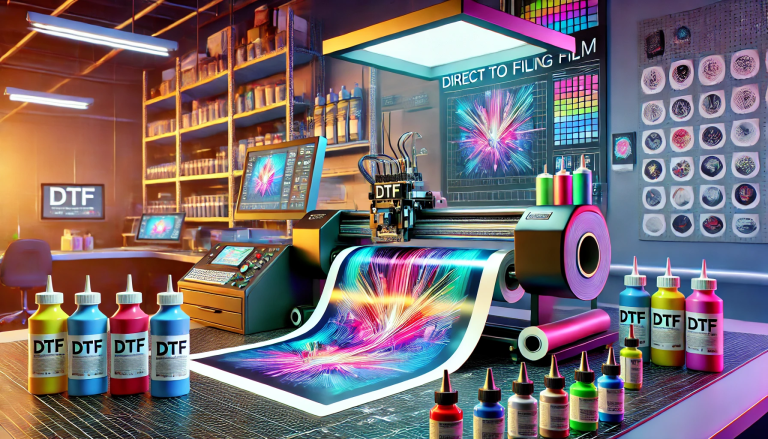
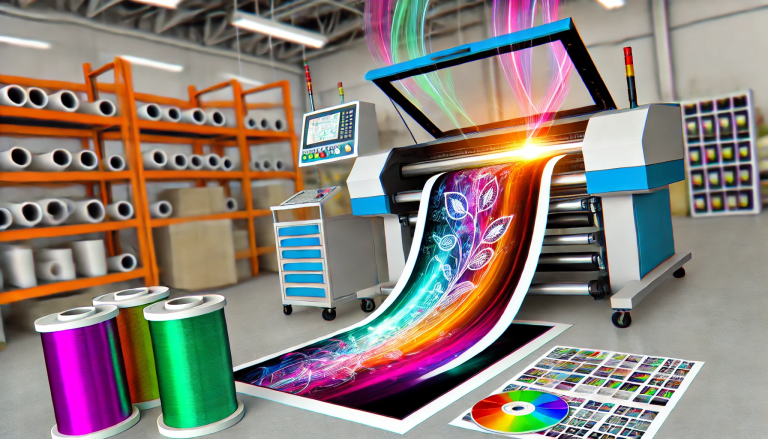
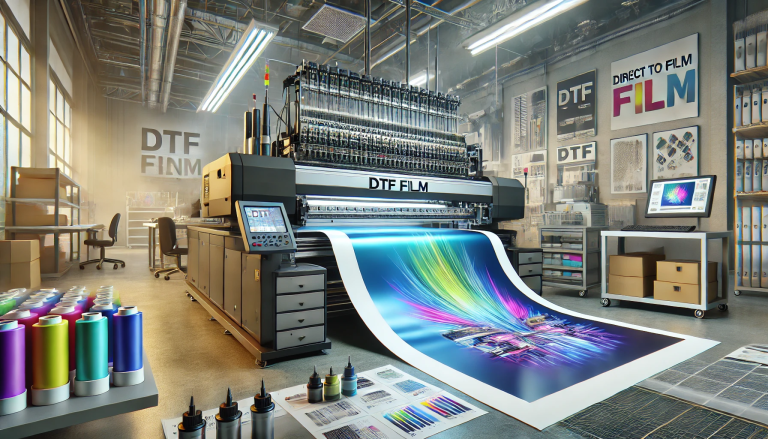
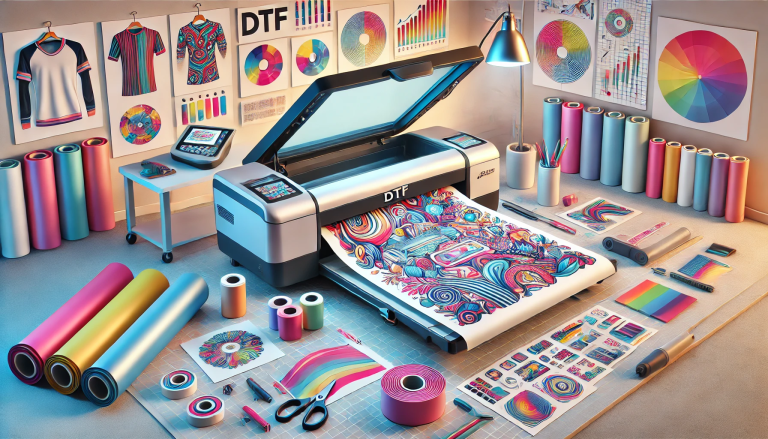
DTF film hot peel is a specialized material used in the DTF printing process. It consists of a layer of adhesive powder that is applied to a transfer film. After printing, the film is heated, causing the adhesive powder to melt and bond with the fabric. The “hot peel” aspect refers to the process of removing the transfer film while the adhesive is still warm, allowing for easier separation and a smoother application.
Comparing DTF Film Hot Peel to Vinyl
Vinyl has long been a popular material for heat transfer printing. It’s known for its durability, flexibility, and ease of application. Vinyl transfers are typically cut using a plotter and then applied to garments using heat and pressure.
When it comes to the feel of DTF film hot peel compared to vinyl, there are some similarities and differences:
Similarities:
- Flexibility: Both DTF film hot peel and vinyl are flexible materials that can be easily applied to various fabrics. This flexibility allows for a smooth transfer onto curved or irregular surfaces.
- Durability: Both materials are known for their durability, especially when applied to T-shirts, hoodies, and other garments. They can withstand multiple washes without significant cracking or peeling.
- Heat Application: Both DTF film hot peel and vinyl require heat to adhere to the fabric. The heat activation ensures a strong bond between the transfer and the garment.
Differences:
- Texture: Vinyl tends to have a more plasticky feel once applied, which can sometimes be noticeable, especially on dark fabrics. On the other hand, DTF film hot peel is known for its softness. The adhesive powder melts into the fabric, creating a more fabric-like feel that is less noticeable.
- Opacity: Vinyl is typically more opaque, making it a popular choice for printing on dark fabrics. DTF film hot peel can also achieve good opacity, but it may require a slightly different process to ensure the colors remain vibrant on darker materials.
- Application Process: The application process for vinyl involves cutting the design on a plotter and then applying it to the garment. DTF film hot peel, on the other hand, involves printing the design directly onto the transfer film, followed by the hot peel process. This makes DTF more versatile for complex designs and gradients.
Which Feels Better?
Whether DTF film hot peel or vinyl feels better largely depends on personal preference and the specific application. If you prioritize a softer, more fabric-like feel, DTF film hot peel is likely the better option. On the other hand, if you need a more durable, opaque transfer for intricate designs, vinyl might be the way to go.
Conclusion
DTF film hot peel and vinyl have their own unique characteristics, and while they share some similarities, they also have distinct differences. DTF film hot peel offers a softer, more fabric-like feel compared to vinyl, but vinyl excels in durability and opacity. Understanding these differences can help you make an informed decision when choosing between the two for your custom printing projects.
Ultimately, the choice between DTF film hot peel and vinyl will depend on your specific needs, the type of garments you’re working with, and the look and feel you want to achieve. Both options have their place in the world of heat transfer printing, and each can deliver outstanding results when used correctly.