“What Does It Mean to Direct to Transfer?” -MAXDTF- Direct to Transfer UV DTF Film Manufacturer, UV DTF Printing Film Wholesale, Made in China
In the realm of custom printing, “Direct to Transfer” (often linked to Direct-to-Film, or DTF) has emerged as a transformative term, yet its meaning extends beyond a simple process description. It represents a shift from rigid, substrate-specific printing to a flexible, adaptable method that bridges design and application. To truly understand “Direct to Transfer,” we must explore its core definition, technical mechanics, and the value it brings to creators and businesses alike.
Defining Direct to Transfer: Beyond the Jargon
At its most basic, “Direct to Transfer” refers to a printing technique where designs are first printed onto a temporary carrier (typically a specialized film or paper) before being transferred onto a final substrate—such as fabric, metal, glass, or plastic. Unlike Direct-to-Garment (DTG) printing, which applies ink directly to fabric, or screen printing, which uses stencils, this method uses the carrier as an intermediary to ensure precision and versatility. The “direct” in the term emphasizes that the design is created specifically for transfer, with inks and materials engineered to bond seamlessly with both the carrier and the end product. It’s a middle ground that combines the control of indirect printing with the efficiency of direct application.
The Technical Heart of Direct to Transfer: How It Works
The magic of Direct to Transfer lies in its layered, science-backed process—one that balances ink chemistry, heat, and pressure. Here’s a breakdown of its key technical steps:
1. Carrier Preparation: The Foundation of Precision
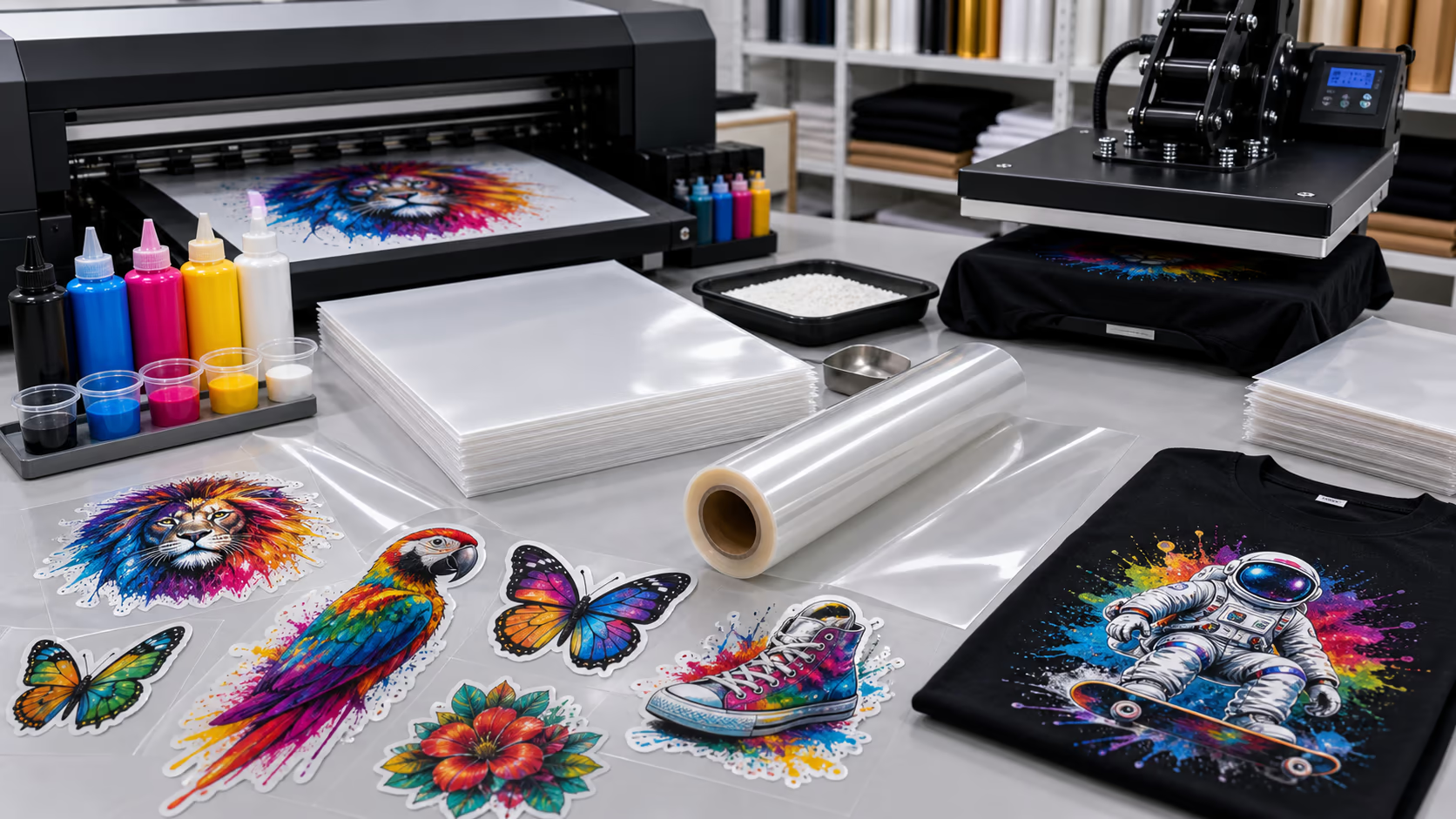
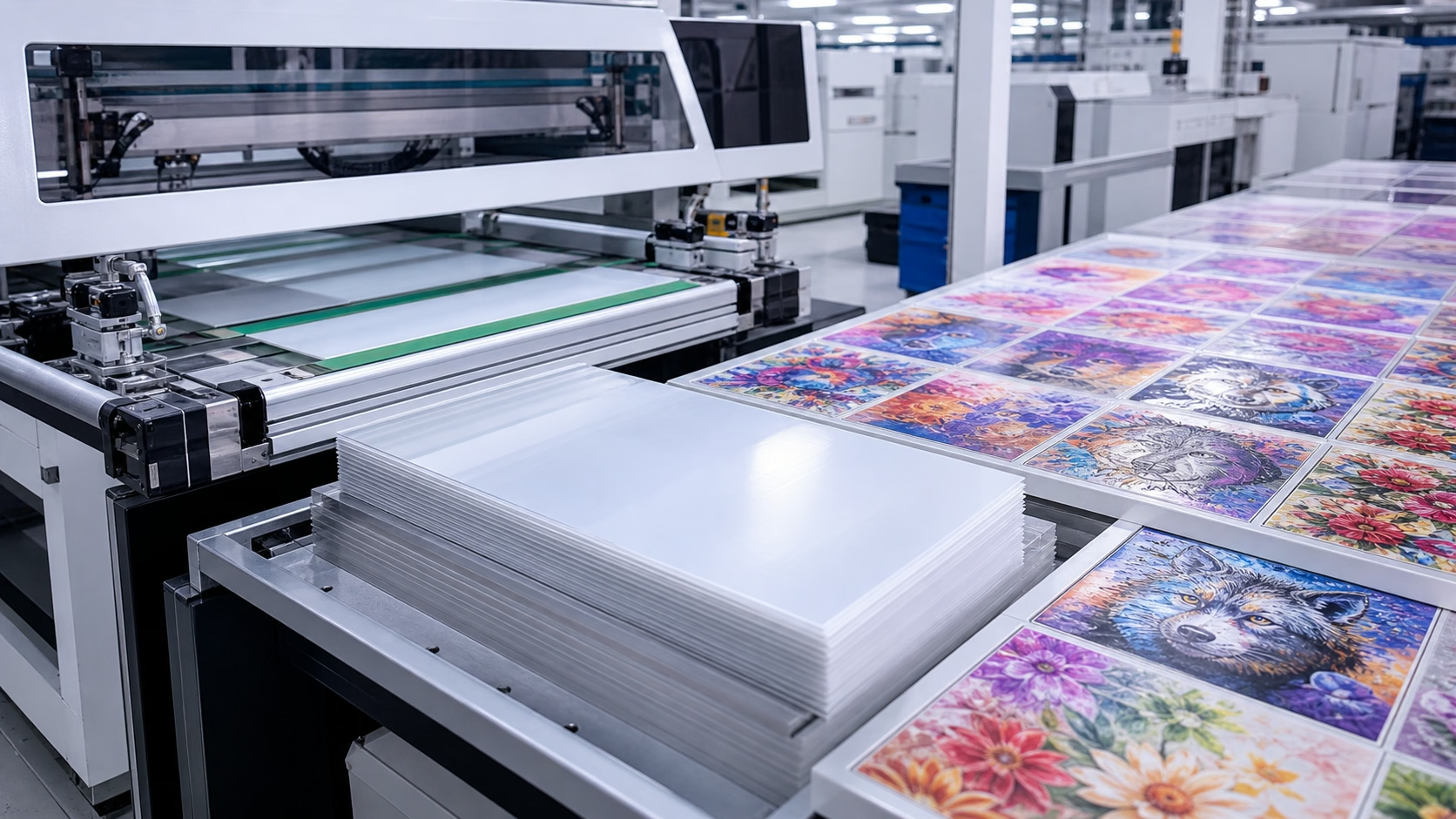
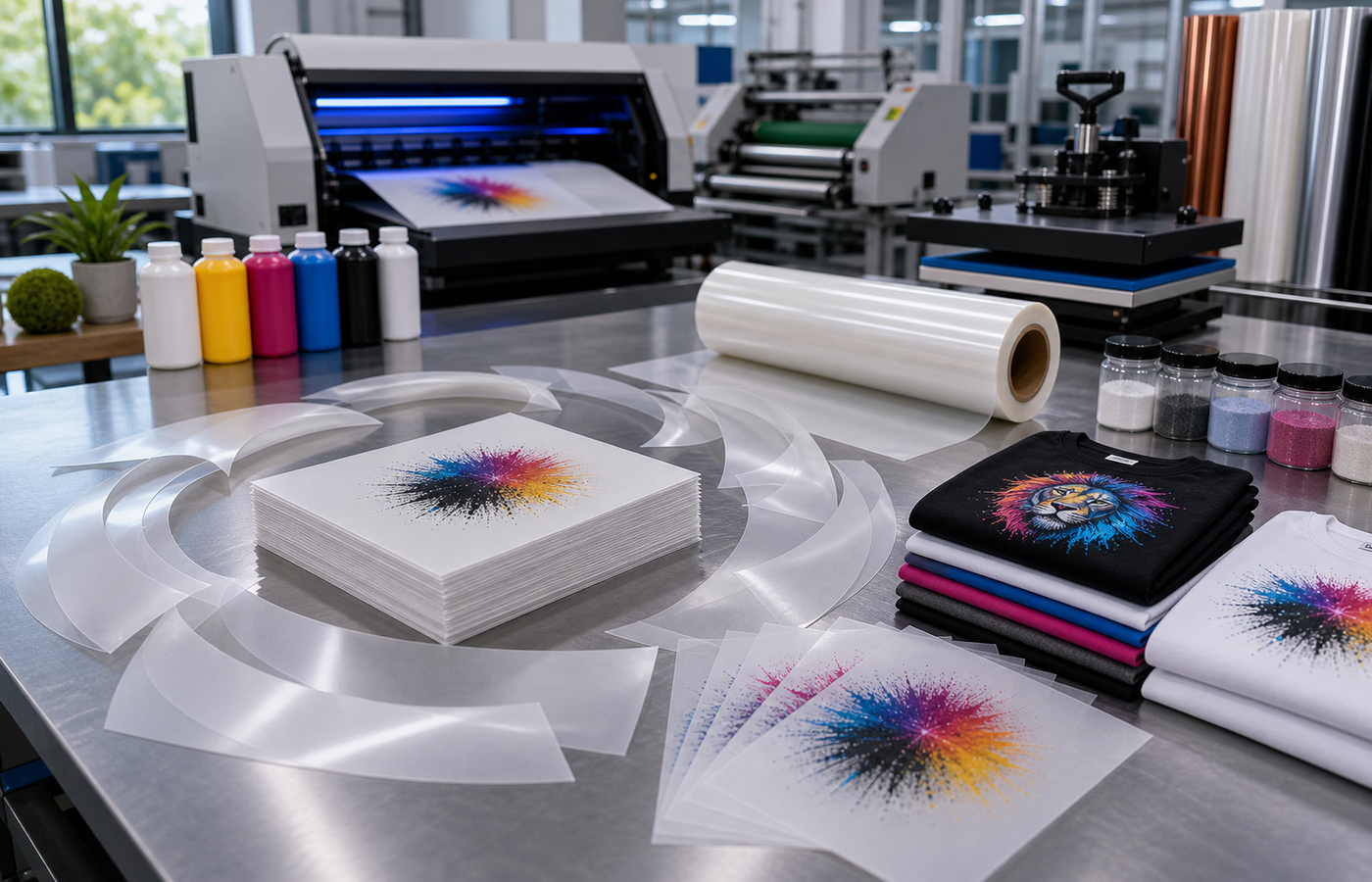
The process starts with a high-quality transfer carrier, often A3 DTF film for medium-scale projects. This film is coated with a temporary adhesive layer that holds ink during printing and releases it cleanly during transfer. The coating’s composition is critical: it must be porous enough to absorb ink but strong enough to prevent smudging before transfer.
2. Design Printing: Ink Layering for Vibrancy
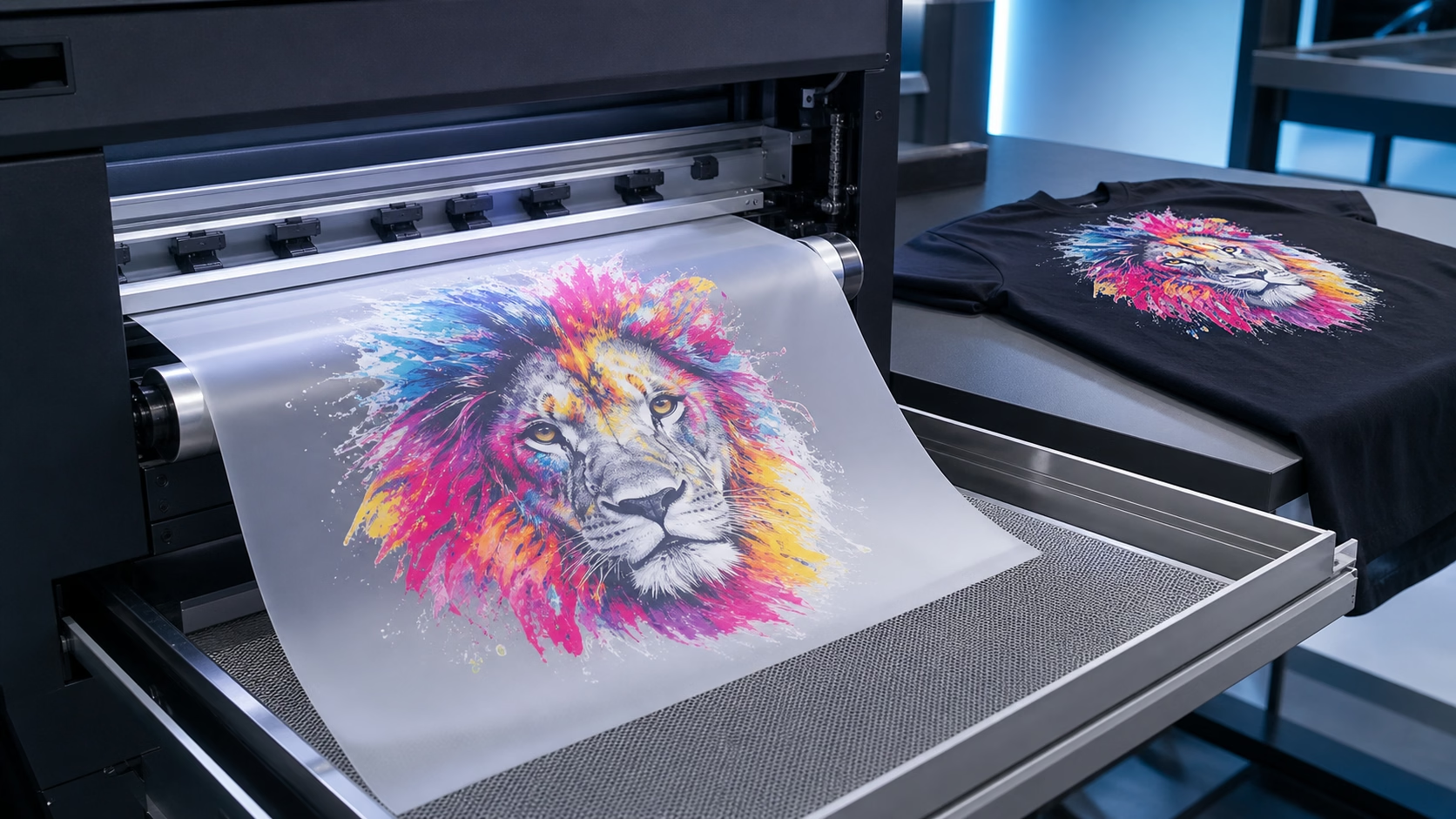
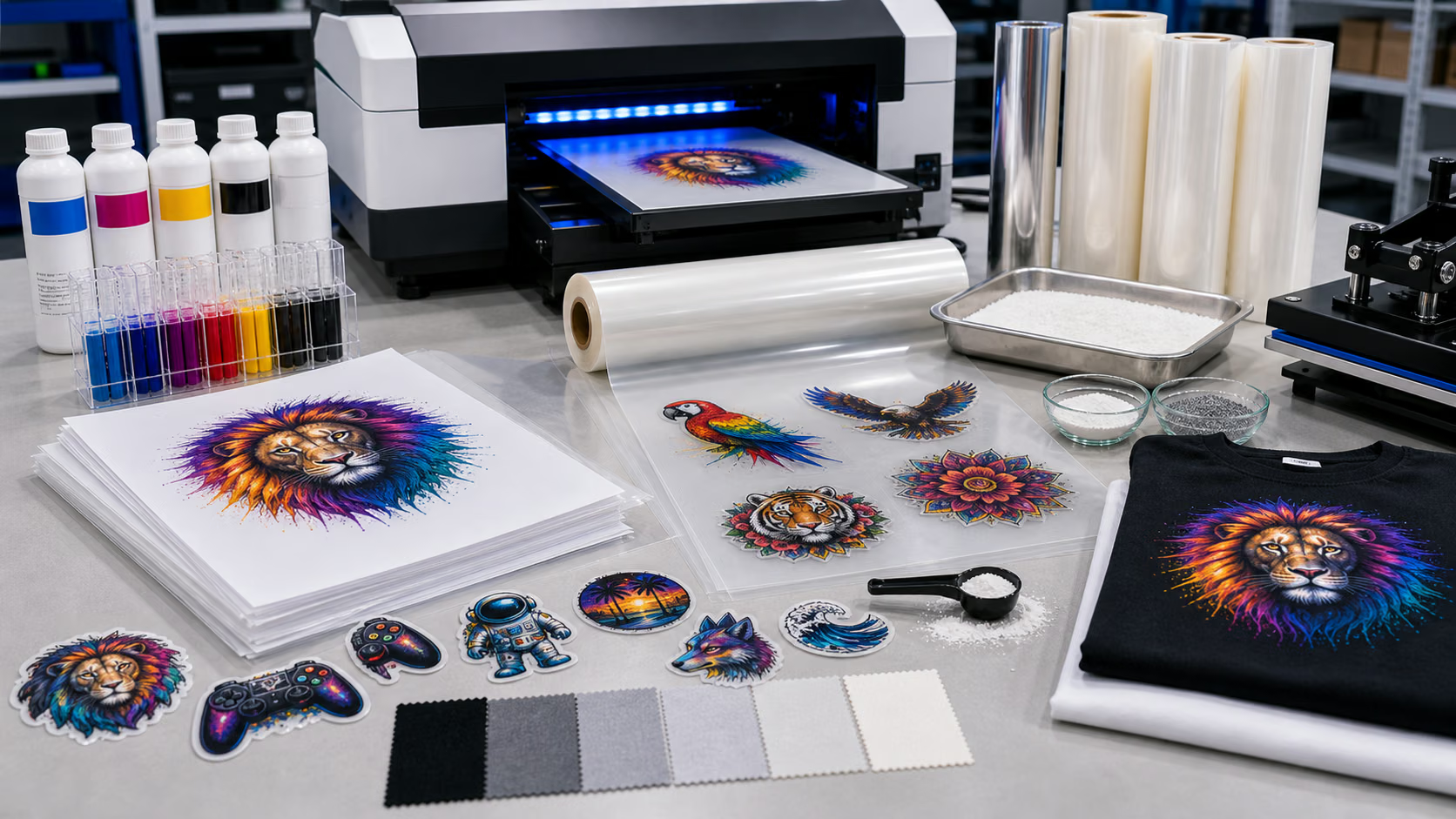
A specialized printer deposits DTF-specific inks onto the carrier. Unlike traditional inks, DTF inks are formulated to bond with both the carrier’s coating and the final substrate. For dark or opaque materials, a white ink base is printed first—this acts as a “canvas” to make brighter colors pop. The printer applies inks in precise layers (white first, then CMYK) to create crisp, detailed designs that retain their vibrancy post-transfer.
3. Adhesive Bonding: Powder for Durability
Immediately after printing, while the ink is wet, hot-melt powder is applied to the design. This powder adheres to the ink, forming a flexible, heat-activated bond. Excess powder is removed, and the carrier is cured in an oven (160–180°C) for 2–3 minutes. Curing melts the powder into a smooth layer that encapsulates the ink, ensuring it doesn’t fade or peel once transferred.
4. Final Transfer: Heat and Pressure Unite Design and Substrate
The cured carrier is placed (design side down) on the target substrate. A heat press (set to 180–200°C) applies pressure for 10–15 seconds, activating the adhesive and transferring the design from the carrier to the substrate. The carrier is then peeled away, leaving a durable, vibrant design that conforms to the substrate’s texture—whether it’s a cotton t-shirt, a metal water bottle, or a glass jar.
Why Direct to Transfer Matters: Versatility and Value
The true meaning of Direct to Transfer lies in its ability to solve longstanding challenges in custom printing. For small businesses and hobbyists, it eliminates the need for expensive, substrate-specific equipment—one setup can handle fabric, hard goods, and everything in between. For large brands, it enables on-demand production, reducing waste from overstocked printed merchandise. Its versatility also shines in customization: it works with complex designs (photographs, gradients) that are difficult to replicate with screen printing, and it adheres to substrates that DTG printing can’t handle (like leather or acrylic).
Direct to Transfer vs. Similar Technologies: Clarifying the Differences
To avoid confusion, it’s important to distinguish Direct to Transfer (DTF) from similar methods. Unlike heat transfer vinyl (HTV), which requires cutting designs from pre-colored vinyl, DTF uses ink to create full-color designs, offering more creative freedom. It’s also more durable than traditional paper transfers, which often crack or fade after washing. Compared to DTG, DTF doesn’t require pre-treating fabric, making it faster and more cost-effective for small batches. In short, Direct to Transfer combines the best aspects of other methods while minimizing their limitations.
Conclusion: Direct to Transfer as a Creative Enabler
So, what does “Direct to Transfer” really mean? It’s more than a printing process—it’s a tool that empowers creators to bring their designs to life on almost any surface, without compromising on quality or cost. It’s the bridge between a digital design file and a tangible product, leveraging science (ink chemistry, heat activation) and art (color theory, design precision) to make customization accessible to everyone. Whether you’re a small business printing branded merchandise or a hobbyist creating personalized gifts, Direct to Transfer represents a shift toward flexibility, creativity, and efficiency—a revolution in how we turn ideas into tangible, vibrant products.