“Exploring UV DTF: A Revolutionary Approach to Direct-to-Film Printing” -MAXDTF- UV Magic Paper Supplier, UV DTF Printing Film Manufacturer, Made in China
Direct-to-Film (DTF) printing has emerged as a transformative technology in the world of textile printing. Among the various methods, UV DTF printing stands out as a revolutionary approach that combines the precision of digital printing with the durability of UV curing. This article delves into the intricacies of UV DTF printing, exploring its unique advantages, applications, and the future potential of this cutting-edge technology.
Understanding UV DTF Printing
What is DTF Printing?
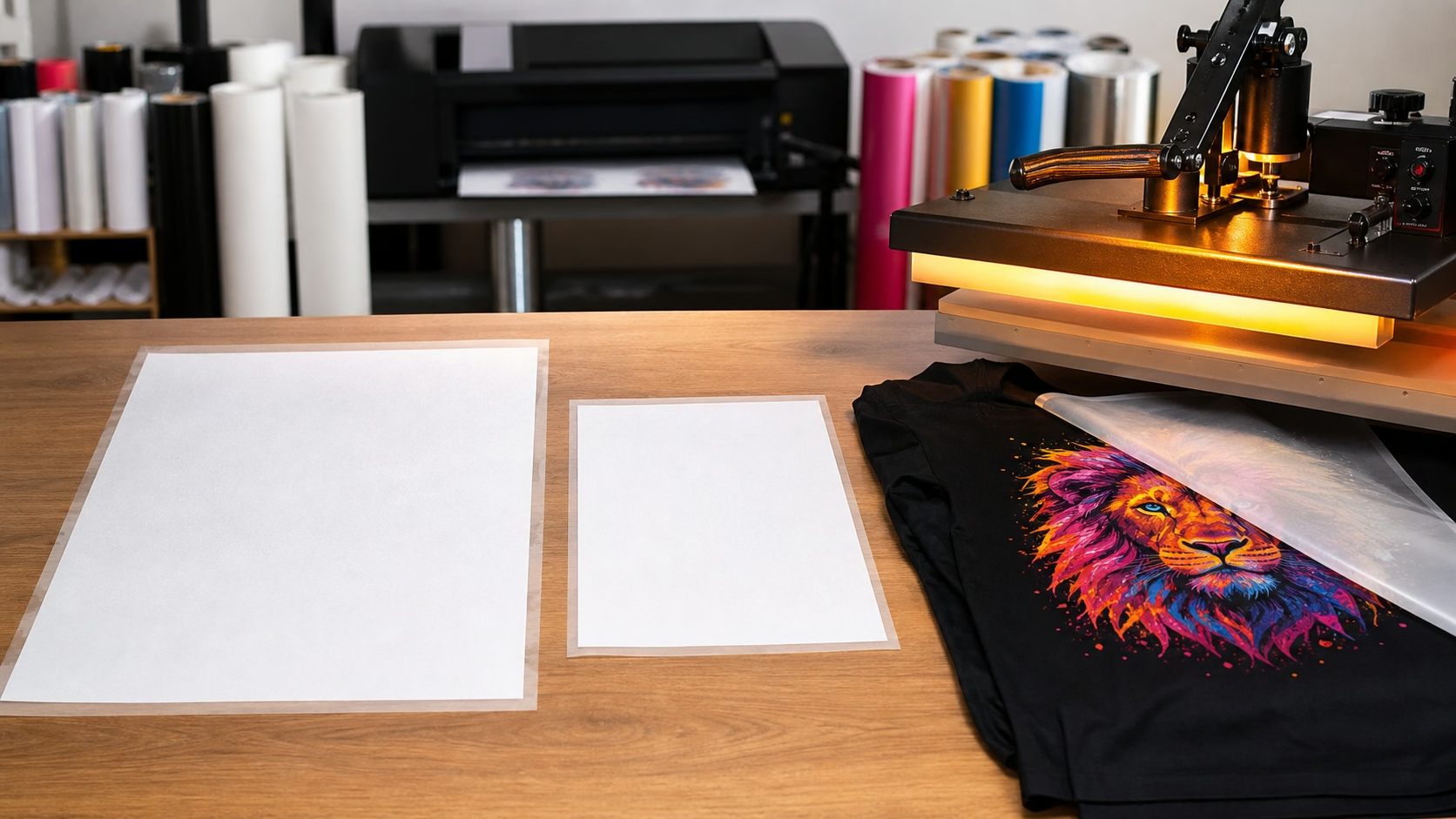
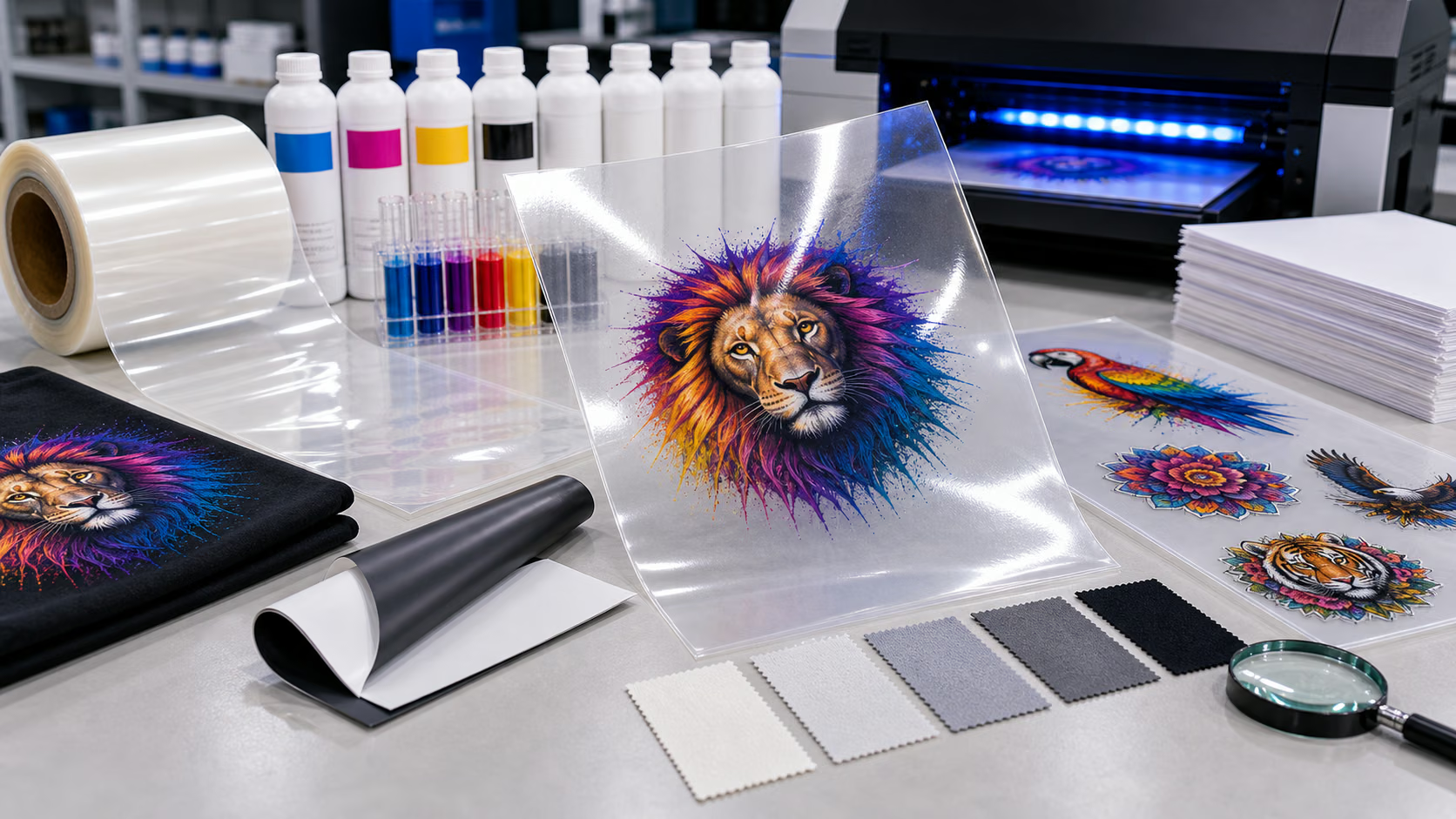
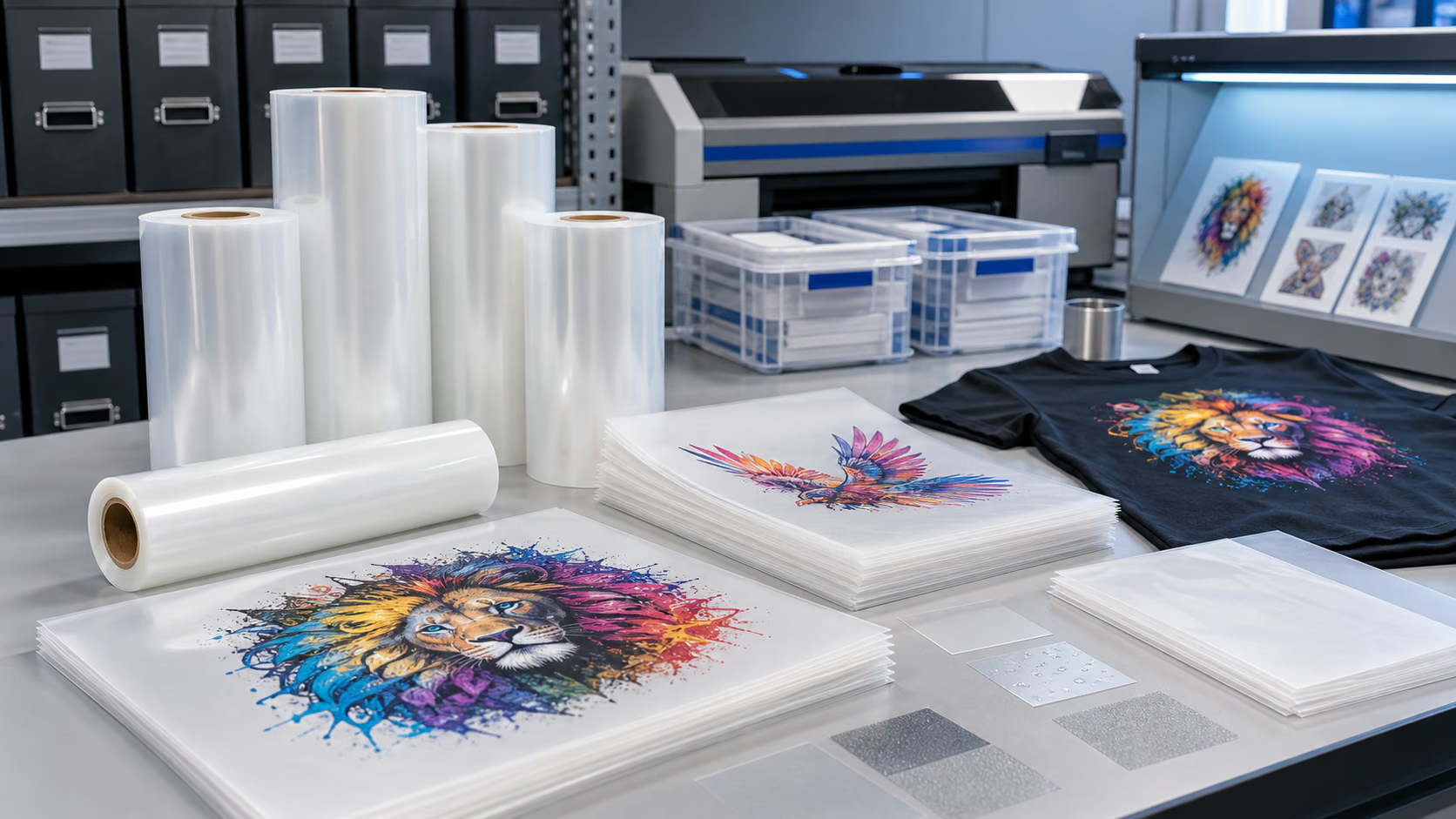
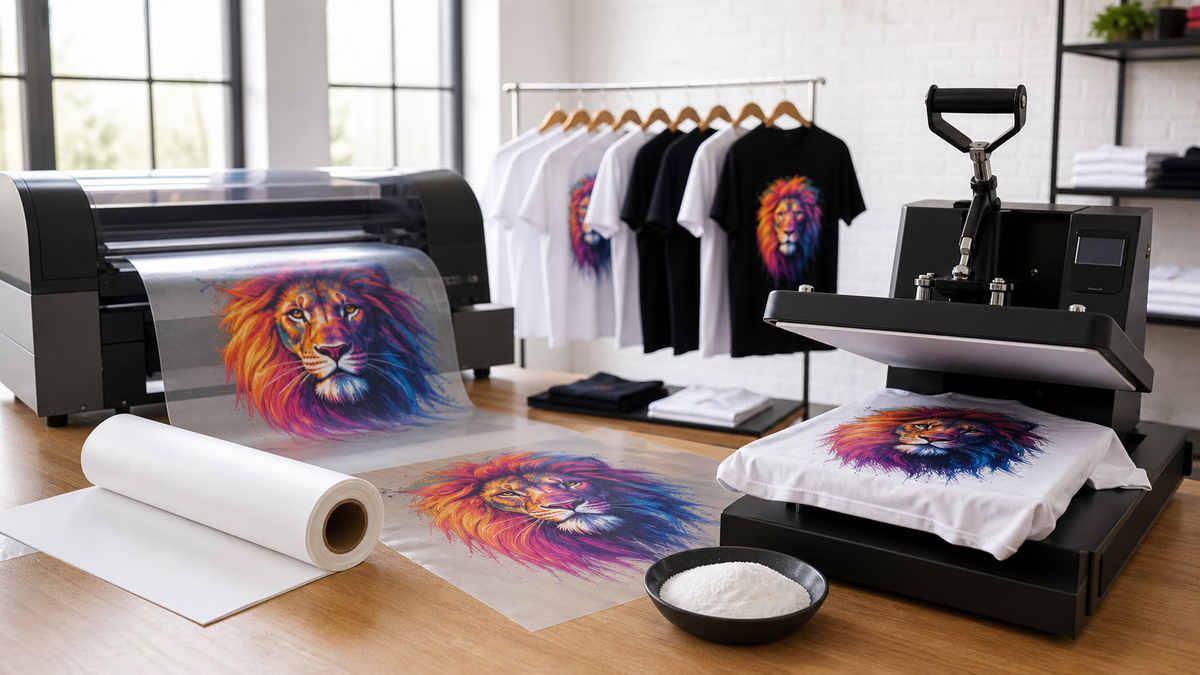
Direct-to-Film printing is a process where a design is printed onto a special transfer film. This film is then heat-pressed onto a variety of substrates, including textiles, plastics, and metals. The process offers a high degree of flexibility, allowing for intricate designs and vibrant colors that are durable and long-lasting.
The Role of UV Technology
UV (ultraviolet) technology is integral to the DTF printing process. Unlike traditional heat-based curing methods, UV curing uses ultraviolet light to instantly solidify the ink, resulting in a faster production cycle and superior print quality. The UV light causes the ink to polymerize, creating a robust and scratch-resistant finish.
Advantages of UV DTF Printing
1. High-Quality Output
UV DTF printing delivers exceptional print quality with sharp details and vibrant colors. The UV curing process ensures that the colors remain vivid and do not fade over time, making it ideal for applications where aesthetics and durability are paramount.
2. Versatility
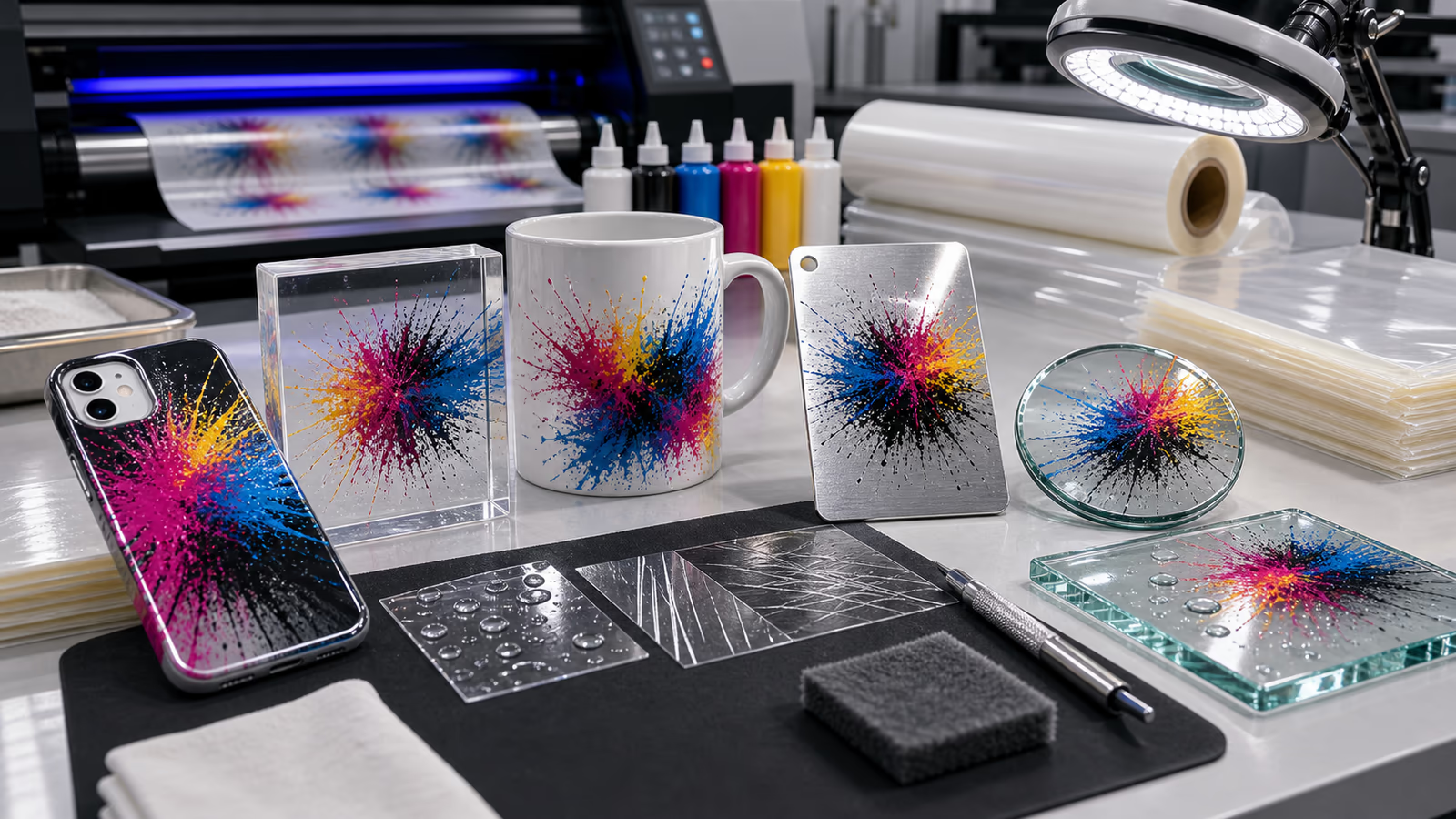
One of the standout features of UV DTF printing is its versatility. It can be used on a wide range of materials, including fabrics, ceramics, plastics, and even wood. This makes it a suitable choice for industries as diverse as fashion, automotive, and interior design.
3. Eco-Friendly
UV DTF printing is more environmentally friendly compared to traditional methods. The UV curing process consumes less energy and produces fewer emissions, aligning with global sustainability goals. Additionally, the inks used in UV DTF printing are often water-based, further reducing the environmental impact.
4. Speed and Efficiency
The instantaneous curing provided by UV light significantly reduces the production time. This makes UV DTF printing a cost-effective solution for businesses requiring high-volume, fast-turnaround printing.
Applications of UV DTF Printing
Fashion and Apparel
In the fashion industry, UV DTF printing is revolutionizing how designers approach textile printing. The ability to create intricate patterns and designs with vibrant colors has opened new creative avenues. Brands can now produce limited-edition, customized clothing with ease, catering to the growing demand for personalized fashion.
Advertising and Signage
The advertising sector has embraced UV DTF printing for creating durable and eye-catching signage. Whether it’s banners, decals, or promotional materials, UV DTF printing ensures that the graphics remain pristine, even under outdoor conditions.
Home Decor
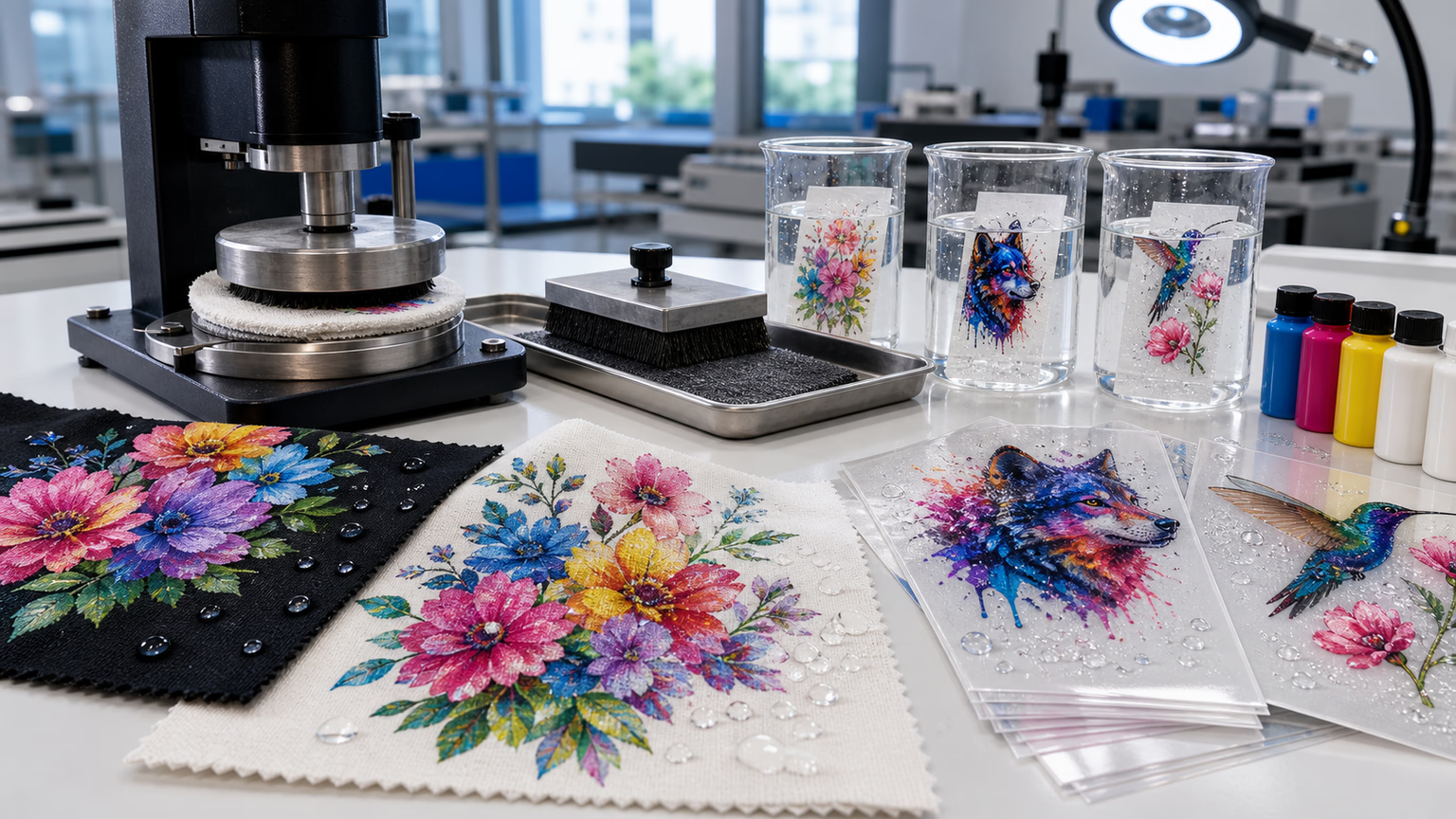
UV DTF printing is transforming the home decor industry by enabling the production of high-quality printed fabrics for upholstery, curtains, and wall art. The durability and colorfastness of UV DTF prints make them ideal for home furnishings that require long-lasting aesthetics.
Automotive
In the automotive industry, UV DTF printing is used for customizing interiors and exteriors. From dashboard components to car seats, UV DTF printing offers a cost-effective way to personalize vehicles while maintaining high-quality standards.
The Future of UV DTF Printing
Technological Advancements
As technology continues to advance, UV DTF printing is expected to become even more sophisticated. Innovations in UV ink formulations, printheads, and curing systems will further enhance the quality and efficiency of the process.
Market Expansion
The versatility and cost-effectiveness of UV DTF printing make it a promising technology for various industries. As awareness and adoption grow, we can expect to see wider applications across different sectors, driving market expansion.
Sustainability Focus
With increasing emphasis on sustainability, UV DTF printing is poised to play a significant role in eco-conscious production. As businesses strive to reduce their environmental footprint, the adoption of UV DTF printing will likely increase, driven by its eco-friendly attributes.
Conclusion
UV DTF printing represents a significant leap forward in the world of textile and material printing. Its combination of high-quality output, versatility, speed, and eco-friendliness makes it a compelling choice for a wide range of applications. As the technology continues to evolve, it holds the potential to revolutionize various industries, offering new possibilities for creativity and innovation. The future of UV DTF printing is bright, and it is undoubtedly a technology to watch in the coming years.