“UV DTF Printing: A Comprehensive Guide” -MAXDTF- DTF UV Film Factory, Direct Transfer UV DTF Decal Manufacturer, Made in China
UV DTF (Ultraviolet Direct to Film) printing has revolutionized the digital transfer printing industry, offering unmatched versatility and durability. This guide breaks down its core elements, from technology basics to practical applications, helping both beginners and professionals harness its potential.
1. What is UV DTF Printing?
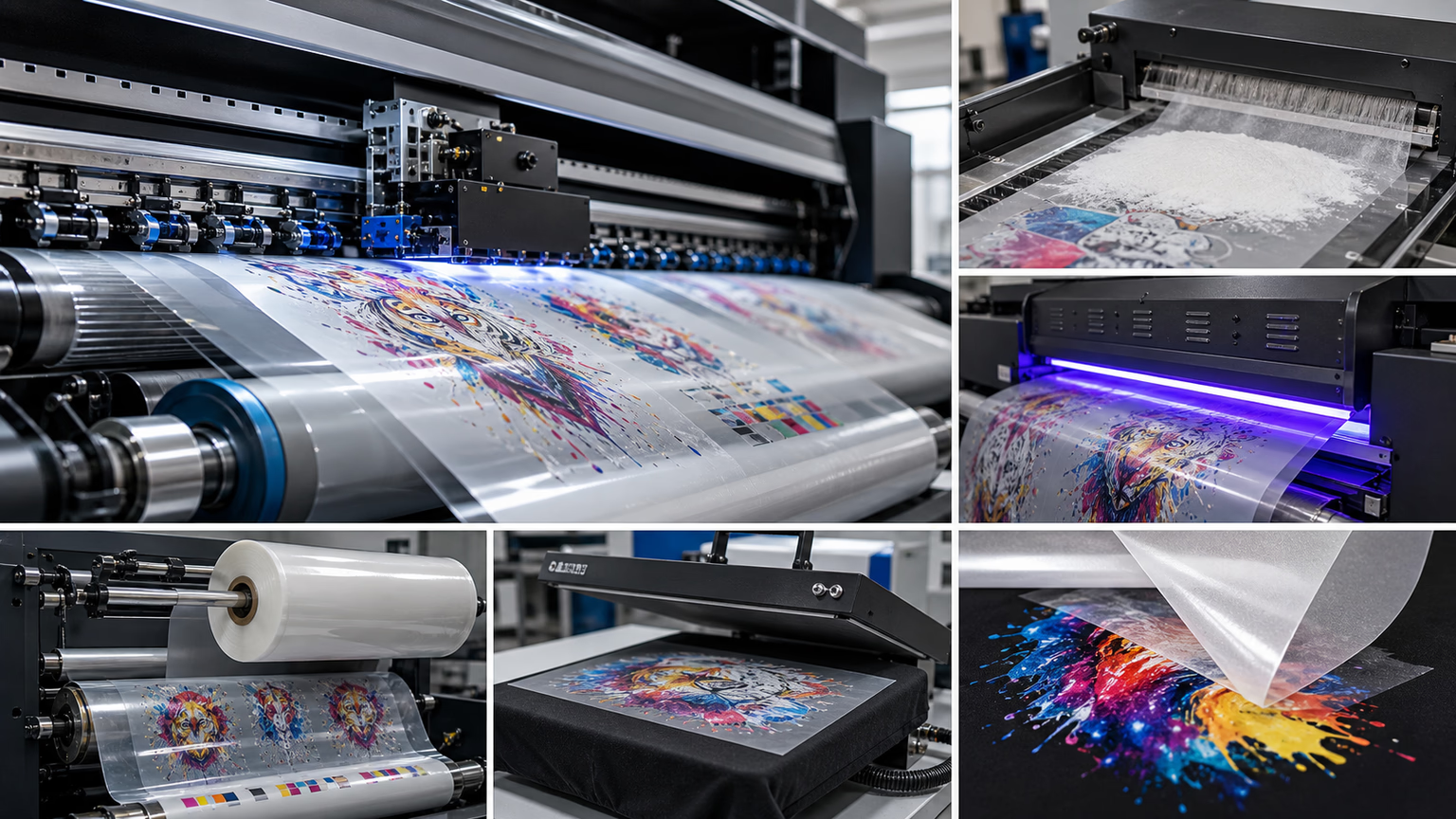
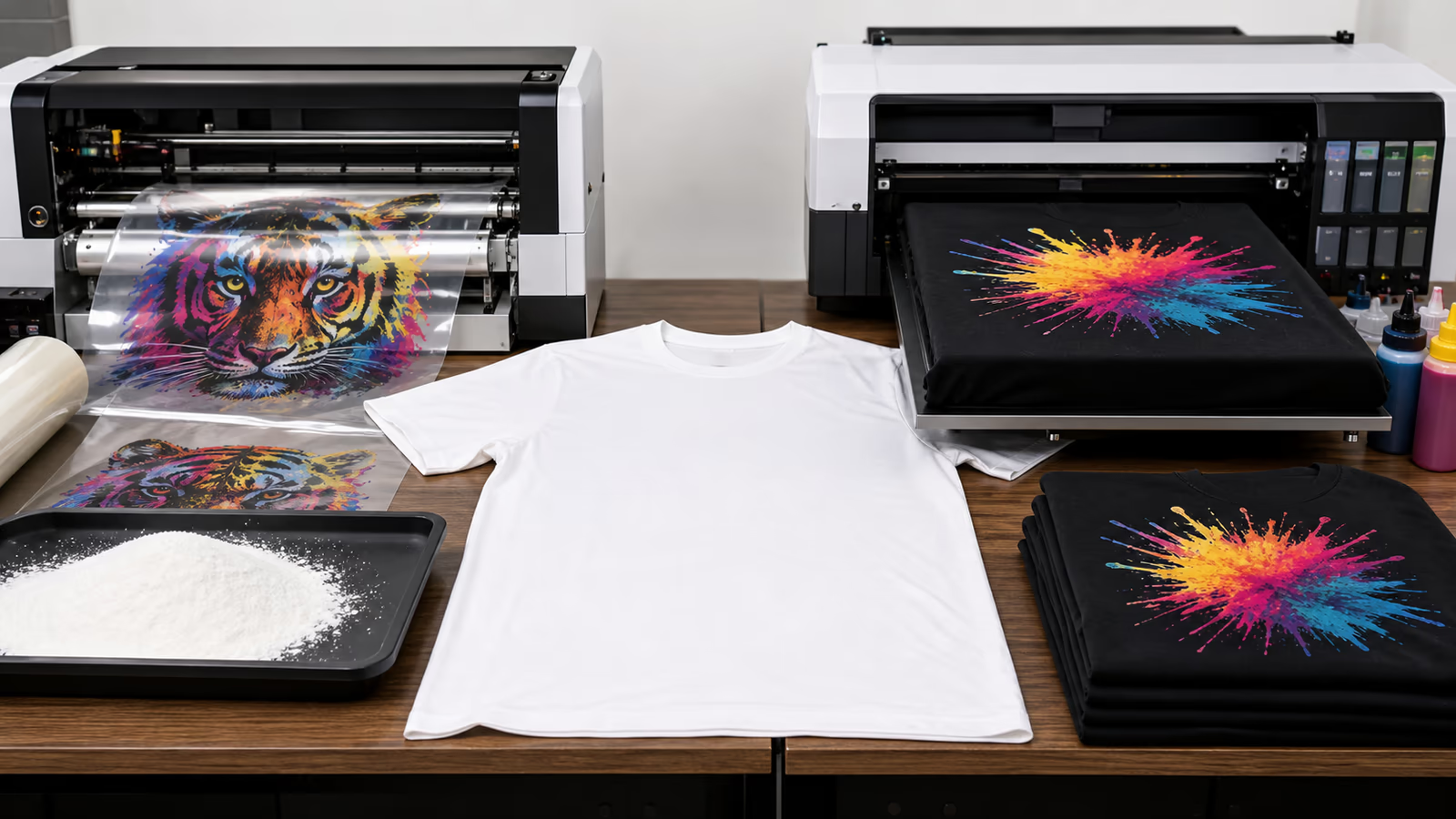
UV DTF is a transfer printing technique that combines UV curing technology with Direct to Film (DTF) processes. Unlike traditional DTF, which uses heat for ink setting, UV DTF employs UV-curable inks cured instantly by UV light. The process involves printing designs onto a specialized film, which is then transferred to various substrates via an adhesive layer, eliminating the need for direct substrate printing.
2. How Does UV DTF Printing Work?
The workflow is straightforward yet precise, consisting of four key steps:
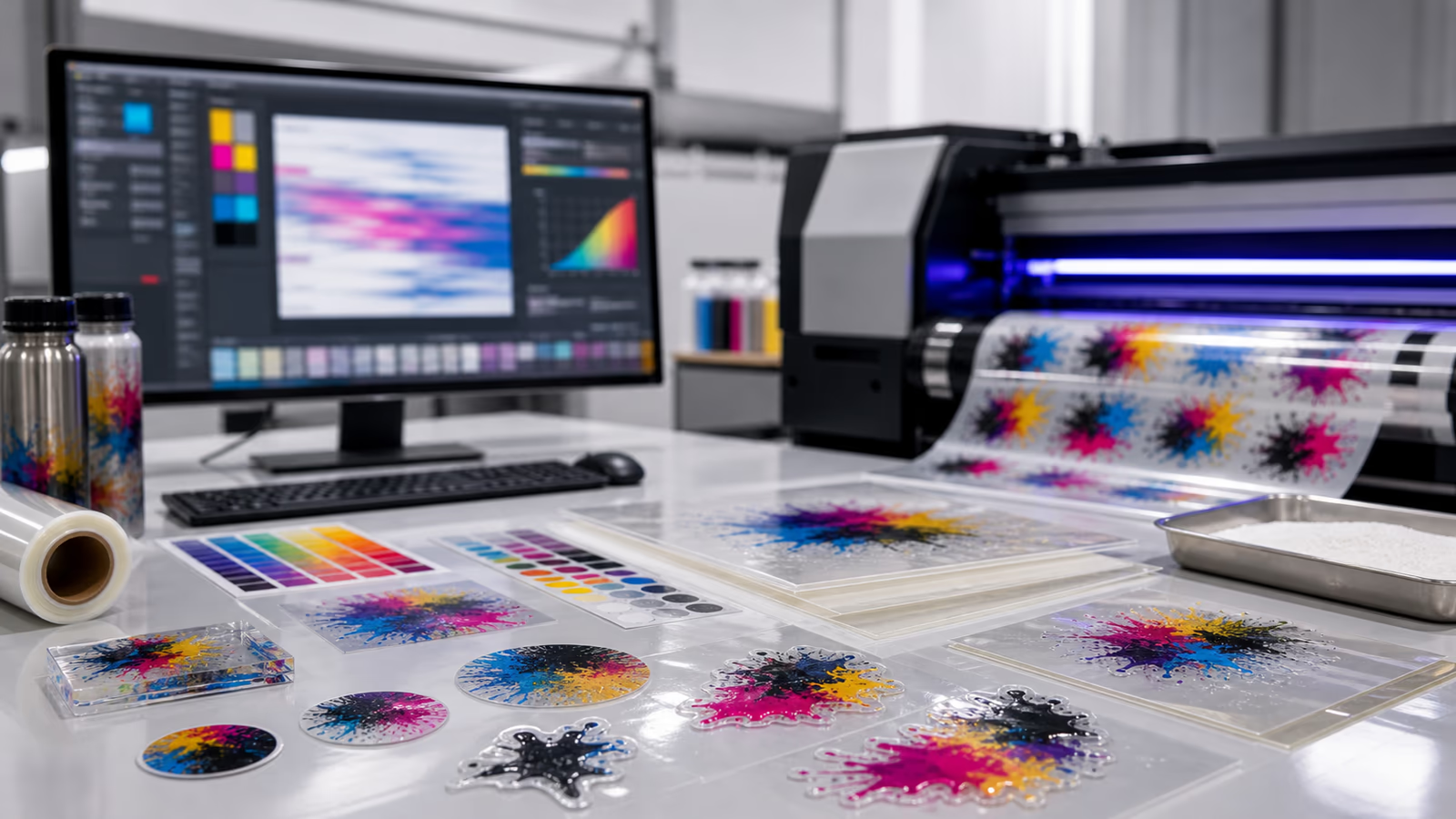
- Preparing the Design: Digital designs are optimized using graphic software to ensure compatibility with UV DTF printers.
- Printing on Film: UV-curable inks are jetted onto UV DTF film, which has a coated surface for ink adhesion.
- UV Curing: Built-in UV lamps cure the ink immediately, turning liquid ink into a solid, scratch-resistant layer.
- Transferring the Design: The cured design is peeled from the film’s backing and applied to the target substrate (e.g., fabric, metal) with heat or pressure.
3. Key Advantages of UV DTF Printing
UV DTF stands out for its unique benefits, making it a top choice for diverse industries:
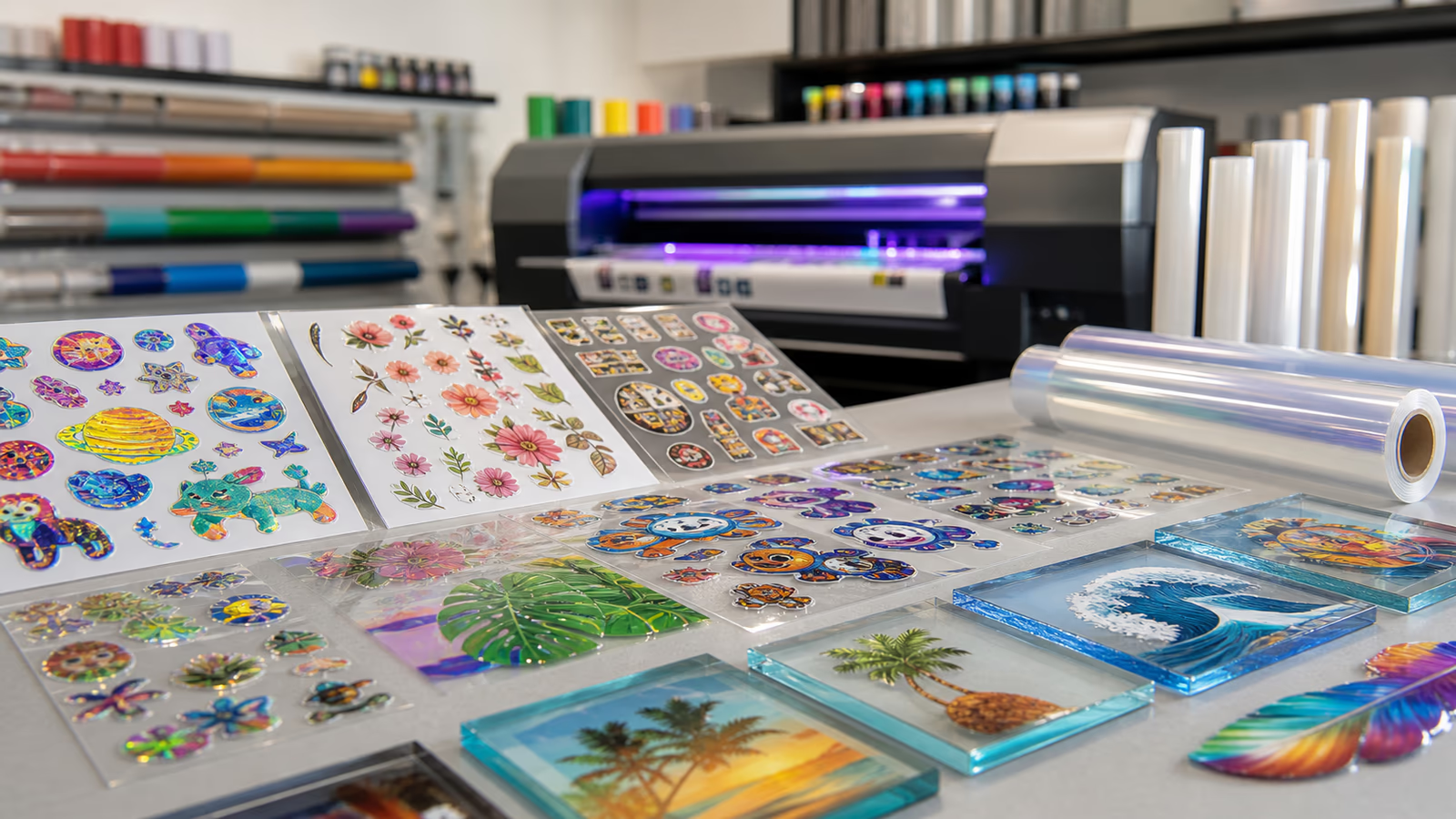
- Substrate Versatility: Adheres to almost any material—fabrics, plastics, metals, glass, and ceramics—without pre-treatment.
- Durability: UV-cured inks resist fading, water, and abrasion, ensuring long-lasting prints even in harsh conditions.
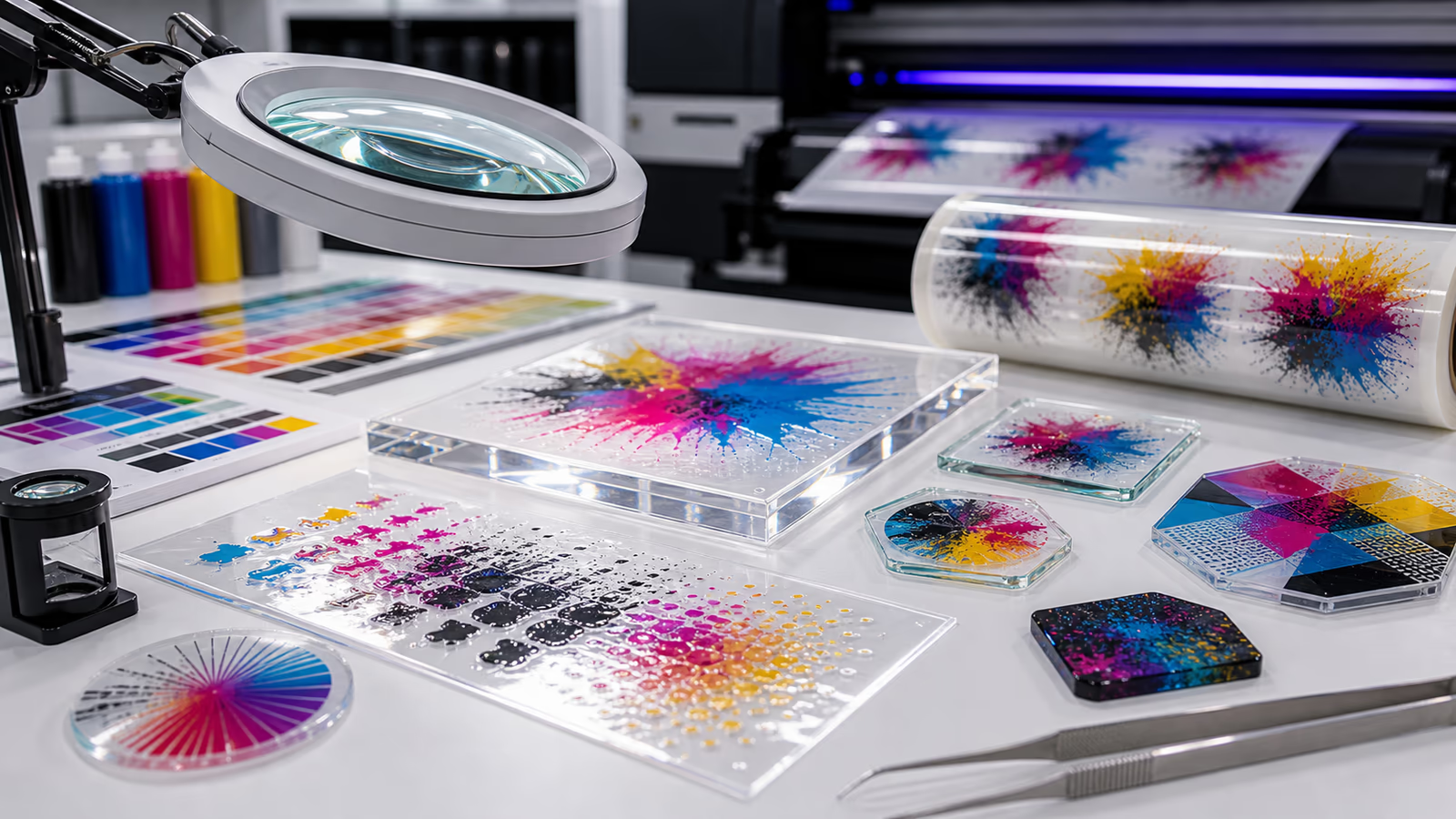
- Vibrant Colors: Delivers intense, true-to-tone hues and sharp details, ideal for high-impact designs.
- Efficiency: Instant UV curing reduces production time, enabling fast turnaround for small to large batches.
4. Essential Equipment and Materials
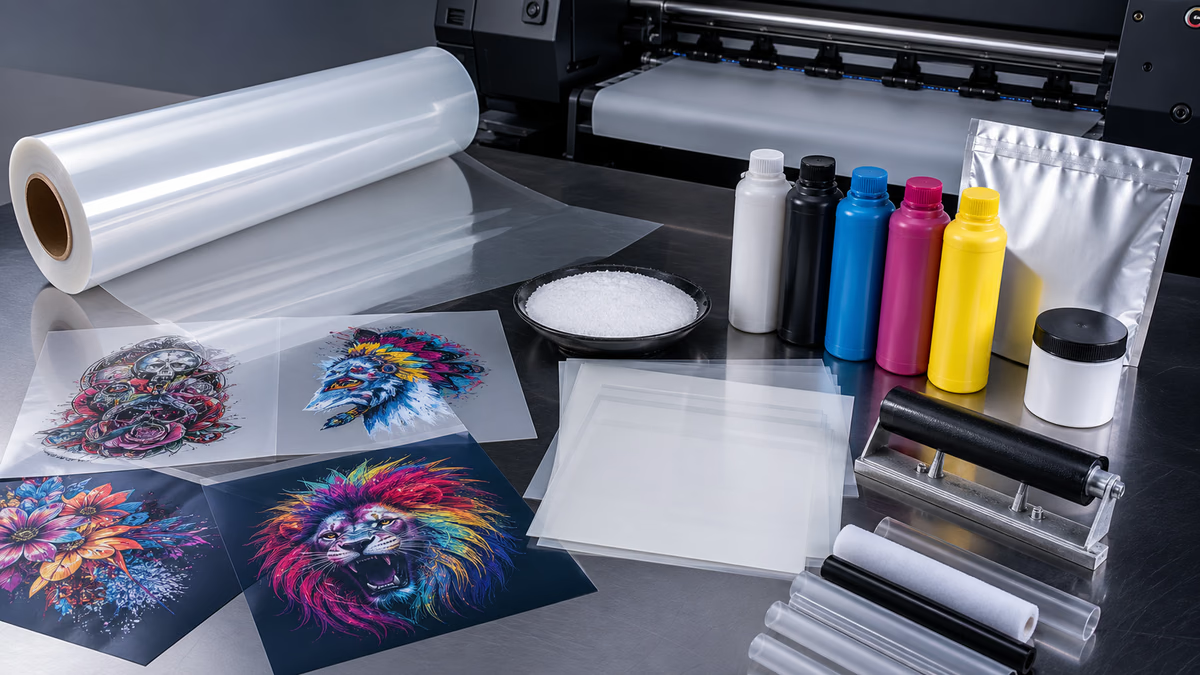
To start UV DTF printing, invest in these core components:
- UV DTF Printer: Equipped with piezoelectric printheads and integrated UV lamps for precise ink deposition and curing.
- UV-Curable Inks: Formulated for UV DTF, available in CMYK and specialty colors (e.g., fluorescent, metallic).
- UV DTF Film: Specialized film with adhesive backing, designed to hold inks and facilitate easy transfer.
- Transfer Tools: Heat press or roller to ensure strong adhesion between the design and substrate.
5. Common Applications
UV DTF printing’s flexibility makes it indispensable across sectors:
- Apparel & Accessories: Custom t-shirts, hoodies, hats, and phone cases with durable, vivid designs.
- Promotional Products: Branded mugs, keychains, and signage that withstand frequent use.
- Home Decor: Personalized wall art, furniture decals, and glassware accents.
- Industrial Use: Labeling for tools, electronics, and automotive parts due to its resistance to chemicals and wear.
6. Tips for Successful UV DTF Printing
Maximize print quality and efficiency with these practical tips:
- Calibrate your printer regularly to ensure accurate color reproduction and ink flow.
- Store UV-curable inks in a cool, dark place to prevent premature curing.
- Test transfer parameters (heat, pressure) for different substrates to avoid peeling or distortion.
- Clean printheads after use to prevent clogging, as UV inks can solidify if left unused.
7. Conclusion
UV DTF printing combines innovation and practicality, making it a game-changer for anyone seeking high-quality, versatile transfers. Its ability to adhere to diverse substrates, produce durable prints, and support fast production makes it suitable for small businesses, artists, and large-scale manufacturers alike. By understanding its workflow, investing in the right tools, and following best practices, you can unlock the full potential of UV DTF printing.