“The Truth About UV-DTF: Does It Really Do Anything?” -MAXDTF- UV Magic Film Wholesale, DTF UV Decal Supplier, Made in China
In the fast-paced world of printing technology, innovation is the name of the game. Among the many advancements that have emerged in recent years, UV-DTF (Direct-to-Film) printing has garnered significant attention. Proponents claim that UV-DTF offers unique advantages, such as superior durability, vibrant colors, and the ability to print on unconventional materials. But does UV-DTF truly live up to the hype? This article cuts through the noise to uncover the truth about UV-DTF printing and whether it delivers on its promises.
What is UV-DTF Printing?
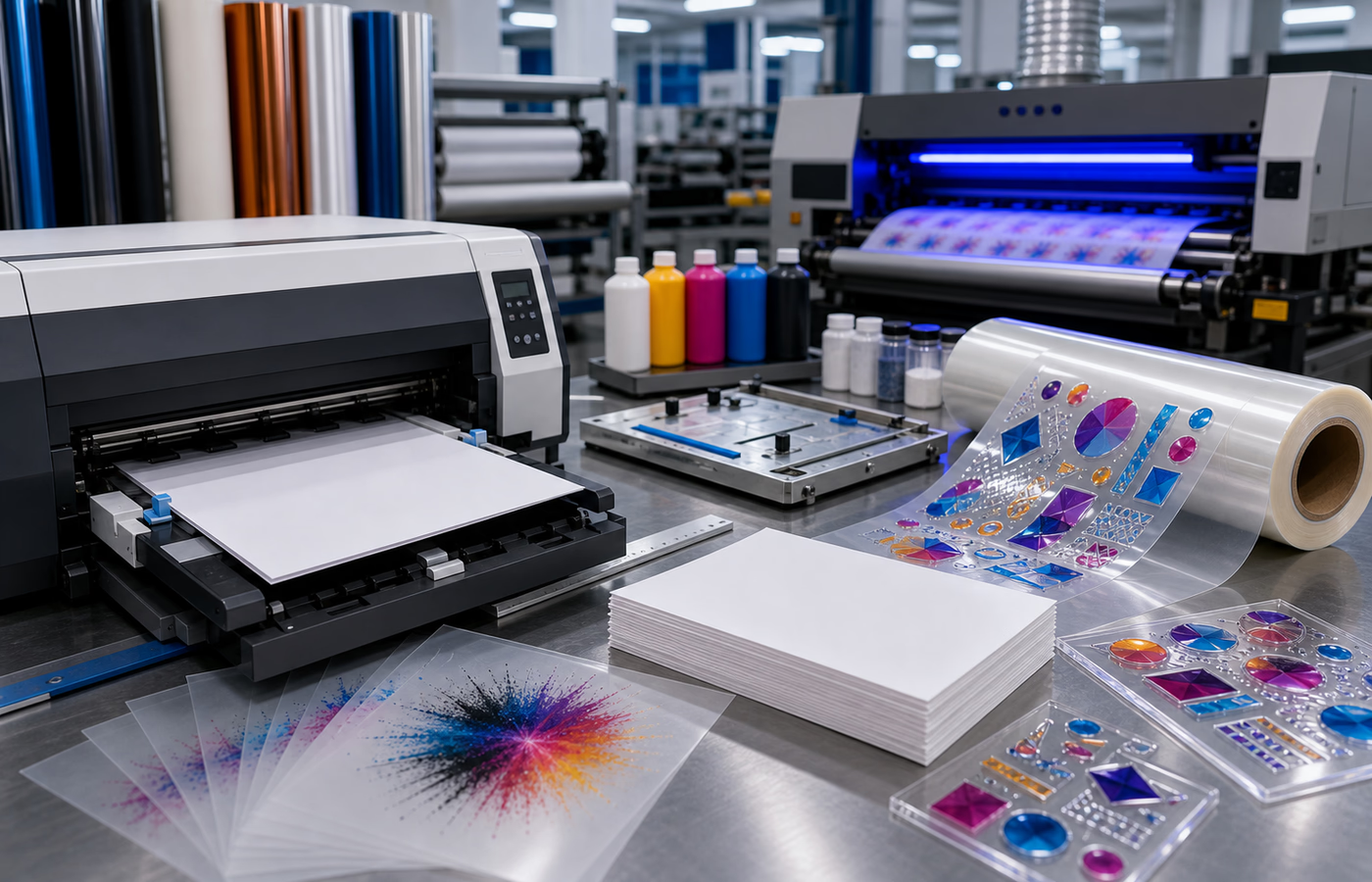
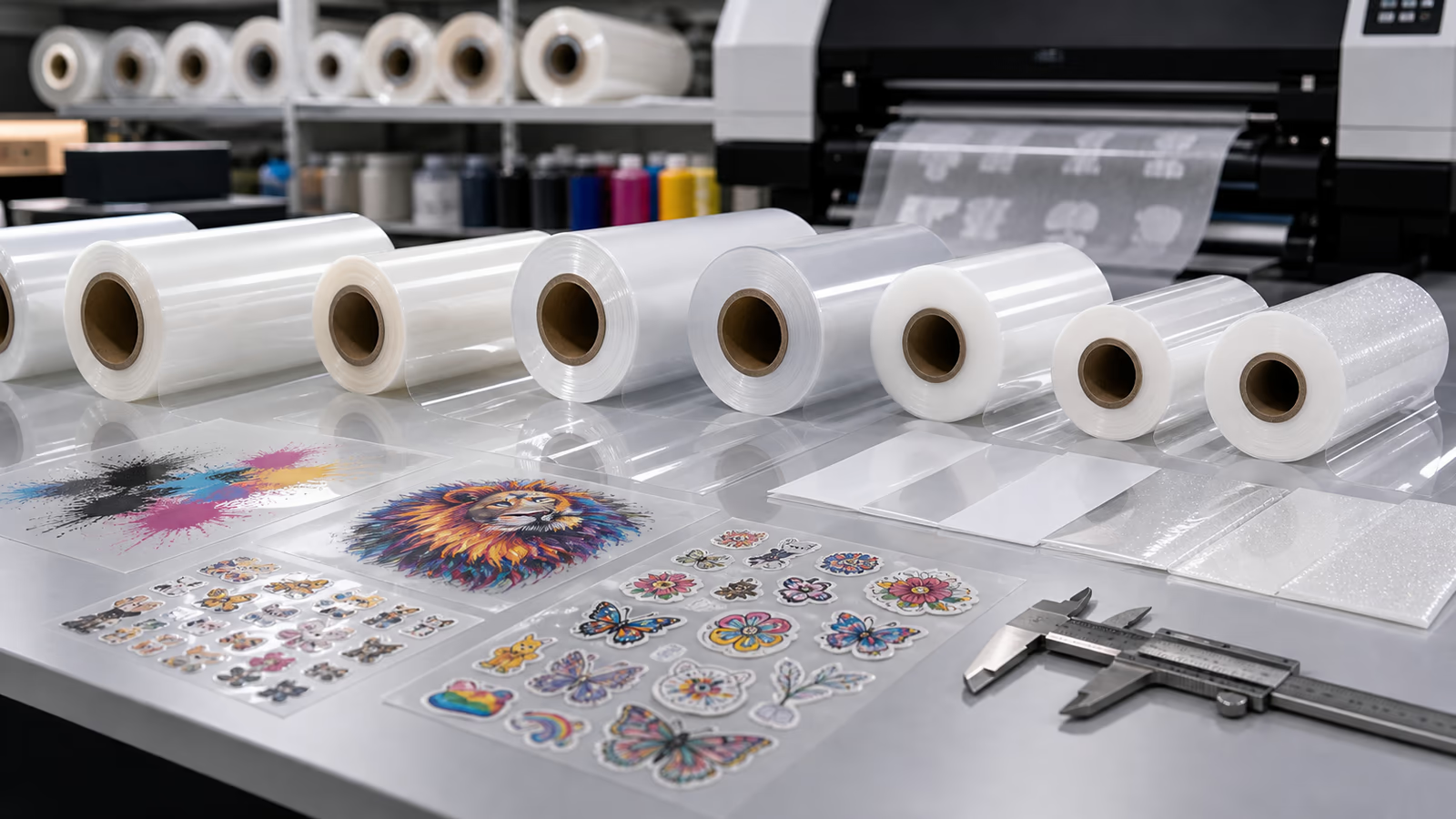
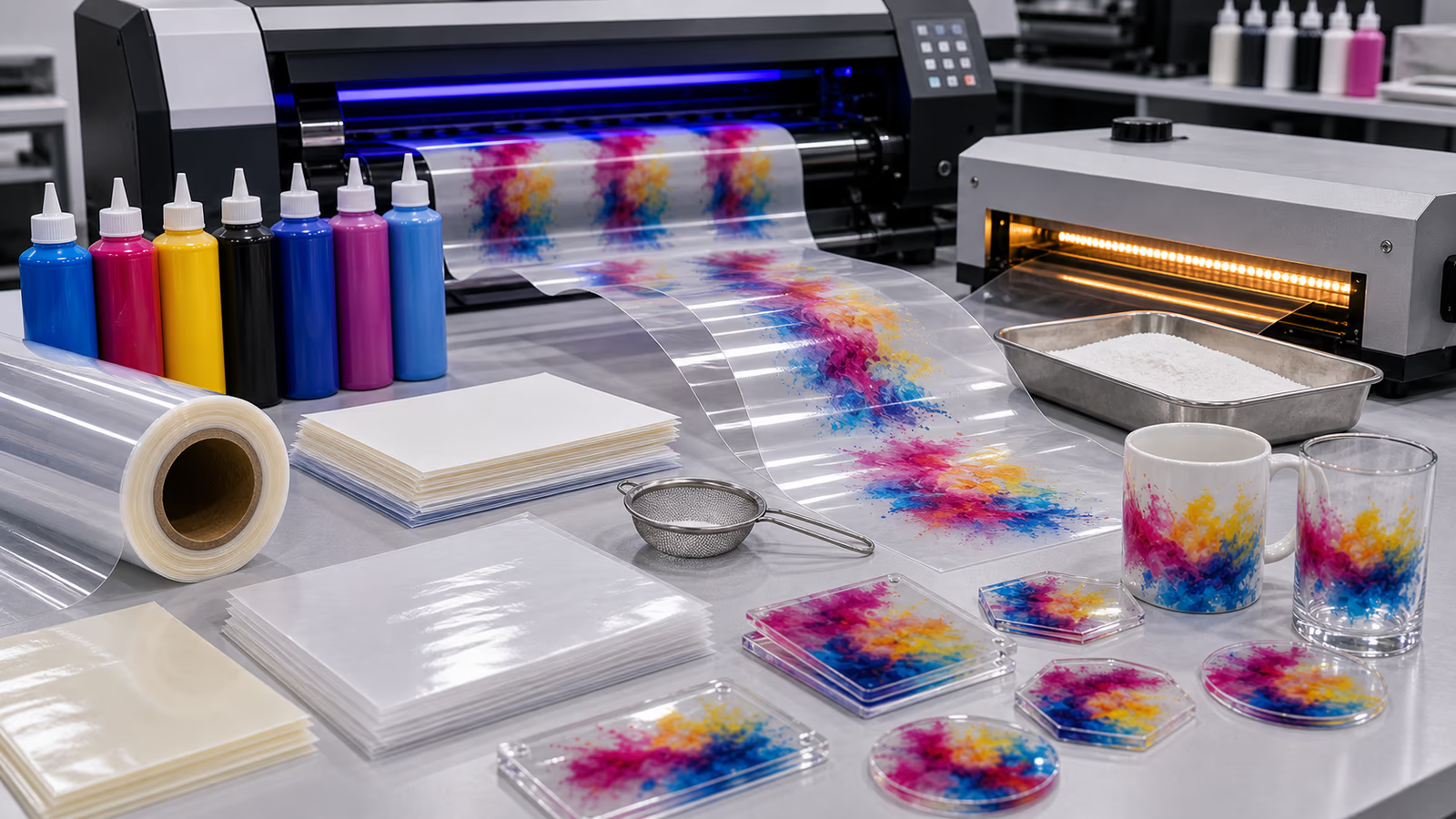
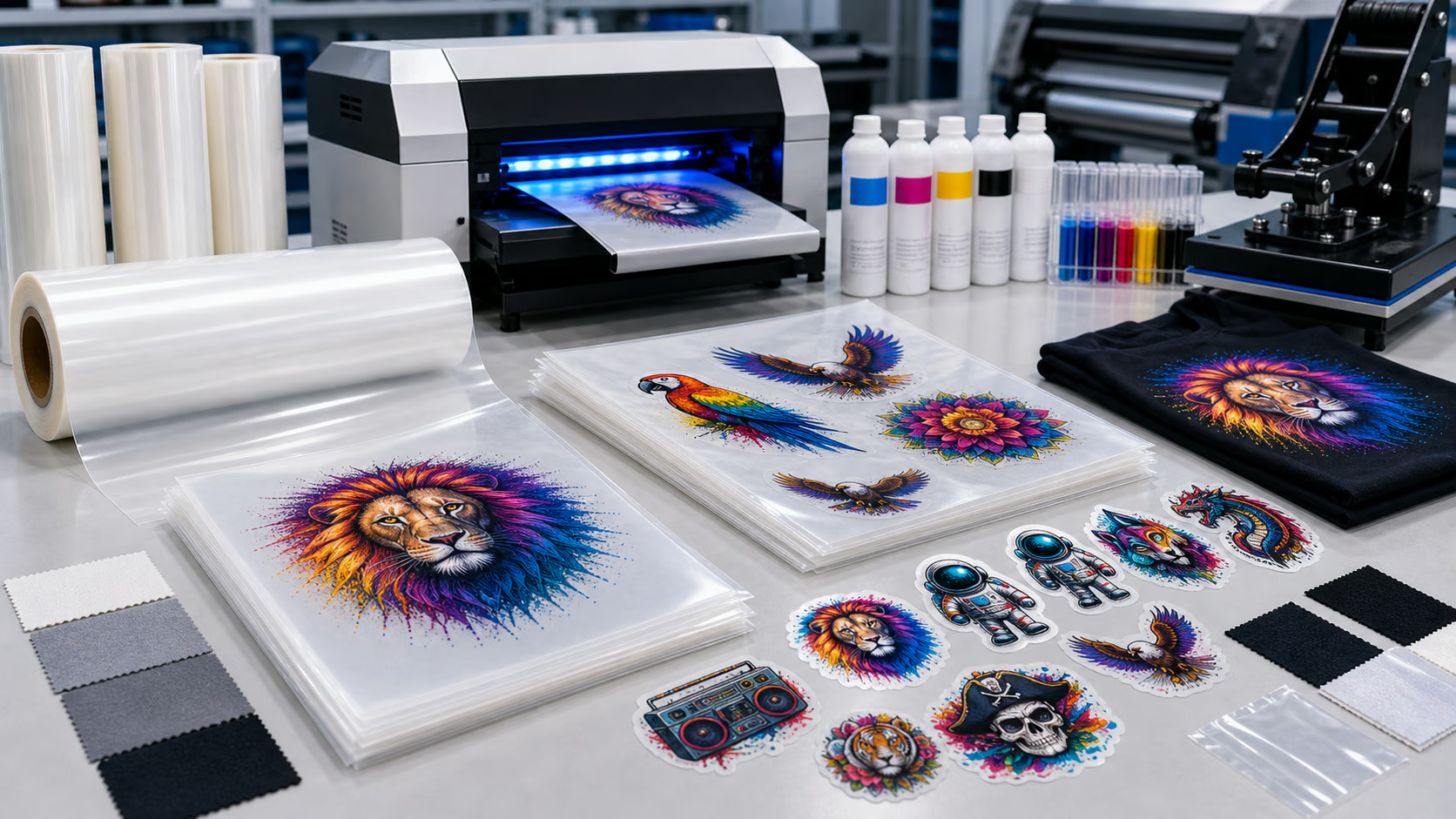
Before diving into its potential, let’s clarify what UV-DTF printing actually is. Traditional DTF printing uses water-based inks to print designs onto a film, which is then transferred onto a substrate using heat and adhesive. UV-DTF, on the other hand, employs UV-curable inks that are cured (or hardened) using UV light during the transfer process. This approach is said to enhance the durability, sharpness, and versatility of the prints.
The UV-DTF process involves three main steps:
- Printing designs onto a transfer film using UV-curable inks.
- Applying adhesive powder to the printed film.
- Curing the ink with UV light and transferring the design to the desired substrate using a heat press.
The Promises of UV-DTF Printing
Proponents of UV-DTF printing often highlight several key benefits, but are these claims substantiated? Let’s examine them one by one.
1. Enhanced Durability and Resistance
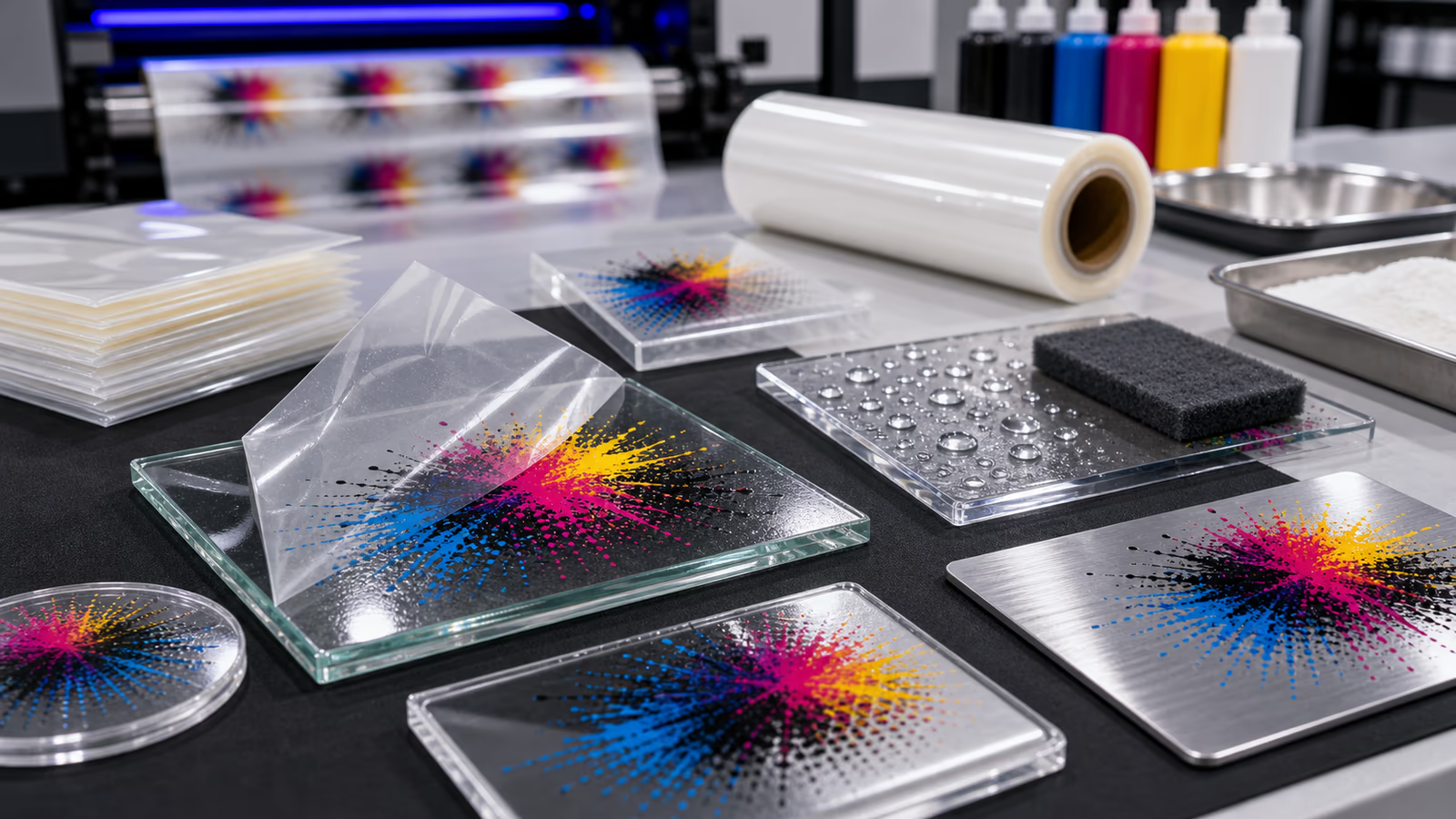
One of the most touted advantages of UV-DTF printing is its enhanced durability. UV-curable inks are designed to be scratch-resistant, waterproof, and resistant to fading from UV exposure. These properties make UV-DTF prints ideal for outdoor applications, such as signage and promotional materials, where longevity is critical.
However, while UV-DTF does indeed offer improved durability compared to traditional DTF printing, the extent of these benefits depends on the specific application. For example, UV-DTF prints may perform better on rigid substrates like plastics or metals, but their durability on textiles (e.g., T-shirts) may not be significantly different from traditional DTF prints.
2. Vibrant Colors and Sharp Details
Another selling point of UV-DTF is its ability to produce vibrant, high-definition prints with sharp details. The UV-curable inks are known for their excellent color accuracy and clarity, which can be particularly advantageous for photographic images and intricate designs.
While it’s true that UV-DTF can deliver impressive print quality, this doesn’t necessarily mean it outperforms all other printing methods. Traditional DTF printing, when used with high-quality water-based inks and proper techniques, can also achieve exceptional results. The choice between UV-DTF and traditional DTF often comes down to personal preference and specific project requirements.
3. Versatility in Materials
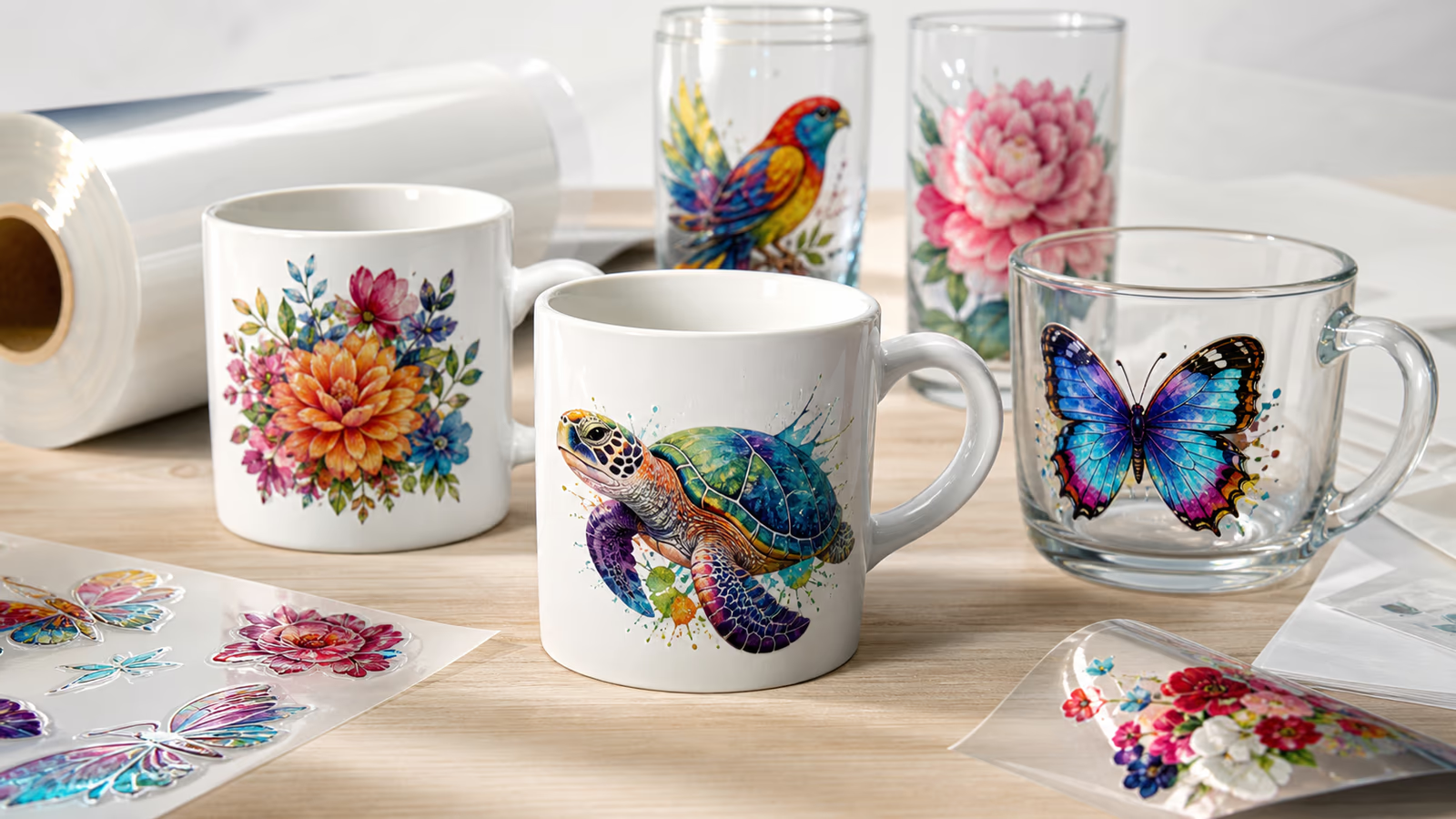
UV-DTF is often marketed as a versatile printing method that can be applied to a wide range of substrates, including unconventional materials like plastics, metals, and even glass. This versatility is made possible by the curing process, which allows the inks to adhere securely to non-porous surfaces.
This claim holds water. UV-DTF does indeed offer greater flexibility in terms of material compatibility compared to traditional DTF printing. However, it’s important to note that not all materials are suitable for UV-DTF, and some may require special surface treatments to ensure optimal adhesion.
The Limitations of UV-DTF Printing
While UV-DTF has its merits, it’s not without its drawbacks. Understanding these limitations is crucial for determining whether UV-DTF is the right choice for your needs.
1. Higher Costs
One of the biggest challenges with UV-DTF printing is its cost. UV-curable inks are more expensive than their water-based counterparts, and the equipment required for UV curing adds to the overall investment. For businesses on a tight budget, this cost difference can be a significant hurdle.
2. Environmental Concerns
UV-curable inks, while durable, are not always eco-friendly. Many UV inks contain chemicals that may pose environmental and health risks during the curing process. This makes UV-DTF less sustainable compared to traditional DTF printing, which uses water-based inks and generates less waste.
3. Complexity of the Process
UV-DTF printing involves additional steps and equipment (i.e., UV curing units) compared to traditional DTF printing. This complexity can add to the learning curve and may require specialized knowledge to achieve optimal results. For smaller businesses or hobbyists, this could present a barrier to adoption.
4. Application-Specific Benefits
While UV-DTF excels in certain applications, such as printing on rigid, non-porous materials, it may not always be the best choice for other substrates. For example, in the textile industry, traditional DTF printing with water-based inks is often preferred for its softness and comfort on fabrics.
When is UV-DTF Worth It?
The effectiveness of UV-DTF printing depends largely on the specific use case. Here are some scenarios where UV-DTF truly shines:
- Outdoor Applications: UV-DTF’s durability and resistance to UV exposure make it ideal for outdoor signage, banners, and promotional materials.
- Non-Porous Surfaces: If you need to print on rigid materials like plastic, metal, or glass, UV-DTF is a great option due to its excellent adhesion.
- High-Detail Designs: For projects requiring vibrant colors and sharp details, UV-DTF can deliver results that rival other high-end printing methods.
However, for applications like clothing, personalized gifts, or smaller-scale production runs, traditional DTF printing may still be the more practical and cost-effective choice.
Conclusion: Does UV-DTF Really Do Anything?
The answer to this question is a resounding yes, but with some caveats. UV-DTF printing is a legitimate technological advancement that offers tangible benefits, particularly in terms of durability, print quality, and material versatility. However, it’s not a one-size-fits-all solution.
For businesses and individuals looking to explore UV-DTF, it’s essential to weigh its advantages against its limitations and consider the specific requirements of your projects. If durability and versatility on non-porous surfaces are top priorities, UV-DTF is worth the investment. But if budget constraints, environmental concerns, or simplicity are more important, traditional DTF printing might be the better choice.
Ultimately, the effectiveness of UV-DTF printing depends on how well it aligns with your goals and workflows. By understanding its strengths and weaknesses, you can make an informed decision and harness the full potential of this innovative technology.