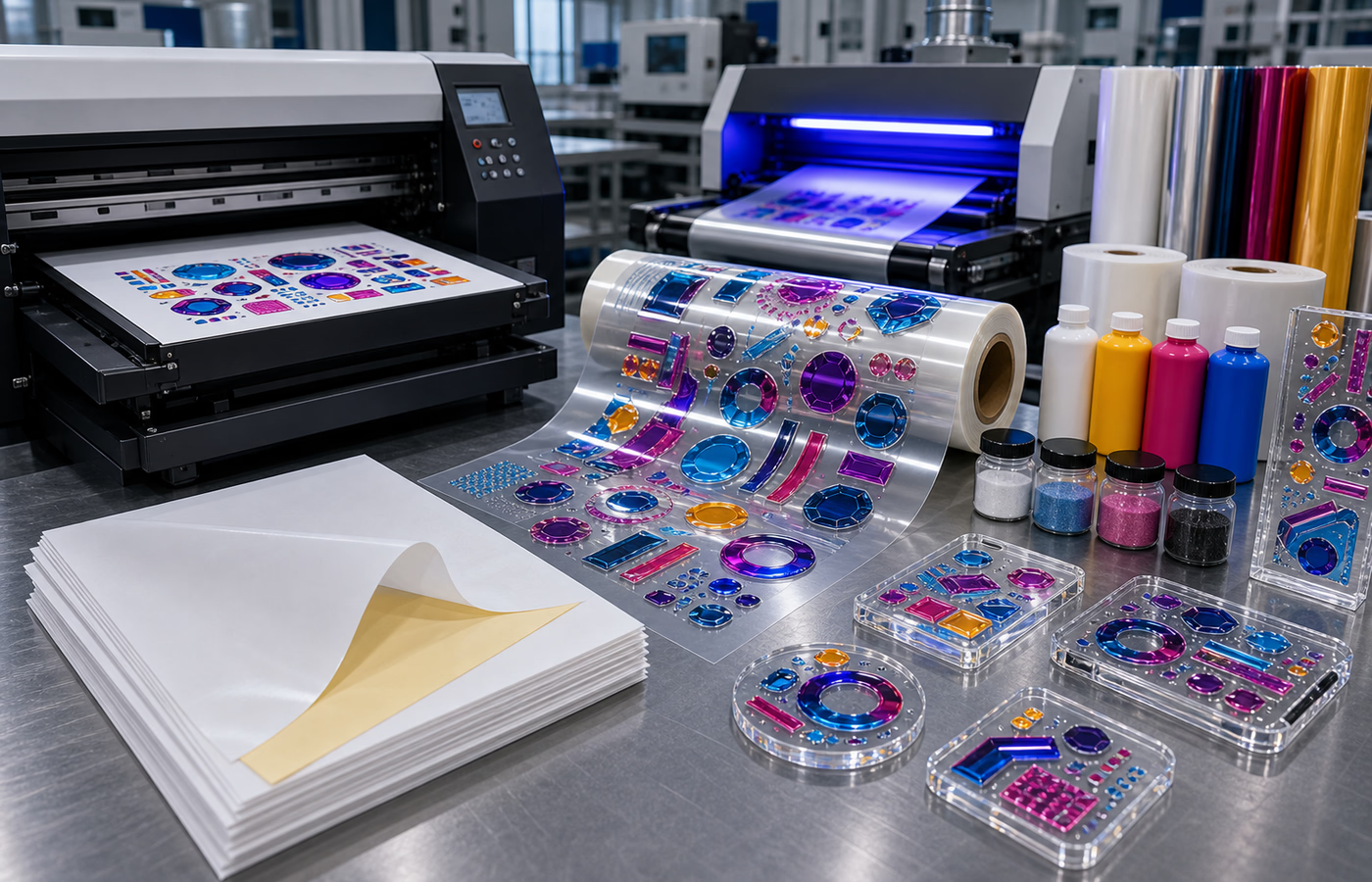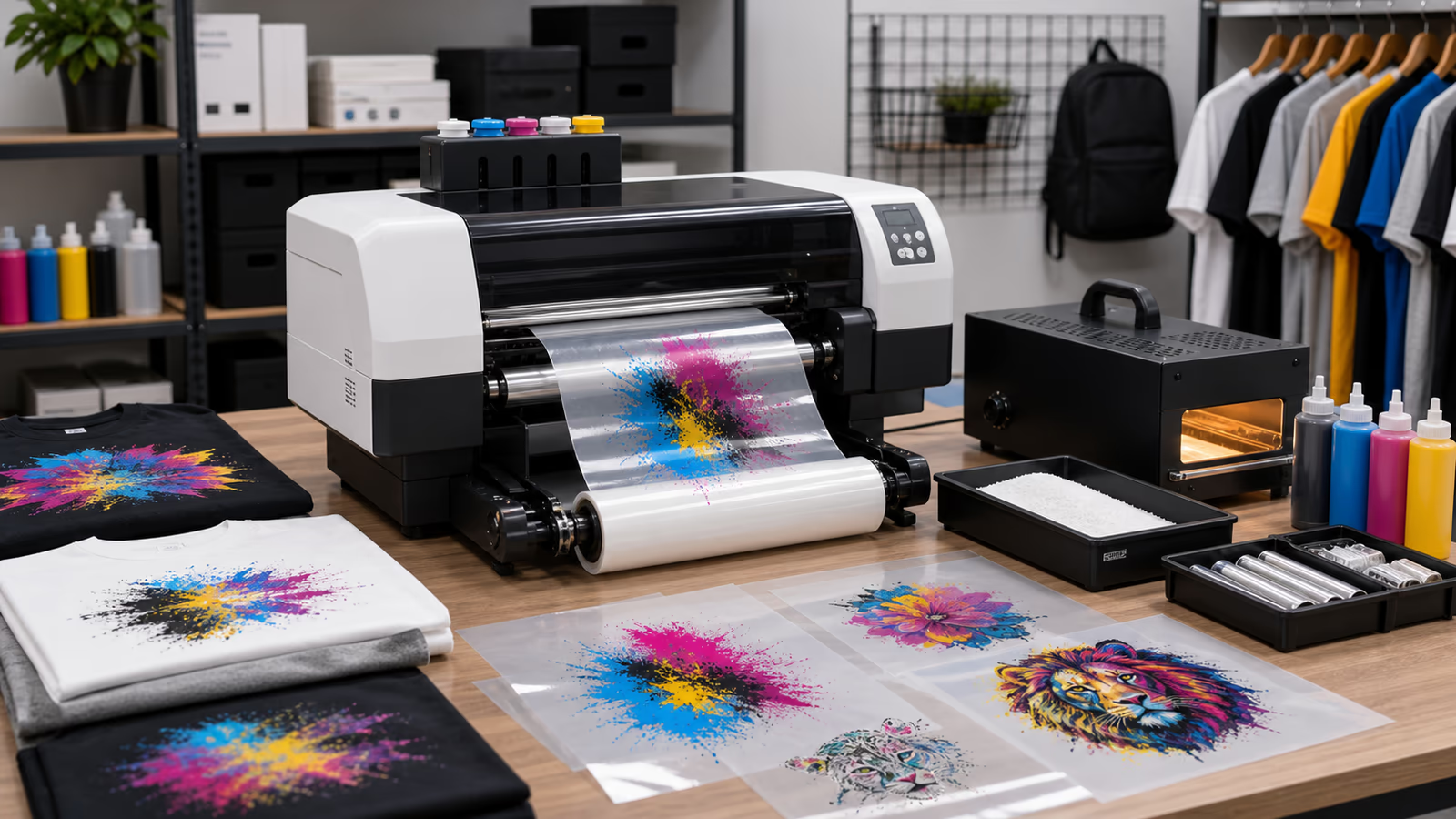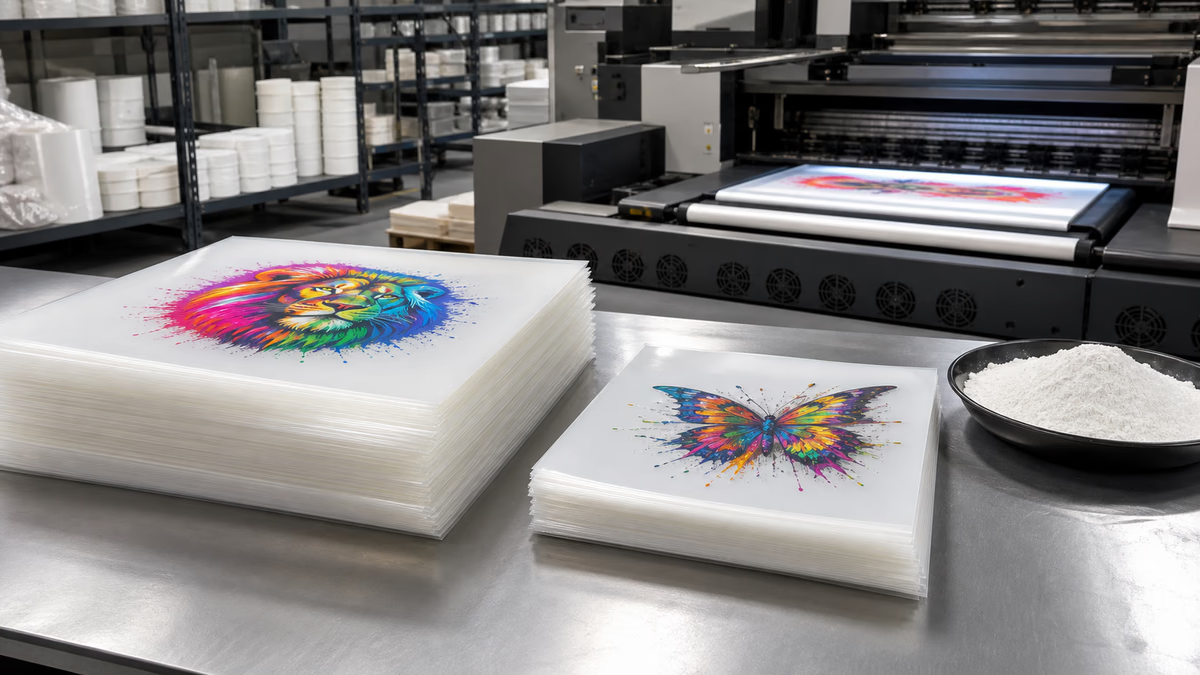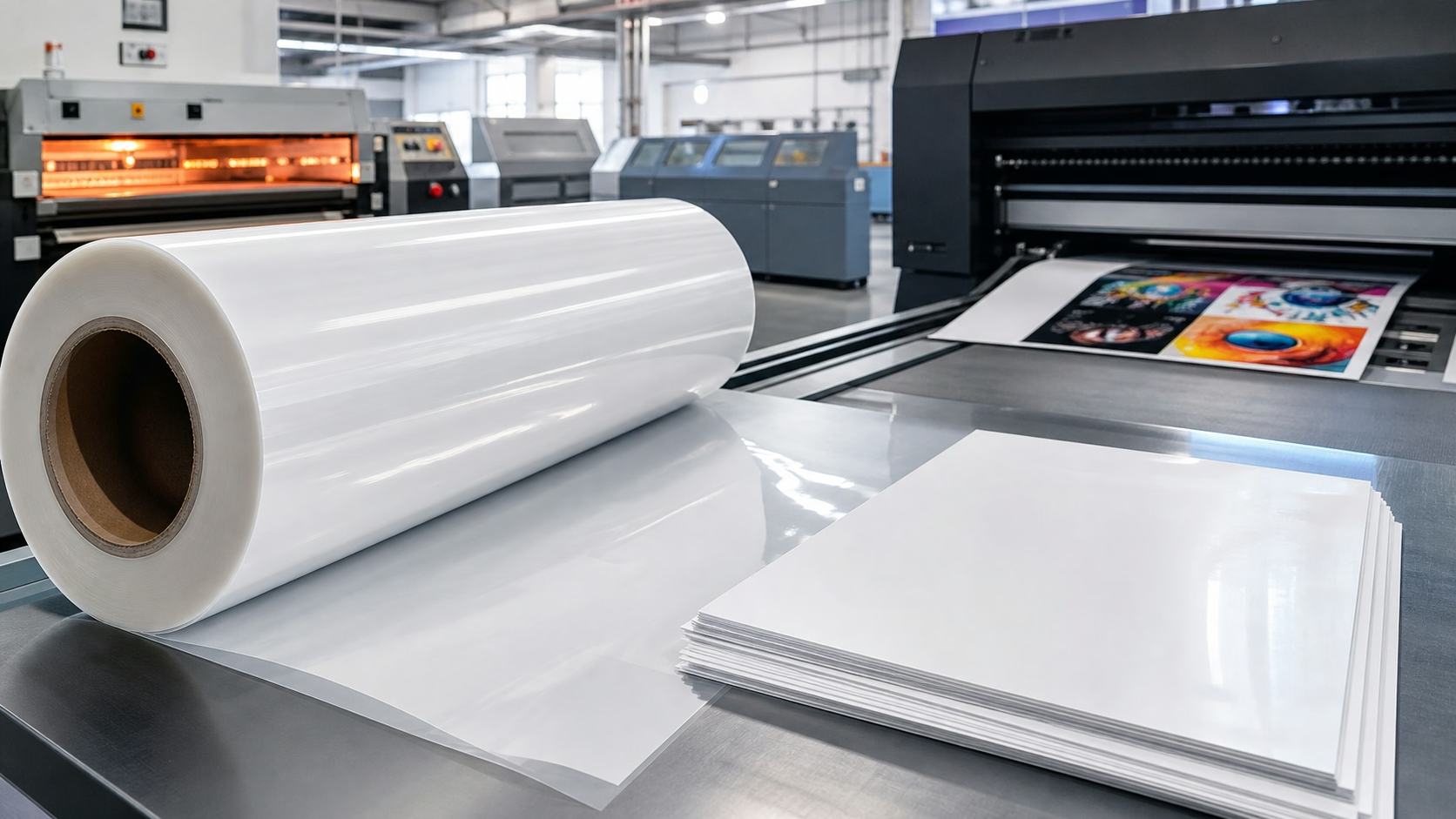
“Transfer Your Designs with DTF PET Film Roll – Get Professional Results Every Time!” -MAXDTF- DTF Transfer Film Matte Factory, DTF Paper A3 Manufacturer, Made in China
In the realm of modern textile and merchandise customization, Direct-to-Film (DTF) printing has emerged as a game-changing technology, celebrated for its versatility and accessibility. At the core of this process lies a critical component: DTF PET film roll. For many new to the field, the term “DTF PET film roll transfer” may seem complex, blending material science and printing technique. Simply put, it refers to the process of using large rolls of polyester (PET) film as the carrier for ink and adhesive in DTF printing, followed by transferring the printed design from the film to a substrate (such as fabric, plastic, or metal). This article breaks down the meaning of DTF PET film roll transfer, explores its key components, outlines its workflow, and highlights its unique advantages in the customization industry.
1. Defining the Basics: Key Terms in DTF PET Film Roll Transfer
To fully grasp the meaning of DTF PET film roll transfer, it’s essential to clarify the individual elements that make up the process. Each term plays a vital role in ensuring the transfer’s success and the quality of the final product.
1.1 DTF (Direct-to-Film)
DTF is a printing method that bypasses the need for pre-treatment of substrates (unlike sublimation, which requires polyester fabrics) by printing designs directly onto a film carrier. The design is then transferred to the desired surface using heat and pressure, making it compatible with a wide range of materials—from cotton and leather to wood and ceramics.
1.2 PET Film Roll
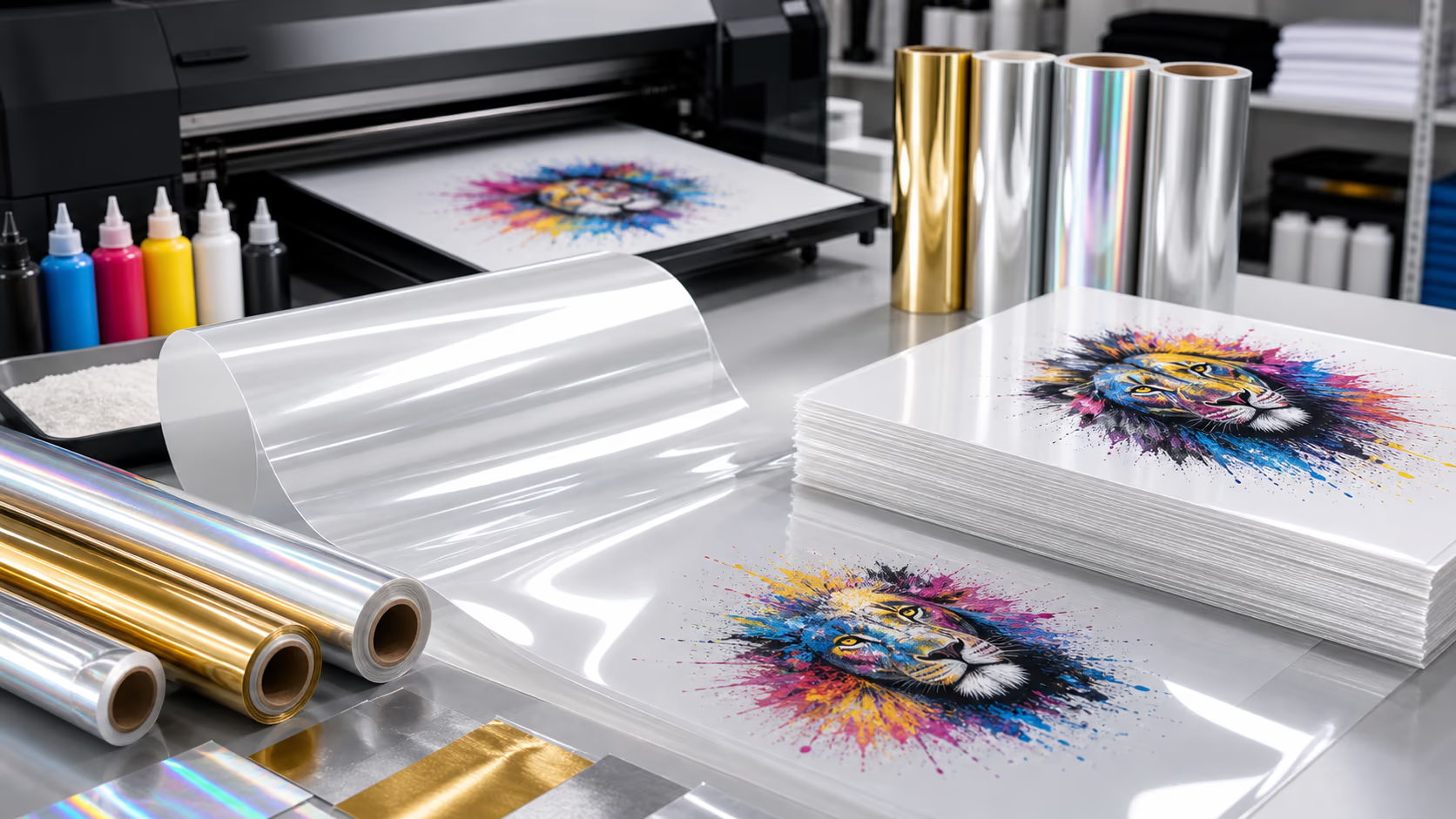
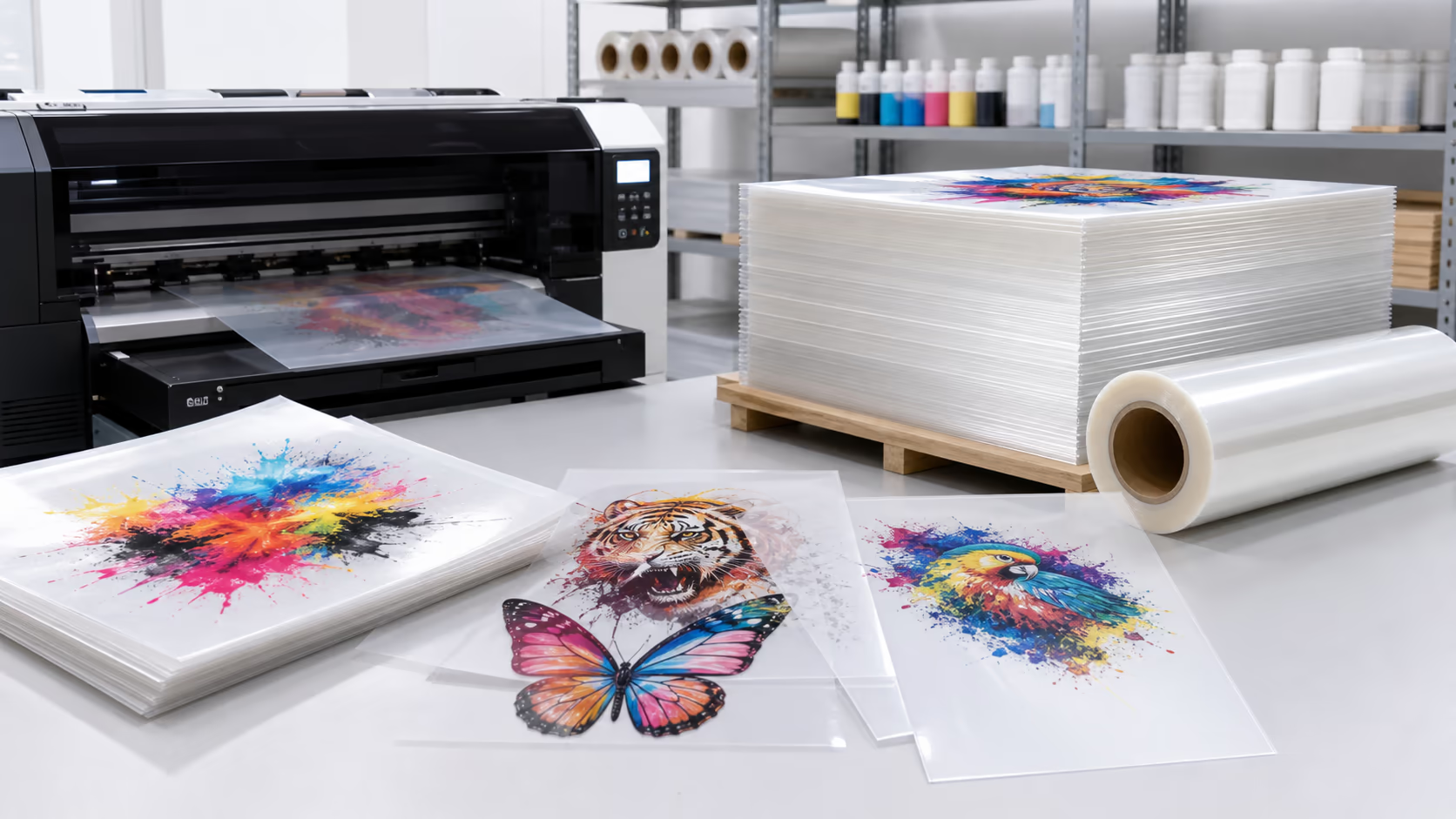
PET (polyethylene terephthalate) is a durable, heat-resistant polyester material chosen for its ability to hold ink and adhesive uniformly. Unlike small-format A4 sheets, PET film in roll form (typically ranging from 10 to 100 meters in length) is designed for high-volume printing operations. The roll format ensures continuous feeding into industrial DTF printers, reducing downtime and increasing efficiency.
1.3 Transfer Process
The “transfer” in DTF PET film roll transfer refers to the final step: moving the printed design (which is bonded to the PET film via ink and adhesive) onto the substrate. This is achieved through heat pressing, which activates the adhesive and fuses the design to the surface, after which the PET film is peeled away, leaving the design intact on the substrate.
2. The Core Principle: How DTF PET Film Roll Transfer Works
DTF PET film roll transfer operates on a simple yet precise principle: using the PET film as a temporary carrier to deliver ink and adhesive to the substrate. The PET film’s smooth, coated surface is engineered to hold the water-based DTF ink tightly during printing, while its heat resistance prevents warping or melting during the transfer process. The roll format ensures that the film feeds consistently through the printer, even during long production runs, maintaining alignment and print quality.
A key aspect of the principle is the synergy between the PET film, ink, and adhesive. The film’s coating is receptive to DTF-specific ink, allowing for sharp, vibrant prints. After printing, a hot-melt powder adhesive is applied to the ink layer and cured, creating a bond between the ink and the film. During heat transfer, the adhesive melts, adhering the ink to the substrate, while the PET film—being non-stick at high temperatures—peels away cleanly, leaving the design on the substrate.
3. Step-by-Step Workflow of DTF PET Film Roll Transfer
DTF PET film roll transfer is a linear process that combines printing, curing, and heat pressing. Each step must be executed with precision to ensure adhesion, vibrancy, and durability.
3.1 Step 1: Loading and Preparing the PET Film Roll
The PET film roll is loaded onto a DTF printer’s unwinding unit. The printer’s tension control system ensures the film feeds smoothly without wrinkling—critical for avoiding print defects. The film’s coated side (receptive to ink) is positioned to face the printer’s printheads.
3.2 Step 2: Printing the Design onto the Film
The DTF printer uses water-based, pigmented inks to print the design directly onto the PET film’s coated surface. The inks are formulated to bond with the film’s coating, ensuring the design remains intact during subsequent steps. For large orders, the roll format allows for continuous printing without frequent reloads.
3.3 Step 3: Applying Hot-Melt Adhesive Powder
Immediately after printing, the film passes through a powder shaker, which evenly distributes hot-melt adhesive powder over the wet ink layer. Excess powder is vacuumed and recycled, reducing waste. The adhesive powder adheres to the ink, as the ink’s moisture acts as a binder.
3.4 Step 4: Curing the Ink and Adhesive
The film then moves through a conveyor dryer or curing oven, where heat (typically 100–120°C) cures the ink and melts the adhesive powder slightly. This step fuses the ink and adhesive to the PET film, creating a stable, transfer-ready design. Curing time varies based on the film’s thickness and the ink’s volume.
3.5 Step 5: Heat Press Transfer to the Substrate
The cured film (with the design facing the substrate) is placed onto the desired surface (e.g., a t-shirt or tote bag). A heat press applies controlled heat (150–160°C), pressure (4–6 kg/cm²), and time (10–15 seconds) to activate the adhesive. The adhesive melts, bonding the ink design to the substrate. After pressing, the PET film is peeled away (either hot or cold, depending on the film type), leaving the design on the substrate.
4. Advantages of DTF PET Film Roll Transfer
The roll format of DTF PET film, combined with the DTF transfer process, offers distinct benefits that make it a preferred choice for both small businesses and large-scale manufacturers.
4.1 High Efficiency for Mass Production
PET film rolls eliminate the need for frequent sheet changes, enabling continuous printing for large orders (e.g., branded apparel for events or corporate merchandise). This reduces production time and labor costs, making it ideal for high-volume projects.
4.2 Versatility Across Substrates
Unlike sublimation (limited to polyester) or screen printing (requiring substrate-specific inks), DTF PET film roll transfer works with nearly any material—cotton, polyester blends, leather, canvas, and even hard surfaces like metal or wood. This versatility expands the range of customizable products.
4.3 Cost-Effectiveness
Roll film reduces material waste compared to individual sheets, as printers can cut the film to the exact length needed for each design. Additionally, DTF avoids the high setup costs of screen printing, making it affordable for both small batches and large runs.
4.4 Durable, Vibrant Results
PET film’s stability ensures sharp, high-resolution prints, while the hot-melt adhesive creates a strong bond with the substrate. The resulting designs resist fading (even after repeated washes) and peeling, making them suitable for everyday use items like clothing and bags.
5. Common Applications of DTF PET Film Roll Transfer
The flexibility and durability of DTF PET film roll transfer have made it a staple in various industries, including:
- Apparel Customization: Printing logos, graphics, and slogans on t-shirts, hoodies, jackets, and sportswear.
- Promotional Merchandise: Branding tote bags, caps, water bottles, and phone cases for marketing campaigns.
- Home Decor: Creating custom designs on pillows, blankets, curtains, and wooden wall art.
- Industrial Labeling: Printing durable labels for tools, automotive parts, and electronics (leveraging PET film’s heat and chemical resistance).
6. Conclusion: The Value of DTF PET Film Roll Transfer
DTF PET film roll transfer is more than just a printing technique—it’s a scalable, versatile solution that empowers businesses to create high-quality, customized products efficiently. By understanding its meaning—using PET film rolls as the carrier for ink and adhesive, followed by heat transfer to a substrate—printers and entrepreneurs can leverage its advantages to meet diverse customer needs. From small-batch custom t-shirts to large-scale industrial labeling, DTF PET film roll transfer continues to redefine what’s possible in the world of customization, combining affordability, durability, and versatility in one powerful process.