“DTF Transfer Films: Lasting Quality for Lasting Memories!” -MAXDTF- A3 L1800 DTF Manufacturer, DTF Film 11×17 Factory, Made in China
For businesses and hobbyists invested in Direct-to-Film (DTF) printing, one critical question consistently arises: How long do DTF transfer films last? The answer is far from one-size-fits-all, as the lifespan of DTF transfer films—both in storage (before use) and on the printed substrate (after transfer)—depends on a complex interplay of material quality, storage conditions, application techniques, and post-care practices. Understanding these variables is essential for maximizing the value of DTF materials, ensuring long-lasting prints, and avoiding costly rework. This article delves into the nuances of DTF transfer film durability, breaking down lifespan expectations and actionable strategies to extend longevity.
1. Two Lifespans to Consider: Unused vs. Transferred DTF Films
When discussing DTF transfer film lifespan, it’s crucial to distinguish between two distinct phases: the time the film remains usable while in storage (unused lifespan) and the duration the transferred design retains its quality on the substrate (post-transfer lifespan). Each phase is influenced by different factors and requires specific considerations.
1.1 Unused DTF Transfer Films: Shelf Life Expectations
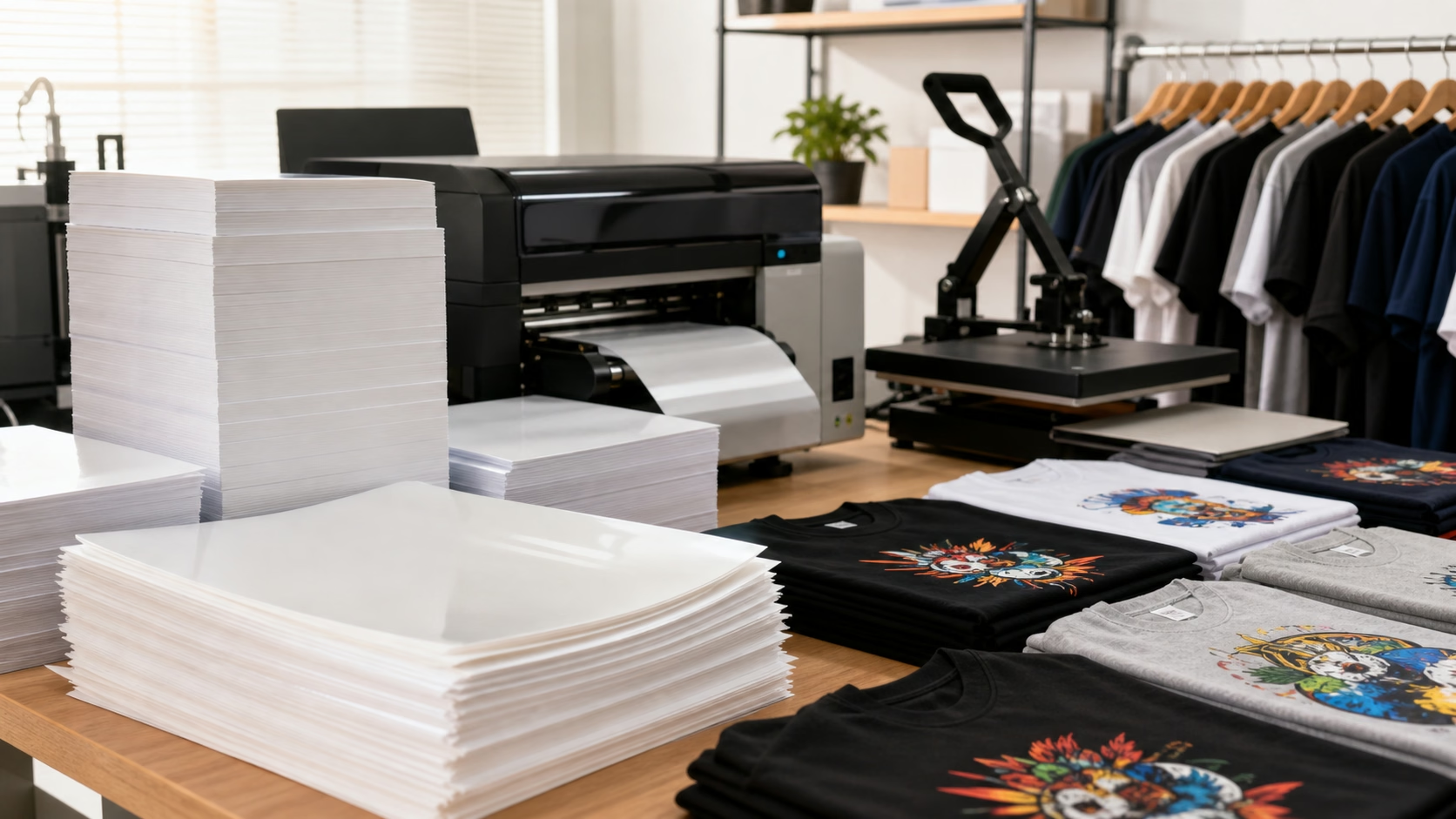
Unused DTF transfer films—whether in roll or sheet form (such as the popular 8 x 11 sheets)—have a finite shelf life determined by their composition and storage environment. Most high-quality DTF films, when stored properly, maintain their usability for 6 to 12 months from the date of manufacture. This window can extend to 18 months for premium films with advanced coating technologies, but it rarely exceeds this timeframe, as the film’s receptive layer (critical for ink adhesion) degrades over time.
The shelf life clock begins ticking once the film’s packaging is opened, as exposure to air, moisture, and light accelerates degradation. Unopened films, sealed in moisture-resistant packaging, retain their quality longer, but even these will eventually lose their effectiveness if stored for years.
1.2 Transferred DTF Films: Durability on Substrates
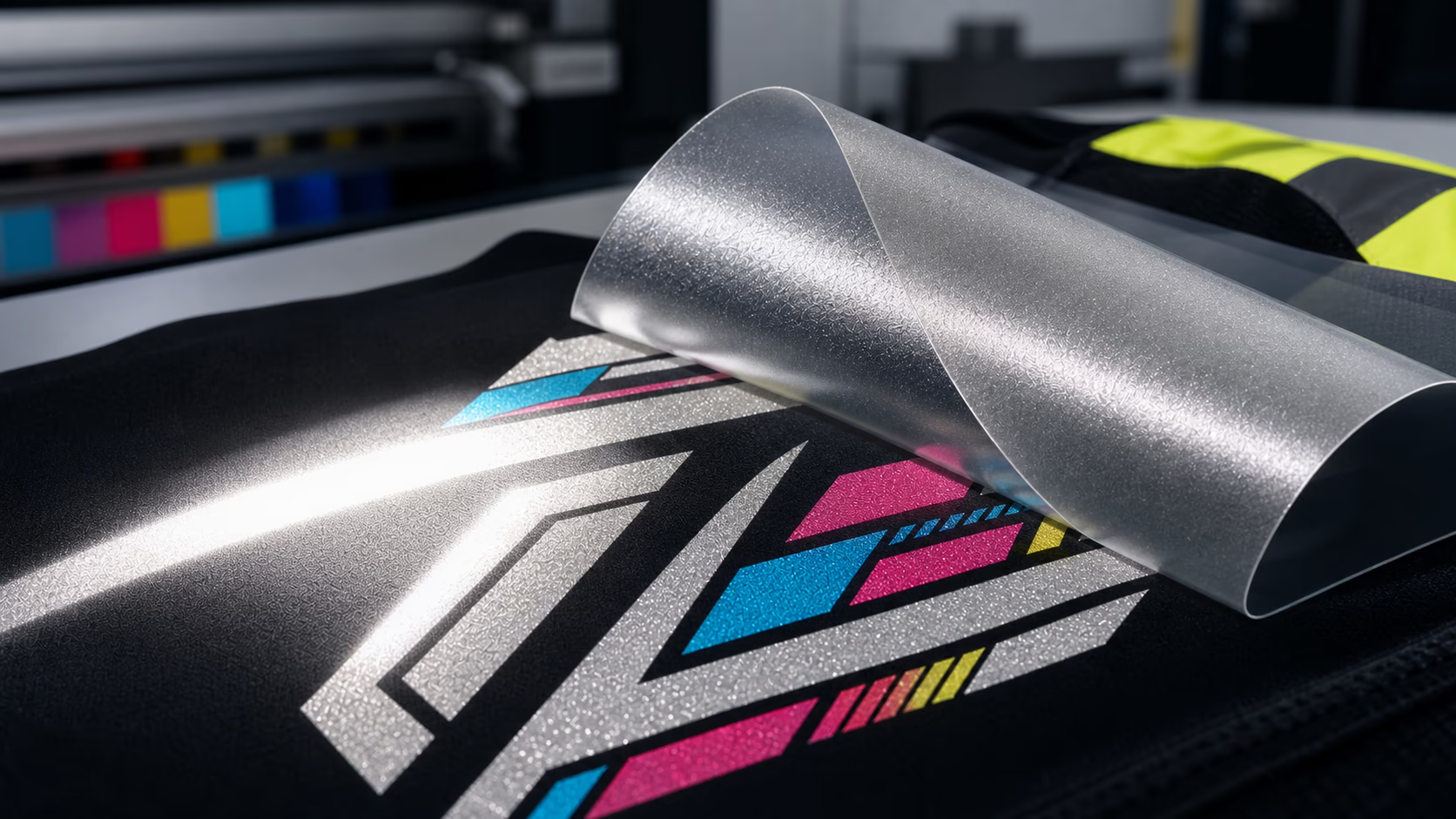
The more pressing concern for most users is how long the transferred DTF design lasts on the final product—whether it’s a t-shirt, tote bag, or promotional item. When applied correctly, DTF transfers can maintain their vibrancy, adhesion, and structural integrity for 2 to 5 years under normal use conditions. For high-traffic items (e.g., workwear, children’s clothing), the lifespan may shorten to 1 to 3 years, while carefully cared-for items (e.g., decorative home decor) can retain quality for 5+ years.
This durability places DTF transfers on par with or exceeding other popular customization methods like heat transfer vinyl (HTV) and screen printing, especially for cotton and blended substrates. The key differentiator is that DTF’s adhesive-ink bond creates a more flexible, long-lasting connection to the material, reducing cracking and peeling over time.
2. Key Factors That Impact DTF Transfer Film Lifespan
To understand why DTF transfer film lifespans vary so widely, it’s essential to examine the core factors that influence both shelf life and post-transfer durability. These factors range from the film’s manufacturing quality to the end user’s care habits.
2.1 Material Quality: The Foundation of Durability
The quality of the DTF transfer film itself is the most fundamental determinant of lifespan. Premium films are constructed with thick, heat-stable polyester (PET) bases and uniform receptive coatings—both of which resist degradation. In contrast, low-cost, generic films often use thin PET or uneven coatings, leading to: Shorter shelf life: Poorly coated films may lose ink receptivity within 3 to 6 months of storage.Reduced post-transfer durability: Thin PET or weak adhesives can lead to peeling, fading, or cracking after just a few washes.
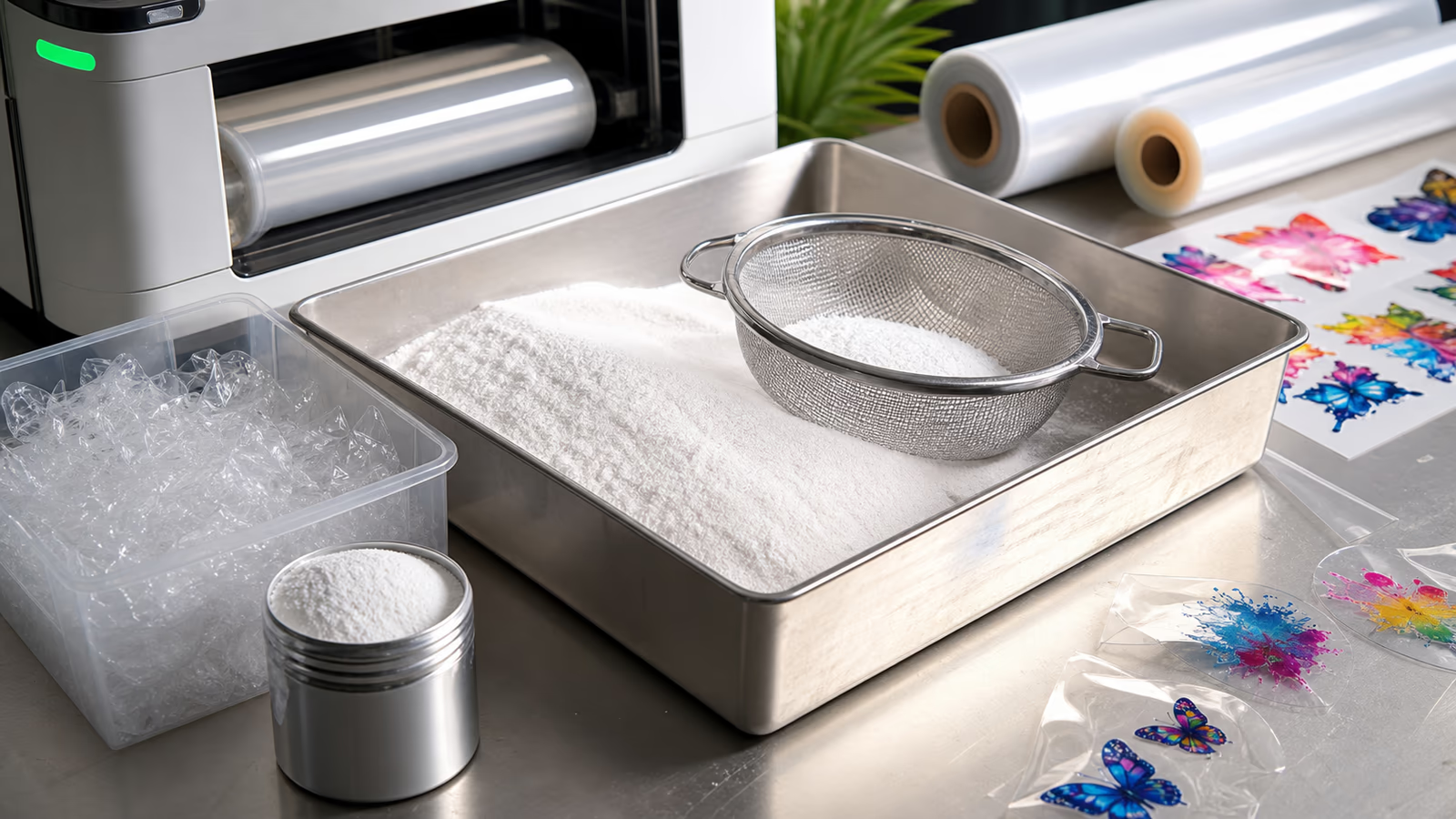
Additionally, the quality of complementary materials—DTF inks and adhesive powders—plays a role. Water-based, pigmented DTF inks (vs. dye-based alternatives) and high-melt adhesive powders create stronger bonds that resist fading and wear, directly extending the transferred design’s lifespan.
2.2 Storage Conditions: Preserving Unused Films
Even the highest-quality DTF films will degrade quickly if stored improperly. The ideal storage environment for unused DTF films is: Temperature-controlled: 15–25°C (59–77°F) to avoid heat-induced warping or coating breakdown.Low humidity: 40–60% relative humidity to prevent moisture from damaging the receptive layer (moisture can cause ink bleeding during printing).Light-protected: Stored in opaque containers or original packaging to shield from UV light, which fades the coating and reduces ink adhesion.Flat or rolled properly: Sheets should be stored flat to avoid creasing; rolls should be hung or stored horizontally to prevent deformation.
Avoid storing films near heaters, air conditioners, or areas prone to temperature fluctuations (e.g., garages), as these conditions accelerate degradation.
2.3 Application Technique: Getting the Bond Right
A poorly applied DTF transfer will fail prematurely, regardless of film quality. Three critical application steps directly impact post-transfer lifespan: Curing: Under-curing leaves the adhesive insufficiently bonded to the film, leading to peeling; over-curing degrades the adhesive, reducing flexibility. Following manufacturer guidelines (typically 100–120°C for 60–90 seconds) is non-negotiable.Heat press settings: Incorrect temperature (too low = weak adhesion; too high = adhesive burn), pressure (too little = uneven bond; too much = substrate damage), or time (too short = incomplete activation) all shorten lifespan. Most substrates require 150–160°C, medium pressure (4–6 kg/cm²), and 10–15 seconds.Substrate preparation: Oils, dirt, or fabric softener residue on the substrate creates a barrier between the adhesive and material. Cleaning with isopropyl alcohol and a lint roller ensures a strong, lasting bond.
2.4 Post-Transfer Care: Extending Print Longevity
Once the DTF transfer is applied, the end user’s care habits become the primary factor in lifespan. Proper care can double the durability of printed items, while neglect will cause rapid deterioration. Key post-care practices include: Washing: Use cold water (30°C/86°F or lower), mild detergent, and avoid bleach or fabric softeners. Wash printed items inside out to reduce friction on the design.Drying: Tumble dry on low heat or hang to dry. High heat can melt the adhesive, causing the design to lift.Ironing: Avoid ironing directly on the transfer; if needed, iron inside out on a low setting.Usage: Minimize exposure to harsh chemicals (e.g., industrial cleaners for workwear) or excessive abrasion (e.g., scrubbing the design with a brush).
2.5 Substrate Type: Matching Film to Material
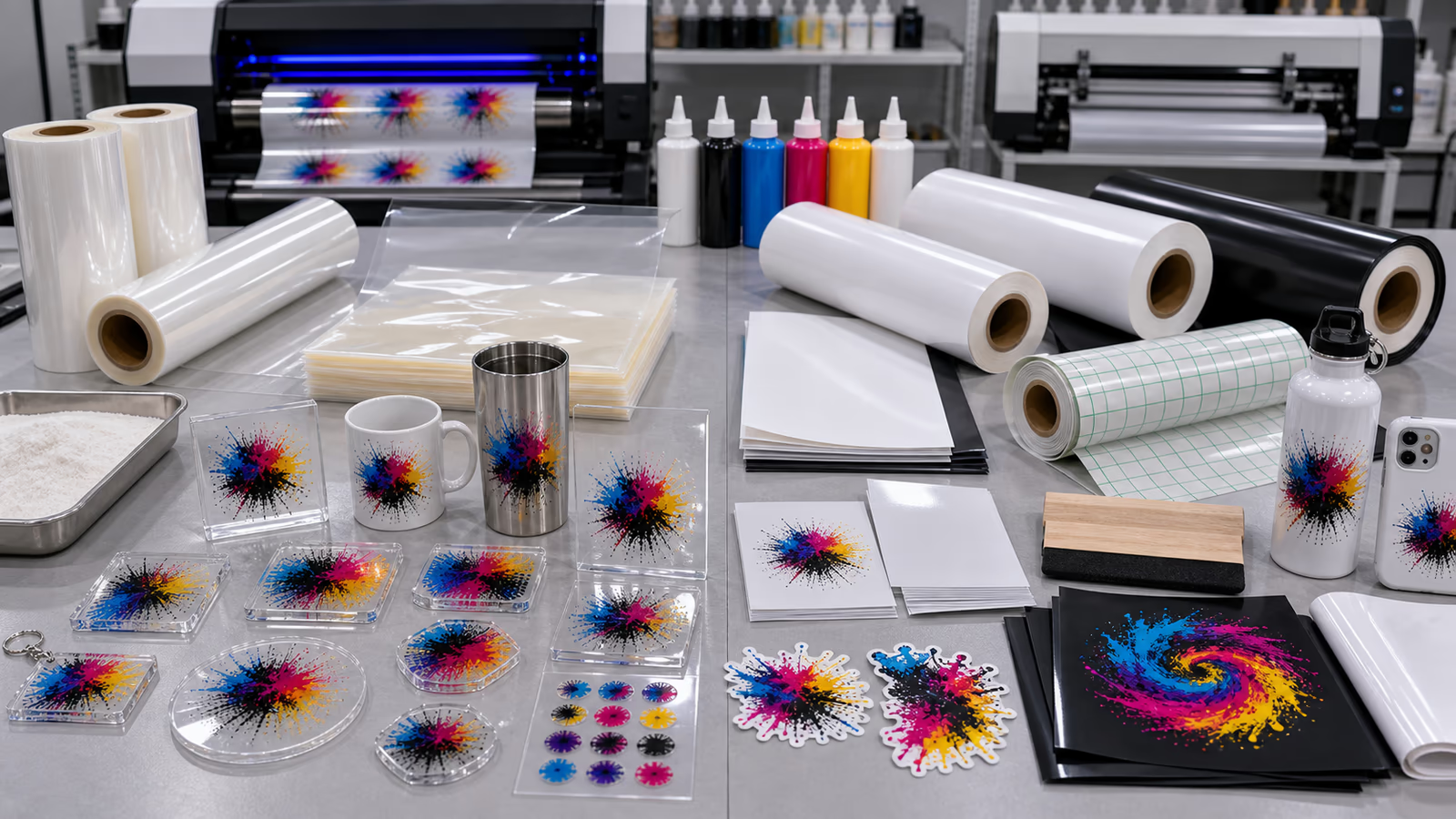
The type of substrate (material) the DTF film is transferred to also affects lifespan. DTF films bond most effectively with: Cotton and cotton blends: The porous nature of cotton allows the adhesive to penetrate, creating a strong bond that lasts 3–5 years.Polyester and synthetic blends: Requires heat-stable films to avoid sublimation issues; lifespan is similar to cotton if applied correctly.Hard substrates (metal, plastic, wood): Lifespan can exceed 5 years if the film is designed for non-fabric use, as these materials experience less wear than clothing.
Stretchy substrates (e.g., spandex, lycra) require DTF films with flexible adhesives; using standard films will lead to cracking as the material stretches, shortening lifespan to 1–2 years.
3. How to Extend the Lifespan of DTF Transfer Films
Armed with an understanding of the key factors, you can implement targeted strategies to maximize both the shelf life of unused films and the durability of transferred designs.
3.1 For Unused Films: Optimize Storage
- Keep unopened films in their original moisture-sealed packaging until ready to use.
- Store opened films in airtight containers with desiccants to absorb excess moisture.
- Label films with the purchase date to prioritize older stock and avoid expiration.
- Avoid stacking heavy objects on film sheets, as this causes permanent creases that ruin print quality.
3.2 For Transferred Designs: Master Application and Educate Users
- Calibrate your heat press regularly to ensure accurate temperature and pressure readings.
- Test film-adhesive-ink combinations on sample substrates before full production runs.
- Provide clear care instructions to customers (e.g., “Wash inside out in cold water”)—printing these instructions on a tag or label adds value and extends the design’s life.
- Use substrate-specific films (e.g., flexible films for activewear, heat-resistant films for hard materials) to match the application’s needs.
4. When to Replace Unused DTF Transfer Films
Even with proper storage, unused DTF films will eventually become unusable. Watch for these warning signs that indicate the film has expired: Coating degradation: The film’s surface appears dull, sticky, or flaky—this means the receptive layer can no longer hold ink.Ink bleeding: During printing, ink spreads uncontrollably on the film, resulting in blurry designs.Poor adhesion during curing: After applying adhesive powder and curing, the powder easily rubs off the film.
Using expired films leads to wasted ink, time, and substrates—replacing them promptly is more cost-effective than attempting to salvage them.
5. Conclusion: Balancing Expectations and Best Practices
The lifespan of DTF transfer films is a reflection of both the materials you choose and the care you invest—from storage to application to post-transfer maintenance. Unused films last 6–12 months with proper storage, while transferred designs can remain vibrant and intact for 2–5 years (or longer with meticulous care). By prioritizing high-quality films, optimizing storage conditions, mastering application techniques, and educating users on proper care, you can maximize the durability of DTF prints and get the most value from your DTF printing investments.
Ultimately, DTF transfer films offer a durable, versatile solution for customization—but their longevity is not guaranteed. By understanding and addressing the key factors that influence lifespan, you can ensure that your DTF prints stand the test of time, whether they’re on a customer’s favorite t-shirt or a branded promotional item.