“The Ultimate Film for Double-Sided Reusability – Is DTF Film!” -MAXDTF- impressora DTF A4 Manufacturer, DTF Film Matte Factory, Made in china
As Direct-to-Film (DTF) printing continues to gain traction among small businesses and hobbyists for its versatility and cost-efficiency, innovations in consumables are constantly emerging to enhance its sustainability and profitability. One question that frequently arises in the DTF community is: Is it possible to use reusable double-sided DTF film? This query touches on both technical feasibility and practical viability, as businesses seek to reduce waste and lower material costs. While traditional DTF film is designed for single-use applications, advancements in film materials and printing processes have sparked discussions about the potential of reusable double-sided options. This article explores the feasibility of reusable double-sided DTF film, examining its technical requirements, potential benefits, existing challenges, and practical considerations for implementation.
Understanding DTF Film Basics: Why Single-Use Is Standard
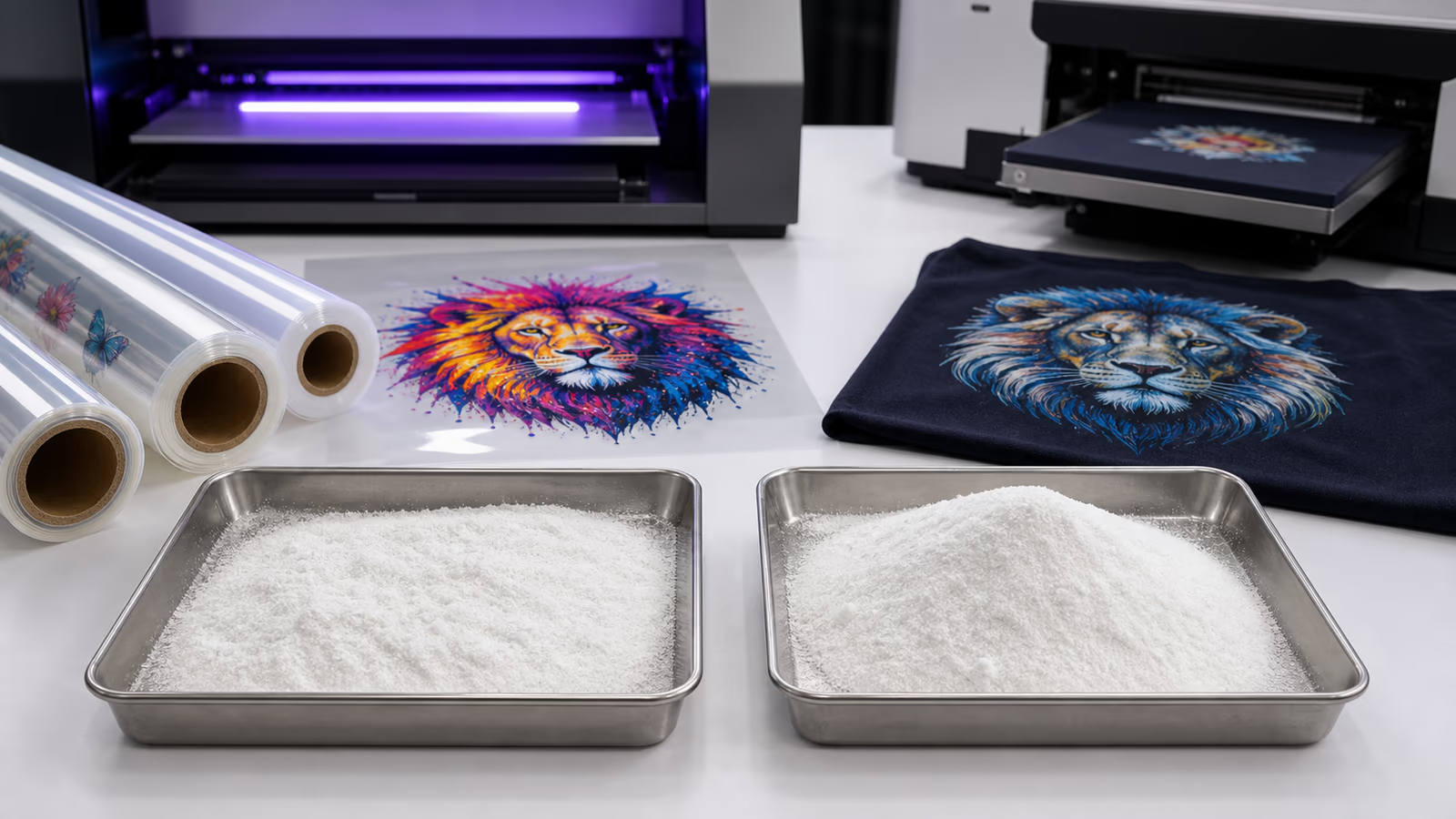
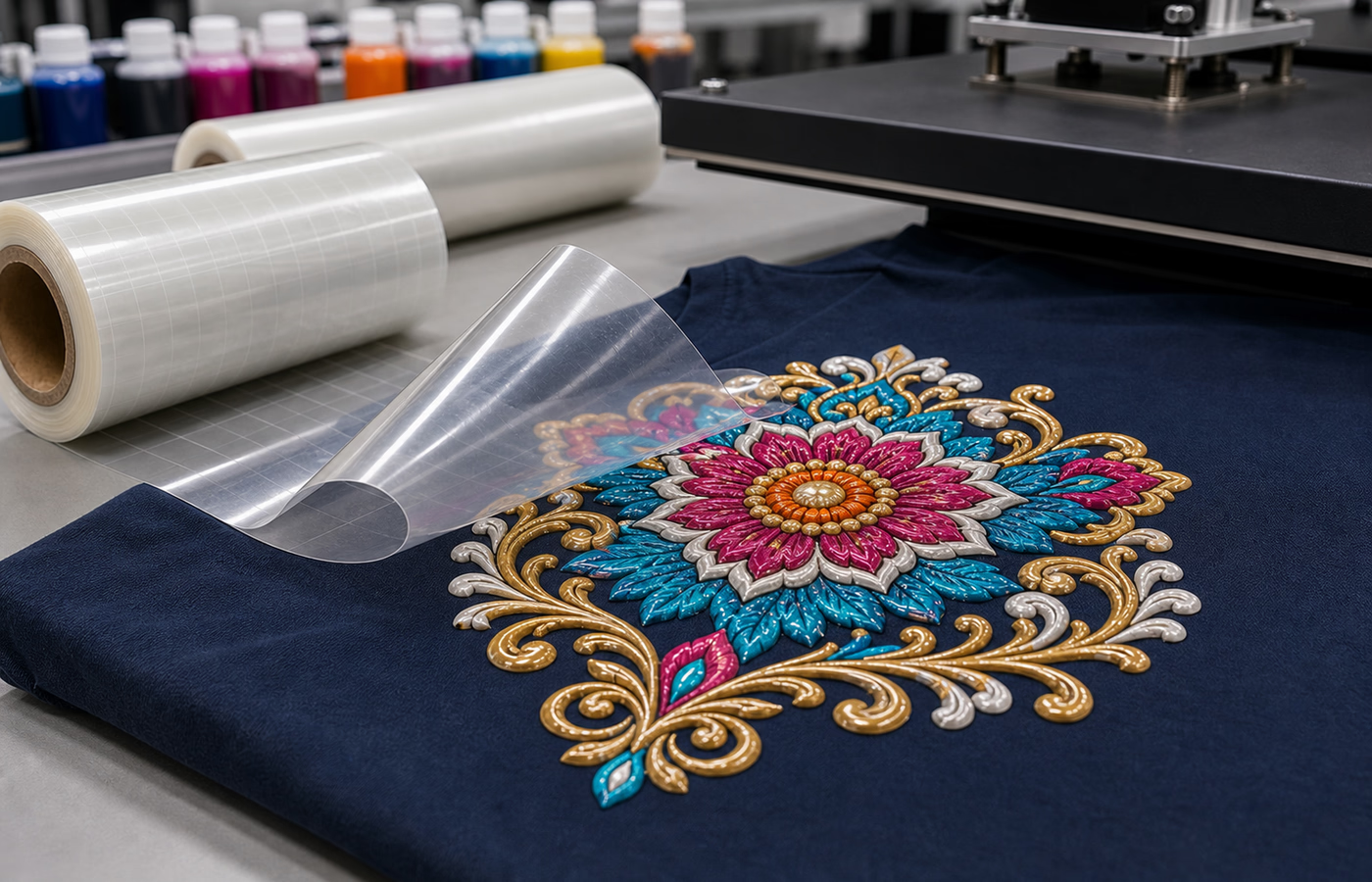
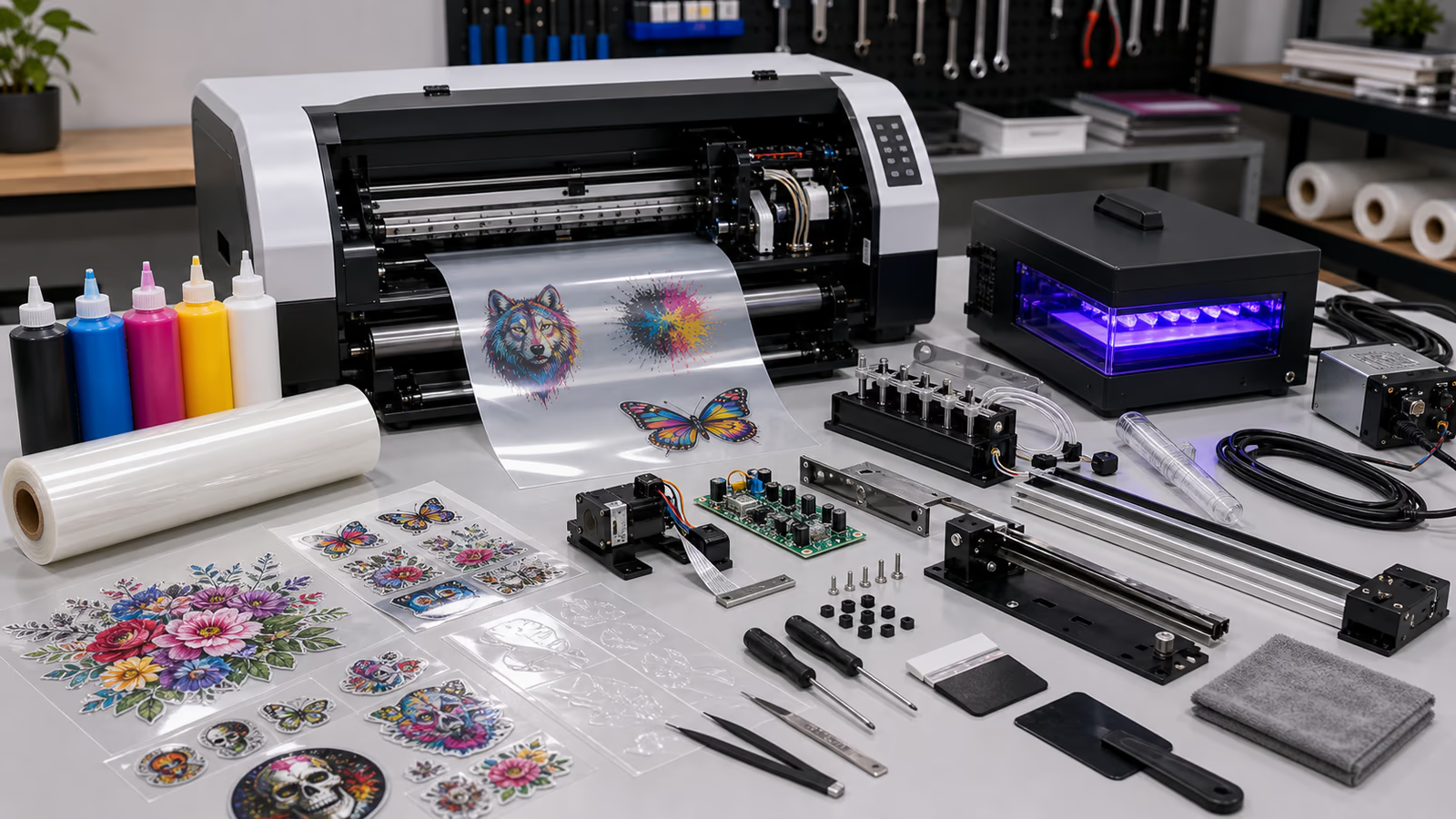
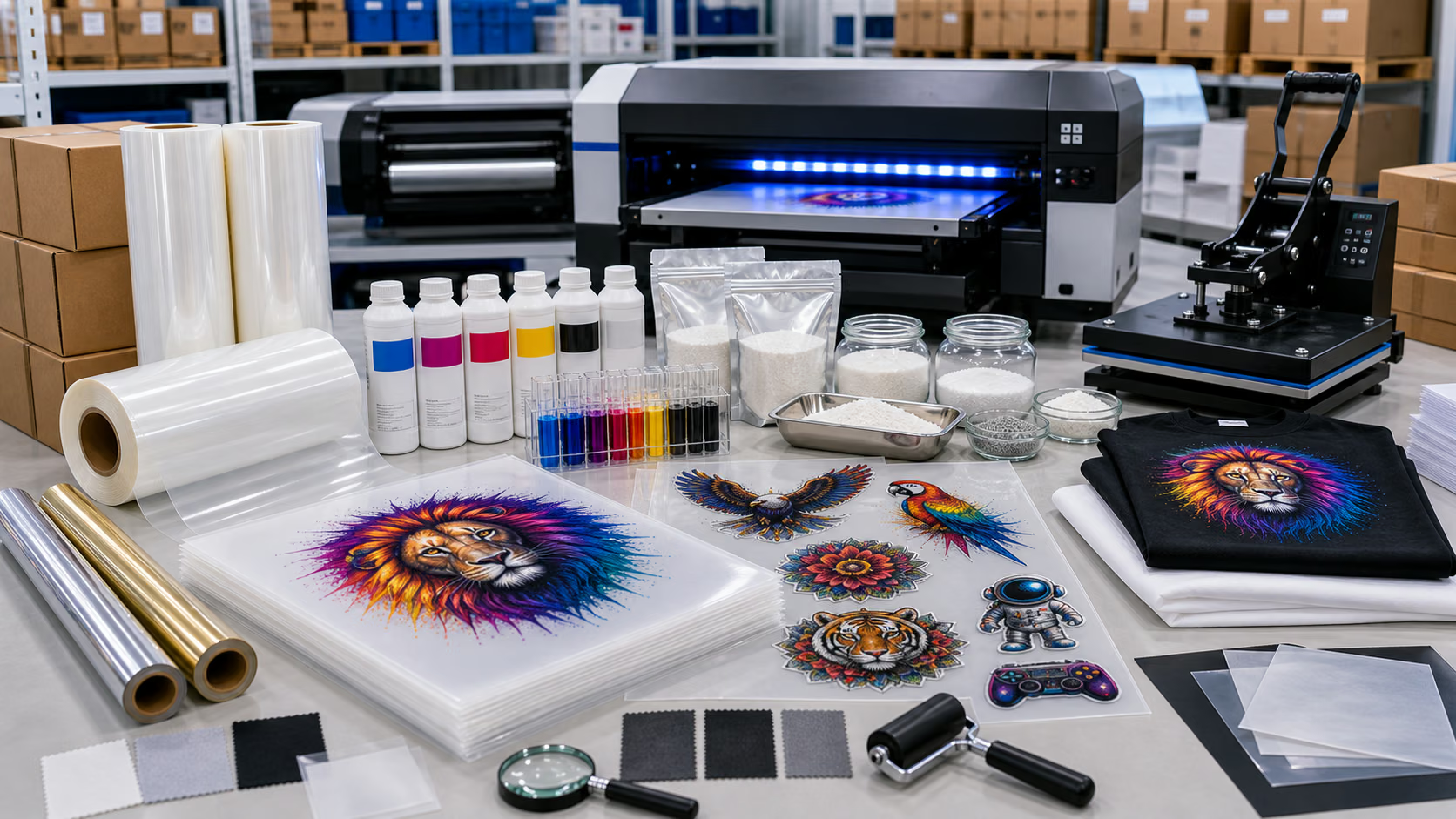
To evaluate the feasibility of reusable double-sided DTF film, it is first essential to understand the role of DTF film in the printing process. Traditional DTF film is a polyester-based sheet coated with a special adhesive layer that absorbs ink and holds the powder adhesive during curing. The process typically involves four key steps: printing the design onto the film, applying heat-sensitive powder to the printed area, curing the powder to bond it with the ink, and transferring the design from the film to the target material (e.g., fabric, leather) using heat and pressure.
Traditional DTF film is intended for single use primarily because the adhesive layer and ink absorption properties degrade after the first transfer. During curing and transfer, the adhesive layer melts and bonds with the target material, leaving little to no functional adhesive on the film for subsequent use. Additionally, residual ink and powder can accumulate on the film, compromising print quality if reused. For these reasons, single-use film has become the industry standard, with most DTF printers and workflows optimized for this disposable model.
Technical Feasibility: What Would Reusable Double-Sided DTF Film Require?
While single-use is standard, the concept of reusable double-sided DTF film is not inherently impossible—but it requires significant modifications to traditional film materials and the DTF printing process. For such a film to work, it must meet several technical criteria that address the limitations of single-use film.
1. Specialized Coating Technology
The most critical requirement for reusable DTF film is a durable, heat-resistant coating that can withstand multiple curing and transfer cycles. Unlike traditional adhesive coatings that melt and bond permanently during transfer, the coating on reusable film must be designed to release the ink-powder layer completely onto the target material without degrading. This coating would need to be non-stick yet receptive to ink and powder during the printing phase, and resilient enough to maintain its properties after repeated exposure to heat (typically 320–350°F / 160–175°C) and pressure.
For double-sided functionality, both sides of the film would need this specialized coating, allowing designs to be printed on either side for sequential transfers. The coating must also be thin enough to avoid affecting print precision but thick enough to prevent damage during handling and transfer.
2. Compatibility with DTF Inks and Powders
Reusable double-sided DTF film must be compatible with standard DTF inks (water-based or solvent-based) and powder adhesives. The coating should absorb ink evenly to ensure vibrant, sharp prints and hold the powder securely during the curing process—without the powder adhering permanently to the film. This requires a delicate balance: the coating must have sufficient surface tension to retain ink and powder during preparation but release them completely when heat and pressure are applied.
3. Structural Durability
The base film material (typically polyester) would need to be thicker or reinforced to withstand repeated handling, curing, and transfer cycles. Traditional DTF film is relatively thin (around 0.1–0.15 mm) and can tear or warp after a single use, but reusable film would need to be more robust to avoid damage during multiple applications. Additionally, the film must maintain its flatness and dimensional stability to ensure consistent print alignment across multiple uses.
Potential Benefits of Reusable Double-Sided DTF Film
If technically feasible, reusable double-sided DTF film could offer several compelling benefits for small businesses and printers, addressing key pain points of traditional single-use film.
1. Cost Savings
Material costs are a significant portion of DTF printing overhead, with film rolls typically costing $20–$50 per roll (depending on size and quality). Reusable film that can be used 5–10 times would drastically reduce per-print material costs, making DTF printing more affordable for high-volume or budget-conscious businesses.
2. Environmental Sustainability
DTF printing generates a significant amount of waste from single-use film, which contributes to plastic pollution. Reusable film would reduce this waste footprint, aligning with the growing demand for sustainable printing practices. For businesses prioritizing eco-friendly operations, this could be a key differentiator in the market.
3. Increased Efficiency for Small-Batch Production
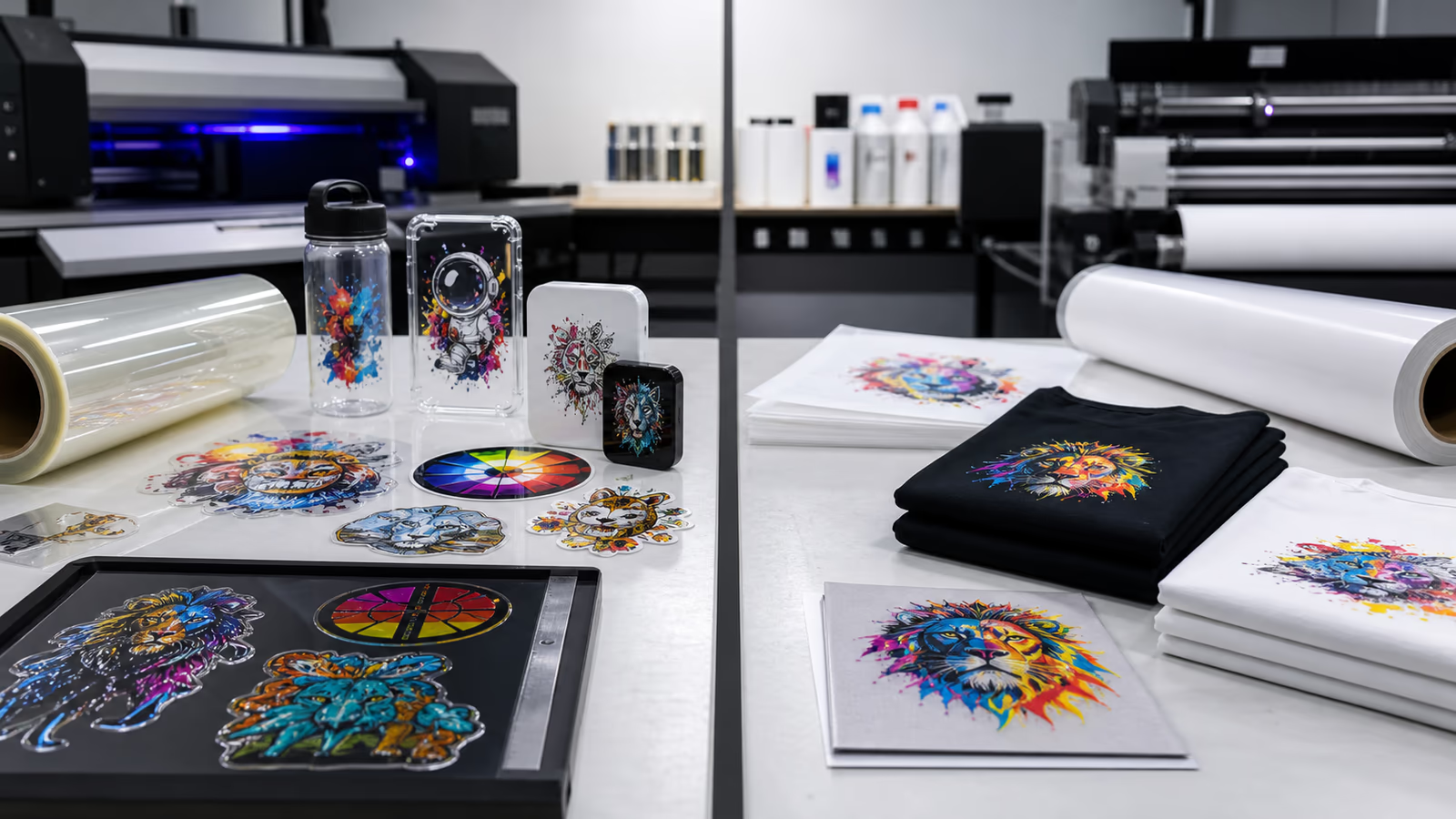
Double-sided functionality would allow printers to prepare two designs simultaneously (one on each side of the film), streamlining workflow for small-batch orders. This could reduce setup time and increase productivity, as there is no need to change film rolls or sheets between prints.
Current Challenges and Limitations
Despite its potential benefits, reusable double-sided DTF film faces several significant challenges that currently limit its practical implementation. These obstacles are primarily technical and economic, making widespread adoption difficult at present.
1. Technical Barriers to Coating Durability
Developing a coating that can withstand multiple heat cycles while maintaining ink/powder receptivity and release properties is a major technical hurdle. Current coating technologies for DTF film are optimized for single use, and adapting them for reusability requires advanced materials science. As of now, no commercial coatings can reliably perform across 5+ transfer cycles without degradation in print quality or release performance.
2. Residual Ink and Powder Buildup
Even with a specialized coating, residual ink and powder are likely to accumulate on the film after each use. This buildup can cause print defects (e.g., smudging, uneven ink absorption) in subsequent prints, reducing the film’s usable lifespan. Cleaning the film between uses would add time and labor costs, offsetting some of the benefits of reusability.
3. Higher Upfront Costs
Reusable double-sided DTF film would require more expensive materials and manufacturing processes than traditional film. The upfront cost of such film could be 2–3 times higher than single-use film, making it less attractive for small businesses unless the cost savings from reusability are significant. For many, the risk of investing in unproven, expensive film may outweigh the potential long-term benefits.
4. Compatibility with Existing DTF Equipment
Most current DTF printers and curing systems are designed for single-use film. Reusable film’s thicker, more durable construction may not be compatible with some printers’ feed mechanisms, leading to jams or misalignment. Additionally, curing times and temperatures may need to be adjusted for reusable film, requiring businesses to modify their existing workflows—a barrier for those unwilling to invest in equipment upgrades or process changes.
Practical Considerations for Early Adopters
For businesses interested in exploring reusable double-sided DTF film (once viable options become available), several practical considerations should be taken into account to ensure successful implementation.
1. Test with Small Batches First
Before scaling up, test the reusable film with small, low-risk batches to evaluate print quality, transfer performance, and film durability across multiple uses. This will help identify any issues (e.g., residual buildup, coating degradation) and determine the film’s actual usable lifespan.
2. Invest in Compatible Equipment
Ensure that your DTF printer, curing oven, and heat press are compatible with thicker, reusable film. Some printers may require adjustments to the feed rollers or print head height, while heat presses may need to be calibrated to ensure even pressure across the film’s surface.
3. Calculate Total Cost of Ownership
When evaluating reusable film, calculate the total cost of ownership (TCO) rather than just the upfront cost. TCO includes the film’s price, the number of usable transfers, cleaning costs, and any equipment modifications. Compare this to the TCO of single-use film to determine if reusability offers a genuine cost advantage.
Conclusion: Feasible in Theory, Limited in Practice (For Now)
In summary, while the use of reusable double-sided DTF film is technically feasible in theory, current limitations in coating technology, residual buildup, and equipment compatibility make it impractical for widespread use today. The concept holds promise for reducing costs and improving sustainability in DTF printing, but significant advancements in material science and equipment design are needed to overcome existing challenges.
For small businesses and DTF enthusiasts, single-use film remains the most reliable and cost-effective option for now. However, as the DTF industry continues to innovate, it is possible that reusable double-sided film could become a viable alternative in the future—especially as demand for sustainable printing practices grows. Until then, businesses can focus on optimizing their existing single-use workflows (e.g., using high-quality film to minimize waste, recycling unused film scraps) to balance cost efficiency and environmental responsibility.