“Unlock the Power of PET Film for DTF Printing!” -MAXDTF- A3 DTF Film Supplier, DTF glossy Film Factory, Made in china
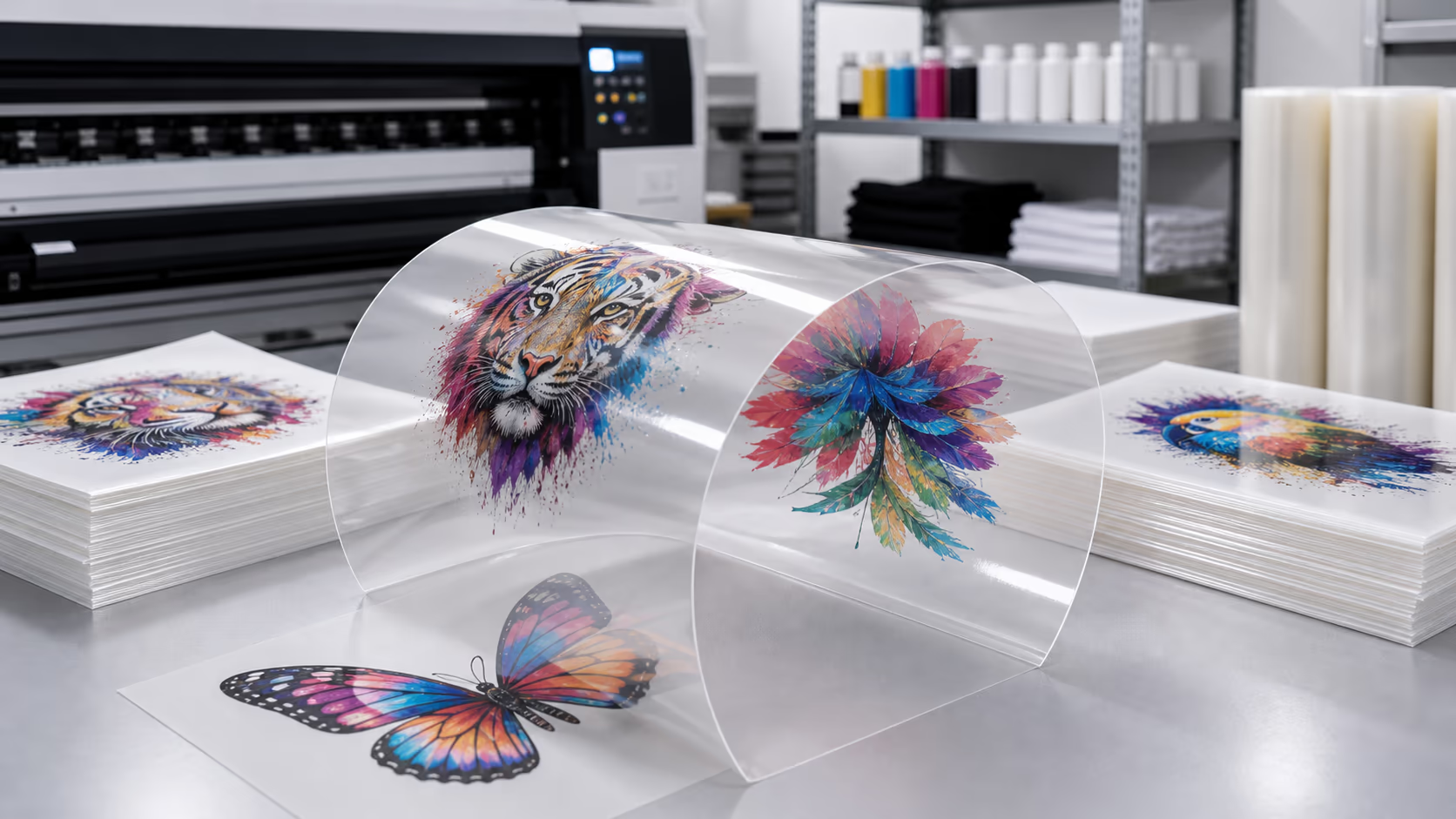
In the realm of Direct-to-Film (DTF) printing, the term “PET Film para DTF” is frequently encountered by hobbyists, small business owners, and industry professionals alike. For those new to DTF technology, this phrase may seem technical, but its core meaning and importance are straightforward. Simply put, “PET Film para DTF” refers to polyethylene terephthalate (PET) film specifically designed and manufactured for use in DTF printing processes. Breaking down the term: “PET” denotes the base material (polyethylene terephthalate), “Film” describes its thin, flexible form, and “para DTF” (with “para” being Spanish/Portuguese for “for”) clarifies its dedicated purpose for DTF applications. This article delves into the details of PET Film para DTF, explaining its role in DTF printing, key characteristics, and why it is an indispensable component of successful DTF transfers.
The Role of PET Film para DTF in DTF Printing
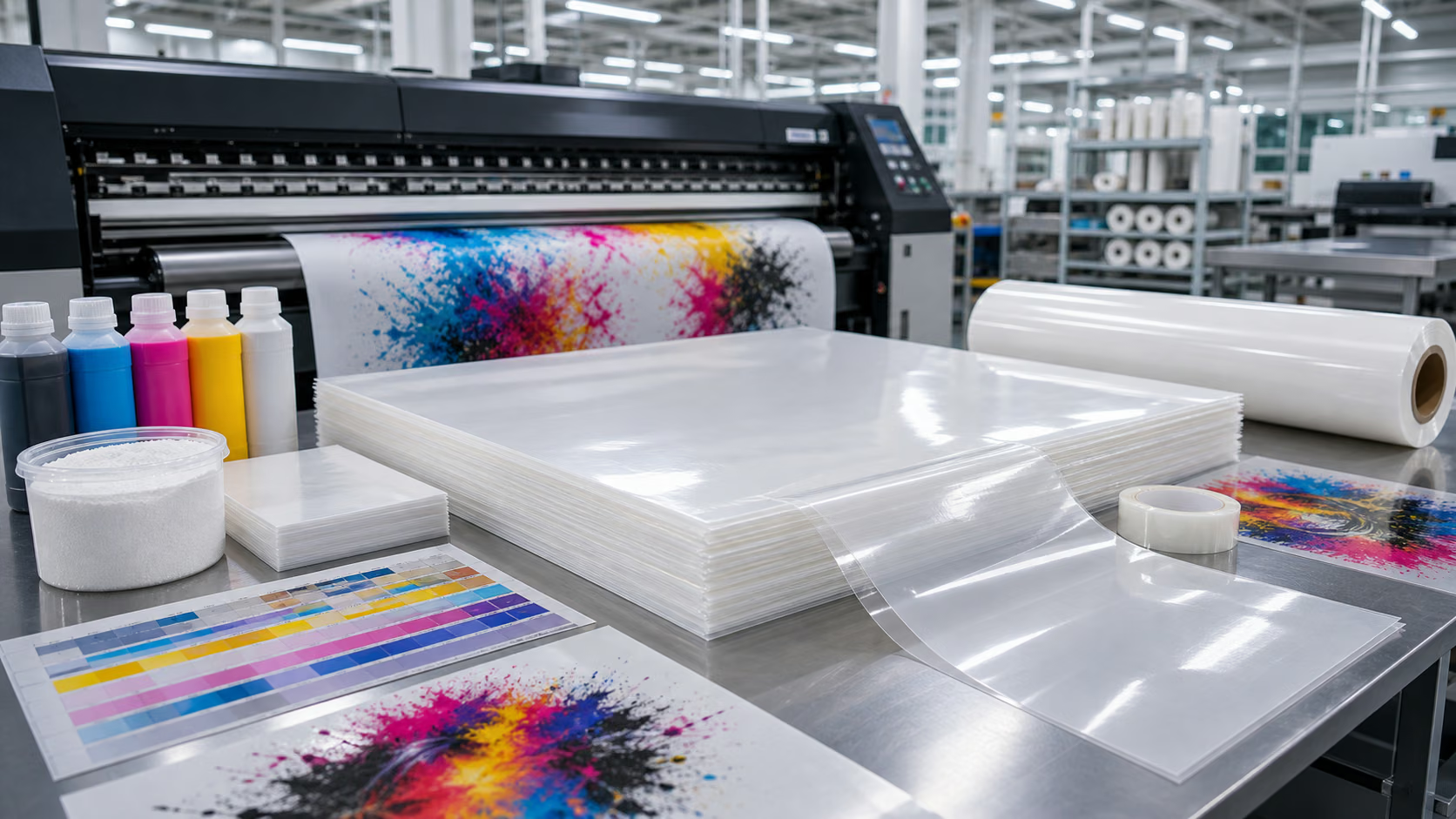
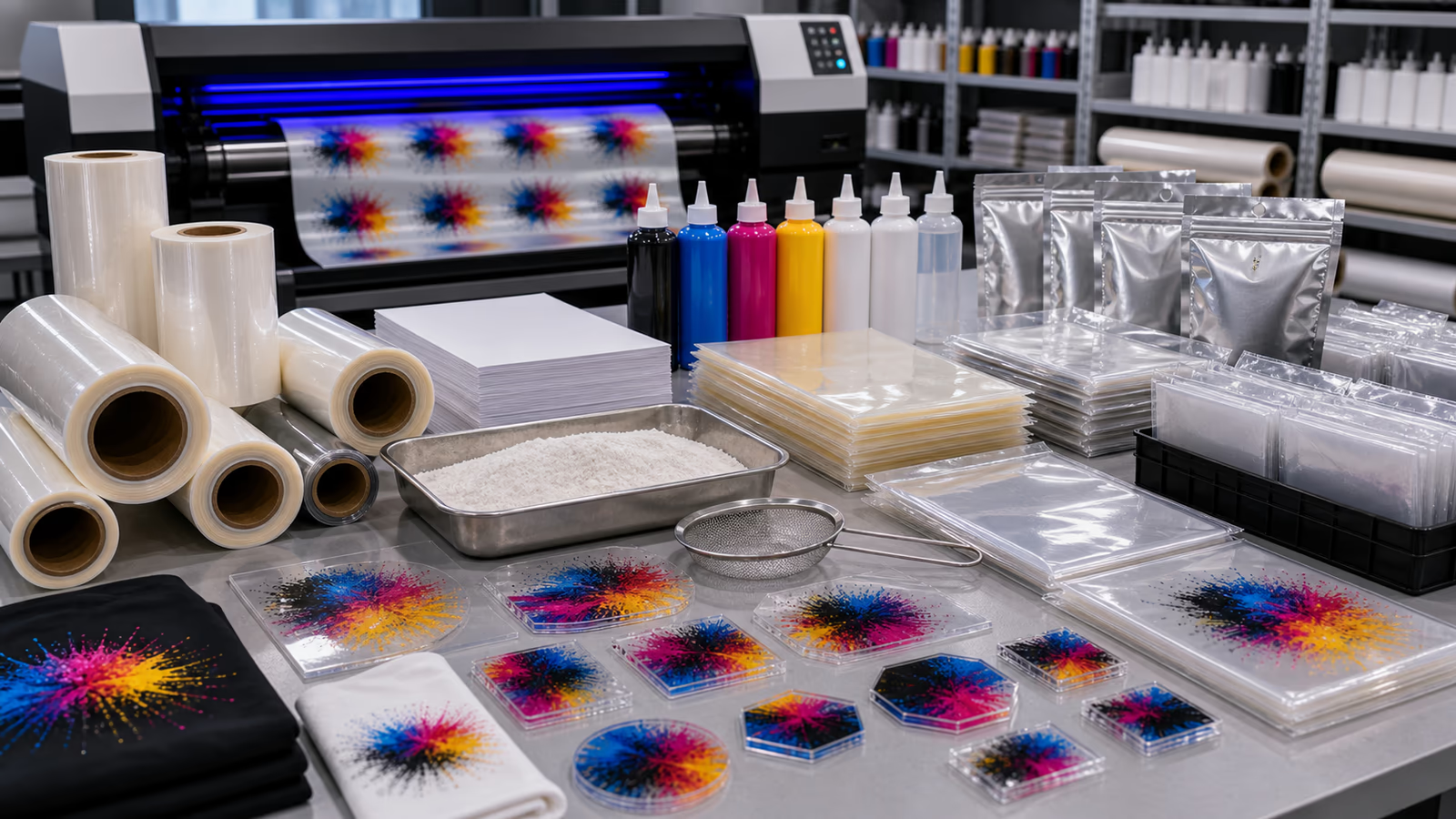
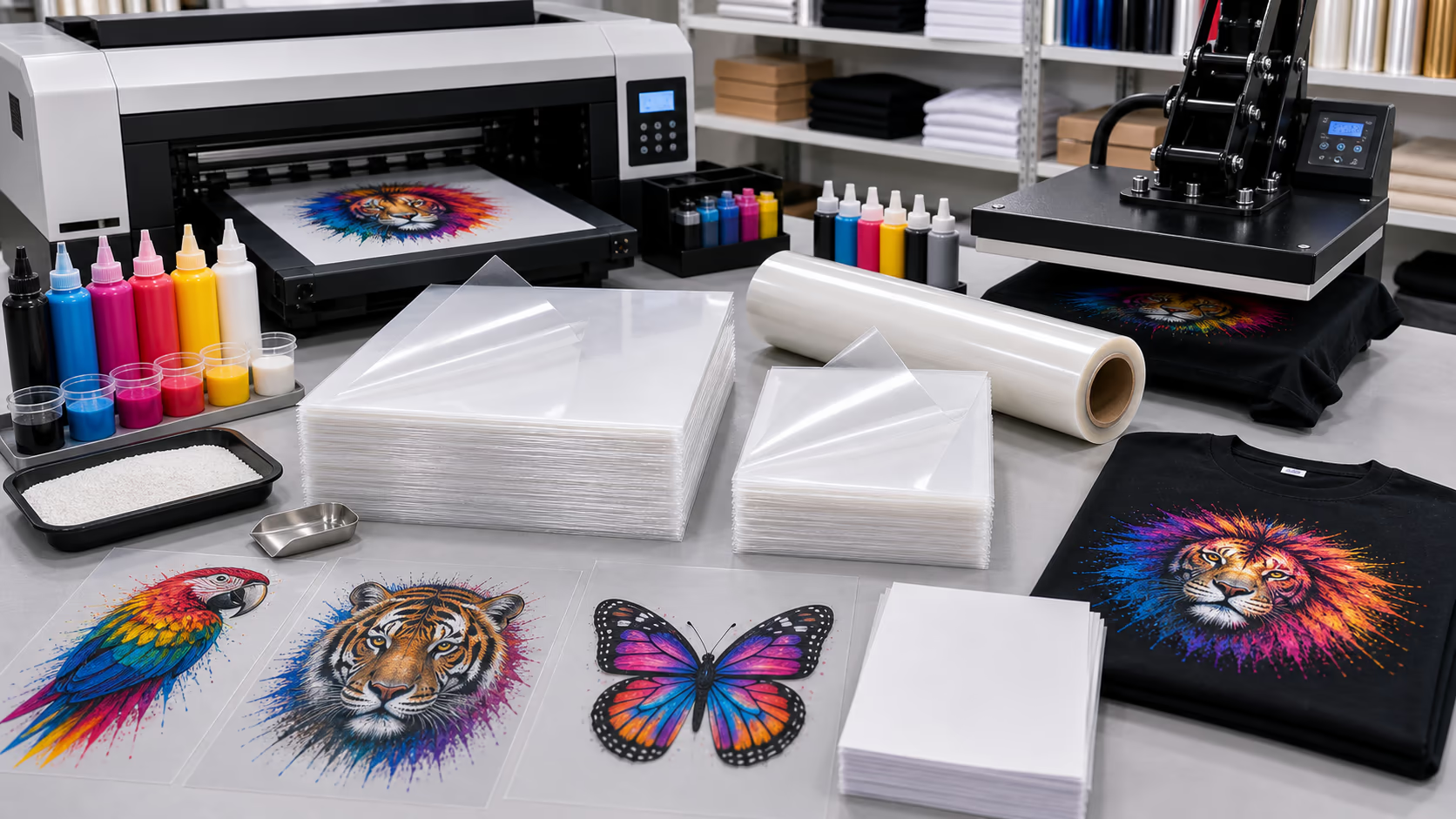
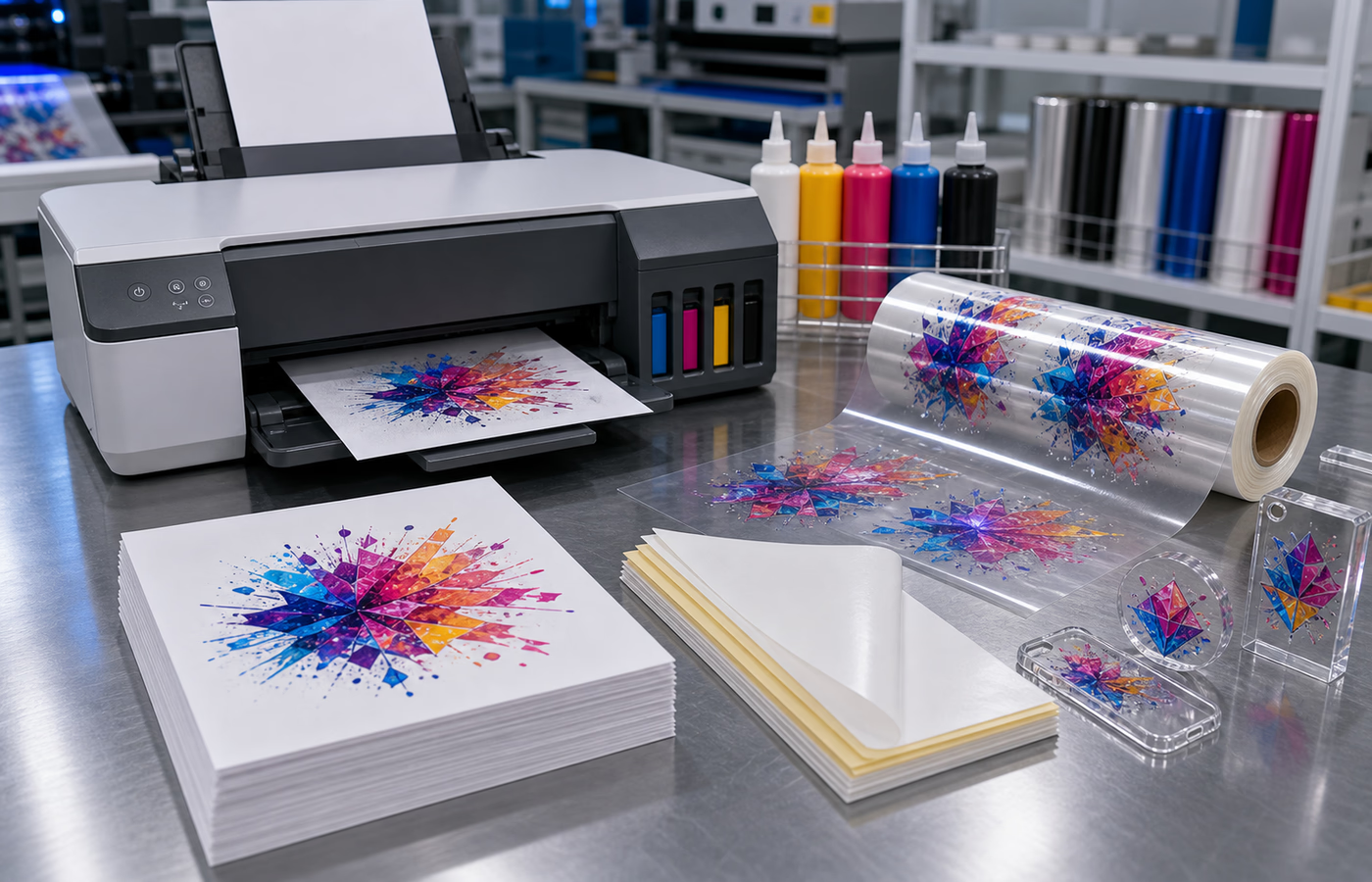
To understand the significance of PET Film para DTF, it is first essential to recap the basics of the DTF printing workflow. DTF printing is a popular custom decoration method that involves transferring digital designs onto a wide range of substrates (e.g., fabrics, wood, plastic, metal) using a combination of ink, adhesive, heat, and pressure. At the heart of this process lies the PET film, which acts as a temporary carrier for the design during printing and transfer.
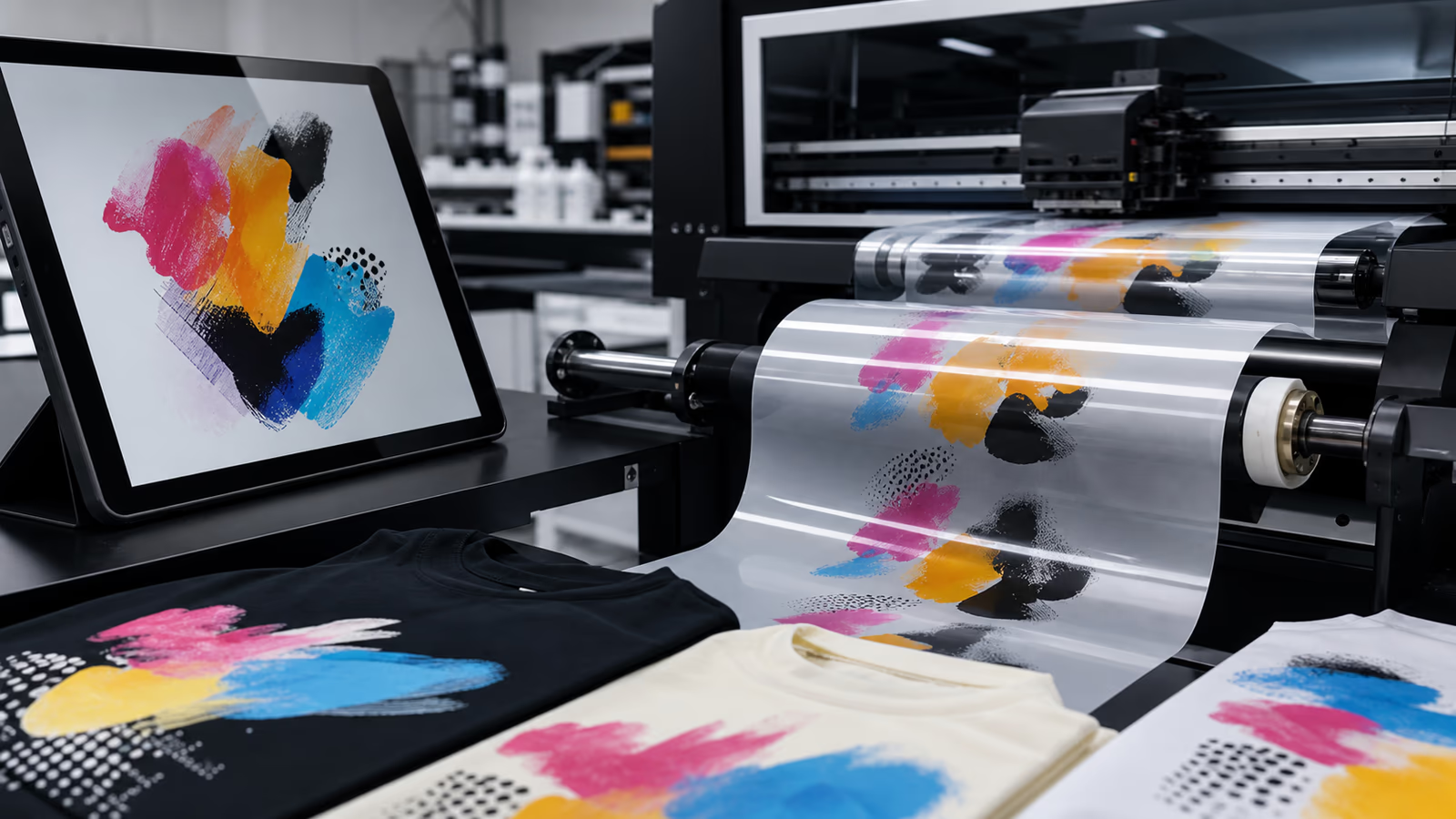
Here’s how PET Film para DTF fits into the DTF workflow: First, a DTF printer deposits water-based or UV-curable DTF ink directly onto the PET film, creating the desired design. Next, a layer of hot-melt adhesive powder is applied to the wet ink, adhering to the design while excess powder is recycled. The film (with the ink and adhesive layer) is then cured (dried) using heat or UV light. Finally, the cured design is transferred from the PET film to the target substrate via a heat press—heat melts the adhesive, bonding the ink to the substrate permanently, and the PET film is peeled away, leaving only the design behind. Without a high-quality PET film tailored for DTF, this process would fail to produce sharp, durable results, as the film must reliably hold the ink and adhesive during printing and release them cleanly during transfer.
Key Characteristics of High-Quality PET Film para DTF
Not all PET films are suitable for DTF printing—PET Film para DTF is engineered with specific properties to meet the unique demands of the DTF process. The most critical characteristics include:
- Specialized Coating: The surface of PET Film para DTF is coated with a proprietary layer that ensures strong adhesion of DTF inks. This coating prevents ink bleeding, smudging, or fading during printing and curing, resulting in sharp, vibrant designs. Without this coating, ink would bead up or spread on the film’s smooth surface, ruining the design’s clarity.
- Optimal Thickness: PET Film para DTF typically has a thickness of 100–120 microns (0.1–0.12 mm). This thickness strikes a balance between durability and flexibility—thick enough to withstand handling during printing and transfer (without tearing) but thin enough to peel away easily from the substrate after heat application. Thicker films may be harder to peel, while thinner films risk tearing or warping under heat.
- Heat Resistance: DTF printing involves exposure to high temperatures during curing (up to 160°C / 320°F) and transfer (up to 177°C / 350°F). PET Film para DTF is designed to resist these temperatures without melting, warping, or releasing harmful fumes. This heat stability ensures the film maintains its shape throughout the process, keeping the design aligned and intact.
- Uniformity: High-quality PET Film para DTF has consistent thickness and coating across its entire surface. Uniformity is crucial for even ink absorption and adhesive application, which in turn ensures consistent color and adhesion across the entire design. Irregularities in the film can lead to patchy prints or areas where the design fails to transfer properly.
- Peelability: After the heat transfer step, PET Film para DTF must peel away from the substrate cleanly, leaving no residue and no damage to the design. This “release” property is engineered into the film’s coating, ensuring a smooth, hassle-free peel that preserves the design’s integrity. Films with poor peelability may leave sticky residue or pull part of the ink off the substrate.
Why “Para DTF” Matters: Avoiding Generic PET Films
Some users may be tempted to use generic PET films (e.g., those used for packaging or lamination) in DTF printing to save costs, but this is rarely a good idea. Generic PET films lack the specialized coating, optimal thickness, and heat resistance of PET Film para DTF, leading to a host of problems: ink bleeding, poor adhesion, film warping during curing, difficult peeling, and ultimately, low-quality or failed transfers. Investing in PET Film para DTF ensures compatibility with DTF inks and adhesives, reduces waste, and produces professional, durable results—making it a cost-effective choice in the long run.
Choosing the Right PET Film para DTF
When selecting PET Film para DTF, consider the following factors to match the film to your specific needs:
- Printer Compatibility: Ensure the film is compatible with your DTF printer (desktop or industrial). Some films are optimized for specific printer models or ink types (water-based vs. UV-curable), so check the manufacturer’s recommendations.
- Peel Type: PET Film para DTF is available in hot-peel and cold-peel varieties. Hot-peel films are peeled immediately after heat transfer (while still warm), making them ideal for fast production. Cold-peel films require cooling for 30–60 seconds before peeling, which often results in better adhesion for delicate substrates (e.g., polyester blends) or intricate designs.
- Size: PET Film para DTF comes in various sizes, from small sheets (e.g., 8×11 inches for desktop printers) to large rolls (e.g., 60cm or 1.2m wide for industrial printers). Choose a size that matches your printer’s capabilities and project needs to minimize waste.
- Brand Reputation: Opt for films from reputable manufacturers with positive reviews from DTF users. Quality can vary between brands, so look for products that are specifically marketed for DTF printing and backed by customer support.
Tips for Using PET Film para DTF Effectively
To maximize the performance of PET Film para DTF and achieve the best possible results, follow these tips:
- Store Properly: Keep PET Film para DTF in a cool, dry place away from direct sunlight and moisture. Moisture can damage the film’s coating, leading to poor ink adhesion. Store films flat or rolled (to avoid creasing) and seal them in airtight bags when not in use.
- Handle with Care: Avoid touching the coated surface of the film with bare hands, as oils and dirt from your skin can contaminate the coating and affect ink adhesion. Use clean, dry gloves or handle the film by its edges.
- Calibrate Your Printer: Before printing on PET Film para DTF, calibrate your DTF printer to ensure optimal ink flow and coverage. Print a test design on a small piece of film to check for ink bleeding, alignment issues, or color inconsistencies.
- Follow Heat and Pressure Guidelines: Adhere to the recommended temperature and pressure settings for your film, ink, and substrate. Incorrect heat or pressure can damage the film, ruin the design, or reduce transfer durability.
Conclusion
In summary, “PET Film para DTF” refers to polyethylene terephthalate film that is specially designed and coated for use in Direct-to-Film printing. It serves as a critical temporary carrier for DTF inks and adhesives, enabling the creation of sharp, durable designs that can be transferred to a wide range of substrates. The key to successful DTF printing lies in using high-quality PET Film para DTF—engineered with specialized coatings, heat resistance, and optimal thickness—rather than generic PET films. By understanding the role and characteristics of PET Film para DTF, and by choosing the right film for your printer and projects, you can unlock the full potential of DTF technology and produce professional, long-lasting custom prints.