“Experience the Difference with Is DTF Glossy Film – Get the Look of Screen Printing Without the Hassle!” -MAXDTF- PET Film DTF A4 Manufacturer, impressora DTF A4 Factory, Made in china
Direct-to-Film (DTF) glossy film and screen printing are both popular customization methods, but they are not the same. While they share some similarities in terms of application and visual results, they differ significantly in terms of process, materials, and suitability for specific uses. Understanding these differences can help businesses choose the right method for their needs.
What is DTF Glossy Film?
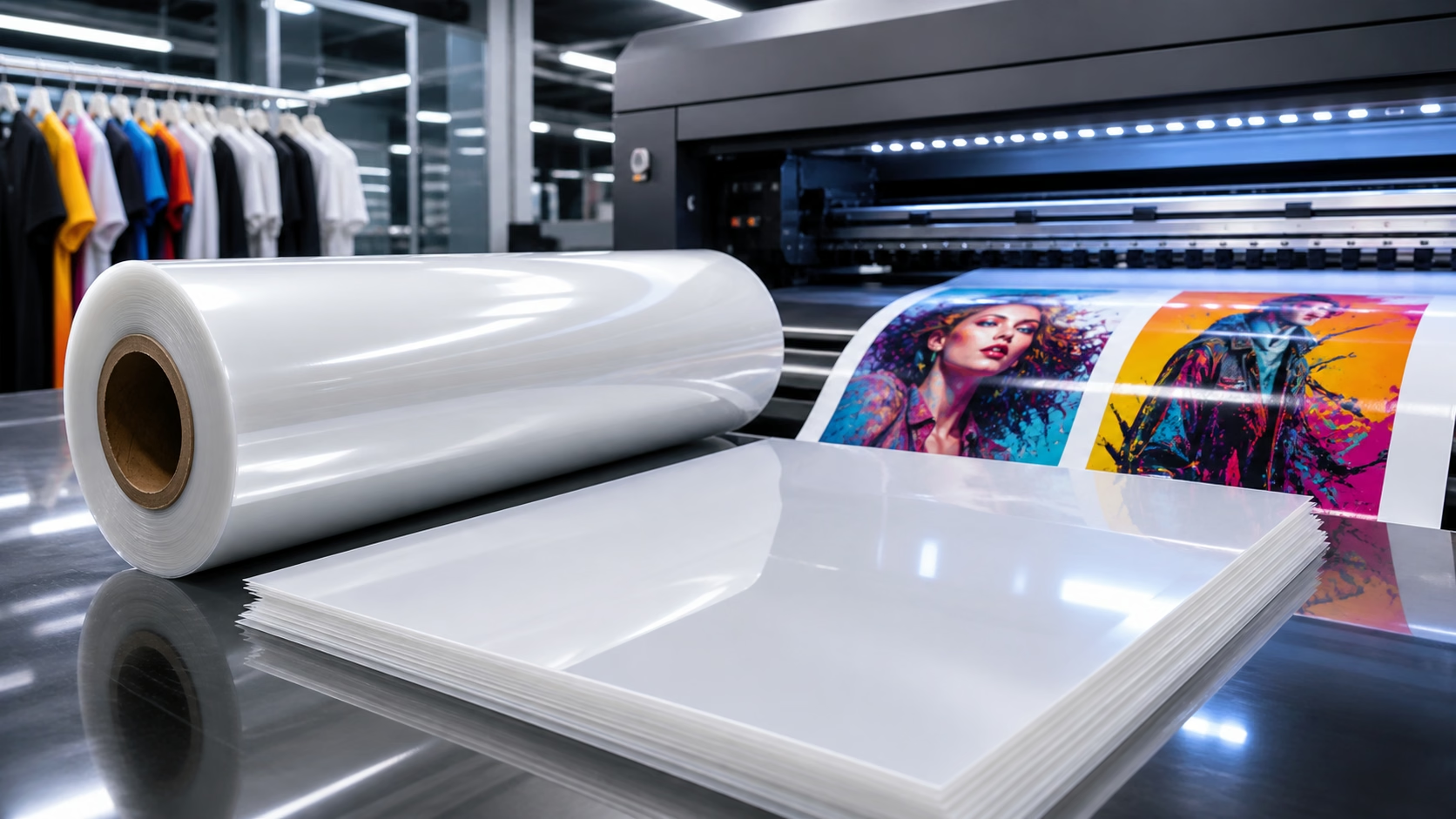
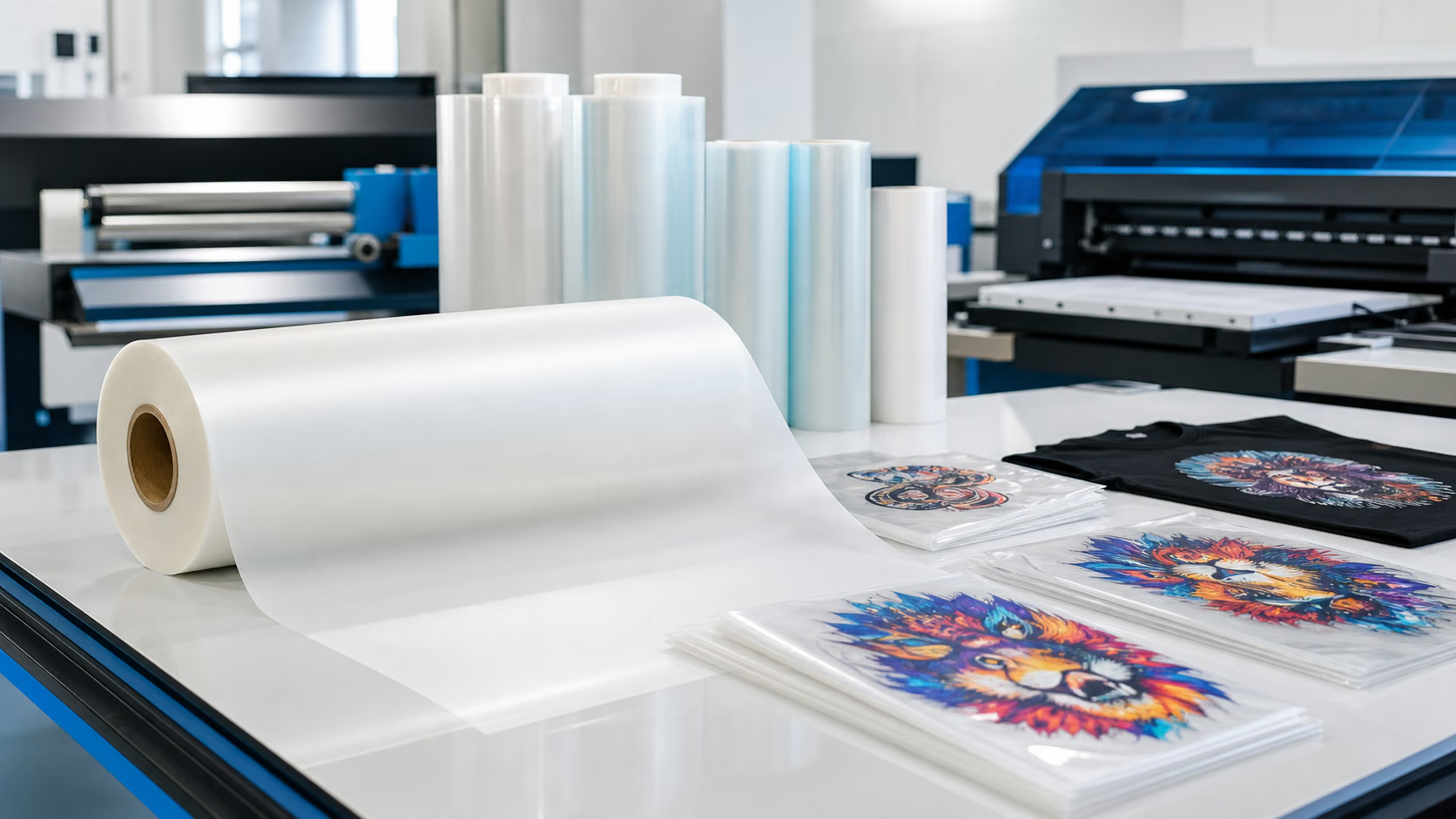
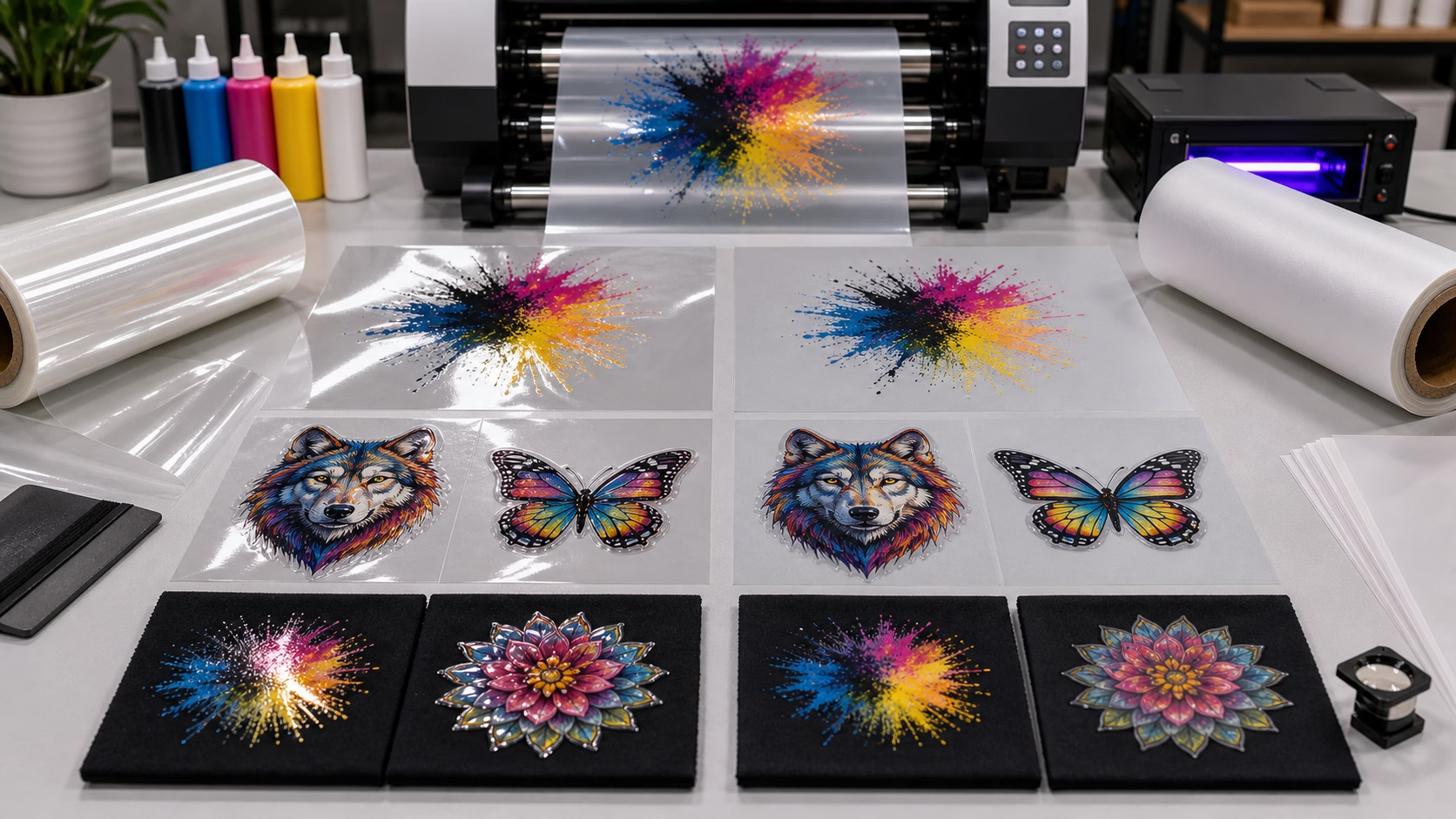
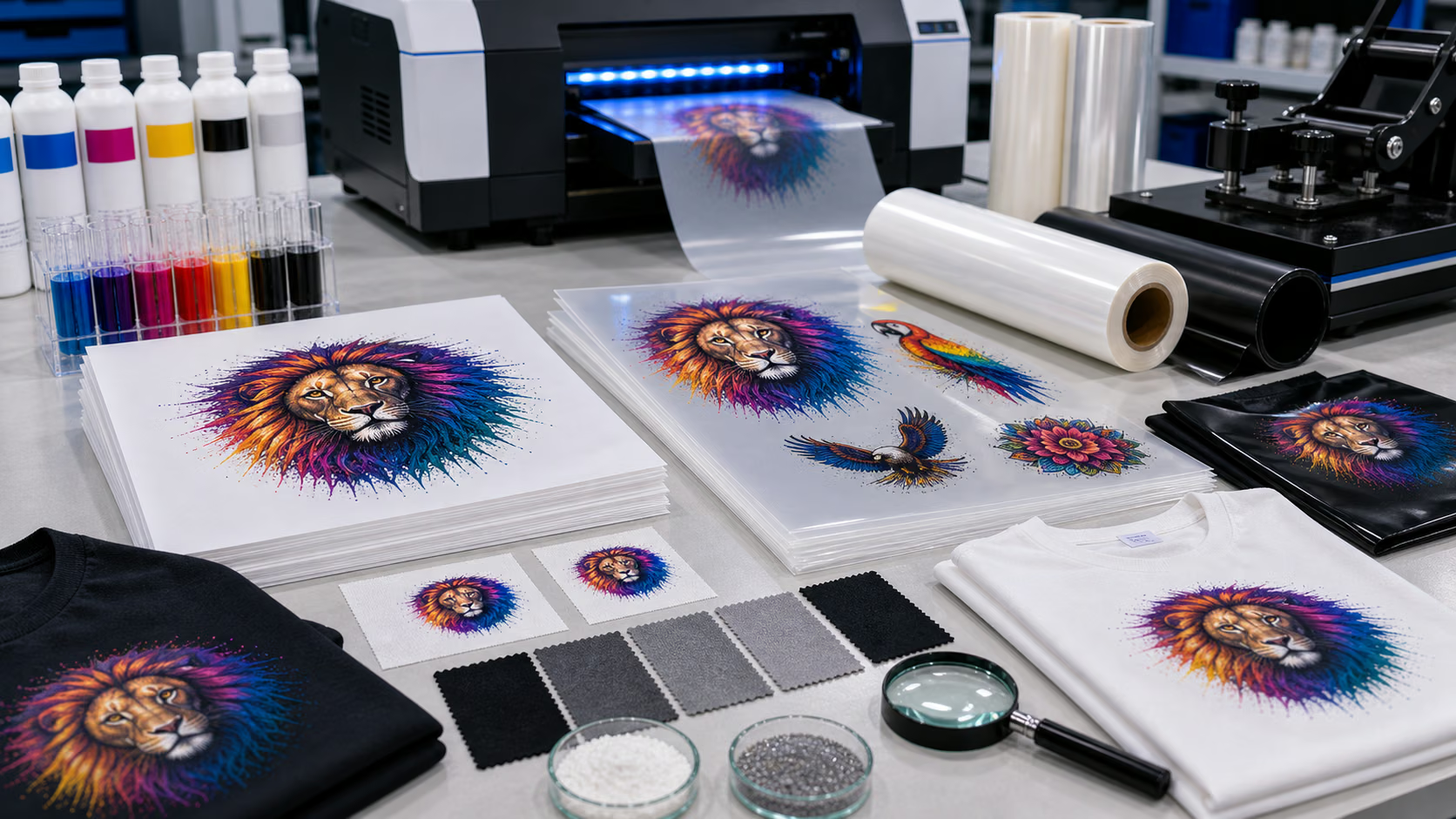
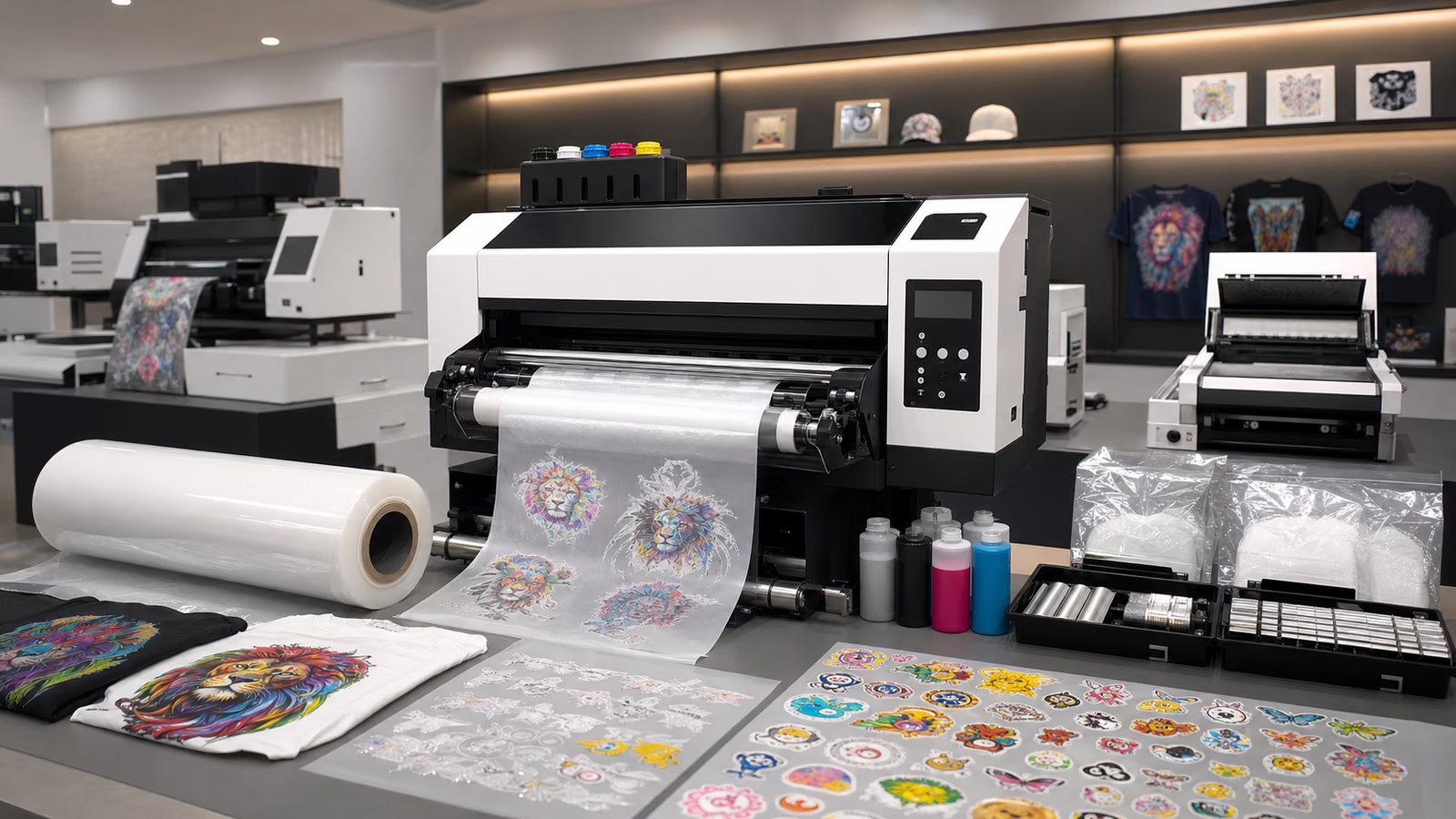
DTF glossy film is a modern printing technology used for customizing textiles, plastics, and other surfaces. It involves printing designs onto a special adhesive film using a digital printer, which is then transferred onto the target material using a heat press. The glossy finish is achieved by using a film with a high-gloss surface, which enhances the vibrancy and shine of the printed design.
Key features of DTF glossy film:
- Digital printing: Uses inkjet technology to create highly detailed and vibrant designs.
- Adhesive film: The printed film is heat-transferred to the substrate, ensuring strong adhesion.
- Glossy finish: Provides a polished, shiny appearance to the design.
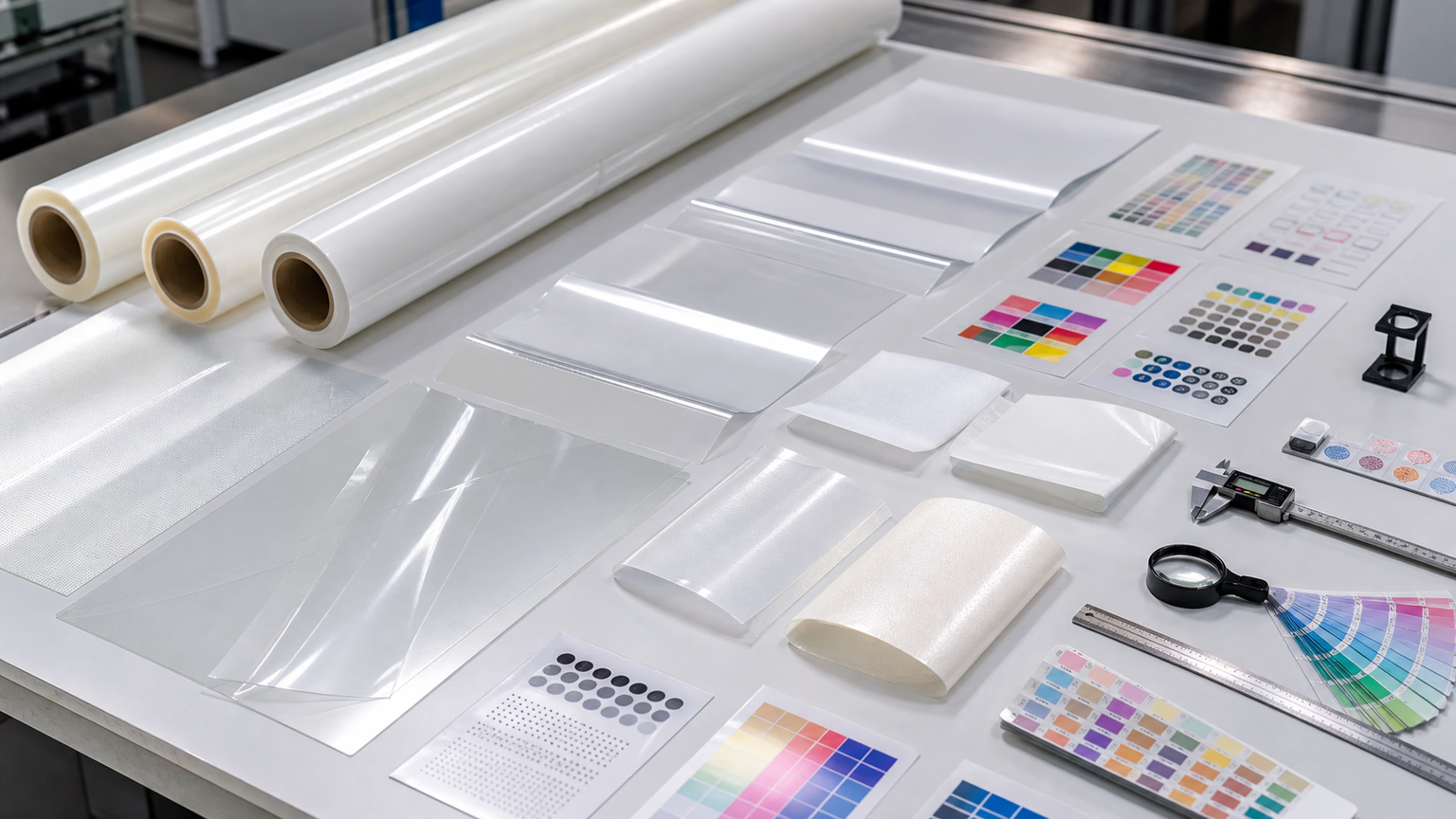
- Versatility: Suitable for textiles, plastics, paper, and more.
What is Screen Printing?
Screen printing is a traditional printing method that involves pushing ink through a mesh screen onto the surface to be printed. Each color in the design requires a separate screen, and the process is repeated for each layer. The finish can range from matte to glossy, depending on the ink and application method.
Key features of screen printing:
- Manual or semi-automated process: Involves creating stencils (screens) for each color in the design.
- Ink-based: Uses thick, opaque inks for bold, durable prints.
- Durable finish: Provides a long-lasting result, especially on textiles.
- Batch printing: Ideal for large-volume orders due to the setup required for each design.
Key Differences Between DTF Glossy Film and Screen Printing
- Process
- DTF Glossy Film: Digital-based, using a printer to apply designs to adhesive film, followed by heat transfer. The process is fast, accurate, and ideal for small to medium runs.
- Screen Printing: Analog-based, requiring manual or semi-automated setup with screens. It is more time-consuming for each design but excels at high-volume production.
- Materials
- DTF Glossy Film: Uses adhesive film and inkjet-compatible ink. It is versatile and can be applied to various substrates, including textiles, plastics, and paper.
- Screen Printing: Uses thick, opaque inks that are pushed through screens. It is typically used on fabrics, but the inks can also be applied to other materials like plastic and wood.
- Cost
- DTF Glossy Film: Cost-effective for small to medium batches as it avoids the setup costs associated with screen printing. However, it may be more expensive for large-scale production.
- Screen Printing: More economical for high-volume orders due to the setup costs being spread over a large number of prints. It may be more expensive for small runs due to the initial setup.
- Design Flexibility
- DTF Glossy Film: Offers high design flexibility, allowing for intricate details, gradients, and photo-realistic images. Perfect for modern, detailed designs.
- Screen Printing: Limited to designs that can be separated into individual color layers. Complex designs with gradients or fine details may require additional screens, increasing cost and time.
- Durability
- DTF Glossy Film: Durable when heat-pressed correctly, but may not withstand as much abrasion as screen-printed designs. Ideal for medium-duty applications.
- Screen Printing: Extremely durable, especially on textiles. The thick ink layer provides excellent wear resistance, making it ideal for heavy-duty apparel and products.
- Finish
- DTF Glossy Film: Focuses on a shiny, glossy finish that enhances the vibrancy of the design.
- Screen Printing: Can achieve matte, semi-gloss, or glossy finishes, depending on the ink and application method.
When to Use DTF Glossy Film
- For small to medium-sized orders where quick turnaround and design flexibility are required.
- When a glossy, vibrant finish is desired.
- For applications on textiles, plastics, or other surfaces where screen printing may not be as effective.
- For intricate designs with gradients or fine details.
When to Use Screen Printing
- For large-volume orders where cost efficiency is a priority.
- For heavy-duty applications requiring high durability, such as uniforms or promotional items.
- For simple, bold designs that do not require complex gradients or fine details.
- When a specific finish (matte, semi-gloss, or glossy) is required.
Conclusion
DTF glossy film and screen printing are distinct techniques with their own strengths and weaknesses. DTF glossy film is ideal for modern, detailed designs with a shiny finish, while screen printing excels in durability and cost-effectiveness for large-scale production. Choosing between the two depends on the specific needs of the project, including order size, design complexity, and desired finish. By understanding the differences, businesses can make informed decisions that best serve their goals and customers.