“What is a Direct-to-Film Transfer?” -MAXDTF- Direct to Transfer UV DTF Film Supplier, UV DTF Printing Decal Wholesale, Made in China
Direct-to-Film (DTF) transfer is a modern printing technology that has revolutionized the way designs are applied to various substrates, particularly textiles. Unlike traditional printing methods, DTF transfer allows for intricate, high-quality prints with ease and efficiency. In this article, we’ll delve into the basics of DTF transfer, its working process, benefits, and applications.
What is Direct-to-Film Transfer?
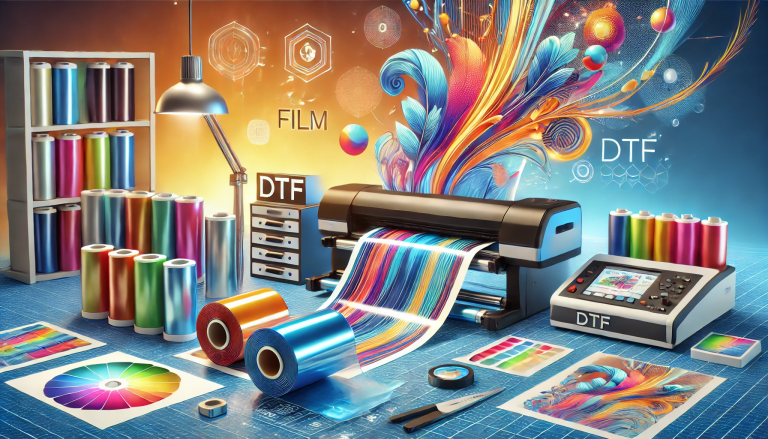
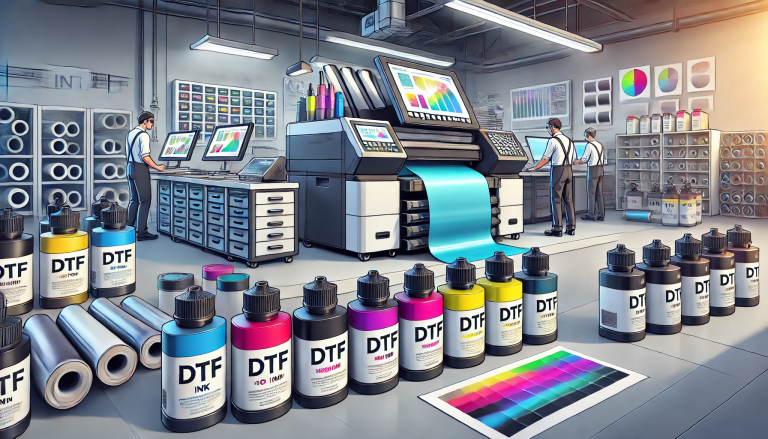
Direct-to-Film transfer, commonly referred to as DTF printing, is a process where a digital design is printed onto a special polyester film sheet coated with an adhesive. This film is then transferred (or “heat pressed”) onto a substrate, such as a t-shirt, tote bag, or other fabric surfaces. The process combines digital printing, adhesive technology, and heat transfer to create durable, vibrant, and detailed prints.
How Does DTF Transfer Work?
The DTF transfer process involves several key steps:
- Design Preparation:
- The first step is creating or importing the digital design using graphic design software. The design is then prepared for printing by adjusting colors, resolution, and size to ensure it matches the desired output.
- Printing on the Film:
- The design is printed on a special DTF film sheet using a digital printer. The film sheet has a polyester base with an adhesive layer on one side. The printing is done on the non-adhesive side to ensure the ink bonds properly to the film.
- Coating with Adhesive Powder:
- After printing, the film is coated with a special adhesive powder, usually a polyester powder. This step ensures that the printed design adheres to the substrate during the transfer process.
- Curing the Powder:
- The coated film is then passed through a heat tunnel or cured using a heat press. The heat activates the adhesive powder, fusing it with the printed ink and creating a strong bond.
- Peeling the Liner:
- Once the film is cured, the backing liner is peeled off, leaving the printed and adhesive-coated film ready for transfer.
- Transfer to Substrate:
- The printed film is placed onto the desired substrate, typically a piece of fabric. A heat press or laminator is then used to apply heat and pressure, activating the adhesive and transferring the design onto the material.
- Cooling and Finishing:
- After the transfer, the substrate is allowed to cool, and any excess film or adhesive is trimmed away to reveal the finished product.
Benefits of DTF Transfer
DTF transfer offers several advantages over traditional printing methods:
- Versatility: DTF transfer can be used on a wide range of substrates, including cotton, polyester, blends, and even some non-textile materials like ceramics and wood.
- High-Quality Prints: The process delivers vibrant, detailed, and durable prints that maintain their color and clarity even after washing and wear.
- Cost-Effective: DTF transfer is often more cost-effective for small to medium runs, as it eliminates the need for screens, plates, or expensive setup processes.
- Ease of Use: The process is relatively simple and requires minimal training, making it accessible for small businesses, hobbyists, and large production facilities alike.
- Customization: DTF transfer allows for full-color, custom designs with intricate details, making it ideal for personalized and on-demand printing.
Applications of DTF Transfer
DTF transfer is widely used across various industries and applications:
- Apparel: T-shirts, hoodies, hats, and other clothing items often feature DTF-printed designs for promotional events, fashion brands, and personalized gifts.
- Home Decor: DTF transfer is used to print on pillows, curtains, and other textile home decor items.
- Sports Wear: Athletic apparel, team uniforms, and gear benefit from the durability and vibrancy of DTF prints.
- Accessories: Bags, tote bags, and other accessories can be customized with DTF transfer for a unique, high-quality look.
- Industrial Uses: DTF transfer is also used in industrial applications, such as printing on protective covers, labels, and more.
Conclusion
Direct-to-Film transfer is a versatile, high-quality, and cost-effective printing method that offers numerous benefits over traditional techniques. With its ability to produce vibrant, durable prints on a wide range of substrates, DTF transfer has become a popular choice for businesses and individuals alike. Whether you’re creating custom apparel, home decor, or promotional materials, DTF transfer provides a reliable and efficient solution for all your printing needs.