“Experience the Power of A4 Printing with impressora DTF!” -MAXDTF- DTF Film 8.5 Supplier, DTF transfer paper Manufacturer, Made in china
Impressora DTF A4—A4-sized Direct-to-Film printers—have become an indispensable tool for small businesses, crafters, and independent designers, seamlessly bridging the gap between professional-grade printing results and compact, user-friendly equipment. While specifications like print speed and ink compatibility matter, the “feel” of these printers—encompassing their physical heft, operational feedback, and user-centric design—truly defines the day-to-day printing experience. To grasp what an Impressora DTF A4 is really like, you need to engage with it directly: to touch its casing, navigate its controls, and sense its rhythm as it turns digital designs into tangible film transfers. This article delves into the multifaceted “feel” of A4 DTF printers, from the first unboxing to daily operation, and how these sensory cues shape their enduring appeal.
1. First Impressions: The Physical Presence
The first sensory impression of an Impressora DTF A4 starts the moment you unbox it—an experience that strikes a perfect balance between sturdiness and approachability, designed to put both novice and seasoned users at ease.
1.1 Weight and Stability: Solid Without Being Cumbersome
Most A4 DTF printers weigh between 8 to 12 kilograms, a sweet spot that feels substantial enough to stay stable during operation yet light enough for one person to move—whether you’re relocating it from a storage closet to a workbench or adjusting its position on a desk. When lifting the printer, you’ll notice its weight is evenly distributed, anchored by a dense plastic or metal base that sits firmly on flat surfaces. Unlike flimsy desktop printers, there’s no cheap, flexing sensation to the casing; a gentle press on the top panel yields no creaks or give, instilling confidence that it can handle the minor bumps and knocks of a busy workspace.
1.2 Casing and Build: Smooth, Functional, and Tactile
The exterior of most A4 DTF printers prioritizes practicality, featuring a matte finish that resists fingerprints and smudges—an intentional design choice for environments where ink and adhesive powder might occasionally splatter. Running your hand along its edges, you’ll find rounded corners that prevent snags on clothing or accidental scrapes, a small detail that enhances the printer’s user-friendly vibe. Key access points, such as the ink cartridge door and film feed tray, have subtle indentations that guide your fingers to the right spot, eliminating the guesswork of “where to pull” when loading supplies. When closing the ink door, it latches with a soft, definitive “click”—a tactile confirmation that it’s securely shut, helping avoid misprints caused by loose components.
2. Navigating the Controls: Intuitive and Responsive
The “feel” of an Impressora DTF A4 goes beyond its physical shell to the way you interact with the machine. These printers are built with intuitive design at their core, ensuring that even those new to DTF technology can operate them with minimal frustration.
2.1 Control Panel: Tactile Buttons and Clear Feedback
Most A4 DTF printers feature a compact control panel with either physical buttons or a touchscreen, each engineered to provide distinct sensory feedback. Physical buttons—used for functions like power, pause, and film feed—have a firm, springy texture; pressing them requires just enough force to avoid accidental triggers, but not so much that it becomes tiring during repeated use. Many models pair these buttons with LED lights that glow softly to indicate status (e.g., green for “ready,” amber for “low ink”). Touchscreen variants, meanwhile, offer a smooth, glass-like surface with responsive taps—no lag or dead zones—and often include subtle haptic feedback (a gentle vibration) to confirm commands, mimicking the reassurance of pressing a physical button.
2.2 Loading Supplies: Guided, Secure, and Confident
Loading PET film and ink cartridges is a daily task for DTF users, and A4 DTF printers excel at making this process feel straightforward and secure. The film feed tray slides open with a smooth, friction-free motion, stopping at a preset point to prevent over-extension. Inside the tray, adjustable guides—clearly marked for “A4” and “film”—move easily to fit different media sizes, clicking softly when locked into place. Loading ink cartridges involves aligning the cartridge with a color-coded slot; it slides in smoothly and locks with a gentle push, no force required. Even the powder shaker attachment—a critical DTF component—feels secure when mounted, with a magnetic or clip-on design that stays put during printing but removes easily for cleaning.
3. In Operation: The Rhythm and Sensation of Printing
The true essence of an Impressora DTF A4’s “feel” emerges when it’s in operation—its sounds, vibrations, and visual cues creating a sensory rhythm that users quickly learn to recognize and trust.
3.1 Sound: Quiet Efficiency for Home and Small Workspaces
Unlike industrial-sized DTF printers that roar during use, A4 models operate with a gentle hum—around 50 to 60 decibels, comparable to a quiet conversation or a running desk fan. The print head moves back and forth with a soft, steady whir rather than a jarring rattle, and the film advances smoothly with minimal noise. This quiet operation is intentional, designed for home offices, craft rooms, or small retail spaces where loud machinery would be disruptive. Users often describe the sound as “soothing” or “unobtrusive,” letting them work on other tasks—like designing or packaging—while the printer runs in the background.
3.2 Vibration: Subtle, Steady, and Reassuring
As the printer operates, you’ll feel a subtle vibration through its casing or the surface it sits on—but it’s never harsh or destabilizing. This vibration is rhythmic, matching the movement of the print head, and serves as a tactile confirmation that the machine is working properly. A sudden change—like a sharp jolt or complete stillness—quickly alerts users to issues, such as a jammed film or misaligned cartridge, turning a sensory cue into a practical diagnostic tool. For many users, this steady hum and vibration become a familiar part of their workflow, a quiet signal that their prints are progressing smoothly.
3.3 Visual Feedback: Watching the Process Unfold
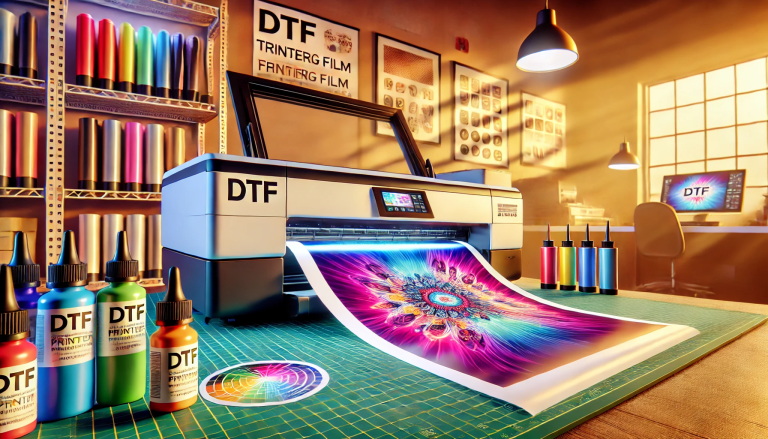
While not a tactile sensation, the visual feedback of an A4 DTF printer greatly enhances its overall “feel.” Most models feature a transparent cover over the print area, letting users watch as ink is applied to the film and adhesive powder is evenly distributed. This transparency builds trust—you can verify that ink is flowing smoothly, powder is adhering correctly, and film is advancing without issues—without pausing the print job. LED lights inside the print chamber illuminate the process, making it easy to spot small problems (like an ink smudge) before they ruin an entire sheet. The sight of a crisp design taking shape on the film adds a satisfying, tangible reward to the printing process.
4. Post-Print: The Feel of Maintenance and Long-Term Use
The “feel” of an Impressora DTF A4 isn’t limited to printing itself—it also includes the ease of maintenance, a factor that directly impacts long-term user satisfaction.
4.1 Cleaning: Accessible and Uncomplicated
DTF printing requires regular cleaning to prevent ink clogs and powder buildup, and A4 printers are designed with this in mind. The print head is easily accessible by lifting a small cover, and many models include basic cleaning tools—like lint-free wipes and cleaning solution—right in the box. Wiping down the print head feels straightforward; there are no tiny, hard-to-reach components, and the surrounding plastic resists ink stains, making cleanup quick. The powder collection tray, which catches excess adhesive powder, slides out easily and empties with a simple pour—no mess, no fuss. Users often note that maintenance feels “manageable” rather than a chore, thanks to these thoughtful design choices.
4.2 Durability: A Feel of Reliability Over Time
After months of regular use, an Impressora DTF A4 retains its “like-new” feel—buttons don’t stick, the film feed doesn’t grow sluggish, and the casing shows minimal wear. This durability is evident in every interaction: ink cartridges still click into place securely, the control panel remains responsive, and the printer operates with the same quiet efficiency as day one. For small business owners, this reliability translates to peace of mind—they don’t have to worry about the printer breaking down mid-rush order, a feeling just as valuable as print quality itself.
5. Conclusion: The Impressora DTF A4—A Feel of Empowerment
The “feel” of an Impressora DTF A4 is more than just physical sensations—it’s a blend of sturdiness, intuitiveness, and reliability that empowers users to create with confidence. From its solid weight that signals stability to its quiet hum that lets it blend into any workspace, every design element is focused on making DTF printing accessible and enjoyable. Whether you’re a hobbyist printing custom t-shirt designs or a small business owner fulfilling orders, the A4 DTF printer feels less like a complex machine and more like a trusted tool—one that responds to your touch, communicates its status clearly, and delivers consistent results. In the end, the most memorable “feel” of an Impressora DTF A4 is the satisfaction of watching your ideas come to life, one smooth, reliable print at a time.