“UV Film Transfer Paper vs. Traditional Transfer Paper: Understanding the Differences” -MAXDTF- UV DTF Adhesive Transfer Paper Supplier, Direct to Transfer UV DTF Film Manufacturer, Made in China
In the world of arts, crafts, and custom design, transfer papers have become an essential tool for creating intricate designs and patterns on a variety of surfaces. Whether you’re working on apparel, home decor, or promotional materials, understanding the differences between UV film transfer paper and traditional transfer paper can significantly impact the quality and longevity of your projects. This article delves into the key distinctions between these two types of transfer papers, helping you make an informed choice for your needs.
What is Traditional Transfer Paper?
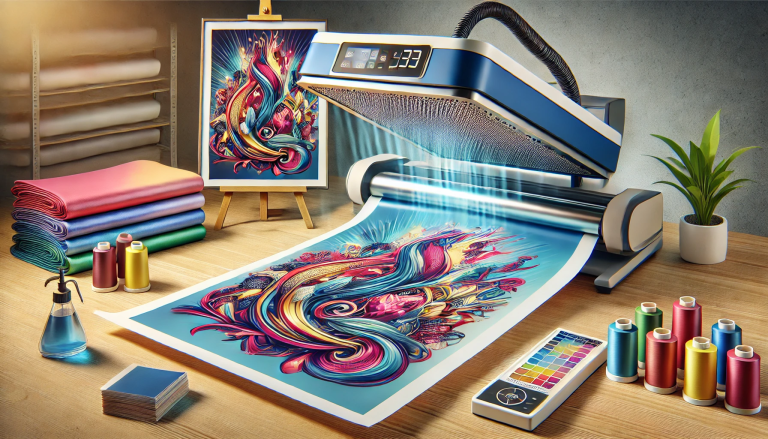
Traditional transfer paper, often referred to as heat transfer paper, has been a staple in the printing industry for decades. It is typically used with inkjet or laser printers and requires heat application (usually via a heat press or iron) to transfer the printed design onto a substrate like fabric, ceramic, or wood.
Pros of Traditional Transfer Paper:
- Versatility: Traditional transfer paper can be used on a wide range of materials, including cotton, polyester, and blends.
- Cost-Effective: It is generally affordable and widely available, making it an accessible option for hobbyists and small businesses.
- Easy to Use: The process is relatively straightforward, requiring only a printer, transfer paper, and a heat press.
Cons of Traditional Transfer Paper:
- Limited Longevity: Designs transferred using traditional paper may fade over time, especially when exposed to frequent washing or harsh weather conditions.
- Texture and Feel: The resulting transferred design often has a noticeable feel and can be stiff, which may not be ideal for clothing or delicate fabrics.
- Material Restrictions: Some materials, such as dark fabrics, may require special transfer papers, adding complexity and cost.
What is UV Film Transfer Paper?
UV film transfer paper, also known as UV transfer film, represents a more advanced and specialized type of transfer paper. It is designed to work in conjunction with UV printers, which use UV light to cure and solidify the ink. This type of transfer paper is particularly popular in high-precision applications, such as creating custom designs on hard surfaces like glass, ceramic, metal, and plastic.
Pros of UV Film Transfer Paper:
- High-Quality, Durable Prints: UV film transfer paper produces sharp, vibrant designs that are highly resistant to fading, scratching, and wear.
- Flexibility: It works well on a variety of hard surfaces, making it ideal for customizing items like phone cases, mugs, and tiles.
- No Heat Required: Unlike traditional transfer paper, UV film transfer paper does not require heat application. Instead, the UV light from the printer cures the ink, resulting in a permanent bond.
- Smooth Finish: The transferred design often has a smooth, glossy finish, enhancing the overall aesthetic appeal.
Cons of UV Film Transfer Paper:
- Specialized Equipment: UV film transfer paper requires a UV printer, which can be expensive and may not be accessible to everyone.
- Limited Material Compatibility: While versatile, it is primarily designed for use on non-porous, hard surfaces, limiting its application on fabrics or soft materials.
- Higher Cost: Due to its specialized nature, UV film transfer paper is generally more expensive than traditional transfer paper.
Key Differences Between UV Film Transfer Paper and Traditional Transfer Paper
- Application Method:
- Traditional Transfer Paper: Uses heat to transfer the design onto the substrate.
- UV Film Transfer Paper: Uses UV light to cure and transfer the design, eliminating the need for heat.
- Material Compatibility:
- Traditional Transfer Paper: Suitable for a wide range of fabrics and materials.
- UV Film Transfer Paper: Best suited for non-porous, hard surfaces.
- Durability:
- Traditional Transfer Paper: May fade or wear over time, especially with frequent washing or exposure.
- UV Film Transfer Paper: Highly durable, resistant to fading, scratching, and wear.
- Equipment Required:
- Traditional Transfer Paper: Requires standard printers and a heat press.
- UV Film Transfer Paper: Requires a UV printer, which is a more specialized and costly piece of equipment.
- Cost:
- Traditional Transfer Paper: Generally more affordable and accessible.
- UV Film Transfer Paper: More expensive, both in terms of the transfer paper and the required UV printer.
Choosing the Right Transfer Paper for Your Needs
Selecting between UV film transfer paper and traditional transfer paper ultimately depends on your project requirements and the materials you intend to work with.
- If you’re working on fabrics, apparel, or soft materials: Traditional transfer paper is likely the better choice due to its versatility and affordability.
- If you’re customizing hard surfaces like glass, metal, or plastic: UV film transfer paper offers superior durability and a high-quality finish, making it the ideal option for these applications.
Conclusion
Both UV film transfer paper and traditional transfer paper have their unique advantages and applications. Understanding the differences between the two allows you to make an informed decision that aligns with your project goals, budget, and required outcomes. Whether you prioritize ease of use, versatility, or high-quality, long-lasting results, there is a transfer paper option to suit your needs.