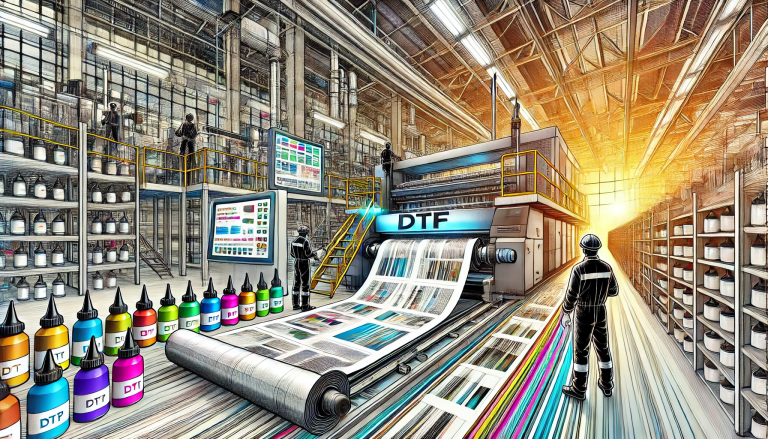
“UV DTF Film for DTG Printers: Unraveling the Potential of a New Era in Printing Technology” -MAXDTF- UV DTF Transfer AB Paper Factory, Transfer DTF UV Film Wholesale, Made in China
The intersection of UV DTF (Ultraviolet Direct to Film) technology and DTG (Direct to Garment) printing has sparked a new wave of innovation in the custom apparel and textile industry. Traditionally, DTG printers excel at direct, high-resolution printing on fabrics, while UV DTF Film is celebrated for its versatility across diverse substrates and instant curing capabilities. The question of integrating UV DTF Film with DTG printers has opened doors to expanded possibilities, allowing printers to combine the best of both technologies. This article explores the potential of UV DTF Film for DTG printers, delving into compatibility, synergistic advantages, implementation strategies, and the transformative impact on modern printing workflows.
1. Understanding the Basics: UV DTF Film and DTG Printing Fundamentals
To grasp the potential of their integration, it’s essential to first clarify the core attributes of UV DTF Film and DTG printing. UV DTF Film is a specialized substrate designed for UV-curable inks, featuring a coated surface that enables instant curing under UV light and strong bonding with pressure-sensitive adhesives. It supports printing on a wide range of materials, from fabrics to hard substrates like plastic and metal, and delivers durable, vivid prints with excellent scratch and fade resistance.
DTG printing, by contrast, is a direct-to-fabric digital printing method that uses aqueous pigment inks to print designs directly onto garments (e.g., cotton, polyester blends). DTG printers are prized for their ability to produce photorealistic, soft-touch prints on apparel, making them a staple in the custom clothing industry. However, traditional DTG printing is limited to fabric substrates and requires pre-treatment for dark fabrics, which can add complexity to the workflow.
2. Compatibility Breakdown: Can DTG Printers Work with UV DTF Film?
The integration of UV DTF Film with DTG printers is feasible but requires targeted adjustments, as standard DTG printers are optimized for aqueous pigment inks rather than UV-curable inks. The key to compatibility lies in modifying the DTG printer’s ink system and adding UV curing capabilities. Most modern DTG printers (equipped with piezoelectric printheads) can be adapted to use UV-curable inks, which are compatible with UV DTF Film’s coating.
Critical compatibility considerations include printhead calibration (to accommodate the higher viscosity of UV inks) and the addition of UV curing modules. Unlike aqueous inks used in traditional DTG printing, UV inks do not require absorption into the substrate; instead, they cure instantly when exposed to UV light. This means DTG printers modified for UV DTF Film must include UV lamps positioned immediately after the printhead to ensure proper ink curing on the film. Additionally, the printer’s paper handling system may need adjustments to accommodate the thickness and rigidity of UV DTF Film.
3. Synergistic Advantages: Why Combine UV DTF Film with DTG Printers?
Integrating UV DTF Film with modified DTG printers unlocks a range of synergistic advantages that address the limitations of traditional DTG printing and expand its capabilities:
- Expanded Substrate Range: Traditional DTG printers are limited to fabrics, but with UV DTF Film, modified DTG printers can now produce prints for hard substrates (e.g., phone cases, ceramic mugs, metal accessories) and non-fabric materials. This transforms a single-purpose fabric printer into a versatile multi-substrate solution.
- Eliminated Pre-Treatment for Dark Fabrics: Traditional DTG printing on dark fabrics requires a pre-treatment solution to ensure ink adhesion and vibrancy. UV DTF Film with a white underbase eliminates this step—printers can create opaque, vivid designs on dark fabrics by transferring the UV DTF print, reducing workflow time and material costs.
- Enhanced Durability: UV-cured prints on UV DTF Film offer superior scratch, fade, and wash resistance compared to traditional DTG prints. This is particularly beneficial for high-wear items like workwear, activewear, and outdoor apparel, where durability is a key requirement.
- Faster Production Workflows: UV DTF Film’s instant curing capability eliminates the drying time required for aqueous DTG inks. Modified DTG printers can produce finished prints in less time, boosting productivity for high-volume orders.
- Flexibility for Small-Batch and Custom Orders: Like traditional DTG printing, UV DTF Film integration supports on-demand, small-batch, and custom printing. This allows businesses to cater to niche markets, personalized products, and limited-edition collections without sacrificing quality or efficiency.
4. Implementation Steps: Integrating UV DTF Film into DTG Printing Workflows
Successfully integrating UV DTF Film into DTG printing requires a structured approach, including equipment modifications, material selection, and process calibration. Here are the key implementation steps:
- Printer Modifications: Convert the DTG printer to use UV-curable inks by replacing the existing ink system (cartridges, lines, printhead) with UV-compatible components. Install UV curing modules (LED is preferred for energy efficiency and long life) directly after the printhead to ensure instant ink curing.
- Select High-Quality UV DTF Film: Choose UV DTF Film optimized for fabric and multi-substrate transfers. Look for film with excellent ink adhesion, flexibility (for fabric compatibility), and compatibility with pressure-sensitive adhesives.
- Calibrate Print Settings: Adjust the DTG printer’s printhead settings (ink flow, nozzle alignment, print speed) to accommodate the viscosity of UV inks. Conduct test prints to optimize color accuracy, resolution, and ink coverage on the UV DTF Film.
- Establish Transfer Protocols: Develop standardized transfer processes for different substrates. For fabrics, use a heat press (typically 140–160°C, 3–5 kg/cm² pressure, 10–20 seconds) to apply the UV DTF print. For hard substrates, adjust heat and pressure settings or use pressure-sensitive adhesive lamination.
- Quality Control and Testing: Implement rigorous quality control checks to ensure print durability, adhesion, and color consistency. Test prints on target substrates (fabrics, hard materials) and conduct wash/abrasion tests to verify performance.
5. Applications and Market Opportunities
The integration of UV DTF Film with DTG printers opens up new market opportunities across industries, expanding the range of products businesses can offer:
- Custom Apparel and Accessories: Create high-durability, vivid prints on t-shirts, hoodies, hats, and bags—including dark fabrics without pre-treatment. Add decorative elements to apparel using UV DTF transfers for a layered, premium look.
- Hard Substrate Customization: Offer personalized products like phone cases, ceramic mugs, metal water bottles, and wooden plaques, leveraging the DTG printer’s high-resolution capabilities combined with UV DTF Film’s multi-substrate compatibility.
- Workwear and Industrial Apparel: Produce durable, high-visibility workwear with UV DTF prints that resist fading and abrasion, meeting the needs of construction, manufacturing, and outdoor industries.
- Promotional and Branded Merchandise: Cater to businesses seeking versatile branded merchandise, from fabric promotional items (t-shirts, tote bags) to hard goods (keychains, desk accessories), all produced on a single modified DTG printer.
6. Challenges and Considerations for Adoption
While the potential is significant, adopting UV DTF Film for DTG printers comes with challenges that businesses must address:
- Upfront Modification Costs: Converting a DTG printer to use UV inks and adding UV curing modules requires an initial investment. Businesses should weigh these costs against the expected revenue from expanded product offerings.
- Maintenance Requirements: UV inks are more corrosive than aqueous DTG inks, requiring regular printhead maintenance to prevent clogging. UV curing modules also need periodic inspection and bulb replacement.
- Learning Curve: Staff will need training to operate the modified printer, calibrate settings for UV DTF Film, and master the transfer process for different substrates.
- Material Compatibility Testing: Not all UV DTF Films are suitable for DTG printer modifications. Businesses must test different film brands and types to find the best match for their printer and target applications.
Conclusion: Embracing the New Era of Multi-Substrate Printing
UV DTF Film for DTG printers represents a transformative step forward in custom printing technology, unlocking the potential for multi-substrate versatility while retaining the high-resolution, soft-touch benefits of DTG printing. By modifying DTG printers to work with UV DTF Film, businesses can expand their product offerings, eliminate traditional DTG limitations (like pre-treatment for dark fabrics), and cater to new market opportunities. While upfront costs and maintenance requirements exist, the long-term benefits of increased versatility, productivity, and customer satisfaction make this integration a compelling option for forward-thinking printing businesses.
As the custom printing industry continues to demand greater flexibility and efficiency, the combination of UV DTF Film and DTG printers is poised to lead a new era of innovation. By unraveling this potential, printers can stay ahead of the curve, meet evolving customer needs, and redefine what’s possible in the world of custom printing.