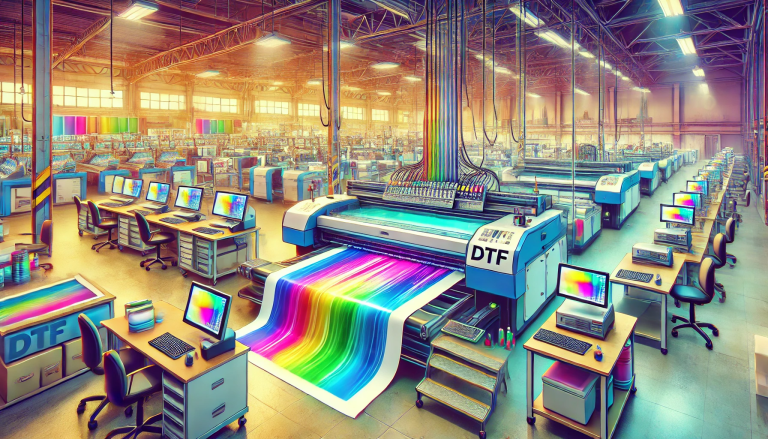
The printing industry is constantly evolving, driven by the dual demands of customization and efficiency. In recent years, Direct to Film (DTF) technology has emerged as a transformative force, breaking through the limitations of traditional printing methods and expanding the boundaries of creative production. Among the various specifications of DTF films, the A3 size stands out as a versatile and practical option, perfectly balancing flexibility, productivity, and accessibility. As small and medium-sized businesses (SMBs) and independent creators increasingly seek cost-effective and high-quality printing solutions, DTF Film A3 is gradually unveiling its enormous potential, becoming a key driver of innovation in the printing industry.
Understanding DTF Film A3: What Makes It Unique?
To fully grasp the potential of DTF Film A3, it is first necessary to clarify its core attributes and what sets it apart from other printing media. DTF Film A3 refers to Direct to Film transfer media with a standard A3 size (297mm × 420mm), designed to work seamlessly with compatible DTF printers. Unlike traditional screen printing substrates or even larger-format DTF films, A3-sized DTF film offers a unique combination of portability and functionality. Its standardized size aligns with the most common desktop and entry-level industrial DTF printers, making it accessible to a wide range of users—from home-based hobbyists to small commercial printing shops. Additionally, DTF Film A3 is engineered with a special coating that ensures optimal ink adhesion and transfer efficiency, paired with a heat-sensitive adhesive layer that enables strong bonding with various substrates after heat pressing. This combination of standardized size, user-friendly compatibility, and high-performance coating lays the foundation for its widespread application in the printing industry.
Key Advantages: Why DTF Film A3 Is Gaining Traction
DTF Film A3’s rising popularity in the printing industry is attributed to a suite of compelling advantages that address the pain points of many printers. First and foremost is its exceptional substrate versatility. Similar to other DTF films, A3-sized DTF film can be transferred onto a wide array of materials, including fabrics (cotton, polyester, blends), plastics, metals, glass, wood, and even curved surfaces. This versatility eliminates the need for multiple specialized printing setups, allowing businesses to expand their product offerings without significant additional investment. Secondly, DTF Film A3 excels in small-batch and custom production. Unlike screen printing, which requires costly and time-consuming stencil creation, DTF printing with A3 film enables on-demand printing of single units or small batches with minimal setup time. This makes it ideal for personalized products such as custom t-shirts, phone cases, mugs, and promotional items—segments that are witnessing tremendous growth in consumer demand. Thirdly, it offers cost-effectiveness for small-scale operations. The A3 size minimizes material waste for small-format prints, as users only need to cut the film to the size of their design. Moreover, the compatibility with entry-level DTF printers means lower initial investment costs, making high-quality digital printing accessible to SMBs and individual creators who may have been priced out of other advanced printing technologies. Finally, DTF Film A3 delivers superior print quality. The combination of high-resolution DTF printing and the film’s optimized coating ensures vivid, true-to-life colors, sharp details, and durable prints that resist fading, scratching, and washing.
Target Applications: Unlocking New Markets for Printers
The unique advantages of DTF Film A3 have unlocked a wide range of target applications, enabling printers to tap into new and profitable markets. One of the most prominent applications is the personalized apparel and accessories market. Small printing shops and independent designers can use DTF Film A3 to create custom t-shirts, hoodies, hats, and bags with intricate designs, photos, or text—catering to the growing consumer desire for unique, self-expressive clothing items. The A3 size is particularly well-suited for printing designs on standard-sized apparel pieces, eliminating the need for larger, more wasteful film rolls. Another key application is the promotional products industry. Businesses often require small batches of customized promotional items such as branded mugs, keychains, USB drives, and pen holders. DTF Film A3 allows printers to efficiently produce these items with high-quality branding, helping businesses enhance their brand visibility without incurring the high costs of large-scale production. Additionally, DTF Film A3 is making inroads into the hobby and crafts market. Home-based creators and DIY enthusiasts can use it to add personalized designs to scrapbooks, wooden crafts, glassware, and other handmade items, turning ordinary objects into unique works of art. The education sector also benefits, as schools and universities can use DTF Film A3 to create custom uniforms, event merchandise, and educational materials in small batches. Even the small-scale packaging market is leveraging DTF Film A3, with printers using it to create custom labels and decorative elements for small-batch products such as artisanal foods, cosmetics, and handmade soaps.
Technical Synergy: DTF Film A3 and Modern Printing Equipment
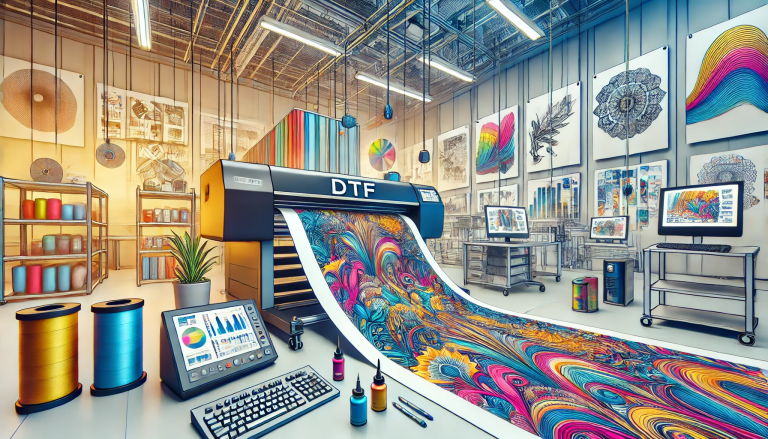
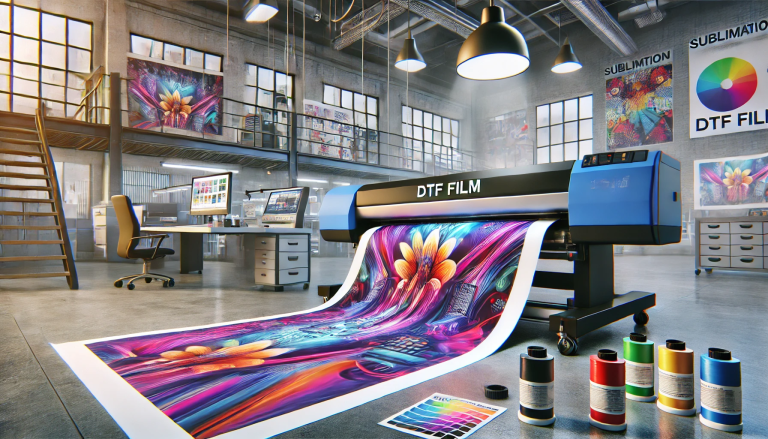
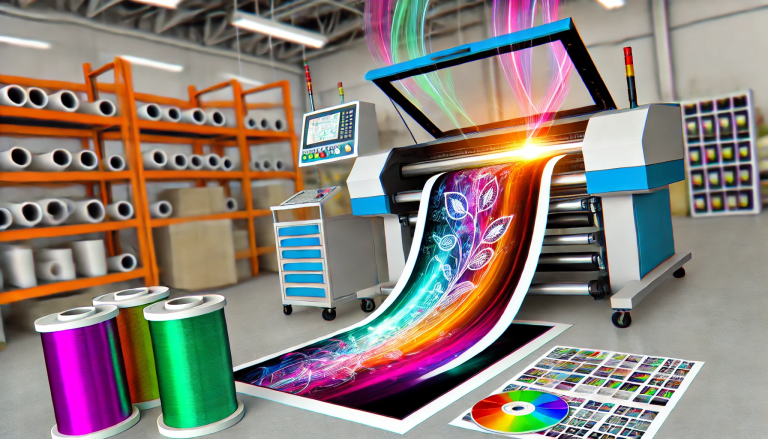
The full potential of DTF Film A3 can only be realized through its seamless integration with modern DTF printing equipment, and this synergy is a key factor in its growing adoption. Most entry-level and mid-range DTF printers are designed to accommodate A3-sized media, featuring precise feeding mechanisms and print heads that optimize ink deposition for the film’s specific coating. UV DTF printers, in particular, pair exceptionally well with A3 DTF film, as the UV-curable inks dry instantly upon exposure to UV light, reducing production time and ensuring consistent print quality. Additionally, advancements in heat press technology have enhanced the transfer efficiency of DTF Film A3. Modern heat presses offer precise temperature and pressure control, ensuring that the adhesive layer on the film bonds firmly with the substrate, resulting in durable, long-lasting prints. The compatibility of DTF Film A3 with a wide range of affordable, user-friendly printing equipment has lowered the barrier to entry for many users, enabling them to leverage advanced DTF technology without the need for expensive, industrial-grade machinery. This technical synergy is not only driving the adoption of DTF Film A3 but also fostering innovation in printing equipment design, as manufacturers continue to optimize their products for A3-sized media.
Overcoming Challenges: Maximizing the Potential of DTF Film A3
While DTF Film A3 offers significant advantages, there are still challenges that need to be addressed to fully maximize its potential. One of the primary challenges is ensuring consistent print quality across different batches and substrates. This requires users to have a thorough understanding of the film’s properties, as well as the optimal printing and heat pressing parameters for each substrate. To overcome this, manufacturers and industry experts are providing comprehensive guides and training resources, helping users master the techniques needed to achieve consistent results. Another challenge is the perception of DTF printing as a “niche” technology among some traditional printers. Educating the market about the versatility, quality, and cost-effectiveness of DTF Film A3 is essential to expanding its adoption. Additionally, the availability of high-quality DTF Film A3 can vary in some regions, leading to inconsistencies in supply. Addressing this requires stronger supply chain management and the entry of more reputable manufacturers into the market. Finally, as with any printing technology, environmental considerations are becoming increasingly important. While DTF printing is generally more eco-friendly than solvent-based printing methods, there is still room for improvement in the recyclability of DTF Film A3 and the sustainability of its adhesive and coating materials. Ongoing research and development in this area will help DTF Film A3 align with the industry’s growing focus on sustainability.
Future Outlook: The Evolving Role of DTF Film A3 in the Printing Industry
Looking ahead, the future of DTF Film A3 in the printing industry is bright, with several trends poised to drive its continued growth. First, the demand for personalized and on-demand printing is expected to keep rising, fueled by changing consumer preferences and the growth of e-commerce platforms that enable custom product orders. DTF Film A3 is perfectly positioned to capitalize on this trend, as it enables efficient, cost-effective small-batch production. Secondly, advancements in DTF ink technology—such as the development of more eco-friendly, durable inks—will enhance the performance of DTF Film A3, expanding its application scope to more demanding industries such as automotive and industrial labeling. Thirdly, the integration of artificial intelligence (AI) and automation into DTF printing equipment will further streamline the production process for DTF Film A3, reducing human error and increasing productivity. AI-powered design software can also help users create optimized designs for A3-sized film, maximizing material utilization and minimizing waste. Finally, the growing adoption of DTF technology by large retail brands for limited-edition and personalized product lines will raise the profile of DTF Film A3, driving its adoption among more mainstream printing businesses. As these trends unfold, DTF Film A3 is set to play an increasingly important role in shaping the future of the printing industry, offering a perfect blend of versatility, efficiency, and accessibility.
In conclusion, DTF Film A3 is a game-changing printing medium that is unlocking new potential in the printing industry. Its unique combination of standardized size, substrate versatility, cost-effectiveness, and high print quality makes it an ideal solution for small and medium-sized businesses, independent creators, and hobbyists alike. By addressing key market needs such as personalized production, small-batch efficiency, and accessibility to advanced printing technology, DTF Film A3 is driving innovation and expanding the boundaries of what is possible in printing. As the industry continues to evolve and embrace on-demand and customized production, the potential of DTF Film A3 will only continue to grow, solidifying its position as a cornerstone of the modern printing landscape.