“Unraveling the Intricacies: How UV DTF Printing Works” -MAXDTF- UV Magic Paper Wholesale, UV DTF Paper Factory, Made in China
In the ever-evolving landscape of digital printing, UV DTF (Ultraviolet Direct-to-Film) technology has emerged as a transformative force, revolutionizing how designs are transferred onto a wide array of substrates—from textiles and leather to wood and metal. Renowned for its versatility, vibrant color reproduction, and durable results, UV DTF printing has become a go-to choice for both commercial printers and hobbyists alike. However, the inner workings of this technology can seem intricate to those new to the field. This article aims to demystify UV DTF printing, breaking down its core components, step-by-step workflow, key mechanisms, and the science behind its superior performance.
First Things First: What is UV DTF Printing?
Before delving into the technical details, it’s essential to define UV DTF printing clearly. At its core, UV DTF is a “print-and-transfer” digital printing technique that combines the precision of UV-curable ink technology with the flexibility of direct-to-film (DTF) transfer. Unlike traditional direct-to-garment (DTG) printing, which applies ink directly to the substrate, or sublimation, which relies on polyester fibers to absorb dyes, UV DTF printing first deposits ink onto a specialized PET (polyethylene terephthalate) transfer film. The ink is instantly cured using UV light, and a layer of hot-melt adhesive powder is applied before a second curing step. Finally, the printed design is transferred onto the target substrate via heat pressing, forming a strong, flexible bond.
What sets UV DTF apart from other transfer methods is its compatibility with virtually all substrates—including non-polyester fabrics (such as 100% cotton), hard surfaces, and even textured materials. This versatility, paired with high-quality print results and efficient production, makes it a standout technology in the customization industry.
Core Components of UV DTF Printing Systems
To understand how UV DTF printing works, it’s crucial to familiarize yourself with its key components. Each part plays a vital role in ensuring the accuracy, speed, and quality of the final print:
1. UV DTF Printer
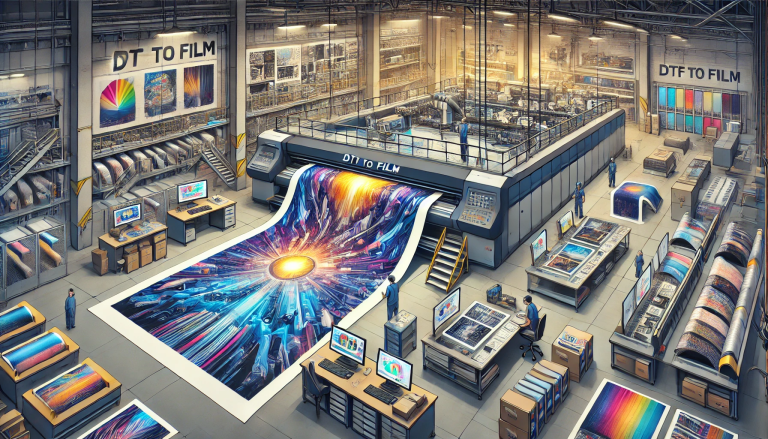
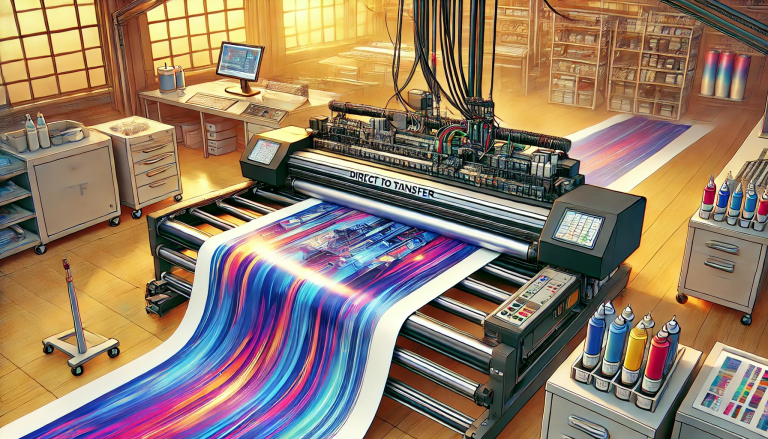
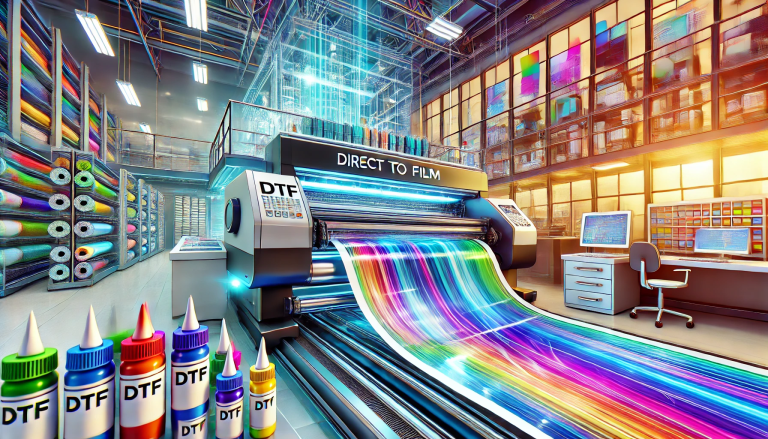
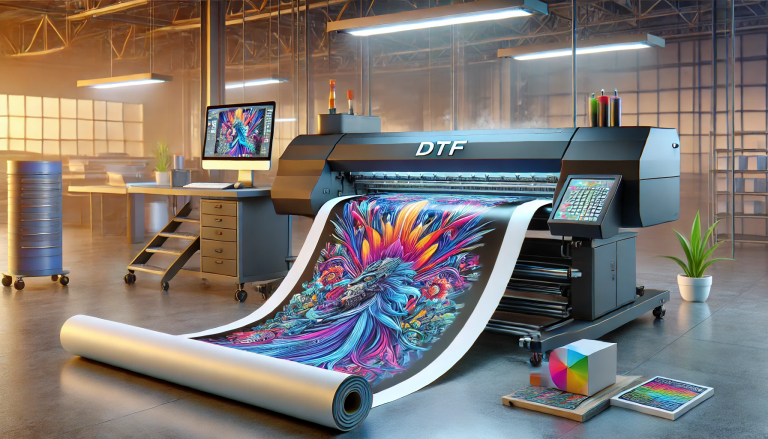
The UV DTF printer is the heart of the system, designed specifically to handle UV-curable inks and PET transfer film. Unlike standard inkjet printers, it is equipped with UV light sources (typically LED UV lamps) positioned directly after the printhead. These lamps cure the ink immediately after it is deposited onto the film, preventing smudging, bleeding, or ink migration—critical for maintaining sharp details and vibrant colors.
2. UV-Curable Inks
UV-curable inks are the lifeblood of UV DTF printing. Unlike water-based or solvent-based inks, these inks contain photoinitiators that react when exposed to UV light, causing the ink to polymerize (harden) instantly. UV DTF inks are available in standard CMYK colors, as well as white ink—essential for printing on dark substrates, as it creates a bright underbase that makes subsequent colors pop. These inks are also known for their high opacity, color vibrancy, and resistance to fading, washing, and abrasion.
3. PET Transfer Film
PET transfer film is a specialized medium that acts as a temporary carrier for the printed design. It is coated with a receptive layer that enhances ink adhesion, ensuring the UV-curable ink bonds firmly to the film during printing and curing. Some advanced PET films (known as UV DTF AB film) feature a dual-layer structure: Layer A (the printing layer) receives the ink, while Layer B (the protective layer) facilitates smooth transfer and easy peeling after heat pressing.
4. Hot-Melt Adhesive Powder
Hot-melt adhesive powder is a critical component that enables the transfer of the printed design to the substrate. Made from thermoplastic materials (typically polyurethane), this powder melts when exposed to heat and forms a strong, flexible bond between the cured ink layer and the target substrate. It comes in various particle sizes and melting points, allowing printers to tailor the powder to different substrates (e.g., delicate fabrics vs. hard surfaces).
5. UV Curing System
The UV curing system consists of LED UV lamps integrated into the printer (for initial ink curing) and sometimes a separate curing oven (for powder curing). LED UV lamps are preferred for their energy efficiency, long lifespan, and low heat emission—ensuring they don’t damage the PET film or the printed design. The intensity and duration of UV exposure are precisely controlled to ensure complete curing, which is essential for the ink’s durability and adhesion.
6. Heat Press
A heat press is used to transfer the cured design from the PET film to the substrate. It applies a combination of heat (typically 140–160°C), pressure (3–5 kg/cm²), and time (10–20 seconds) to melt the hot-melt powder, bonding the design to the substrate. Modern heat presses feature precise temperature and pressure controls, ensuring consistent results across multiple prints.
Step-by-Step: The UV DTF Printing Workflow
Now that we’ve covered the core components, let’s walk through the step-by-step workflow of UV DTF printing, from design preparation to final transfer:
1. Design Preparation
The process begins with digital design preparation. Using graphic design software (such as Adobe Photoshop or Illustrator), the user creates or edits the desired design. Key considerations at this stage include: ensuring the design resolution is at least 300 DPI (dots per inch) for sharp results; reversing the design if necessary (though most UV DTF printers handle this automatically); and adding a white underbase layer for dark substrates. The design file is then sent to the UV DTF printer via print management software.
2. Printing on PET Transfer Film
The PET transfer film is loaded into the UV DTF printer, with the receptive coating side facing the printhead. The printer deposits the UV-curable ink onto the film in the desired pattern—starting with the white underbase (if needed) followed by the CMYK colors. As soon as the ink is deposited, the integrated LED UV lamps activate, curing the ink instantly. This on-the-fly curing prevents the ink from spreading or smudging, even for high-speed prints.
3. Hot-Melt Powder Application
Immediately after printing and initial curing, the printed PET film moves to a powder application station (either integrated into the printer or a separate unit). A fine, uniform layer of hot-melt adhesive powder is sprinkled over the entire printed surface. Excess powder is shaken off and can be recycled, minimizing waste. The goal is to cover the entire ink layer with a thin, even coat of powder—too little powder will result in poor adhesion, while too much can obscure fine details.
4. Second Curing (Powder Curing)
The film with the applied powder then passes through a second curing stage, either via a UV lamp or a low-temperature oven (around 100–120°C). This step melts the hot-melt powder slightly, causing it to bond to the cured ink layer. The powder does not fully melt at this stage—instead, it forms a tacky, stable layer that is ready for transfer. Full melting will occur later during heat pressing.
5. Heat Transfer to the Substrate
Once the powder is cured, the printed PET film is positioned on the target substrate (e.g., a cotton t-shirt, wooden sign, or leather bag) with the ink/powder layer facing down. The assembly is then placed into a heat press, where precise heat, pressure, and time are applied. During this step, the hot-melt powder fully melts, flowing into the pores or texture of the substrate and forming a strong, permanent bond with both the substrate and the cured ink layer.
6. Peeling the PET Film
After the heat press cycle is complete, the assembly is allowed to cool slightly (a process called “cold peeling” or “warm peeling,” depending on the substrate and film type). The PET film is then peeled away from the substrate—leaving only the vibrant, durable printed design behind. For dual-layer AB films, Layer B is peeled first, followed by Layer A, ensuring a clean, smooth finish.
The Science Behind UV DTF’s Superior Performance
The exceptional performance of UV DTF printing—including its vibrant colors, durability, and substrate versatility—can be attributed to two key scientific processes: UV ink curing and hot-melt adhesion.
1. UV Ink Curing: Instant Polymerization
UV-curable inks contain photoinitiators, resins, pigments, and monomers. When exposed to UV light, the photoinitiators absorb the light energy and break down into free radicals. These free radicals trigger a chain reaction that causes the monomers and resins to polymerize—forming a solid, cross-linked network. This process happens in a fraction of a second, resulting in a cured ink layer that is resistant to smudging, fading, and chemical damage. Unlike solvent-based inks, which require time to evaporate, UV-curable inks are ready for the next step immediately, speeding up the production process.
2. Hot-Melt Adhesion: Thermoplastic Bonding
Hot-melt adhesive powder is a thermoplastic material, meaning it softens and melts when heated and hardens again when cooled. During heat pressing, the powder melts and flows, wetting the surface of the substrate and the cured ink layer. As it cools, it solidifies, forming a mechanical bond (by infiltrating the substrate’s texture) and a chemical bond (between the adhesive, ink, and substrate). This dual bonding mechanism ensures the print is not only strong but also flexible—able to move with fabrics without cracking or peeling, even after repeated washes.
Key Advantages of UV DTF Printing
Understanding how UV DTF printing works helps explain why it offers several advantages over traditional printing methods:
- Substrate Versatility: Works on virtually any substrate, including cotton, polyester, blends, leather, wood, metal, glass, and plastic—overcoming the limitations of sublimation (polyester-only) and DTG (fabric-only).
- Vibrant, High-Resolution Prints: UV-curable inks and instant curing ensure sharp details, smooth gradients, and vivid colors, even on dark substrates (thanks to white ink underbasing).
- Durability: The cross-linked UV ink and hot-melt adhesive create prints that resist washing, rubbing, fading, and UV exposure—ideal for apparel and outdoor applications.
- Efficiency: Instant ink curing eliminates drying time, and the print-and-transfer workflow allows for quick setup and small-batch production (no expensive screens or plates required).
- Eco-Friendliness: UV-curable inks contain no volatile organic compounds (VOCs), reducing harmful emissions. Excess powder can be recycled, minimizing waste.
Common Applications of UV DTF Printing
Thanks to its versatility and performance, UV DTF printing is used in a wide range of industries and applications:
- Apparel Customization: Custom t-shirts, hoodies, jackets, jeans, and sportswear—especially 100% cotton items that are challenging for sublimation.
- Promotional Products: Branded tote bags, caps, aprons, mugs, and phone cases—creating eye-catching, durable promotional items.
- Signage and Decals: Custom decals for windows, vehicles, and walls—thanks to its compatibility with hard surfaces and UV resistance.
- Home Decor: Printed pillowcases, curtains, wall art, and furniture decals—adding personalized touches to living spaces.
- Leather Goods: Custom leather jackets, bags, wallets, and shoes—bonding effectively to leather without damaging its texture.
Conclusion
UV DTF printing is a sophisticated yet efficient technology that combines the precision of UV-curable ink systems with the flexibility of film transfer. By understanding its core components, step-by-step workflow, and the scientific principles behind ink curing and adhesive bonding, it’s easy to see why it has become a game-changer in the customization industry. From its ability to print on virtually any substrate to its vibrant, durable results, UV DTF printing offers a level of versatility and performance that traditional methods simply can’t match. Whether you’re a commercial printer looking to expand your service offerings or a hobbyist eager to bring your creative designs to life, unraveling the intricacies of UV DTF printing reveals a world of possibilities for custom creation.