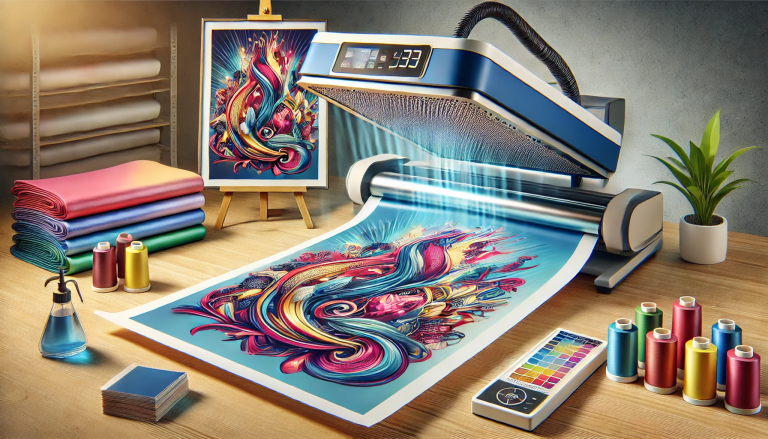
The world of custom apparel has witnessed a significant transformation with the advent of DTF (Direct-to-Film) printing technology. This innovative method has revolutionized the way graphics and designs are applied to fabrics, offering unparalleled precision, versatility, and efficiency. At the heart of this revolution are DTF printing paper factories, which play a crucial role in producing the specialized paper used in this process. This article takes a deep dive into the world of DTF printing paper factories, exploring their significance, the technology behind them, and the impact they have on the custom apparel industry.
Understanding DTF Printing
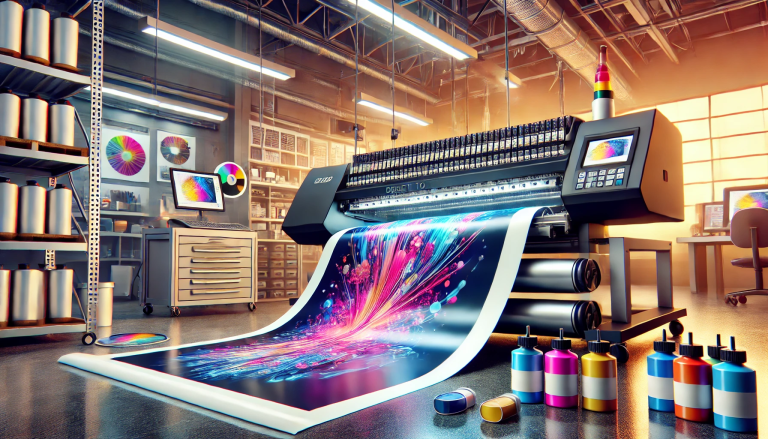
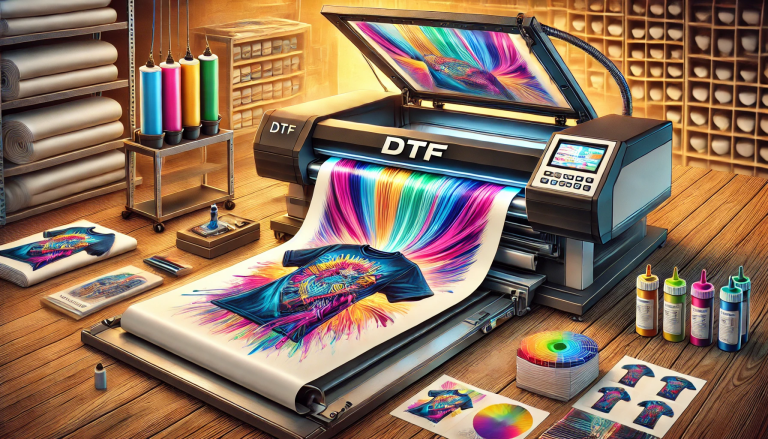
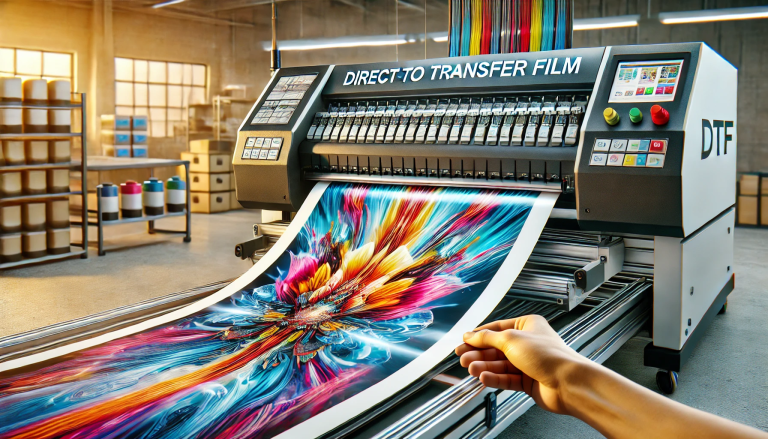
Before delving into the factories, it’s essential to understand what DTF printing is and why it has become so popular. DTF printing is a process where a design is printed onto a special transfer paper using inkjet technology. Unlike traditional screen printing or heat transfer methods, DTF printing allows for full-color, high-resolution graphics to be applied directly to a variety of fabrics, including cotton, polyester, and blends. The process involves printing the design onto the DTF transfer paper, applying a special powder (called “adhesive powder”) to the printed surface, and then transferring the design onto the fabric using heat and pressure.
The advantages of DTF printing are numerous:
- High-Resolution Graphics: DTF printing offers incredible detail and color accuracy, making it ideal for intricate designs and photographs.
- Versatility: The process can be used on a wide range of fabric types and colors, including dark fabrics, which are notoriously challenging to print on with other methods.
- Cost-Effectiveness: DTF printing reduces material waste and setup time, making it a cost-effective solution for both small and large-scale production.
- Speed and Efficiency: The process is faster than traditional methods, allowing for quicker turnaround times and greater productivity.
The Role of DTF Printing Paper Factories
At the core of the DTF printing process is the DTF transfer paper, which acts as a medium for the printed design. The quality and performance of the transfer paper significantly impact the final outcome of the printed apparel. This is where DTF printing paper factories come into play. These factories are specialized facilities that produce the high-quality paper required for DTF printing, ensuring that it meets the stringent demands of the industry.
Here’s a closer look at what goes on inside a DTF printing paper factory:
- Raw Material Selection: The first step in the production process is the selection of raw materials. The paper used for DTF printing must be of high quality, with properties that allow for the smooth transfer of ink and the adherence of adhesive powder. Common materials include specialty paper made from wood pulp or synthetic fibers, which are chosen for their durability, absorbency, and ability to withstand the heat and pressure of the transfer process.
- Paper Manufacturing: Once the raw materials are selected, the paper is manufactured using a series of processes, including pulping, refining, and pressing. The goal is to create a paper that is smooth, consistent, and capable of delivering sharp, vibrant prints. The paper is also treated with special coatings to enhance its ink-absorbing properties and ensure that the adhesive powder bonds effectively during the transfer process.
- Quality Control: Throughout the manufacturing process, strict quality control measures are implemented to ensure that the final product meets industry standards. This includes inspections for paper thickness, smoothness, and durability, as well as tests to verify the paper’s ability to handle ink and adhesive powder without compromising the print quality.
- Customization and Innovation: DTF printing paper factories also play a crucial role in innovation and customization. As the demand for unique and specialized printing solutions grows, factories are constantly developing new paper formulations and coatings to meet these needs. For example, some factories offer papers tailored for specific fabric types or printing conditions, while others experiment with eco-friendly materials to meet the growing demand for sustainable products.
The Impact of DTF Printing Paper Factories on the Custom Apparel Industry
The role of DTF printing paper factories extends far beyond simply producing paper; they are integral to the success and evolution of the custom apparel industry. Here are some of the key ways in which these factories have made an impact:
- Enhanced Print Quality: The high-quality paper produced by DTF printing paper factories ensures that designs are printed with precision and clarity, resulting in vibrant, long-lasting graphics on apparel. This has elevated the overall quality of custom apparel, making it more attractive to consumers and businesses alike.
- Increased Versatility: The versatility of DTF printing, made possible by the specialized paper, has opened up new opportunities for designers and manufacturers. It allows for the application of complex, full-color designs on a wide range of fabrics, including those that were previously difficult to print on. This has expanded the creative possibilities in the custom apparel sector, enabling more innovative and unique designs.
- Cost Efficiency: By producing paper that is optimized for the DTF printing process, factories help reduce waste and improve efficiency. This translates to cost savings for businesses, making custom apparel more accessible and affordable for a broader audience.
- Sustainability: As the demand for eco-friendly products grows, DTF printing paper factories are responding by developing sustainable paper options. These eco-friendly papers are made from recycled materials or produced using energy-efficient methods, helping to reduce the environmental impact of the custom apparel industry.
- Innovation and Growth: The continuous innovation in DTF printing paper manufacturing is driving the growth of the custom apparel industry. Factories are not only meeting current demands but also anticipating future trends, developing new products that push the boundaries of what is possible in custom apparel printing.
The Future of DTF Printing Paper Factories
As the custom apparel industry continues to evolve, so too will the role of DTF printing paper factories. Here are some trends and developments to watch for in the future:
- Advancements in Paper Technology: Future innovations in paper technology will likely focus on improving print quality, durability, and sustainability. For example, factories may develop papers with enhanced ink-absorbing properties or new coatings that provide better adhesion of adhesive powder, resulting in even better print outcomes.
- Automation and Efficiency: As the demand for custom apparel grows, DTF printing paper factories will likely invest in automation and advanced manufacturing techniques to increase production efficiency and reduce costs. This could lead to faster production times and more affordable paper for businesses.
- Customization and Specialization: With the rise of niche markets and specialized printing needs, factories may offer more customized paper options, tailored to specific applications or fabric types. This could include papers designed for delicate fabrics, high-wear garments, or specific printing techniques.
- Sustainability Initiatives: Sustainability will remain a key focus for DTF printing paper factories, with increased efforts to develop eco-friendly products and reduce the environmental impact of production processes. This could involve the use of recycled materials, renewable energy sources, and waste reduction strategies.
- Collaboration with Industry Players: To stay ahead of the curve, DTF printing paper factories may collaborate with other industry players, such as printer manufacturers, ink suppliers, and apparel brands. These partnerships could lead to the development of integrated solutions that enhance the overall performance and efficiency of the DTF printing process.
Conclusion
The revolution in custom apparel driven by DTF printing would not be possible without the critical role of DTF printing paper factories. These factories produce the specialized paper that enables high-quality, versatile, and cost-effective printing on a wide range of fabrics. By continuously innovating and meeting the demands of the industry, DTF printing paper factories have become a cornerstone of the custom apparel sector, helping it to grow and evolve in new and exciting directions.
As the demand for custom apparel continues to rise, the importance of these factories will only increase, driving further advancements in printing technology, sustainability, and efficiency. The future of DTF printing paper factories is bright, with endless possibilities for innovation and growth that will continue to shape the landscape of the custom apparel industry for years to come.