“The Dawn of a New Printing Era: UV DTF Film Printer” -MAXDTF- UV DTF Printing Film Manufacturer, UV DTF Decal Factory, Made in China
In the ever-evolving landscape of printing technology, innovation has always been the driving force behind industry transformation. From the traditional offset printing that dominated mass production for decades to the rise of digital printing that brought unprecedented customization, each technological leap has redefined the possibilities of visual communication. Today, a new star has emerged on the printing horizon—the UV DTF (Ultraviolet Direct to Film) film printer—heralding the dawn of a new printing era marked by versatility, efficiency, and boundless creativity.
Breaking the Boundaries: Limitations of Conventional Printing
To understand the revolutionary nature of UV DTF film printers, it is essential to first grasp the limitations of conventional printing technologies that they overcome. Traditional screen printing, while cost-effective for large batches, struggles with intricate designs, multi-color gradients, and small-batch production. Digital printing methods like DTG (Direct to Garment) are confined to fabric substrates, and UV flatbed printers, though versatile in substrate compatibility, often require pre-treatment of materials and face challenges with curved or irregular surfaces. UV DTF film printing, however, breaks through these barriers by combining the advantages of UV curing technology and DTF transfer principles, creating a flexible and efficient printing solution.
The Core Workflow: How UV DTF Printing Works
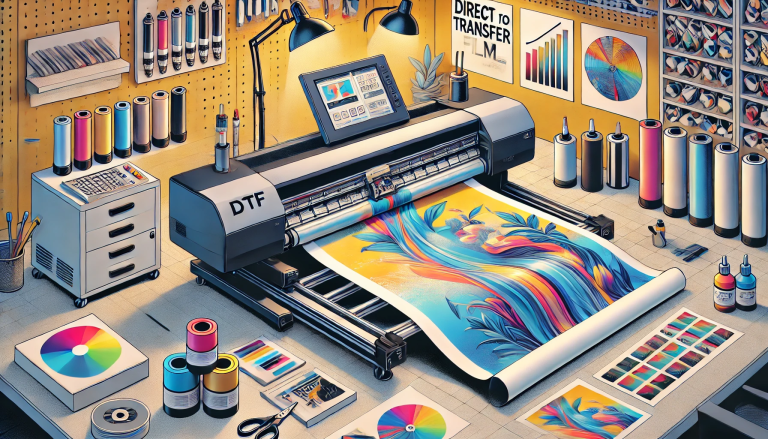
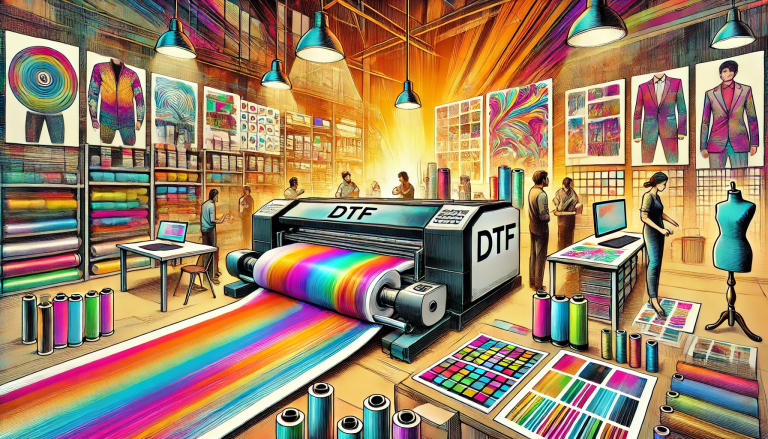
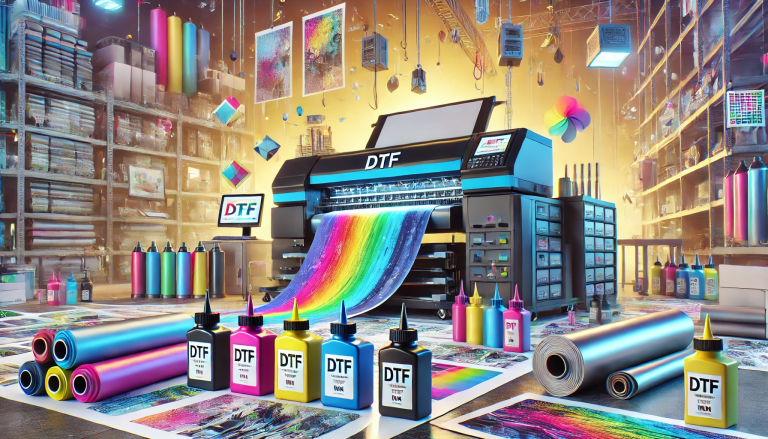
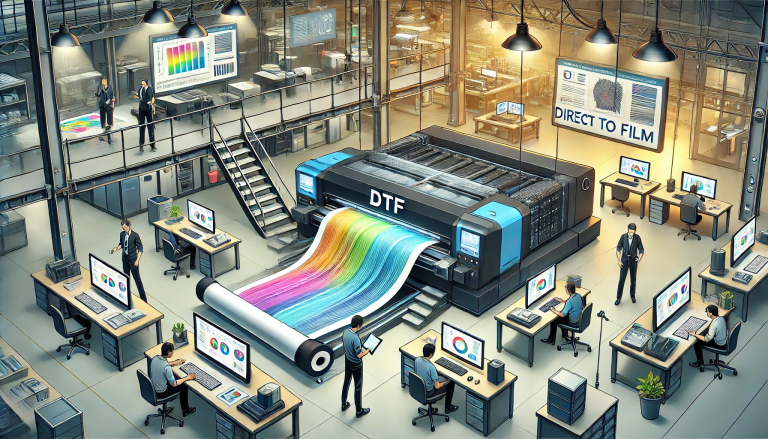
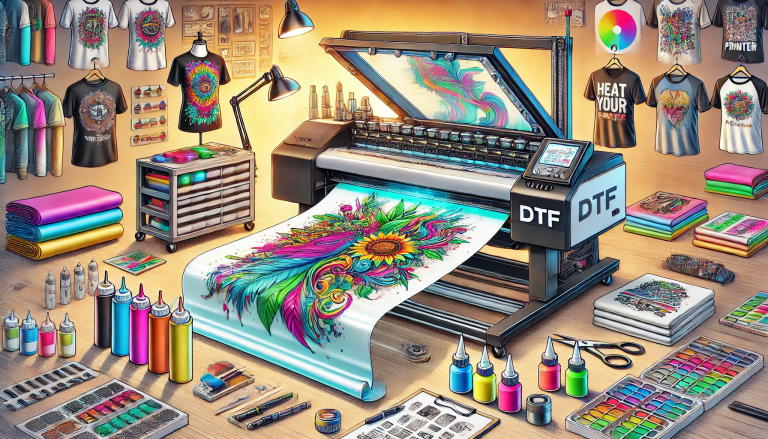
At the core of UV DTF film printing lies a sophisticated yet user-friendly workflow. The process begins with printing the desired design onto a special DTF film using UV-curable inks. Unlike solvent-based inks, UV inks dry instantly upon exposure to ultraviolet light, eliminating the need for lengthy drying times and reducing production cycles significantly. Once the design is printed on the film, a layer of hot-melt adhesive is applied over it. The printed film is then transferred onto the target substrate—whether it be plastic, metal, glass, wood, fabric, or even curved surfaces—using a heat press. This transfer process ensures that the design adheres firmly to the substrate, resulting in vibrant, durable prints with excellent scratch and water resistance.
Unparalleled Versatility: Substrates Beyond Imagination
One of the most striking advantages of UV DTF film printers is their unparalleled substrate versatility. Unlike many traditional printing technologies that are limited to specific materials, UV DTF printers can decorate almost any solid surface. This opens up a world of possibilities for various industries. In the advertising and signage industry, businesses can now create eye-catching, high-quality prints on acrylic panels, aluminum composite materials, and even 3D objects like promotional giveaways. In the packaging industry, UV DTF printing enables the production of custom packaging with intricate designs on glass bottles, plastic containers, and cardboard boxes, enhancing brand visibility and product appeal. For the personalized gift and hobby market, it allows for the creation of unique, customized items such as printed phone cases, mugs, wooden photo frames, and clothing, catering to the growing consumer demand for one-of-a-kind products.
Efficiency and Cost-Effectiveness: A Game-Changer for Businesses
Efficiency and cost-effectiveness are two other key factors that make UV DTF film printers a game-changer in the printing industry. The instant curing of UV inks means that production processes are faster, reducing lead times and allowing printers to handle more orders in less time. Additionally, the elimination of pre-treatment steps for most substrates reduces material and labor costs. UV DTF printing also minimizes ink waste, as it uses only the amount of ink needed for the specific design, unlike screen printing which requires the creation of stencils that are often discarded after use. For small and medium-sized printing businesses, this translates to lower operational costs and higher profit margins, making high-quality, customized printing more accessible than ever before.
Superior Print Quality: Vivid, Durable, and Precise
In terms of print quality, UV DTF film printers deliver exceptional results that rival or surpass traditional printing methods. The UV-curable inks produce vivid, true-to-life colors with excellent color saturation and consistency. The prints have a smooth finish, and the hot-melt adhesive ensures that the design bonds tightly to the substrate, resulting in long-lasting durability. Whether it is a complex gradient, a fine line art, or a high-resolution photograph, UV DTF printers can reproduce even the most intricate details with precision, meeting the high standards of today’s consumers and businesses.
Sustainability Advantages: Eco-Friendly Printing Solutions
As the printing industry continues to embrace sustainability, UV DTF film printing also offers environmental benefits. UV inks are free of volatile organic compounds (VOCs), which are harmful to the environment and human health. The instant curing process reduces energy consumption compared to traditional drying methods, and the minimal ink waste contributes to a more eco-friendly production process. These environmental advantages make UV DTF film printing an attractive option for businesses looking to reduce their carbon footprint and meet the growing demand for sustainable products.
A Paradigm Shift: Reshaping the Printing Industry
The rise of UV DTF film printers is not just a technological innovation; it is a paradigm shift that is reshaping the printing industry. It empowers printers to take on new challenges, explore new markets, and deliver innovative solutions to their customers. Small businesses and independent designers, in particular, benefit from the accessibility and versatility of UV DTF printing, allowing them to compete with larger companies and bring their creative visions to life. This democratization of high-quality printing is fostering a more dynamic and innovative industry ecosystem.
The Future of UV DTF Printing: Innovations on the Horizon
Looking ahead, the future of UV DTF film printing is bright. As technology continues to advance, we can expect to see further improvements in print speed, ink efficiency, and substrate compatibility. The integration of artificial intelligence and automation may also streamline the printing process, making it even more user-friendly and efficient. Additionally, ongoing research into ink formulations could lead to even more durable and eco-friendly UV inks, expanding the application scope of UV DTF printing. With its unique combination of versatility, efficiency, and quality, UV DTF film printing is poised to become the dominant force in the printing industry, ushering in a new era of creativity and innovation.
In conclusion, the UV DTF film printer is more than just a new printing device; it is a catalyst for change that is transforming the way we create and consume printed materials. By breaking through the limitations of traditional printing technologies, it opens up a world of possibilities for businesses and creators alike. As we stand at the dawn of this new printing era, it is clear that UV DTF film printing will play a pivotal role in shaping the future of the industry, driving innovation, and inspiring creativity for years to come.