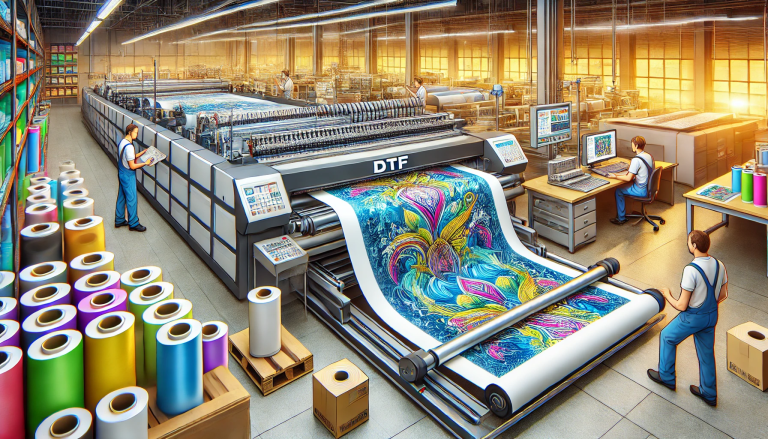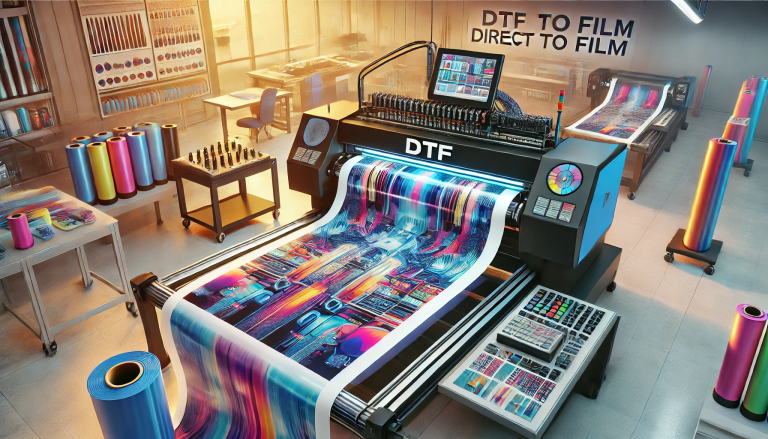
The Direct-to-Film (DTF) printing industry has seen rapid growth in recent years, driven by its ability to produce high-quality, durable prints on a wide range of substrates. Central to this innovative printing process is the DTF transfer tape, a material that plays a crucial role in ensuring the smooth transfer of printed designs from film to the final product. However, with numerous suppliers offering transfer tapes of varying quality, navigating this competitive landscape can be challenging. This guide aims to help businesses and professionals understand the key factors to consider when selecting a DTF transfer tape supplier, ensuring they make informed decisions that align with their needs.
Understanding DTF Transfer Tape
Before delving into the supplier landscape, it’s essential to understand what DTF transfer tape is and why it’s vital in the printing process. DTF transfer tape is a transparent adhesive film that acts as an intermediary layer between the printed design (applied to DTF film) and the final substrate, such as textiles or promotional goods. The transfer tape ensures that the printed design adheres securely to the substrate during the heat transfer process, maintaining its vibrancy and durability.
The quality of the transfer tape directly impacts the final product’s performance, making it a critical component in the DTF printing workflow. High-quality transfer tapes ensure:
- Efficient Transfer: Smooth and complete transfer of the design to the substrate without damage or distortion.
- Durability: Resistance to peeling, cracking, and fading over time, even under harsh conditions.
- Compatibility: Adherence to a wide range of substrates, including textiles, plastics, and metals.
Key Factors to Consider When Choosing a DTF Transfer Tape Supplier
Selecting the right DTF transfer tape supplier is essential for achieving consistent and high-quality results. Below are the key factors to consider:
- Material Quality
The quality of the transfer tape material is paramount. Look for suppliers that use premium adhesive formulations to ensure strong bonding and long-lasting performance. High-quality materials also minimize the risk of air bubbles or uneven transfers during the application process. - Compatibility
Ensure the transfer tape is compatible with the range of substrates you work with, including fabrics, plastics, and specialty materials. Some suppliers offer transfer tapes specifically designed for certain applications, such as textiles for apparel or rigid materials for signage. - Adhesion Strength
The adhesion strength of the transfer tape determines how well it holds the printed design during the transfer process. Opt for suppliers that offer transfer tapes with proven adhesive properties to avoid issues like peeling or lifting over time. - Durability
Durability is especially important for products that will be exposed to wear and tear, such as apparel or promotional goods. Look for transfer tapes that offer resistance to washing, abrasion, and environmental factors like humidity and UV exposure. - Ease of Use
The transfer process should be efficient and user-friendly. Supplied transfer tapes should have a smooth release layer that allows for easy application without tearing or residue issues. - Cost-Effectiveness
While quality should always come first, cost is also a consideration. Evaluate the price-to-performance ratio of different suppliers to ensure you’re getting the best value for your investment. - Supplier Reputation
Research the reputation of potential suppliers. Look for reviews, testimonials, and case studies from other businesses using their products. A reputable supplier will also offer customer support and technical assistance to help you troubleshoot any issues. - Sustainability
With sustainability becoming a growing concern, consider suppliers that offer eco-friendly transfer tapes. Biodegradable or recyclable materials are increasingly available and can help reduce your environmental impact.
Types of DTF Transfer Tapes
Suppliers offer a variety of DTF transfer tapes tailored to specific applications and materials. Common types include:
- Textile Transfer Tapes: Designed for apparel and fabric applications, these tapes ensure vibrant and durable prints on textiles.
- Rigid Material Transfer Tapes: Ideal for printing on plastics, metals, and other non-porous surfaces, these tapes offer strong adhesion and resistance to harsh conditions.
- Specialty Transfer Tapes: Some suppliers offer customized transfer tapes for niche applications, such as high-temperature resistance for industrial labeling or UV-resistant options for outdoor signage.
Popular DTF Transfer Tape Suppliers
A quick overview of some leading DTF transfer tape suppliers can help you get started:
- Avalon Paper: Known for its high-quality transfer tapes designed for textile applications, Avalon Paper offers products that ensure vibrant and long-lasting prints on clothing and accessories.
- Barudan: A trusted name in the textile printing industry, Barudan provides transfer tapes that cater to both small and large-scale operations, with a focus on durability and ease of use.
- Mimaki: Offering a wide range of DTF transfer tapes for diverse applications, Mimaki is a global leader in printing solutions, known for its innovative and reliable products.
- Durst: With a strong focus on sustainability, Durst supplies transfer tapes that deliver exceptional performance while aligning with eco-friendly practices.
- Fujifilm: As a pioneer in printing technology, Fujifilm offers transfer tapes that combine high adhesion strength with excellent durability for a variety of substrates.
Choosing the Right Supplier for Your Needs
To identify the best DTF transfer tape supplier, consider the following steps:
- Define Your Requirements: Assess your specific needs in terms of material compatibility, durability, and application volume.
- Research Suppliers: Compile a list of potential suppliers and evaluate their product offerings, customer reviews, and reputation.
- Request Samples: Many suppliers offer samples, allowing you to test the quality of their transfer tapes before committing to a purchase.
- Assess Customer Support: Ensure the supplier provides reliable technical support and an easy-to-use ordering process.
- Compare Pricing: While quality should always come first, compare pricing to ensure you’re getting the best value for your investment.
Conclusion
Navigating the world of DTF transfer tape suppliers requires careful consideration of material quality, compatibility, durability, and cost-effectiveness. By understanding the key factors and evaluating potential suppliers, businesses can make informed decisions that ensure the success of their DTF printing operations. High-quality transfer tapes are not just a means to an end—they are a critical component in delivering vibrant, durable, and professional-looking prints.
As the DTF printing industry continues to evolve, investing in reliable and innovative transfer tape solutions will enable businesses to stay competitive and meet the growing demand for customized, high-quality products. Whether you’re printing apparel, promotional goods, or industrial labels, choosing the right DTF transfer tape supplier is a step toward achieving excellence in your printing endeavors.