“Bringing Music to Life with High-Quality Vinyl Records!” -MAXDTF- A3 DTF paper Factory, 13 x 19 DTF Film Supplier, Made in China
In the world of custom printing and decorative applications, DTF (Direct-to-Film) and vinyl are two widely used methods for transferring designs onto substrates. Due to their shared purpose of creating custom graphics, a common question arises: Is DTF vinyl? The answer is a clear no—DTF and vinyl are distinct technologies with different compositions, workflows, and applications. This article explores the key differences between DTF and vinyl, clarifies their unique characteristics, and explains why they cannot be considered the same.
1. Core Definitions: DTF and Vinyl
To understand why DTF is not vinyl, it is essential to first define each method and its fundamental components.
1.1 What is DTF?
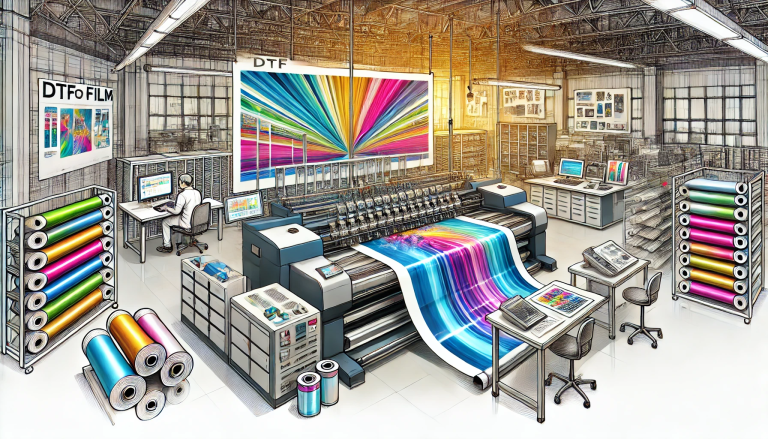
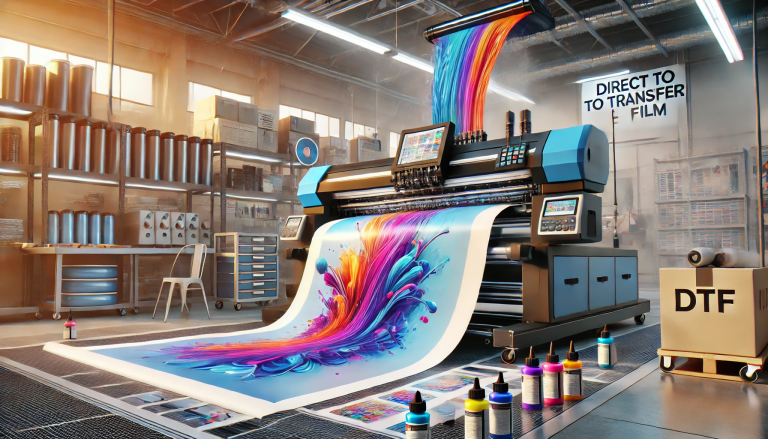
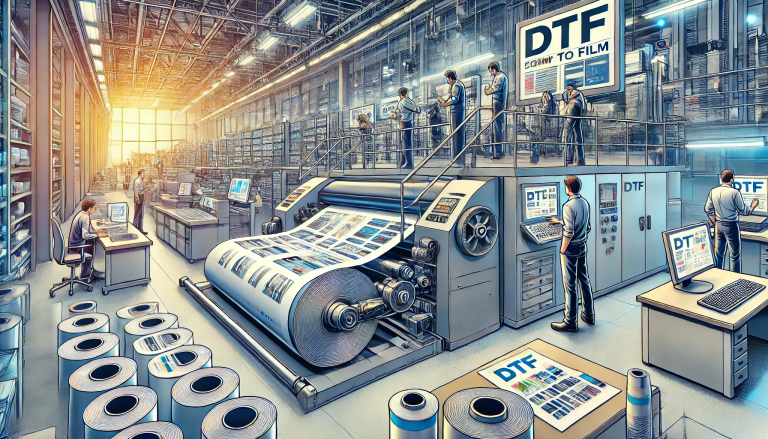
DTF, or Direct-to-Film, is a digital printing technique that involves printing designs directly onto a specialized PET (polyethylene terephthalate) film using DTF inks. After printing, a layer of DTF adhesive powder is applied to the film, which is then cured with heat. The final step involves transferring the printed film onto a substrate (such as fabric, plastic, or wood) using a heat press, where the adhesive powder bonds the design to the surface. DTF is known for its versatility, high-resolution output, and ability to adhere to a wide range of materials without requiring pre-treatment.
1.2 What is Vinyl?
Vinyl, in the context of printing and decoration, refers to a thin, flexible plastic material (typically PVC or polyurethane) used to create designs via cutting or printing. There are two main types of vinyl applications: cut vinyl and printed vinyl. Cut vinyl involves using a vinyl cutter to trim solid-colored vinyl sheets into specific shapes, which are then applied to substrates using transfer tape. Printed vinyl uses a vinyl printer to apply ink directly onto vinyl sheets, which are then transferred similarly. Vinyl is valued for its durability, weather resistance, and suitability for signage and outdoor applications.
2. Key Differences Between DTF and Vinyl
DTF and vinyl differ drastically in their composition, production workflow, and performance characteristics—factors that set them apart as distinct technologies.
2.1 Composition and Material Base
The most fundamental difference lies in their core materials. DTF relies on a PET film as the printing medium, paired with DTF inks and adhesive powder. The PET film acts as a temporary carrier for the design, which is transferred to the substrate via heat and adhesive. The final design on the substrate consists of ink bonded by the adhesive powder, with no residual film left behind (after peeling the PET carrier).
Vinyl, by contrast, is a self-contained plastic material that serves as both the design medium and the final layer on the substrate. Whether cut or printed, vinyl designs remain as a thin plastic layer on top of the substrate. Vinyl sheets are available in various finishes (glossy, matte, metallic) and colors, and their composition is designed for durability and adhesion without the need for additional adhesive layers (beyond transfer tape for application).
2.2 Production Workflow
DTF follows a digital printing workflow: designs are created digitally, printed onto DTF film with DTF inks, coated with adhesive powder, cured, and then heat-pressed onto the substrate. The process is fully digital, allowing for on-demand printing of complex, multi-color designs with gradients, photos, and fine details. Setup is minimal, making it ideal for small batches and custom one-off projects.
Vinyl workflows are either mechanical (cut vinyl) or a combination of printing and cutting (printed vinyl). Cut vinyl requires creating a vector design, which is then cut into solid-colored vinyl sheets using a cutter. Printed vinyl involves printing a design onto vinyl sheets (using solvent, eco-solvent, or UV inks) before optionally cutting the design to shape. Both processes require more setup for multi-color designs—cut vinyl needs separate sheets for each color, while printed vinyl requires ink and vinyl compatibility checks. Vinyl is more efficient for large batches of simple designs.
2.3 Adhesion and Substrate Compatibility
DTF adhesion relies on adhesive powder, which bonds the ink layer to the substrate when heated. This allows DTF to work with a wide range of substrates, including fabrics (cotton, polyester, blends), wood, metal, glass, and plastics. DTF designs on fabrics are flexible and move with the material, making them suitable for apparel like t-shirts and hoodies.
Vinyl adheres via its inherent adhesive backing, which is activated by pressure (and sometimes heat for permanent applications). Vinyl works best on smooth, non-porous surfaces such as metal, plastic, glass, and painted wood. While fabric-compatible vinyl (heat-transfer vinyl, HTV) exists, it is a specialized type that requires heat pressing and is less flexible than DTF. Standard vinyl does not adhere well to porous substrates like uncoated wood or natural fabrics.
2.4 Design Capabilities and Finish
DTF excels at complex, high-resolution designs. It supports full-color printing, gradients, photo-realistic images, and fine lines—thanks to its digital printing nature. The finish of DTF designs is determined by the ink and film type (glossy or matte), and the design sits close to the substrate with a thin, tactile layer that is barely noticeable on fabrics.
Vinyl is limited in design complexity. Cut vinyl can only create solid shapes and simple designs, as it relies on trimming single-color sheets. Printed vinyl can handle multi-color designs but may struggle with fine gradients or ultra-fine details due to the thickness of the vinyl layer. Vinyl designs have a distinct plastic feel and a more noticeable surface texture, which can be beneficial for signage but less ideal for apparel where comfort is key.
3. Why DTF Is Not Vinyl
The incompatibility between DTF and vinyl stems from their fundamental differences in material, workflow, and purpose. DTF is a digital printing method that uses ink, adhesive powder, and a temporary PET film to transfer designs onto substrates. Vinyl is a plastic material that is either cut or printed and applied directly as a permanent layer on the substrate.
Additionally, their performance characteristics differ: DTF offers flexibility and complex design capabilities for diverse substrates, while vinyl provides durability and weather resistance for smooth surfaces. Using DTF is not equivalent to using vinyl, as each method requires different equipment, materials, and techniques to achieve optimal results.
4. Applications: Choosing Between DTF and Vinyl
The choice between DTF and vinyl depends on the project’s requirements:
- DTF is ideal for custom apparel (t-shirts, hoodies), personalized gifts (mugs, wooden plaques), and projects requiring complex, multi-color designs. It works well on both porous and non-porous substrates and offers a flexible, comfortable finish on fabrics.
- Vinyl is best for signage (indoor/outdoor), vehicle decals, window graphics, and projects needing weather resistance. It is suitable for smooth surfaces and simple, bold designs—either solid-colored (cut vinyl) or printed (printed vinyl) with moderate detail.
Conclusion
DTF is not vinyl—they are distinct technologies with unique materials, workflows, and applications. DTF is a digital transfer method using ink, adhesive powder, and a temporary film, while vinyl is a plastic material applied directly to substrates via cutting or printing. Understanding these differences allows printers, hobbyists, and businesses to select the right method for their projects, ensuring optimal adhesion, design quality, and durability. Whether creating custom apparel or outdoor signage, choosing between DTF and vinyl depends on the substrate, design complexity, and performance needs.