“Discover the Difference: Is DTF Hot Peel and Transfer Paper?” -MAXDTF- DTF A4 Film Supplier, PET Film DTF roll Manufacturer, Made in china
In the realm of digital textile printing, terms like “DTF hot peel” and “transfer paper” are often used interchangeably by beginners, leading to confusion about their actual functions and applications. While both are designed to transfer designs onto fabrics, they differ significantly in composition, working principles, and performance. This article clarifies the distinctions between DTF hot peel film and transfer paper, helping you choose the right solution for your printing needs.
1. Core Definitions: What Are DTF Hot Peel and Transfer Paper?
To understand their differences, it’s first essential to define each product and its core purpose.
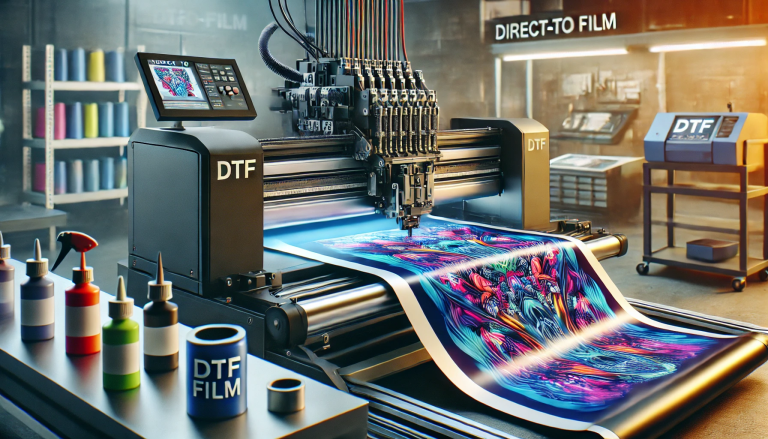
DTF Hot Peel Film is a specialized film used in Direct-to-Film (DTF) printing, a process that involves printing designs directly onto a PET film with DTF-specific inks, coating the film with adhesive powder, curing it, and then transferring the design to fabric via heat press. “Hot peel” refers to the peeling method— the film is removed immediately after heat transfer while still warm, allowing for faster production and vibrant color retention.
Transfer Paper, by contrast, is a broader category of paper-based products used in various printing techniques, such as heat transfer vinyl (HTV) paper, sublimation paper, and inkjet transfer paper. It works by absorbing ink (from inkjet or laser printers) and transferring the design to fabric through heat and pressure. Unlike DTF film, transfer paper is typically cellulose-based and may require cold peeling or specific cooling periods after transfer.
2. Key Differences in Composition and Working Principles
The most fundamental differences lie in their material composition and how they interact with inks and fabrics during the transfer process.
In terms of composition, DTF hot peel film is made of PET (polyethylene terephthalate) with a specialized coating that bonds with DTF inks and adhesive powder. This coating ensures strong adhesion to fabrics and enables the hot peel functionality without damaging the design. Transfer paper, on the other hand, is usually made of wood pulp or synthetic fibers, with a coating that absorbs and holds ink (e.g., sublimation paper has a polymer coating to trap sublimation inks).
Their working principles also diverge. DTF hot peel relies on the combination of ink, adhesive powder, and heat to create a durable bond between the design and fabric— the adhesive powder melts during heat pressing, acting as a bridge between the film’s ink layer and the fabric fibers. Transfer paper, however, either transfers ink directly (sublimation paper) or uses a pre-printed layer (HTV paper) that adheres to the fabric when heated, with no additional adhesive powder required.
3. Performance and Application Scenarios
Differences in composition and working principles translate to varying performance and suitability for different use cases.
DTF hot peel film excels in versatility, as it works with a wide range of fabrics (cotton, polyester, blends, and even non-textiles like leather). It produces vivid, high-resolution designs with excellent durability, withstands repeated washes, and is ideal for small-batch production or custom designs due to its low setup cost. The hot peel feature also speeds up workflow, making it a top choice for businesses needing quick turnaround.
Transfer paper’s performance varies by type: sublimation paper only works on polyester or polyester-coated materials, as it relies on ink sublimation into fabric fibers. Inkjet transfer paper is suitable for cotton but often has lower durability, with designs fading or peeling after multiple washes. HTV paper offers good durability but is limited to simple designs and requires weeding (removing excess material), making it less efficient for complex patterns. Transfer paper is generally more cost-effective for large-scale production but lacks the versatility of DTF hot peel film.
4. Common Misconceptions and Final Recommendations
One common misconception is that DTF hot peel film is a type of transfer paper— in reality, DTF film is a PET-based product, while transfer paper is cellulose-based, and their transfer mechanisms are distinct. Another myth is that hot peel means lower durability; when used correctly, DTF hot peel film produces transfers just as durable as cold peel alternatives.
For those prioritizing versatility, design quality, and workflow speed, DTF hot peel film is the better choice, especially for custom or small-batch projects. If you’re printing on polyester in large volumes, sublimation transfer paper may be more cost-effective. For simple cotton designs on a budget, inkjet transfer paper could suffice, but be mindful of its durability limitations.
In conclusion, DTF hot peel and transfer paper are not the same— they differ in material, working principles, and performance. Understanding these differences ensures you select the right product for your printing goals, avoiding wasted time and materials while achieving professional results.