“DTF Warm Peel: Lasting Results for Lasting Beauty!” -MAXDTF- DTF Transfer Film Roll Supplier, DTF Digital Transfer Sticker Factory, Made in china
Direct-to-Film (DTF) printing has emerged as a popular and versatile solution for creating high-quality, durable prints on a wide range of substrates. Among the various techniques within the DTF printing process, the warm peel method has gained significant attention due to its simplicity and effectiveness. However, one of the key questions many users and businesses face is: How long does DTF warm peel last? This article explores the factors affecting the longevity of DTF warm peel prints, providing insights into how to maximize their durability and achieve long-lasting results.
Understanding DTF Warm Peel
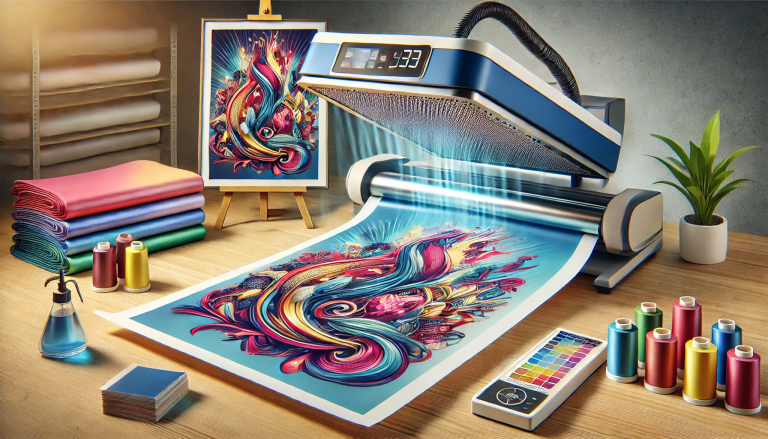
Before delving into the longevity of DTF warm peel, it’s essential to understand what the process entails. DTF warm peel is a specific method used during the transfer phase of the printing process. After the design is printed onto DTF film and coated with a layer of DTF powder (typically a heat-activated adhesive), the film is heated to activate the adhesive and prepare the design for transfer. The “warm peel” technique involves carefully peeling the film away from the printed design while it is still warm, ensuring a smooth and efficient transfer to the substrate.
The warm peel method is favored for its ability to produce clean, sharp transfers with minimal residue, making it a popular choice for industries like custom apparel, promotional goods, and home decor.
Factors Affecting the Longevity of DTF Warm Peel Prints
The longevity of DTF warm peel prints depends on several key factors:
- Quality of DTF Film and Powder
The foundation of any successful DTF print is the quality of the materials used. High-quality DTF film and powder ensure strong adhesion and durability. Cheaper or lower-quality materials may result in prints that peel, crack, or fade over time. - Substrate Type
The type of substrate being printed on plays a significant role in determining how long the print will last. Textile substrates, such as cotton or polyester, typically offer excellent print durability, while rigid materials like plastics or metals may require specific formulations of DTF powder to ensure long-lasting adhesion. - Printing Technique
Proper application of the warm peel method is crucial. Overheating the film can damage the print, while insufficient heat may result in poor adhesion. Consistency and precision in the printing process are key to achieving long-lasting prints. - Post-Processing
After the print is transferred to the substrate, additional steps, such as curing or applying a protective layer, can enhance its durability. These post-processing techniques help protect the print from environmental factors like UV exposure, humidity, and abrasion. - Environmental Conditions
The longevity of DTF warm peel prints can be affected by external factors such as temperature, humidity, and exposure to sunlight. Prints on textiles, for example, may last longer when cared for properly, such as washing them inside out and avoiding high-temperature drying.
How Long Does DTF Warm Peel Typically Last?
The lifespan of DTF warm peel prints can vary widely depending on the factors mentioned above. However, with proper materials and technique, DTF warm peel prints can last for an extended period:
- Textile Prints: On high-quality textiles like 100% cotton or polyester, DTF warm peel prints can last anywhere from 1 to 5 years, or even longer, depending on usage and care. Properly cared-for garments can maintain their vibrancy and durability, making them suitable for long-term use.
- Rigid Materials: For substrates like plastics, metals, or wood, DTF warm peel prints can last 2 to 10 years, provided they are protected from harsh conditions like UV exposure and high humidity.
- Indoor vs. Outdoor Usage: Indoor applications generally have a longer lifespan due to reduced exposure to environmental stressors. Outdoor prints, on the other hand, may last 1 to 3 years, depending on the substrate and protective measures taken.
Maximizing the Longevity of DTF Warm Peel Prints
To ensure your DTF warm peel prints last as long as possible, consider the following best practices:
- Invest in High-Quality Materials: Choose reputable suppliers for DTF film, powder, and other materials to ensure optimal performance.
- Optimize the Printing Process: Follow manufacturer guidelines for heat settings, pressure, and transfer time to achieve the best results.
- Post-Processing: Apply protective coatings or treatments to enhance durability and resistance to environmental factors.
- Care for the Final Product: For textile prints, follow care instructions to avoid damage from washing or drying. For rigid materials, ensure they are stored or displayed in a protected environment.
Conclusion
The longevity of DTF warm peel prints is influenced by a combination of material quality, substrate type, printing technique, and environmental factors. With the right approach, DTF warm peel prints can deliver impressive durability, lasting anywhere from 1 to 10 years, depending on the application. By investing in high-quality materials, adhering to best practices, and caring for the final product, businesses and individuals can maximize the lifespan of their DTF warm peel prints, ensuring they remain vibrant and durable for years to come.
Whether you’re printing custom apparel, promotional goods, or home decor, understanding how long DTF warm peel lasts and how to optimize its performance will help you achieve the best possible results in your printing endeavors.