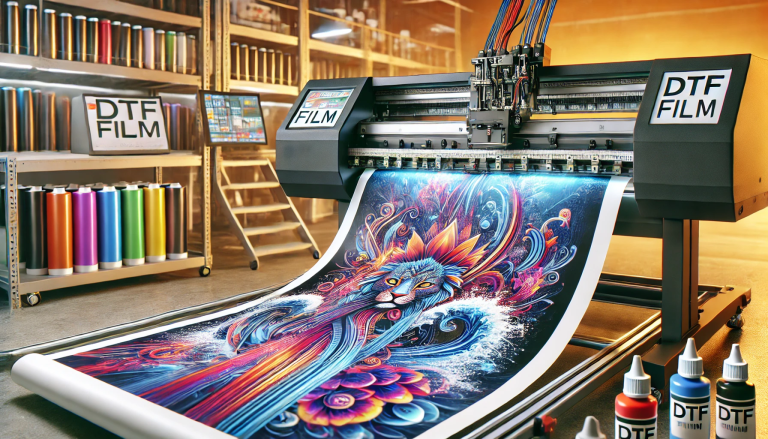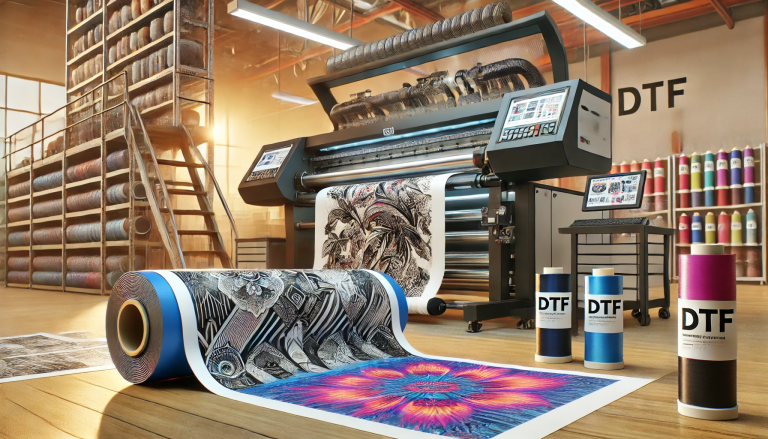
In the dynamic world of fabric printing, matte finishes have emerged as a sought-after aesthetic, valued for their understated elegance and tactile appeal. Enter DTF Transfer Film Matte—a game-changing innovation that merges the versatility of Direct-to-Film (DTF) technology with the sophisticated, non-glossy look of matte prints. Unlike traditional glossy DTF films that reflect light and create a shiny surface, matte DTF transfer film delivers a smooth, muted finish that elevates brand identities, custom apparel, and artistic designs. This article explores how matte DTF transfer film is redefining fabric printing standards, its core benefits, application workflows, and why it has become a staple for printers and designers worldwide.
What Is DTF Transfer Film Matte? Breaking Down the Basics
DTF Transfer Film Matte is a specialized DTF film engineered with a low-gloss, porous top layer that absorbs light rather than reflecting it, resulting in a matte finish post-transfer. Its structure retains the key components of standard DTF film—including a heat-resistant base layer and a reliable release coating—but incorporates a modified ink-receptive surface that diffuses light, eliminating the glossy sheen common in conventional DTF prints.
This film is compatible with all standard DTF printers, water-based inks, and hot-melt powders, making it a seamless upgrade for existing DTF workflows. Available in various sizes (from A4 to large-format rolls), it caters to both small-batch customization (e.g., boutique t-shirts) and high-volume production (e.g., corporate apparel lines), with thickness options (120–160 microns) tailored to different fabric weights and stretch levels.
The Unique Advantages of DTF Transfer Film Matte for Fabric
DTF Transfer Film Matte stands out from traditional printing solutions not only for its aesthetic appeal but also for its functional benefits that address the pain points of fabric printers and end-users alike. Here are its most impactful advantages:
1. Aesthetic Excellence: Understated Elegance for Brand Consistency
Glossy prints can feel overly flashy for brands aiming for a premium, minimalist look—think luxury loungewear, corporate uniforms, or high-end streetwear. DTF Transfer Film Matte resolves this by delivering a subtle, professional finish that enhances logo clarity and color depth without glare. For example, a luxury sportswear brand using matte DTF film for its logo achieves a refined look that aligns with its upscale positioning, while a café’s custom aprons benefit from the matte finish’s ability to hide minor stains and wear better than glossy alternatives.
2. Superior Tactile Feel: Softness That Complements Fabric
One of the biggest complaints about conventional DTF prints is their sometimes rigid, plastic-like texture. DTF Transfer Film Matte addresses this with a thinner, more flexible structure that integrates seamlessly with fabric. The matte top layer’s porous design allows the film to conform to the fabric’s natural drape, resulting in a print that feels soft to the touch—critical for apparel like t-shirts, hoodies, and baby clothing. Unlike heat transfer vinyl (HTV), which can create a stiff edge, matte DTF film transfers blend with the fabric, maintaining comfort even after repeated washes.
3. Enhanced Color Contrast and Detail
Matte finishes reduce light reflection, which intensifies color saturation and sharpens fine details. DTF Transfer Film Matte preserves the vibrancy of DTF inks while minimizing glare that can wash out designs on bright fabrics. This makes it ideal for intricate patterns, small text, or photorealistic images—for instance, a custom band t-shirt with a detailed album cover print will retain every line and hue, thanks to the matte film’s ability to focus attention on the design rather than the finish.
4. Durability and Wash Resistance
Despite its soft texture, DTF Transfer Film Matte is highly durable. When paired with high-quality hot-melt powder and cured correctly, it forms a strong bond with fabric that resists cracking, peeling, and fading. Tests show that matte DTF prints withstand 50+ wash cycles at 40°C (104°F) without losing their finish or color—a performance level that meets the demands of commercial apparel and workwear. The matte surface also resists abrasion better than glossy film, making it suitable for high-wear items like backpacks and athletic leggings.
5. Versatility Across Fabric Types
DTF Transfer Film Matte works with nearly all fabric substrates, from cotton and polyester blends to stretchy spandex and heavy denim. Its flexibility makes it ideal for form-fitting apparel (e.g., yoga pants), where the print must move with the fabric without cracking. For natural fibers like cotton, the matte finish complements the fabric’s texture, while on synthetic polyester, it eliminates the plastic-like sheen that often accompanies glossy prints.
How to Use DTF Transfer Film Matte: A Step-by-Step Workflow
Integrating DTF Transfer Film Matte into your existing DTF workflow requires minimal adjustments—follow these steps to achieve optimal results:
1. Design Preparation
Optimize your design in graphic software (e.g., Adobe Illustrator) with a resolution of 300 DPI. For dark fabrics, include a white ink underbase to ensure color opacity—matte film enhances the white ink’s brightness without reflecting light. Avoid overly bright, neon colors if aiming for a muted aesthetic; earth tones, pastels, and deep hues work best with the matte finish.
2. Printer and Film Setup
Load DTF Transfer Film Matte into your DTF printer, ensuring the ink-receptive (matte) side faces up. Adjust printer settings to medium ink density—over-saturating the film can reduce the matte effect. Use water-based DTF inks for the best color adhesion and finish; solvent-based inks may create a slight sheen, diminishing the matte look.
3. Hot-Melt Powder Application
Immediately after printing, apply a thin, even layer of low-temperature hot-melt powder (ideal for fabric) using an automated shaker. The powder adheres to the wet ink—shake off excess to avoid clumping, which can disrupt the matte finish. For stretchy fabrics, use a flexible hot-melt powder to maintain the print’s elasticity.
4. Curing
Cure the film in a DTF oven at 110°C–130°C (230°F–266°F) for 2–3 minutes. Ensure even heat distribution to prevent the matte layer from melting or developing glossy spots. Allow the film to cool to room temperature before transfer—this stabilizes the matte finish and ensures proper adhesion.
5. Heat Transfer to Fabric
Preheat your heat press to 150°C–170°C (302°F–338°F) and set pressure to 35–45 psi. Place the cured matte film (design side down) on the fabric, ensuring alignment. Press for 15–25 seconds—adjust time based on fabric thickness (thicker denim requires longer pressing). Allow the fabric to cool for 10 seconds, then peel the film away at a 45-degree angle to reveal the matte print.
Key Applications: Where DTF Transfer Film Matte Excels
The versatility and aesthetic appeal of DTF Transfer Film Matte make it suitable for a wide range of fabric printing applications. Here are the most impactful use cases:
1. Apparel and Fashion
From boutique t-shirts and premium hoodies to corporate uniforms and athletic wear, matte DTF film elevates every garment. Streetwear brands use it for bold, minimalist graphics, while luxury brands rely on it for subtle logo placements. Its soft texture makes it a favorite for baby clothing and loungewear, where comfort is paramount.
2. Promotional Products
Matte DTF prints stand out on promotional items like tote bags, caps, and aprons. Businesses benefit from the professional look—for example, a tech startup’s branded tote bags with matte logos feel more high-end than glossy alternatives, leaving a lasting impression on clients. The finish also holds up well on frequently used items like gym bags and pencil cases.
3. Workwear and Industrial Apparel
For workwear (e.g., construction jackets, restaurant uniforms), DTF Transfer Film Matte offers durability and visibility without glare. Safety logos and employee names printed on matte film are easy to read in bright or low-light conditions, and the finish resists dirt and stains better than glossy prints.
4. Artistic and Custom Creations
Artists and crafters use matte DTF film to create one-of-a-kind pieces, such as custom tapestries, pillowcases, and denim jackets. The matte finish complements hand-drawn designs and watercolor-style graphics, giving them a tactile, gallery-worthy look. Many Etsy sellers leverage matte DTF film to differentiate their products in a crowded market.
Choosing the Right DTF Transfer Film Matte: Key Considerations
To get the most out of DTF Transfer Film Matte, keep these factors in mind when making a purchase:
1. Film Quality
Opt for film from reputable brands (e.g., DTF Zone, Mimaki) that offer consistent thickness and a uniform matte layer. Avoid low-quality film, which may have glossy spots or uneven texture that ruins the final print.
2. Compatibility
Ensure the film is compatible with your DTF printer model and ink type. Most matte films work with Epson, Roland, and Mimaki DTF printers, but check the manufacturer’s specifications to avoid issues.
3. Fabric Type
Choose film thickness based on your fabric: 120–130 microns for lightweight fabrics (cotton t-shirts), 140–160 microns for heavy or stretchy fabrics (denim, spandex).
4. Sample Testing
Always test a small piece of matte film with your design and fabric before bulk production. This ensures the finish meets your aesthetic expectations and the print adheres properly.
Conclusion: The Future of Fabric Printing Is Matte
DTF Transfer Film Matte has revolutionized fabric printing by combining the versatility of DTF technology with the timeless appeal of a matte finish. Its ability to deliver soft, durable, and visually striking prints across all fabric types has made it a favorite among designers, brands, and printers seeking to stand out in a competitive market.
As consumer demand for premium, understated apparel grows, matte DTF film will continue to gain traction—offering a solution that balances aesthetics, comfort, and durability. Whether you’re a small business creating custom merchandise or a large manufacturer producing corporate apparel, DTF Transfer Film Matte provides the tools to elevate your prints and meet the evolving needs of the fabric printing industry.