“DTF Film vs. Clear Film: Understanding the Nuances in Modern Printing” -MAXDTF- UV Magic Paper Wholesale, China Direct to Transfer UV DTF Decal, Made in China
In the ever-evolving world of modern printing, technological advancements have brought forth a plethora of options for businesses and artists alike. Among the many innovations, DTF (Direct to Film) printing and clear film printing have emerged as two distinct methods, each with its own unique advantages and applications. Understanding the nuances between these two technologies is crucial for anyone looking to make informed decisions about their printing needs. This article delves into the differences, strengths, and limitations of DTF film and clear film printing, helping you navigate the complexities of modern printing.
What is DTF Film Printing?
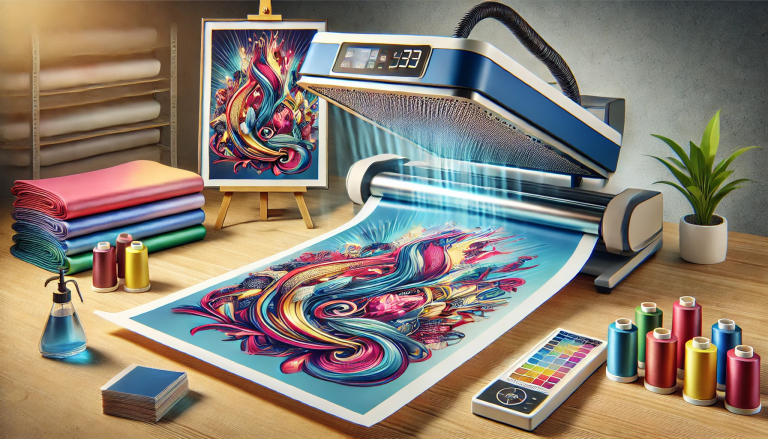
DTF printing, short for Direct to Film printing, is a versatile and contemporary printing technique that has gained popularity in recent years. This method involves printing designs directly onto a PET (polyethylene terephthalate) film using specialized thermal transfer printers. The printed film is then transferred onto various substrates, such as textiles, using a heat press.
Advantages of DTF Printing
- Versatility: DTF printing supports a wide range of materials, including cotton, polyester, and blends, making it suitable for diverse applications such as apparel, home decor, and promotional items.
- High-Quality Output: The method offers vibrant colors and sharp details, thanks to the use of high-resolution printers and specialized inks.
- Cost-Effectiveness: Compared to traditional screen printing, DTF printing is often more cost-effective for small to medium-sized print runs, as it eliminates the need for expensive screens and setup processes.
- Ease of Use: The technology is relatively user-friendly, with many printers offering intuitive interfaces and automated processes that simplify the printing and transfer workflow.
Limitations of DTF Printing
- Initial Investment: While cost-effective in the long run, the upfront investment in DTF printers and consumables can be substantial, especially for small businesses or startups.
- Ink Adhesion: Achieving consistent adhesion on certain fabrics, particularly those with high polyester content, can be challenging. Pre-treatment solutions are often required to improve ink bonding.
What is Clear Film Printing?
Clear film printing, on the other hand, is a method that involves printing designs onto a transparent or semi-transparent film. This technique is commonly used in applications where a glossy or transparent finish is desired, such as packaging, labels, and decorative overlays.
Advantages of Clear Film Printing
- Aesthetic Appeal: The use of clear film allows for a sleek, modern look that can enhance the visual appeal of products, particularly those in the beauty, electronics, and beverage industries.
- Durability: Clear films are often made from high-quality materials that offer excellent resistance to scratches, chemicals, and environmental factors, ensuring long-lasting prints.
- Customization: The transparency of the film allows for versatile design options, including the ability to overlay printed designs onto existing surfaces or graphics.
Limitations of Clear Film Printing
- Limited Substrates: Clear film printing is not as versatile as DTF printing when it comes to substrates. It is primarily suited for smooth, rigid surfaces and is less effective on textiles or flexible materials.
- Complexity: The process of printing on clear film can be more complex, requiring precise calibration and alignment to achieve the desired results without visible imperfections.
- Cost: High-quality clear film materials can be expensive, and the printing process may require specialized equipment, driving up overall costs.
Choosing the Right Option for Your Needs
The choice between DTF film and clear film printing ultimately depends on your specific requirements and intended application. If you’re looking to print vibrant, high-quality designs on textiles or flexible surfaces, DTF film printing is likely the better option. On the other hand, if you need a sleek, transparent finish for packaging or decorative purposes, clear film printing is the way to go.
It’s also worth considering the scale of your operations and your budget. DTF printing is ideal for businesses seeking a cost-effective, versatile solution for smaller print runs, while clear film printing is better suited for high-end applications that prioritize aesthetics and durability.
Conclusion
In the dynamic landscape of modern printing, DTF film and clear film printing represent two distinct avenues, each with its own set of strengths and limitations. By understanding the nuances of these technologies, you can make informed decisions that align with your business goals and creative vision. Whether you opt for the versatility of DTF printing or the elegant transparency of clear film printing, both methods offer compelling solutions that can elevate your products and stand out in today’s competitive market.