“Bring Your Memories to Life with DTF Film Transfer!” -MAXDTF- DTF Film 13×19 Factory, DTF Digital Transfer Sheet Supplier, Made in China
In the ever-evolving landscape of printing technology, Direct to Film (DTF) film transfer has emerged as a transformative force, redefining how designs are applied to a vast array of substrates. From fashion apparel to promotional merchandise, this innovative method bridges the gaps between traditional printing techniques—offering unparalleled versatility, cost-effectiveness, and quality. Unlike direct-to-garment (DTG) printing or heat transfer vinyl (HTV), DTF film transfer leverages a specialized film as an intermediary, enabling seamless adhesion to materials that once posed significant challenges. This article explores the core concepts of DTF film transfer, its operational workflow, key advantages, practical applications, and its role in shaping the future of printing.
What Is DTF Film Transfer? A Fundamental Overview
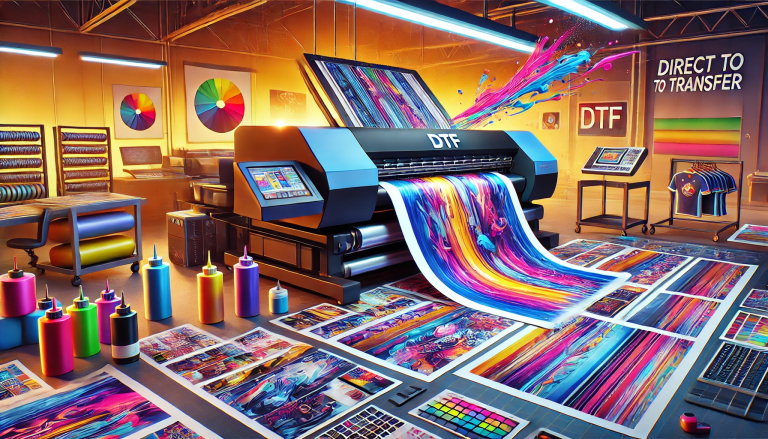
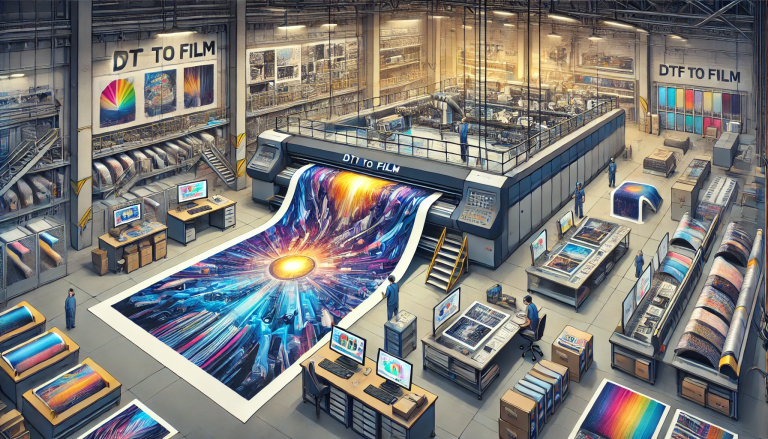
DTF film transfer, at its core, is a digital printing process that involves printing a design directly onto a heat-resistant, release-coated film using water-based, pigmented inks. After printing, a layer of hot-melt adhesive powder is applied to the inked areas, and the film is cured to bond the ink and powder. The final step involves using heat and pressure to transfer the design from the film onto a target substrate, such as fabric, leather, or wood. The film acts as a temporary carrier, ensuring precise placement of the design and facilitating strong adhesion to the substrate.
A key distinction between DTF film transfer and other methods lies in its reliance on the film as a bridge. Unlike DTG, which prints directly onto fabric and struggles with synthetic materials, or screen printing, which requires custom stencils for each color, DTF film transfer offers a flexible, stencil-free approach. This makes it accessible to small businesses, independent designers, and large-scale manufacturers alike, adapting to both small-batch customization and mass production.
The Science Behind DTF Film Transfer: A Step-by-Step Workflow
DTF film transfer may seem complex, but its workflow is streamlined and repeatable, with each step critical to achieving high-quality, durable results. Below is a detailed breakdown of the process:
1. Design Preparation and Film Selection
The process begins with designing or optimizing artwork using graphic design software (e.g., Adobe Illustrator, CorelDRAW). The design is adjusted for size, color accuracy, and resolution (typically 300 DPI) to ensure crisp reproduction. Next, the appropriate DTF film is selected—options vary by thickness, heat resistance, and release properties, with specialized films available for delicate substrates like silk or heat-sensitive materials like nylon.
2. Digital Printing on DTF Film
The optimized design is sent to a DTF printer, which uses specialized water-based inks to print directly onto the film. These inks are formulated to bond with both the film and the subsequent adhesive powder, delivering vibrant, opaque colors even on dark substrates. Most DTF printers use a 6-color system (CMYK + white), with white ink enabling full-color designs on black or navy fabrics without the need for a separate underbase.
3. Hot-Melt Powder Application
Immediately after printing, the wet ink on the film is passed through a powder shaker or automated applicator. The shaker distributes a fine layer of hot-melt adhesive powder over the entire film, but the powder adheres only to the tacky, wet ink—ensuring minimal waste and precise coverage. The type of powder (low-temperature, high-temperature, or stretchable) is chosen based on the substrate’s properties; for example, stretchable powder is used for spandex or athletic wear to prevent cracking during movement.
4. Curing: Bonding Ink and Powder
The film then moves through a curing oven at a controlled temperature (usually 100°C–130°C) for 1–3 minutes. During curing, two critical reactions occur: the water-based ink dries completely, and the hot-melt powder melts slightly, forming a cohesive layer that fuses with the ink. This creates a durable, flexible design on the film, ready for transfer.
5. Heat Transfer to the Substrate
The cured film is placed face-down on the target substrate, and a heat press applies a combination of temperature (150°C–180°C), pressure (30–50 psi), and time (10–30 seconds). The heat reactivates the hot-melt adhesive, causing it to bond firmly with the substrate. After cooling for 10–15 seconds, the film is peeled away—either hot or cold, depending on the film type—leaving the design permanently transferred.
Why DTF Film Transfer Stands Out: Key Advantages
DTF film transfer has gained widespread adoption due to its unique benefits, which address the limitations of traditional printing methods. Here are its most notable advantages:
1. Unmatched Substrate Versatility
Unlike DTG, which works best on 100% cotton, or HTV, which can be rigid on soft fabrics, DTF film transfer works with nearly any material. This includes cotton, polyester, spandex, denim, leather, canvas, wood, metal, plastic, and even glass. It also performs exceptionally well on dark-colored substrates, as the opaque inks and powder layer eliminate the need for a pre-printed white base.
2. Cost-Effectiveness for All Order Sizes
Screen printing requires expensive stencils and setup fees, making it impractical for small orders (fewer than 50 pieces). DTF film transfer, by contrast, has no setup costs—designs are printed directly from digital files, enabling on-demand production. This makes it ideal for custom orders, limited-edition merchandise, and small businesses that can’t afford large minimum order quantities. For large orders, the process remains cost-effective due to fast production speeds and minimal material waste.
3. Superior Color Vibrancy and Detail
DTF inks are engineered for rich, saturated colors and excellent color accuracy. The technology supports full-color printing, including gradients, photorealistic images, and intricate details (such as small text or fine patterns) that often blur in screen printing. The hot-melt powder also enhances color depth, creating a visually striking finish that resists fading over time.
4. Durability and Wash Resistance
When executed correctly, DTF film transfers are highly durable. The hot-melt adhesive forms a strong bond with the substrate, ensuring the design resists cracking, peeling, or fading—even after 50+ washes for textiles. This durability makes DTF film transfer suitable for high-wear items like workwear, children’s clothing, and outdoor gear.
5. Ease of Operation and Low Entry Barrier
DTF film transfer systems are relatively easy to set up and operate, even for those with limited printing experience. Entry-level DTF printers are compact and affordable, and the workflow requires minimal training compared to complex DTG or screen printing equipment. This accessibility has empowered independent designers and hobbyists to turn their creative ideas into tangible products.
Practical Applications: Where DTF Film Transfer Excels
The versatility and quality of DTF film transfer make it suitable for a wide range of industries and products. Below are its most common and impactful applications:
1. Fashion and Apparel
The apparel industry is the largest adopter of DTF film transfer. It is used to create custom t-shirts, hoodies, jackets, leggings, and sportswear—offering designs that are soft to the touch and stretchable. Brands leverage DTF to produce limited-edition collections, event merchandise, and personalized items, catering to consumer demand for unique, on-trend clothing.
2. Promotional Products
DTF film transfer is ideal for promotional items like tote bags, backpacks, water bottles, keychains, and caps. Its ability to adhere to various materials allows businesses to print logos, slogans, or event themes on a wide range of giveaways, enhancing brand visibility. The fast production speed also enables quick turnaround for time-sensitive promotions.
3. Home Decor and Textiles
In home decor, DTF film transfer is used to customize pillows, curtains, blankets, tablecloths, and even wooden wall art. The technology supports large-format prints for statement pieces and can match any color scheme, making it popular among interior designers and DIY enthusiasts. For textiles, the soft finish ensures the designs don’t compromise the comfort of home goods.
4. Industrial and Functional Items
DTF film transfer is also used in industrial applications, such as printing safety labels on workwear, conductive patterns on flexible electronics, and decorative finishes on furniture. The durable bond and resistance to chemicals and temperature changes make it suitable for functional items that require both form and function.
Overcoming Challenges: Best Practices for DTF Film Transfer
While DTF film transfer offers numerous benefits, achieving optimal results requires attention to detail and adherence to best practices. Here are key considerations for success:
1. Choose High-Quality Materials
The quality of DTF film, inks, and powder directly impacts the final result. Use film with a consistent release coating to avoid design distortion during peeling, and opt for pigmented inks that offer good opacity and wash resistance. Match the powder to the substrate—for example, use low-temperature powder for heat-sensitive materials like polyester blends.
2. Calibrate Equipment Properly
Ensure the DTF printer is calibrated regularly to maintain color accuracy and ink deposition. For the heat press, adjust temperature, pressure, and time based on the substrate: thicker materials like denim require higher pressure, while delicate fabrics like silk need lower temperatures. Always test settings on a scrap substrate before printing the final product.
3. Store Materials Correctly
DTF film and powder are sensitive to moisture and temperature. Store film in a cool, dry place (15°C–25°C, 40%–60% humidity) to prevent curling or degradation. Keep powder sealed to avoid clumping, which can lead to uneven application.
The Future of DTF Film Transfer: Innovations on the Horizon
As demand for custom, on-demand printing grows, DTF film transfer is poised for further innovation. Manufacturers are developing faster printers with higher resolution, eco-friendly inks (such as water-based and biodegradable options), and specialized films for emerging substrates like 3D-printed objects. The integration of artificial intelligence (AI) is also on the horizon—AI-driven systems will enable automatic color correction, defect detection, and workflow optimization, reducing human error and increasing efficiency.
Additionally, the rise of sustainable printing practices is pushing the industry toward greener DTF solutions. This includes recyclable films, low-VOC inks, and energy-efficient curing ovens, making DTF film transfer a more environmentally responsible choice compared to traditional methods.
Conclusion: DTF Film Transfer as a Printing Revolution
DTF film transfer has transformed the printing industry by offering a perfect blend of versatility, quality, and affordability. Its ability to adhere to nearly any substrate, support small-batch customization, and deliver durable, vibrant designs has made it a favorite among businesses, designers, and hobbyists. As technology continues to advance, DTF film transfer will only become more accessible and capable, solidifying its position as a cornerstone of modern decorative printing.
Whether you’re a small business owner looking to offer custom merchandise, a designer bringing creative visions to life, or a manufacturer seeking efficient production solutions, DTF film transfer provides the tools to succeed in a market that demands speed, flexibility, and quality. It’s not just a printing method—it’s a revolution in how we create and decorate the world around us.