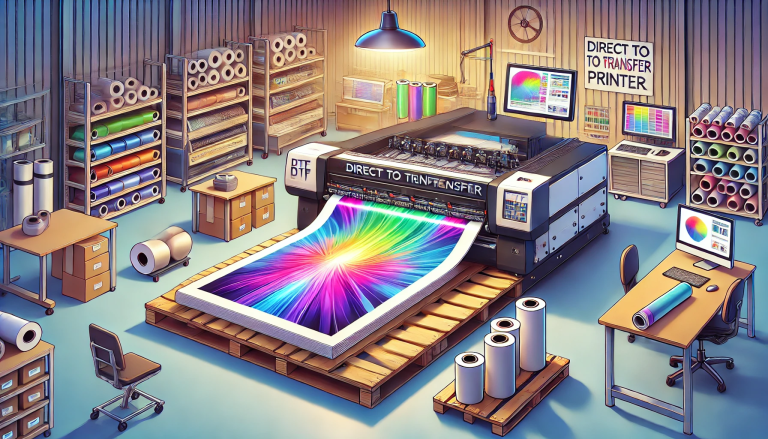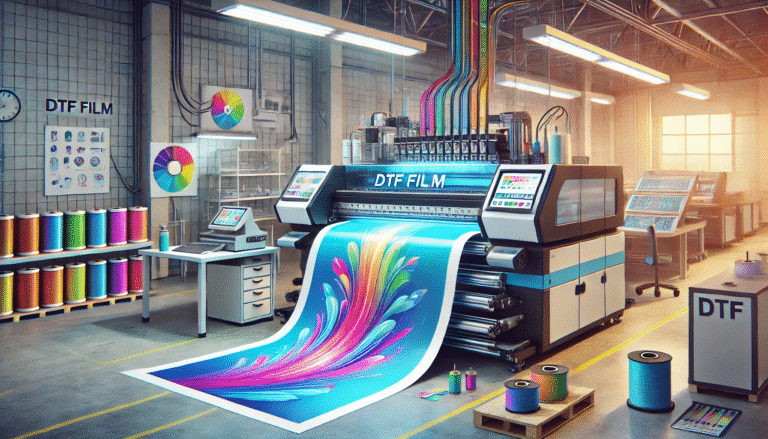
In the realm of digital printing, Direct-to-Film (DTF) technology has emerged as a transformative force, and the A3 format—measuring 297mm × 420mm—stands as a sweet spot that balances versatility, accessibility, and performance. DTF A3 systems have redefined what small businesses, independent designers, and even hobbyists can achieve, breaking free from the constraints of large-format industrial printers and the limitations of smaller A4 setups. By combining the vibrant color reproduction and substrate flexibility of DTF with the practicality of the A3 size, this technology has unlocked new possibilities across apparel customization, home decor, and promotional merchandise. This article explores the unique attributes of DTF A3, its operational workflow, key advantages, real-world applications, and the ways it is reshaping the printing landscape.
What Is DTF A3? Defining the Technology and Its Niche
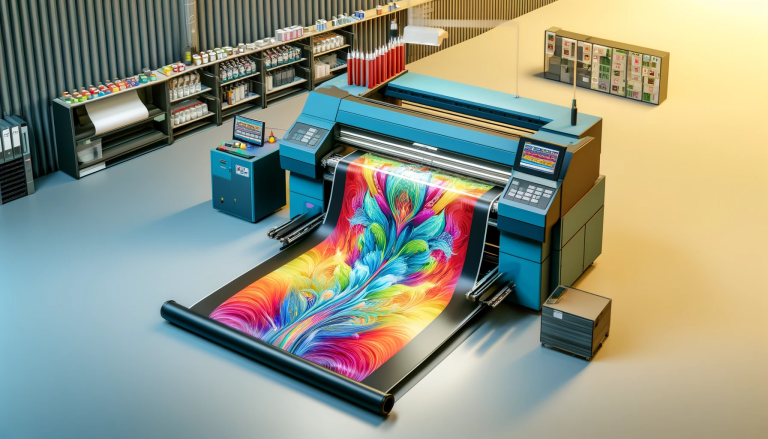
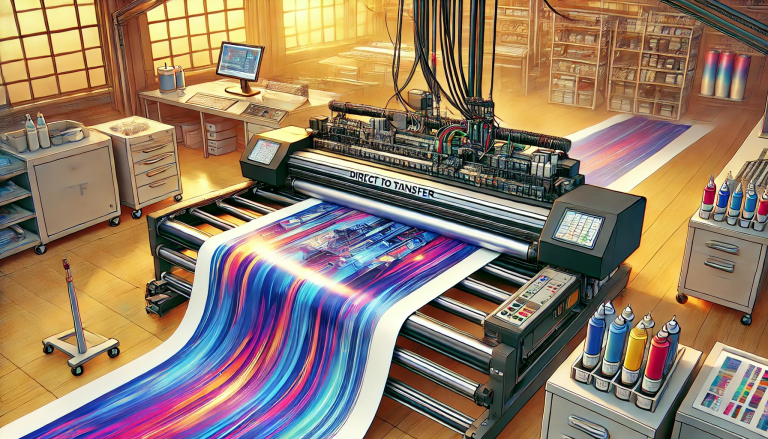
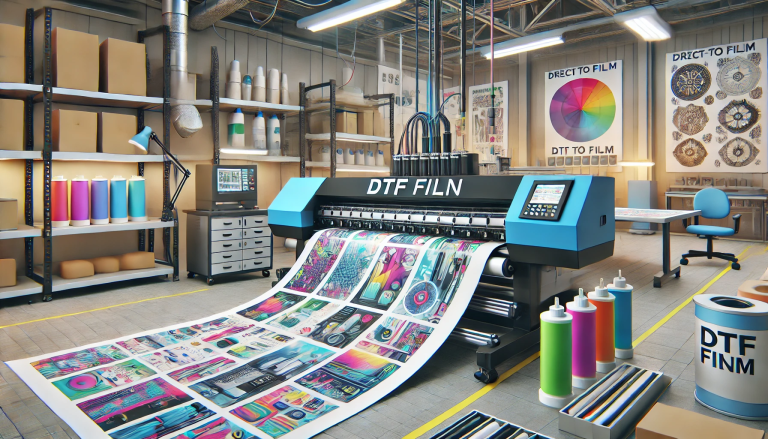
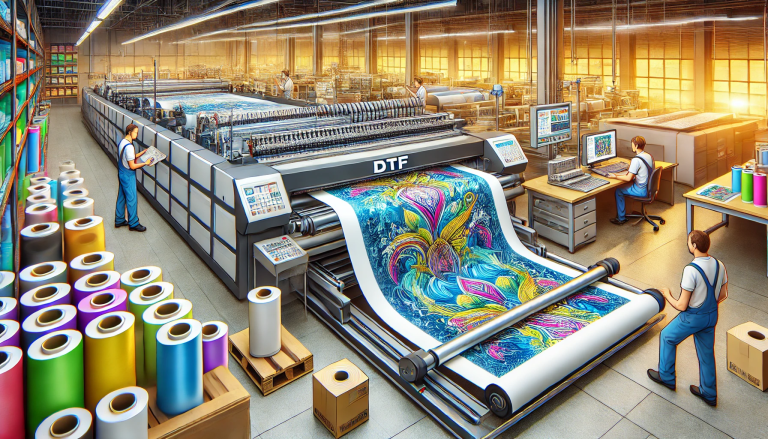
DTF A3 refers to Direct-to-Film printing systems specifically calibrated for A3-sized substrates, encompassing both the printers and the配套 (complementary) materials—such as A3 DTF film, inks, and hot-melt powders—designed to work within this format. At its core, DTF technology involves printing designs onto a heat-resistant film, applying a layer of adhesive powder, curing the assembly, and then transferring the design to a target material using heat and pressure. The A3 format expands on the capabilities of smaller A4 DTF setups by accommodating larger designs, while remaining compact enough to fit in home studios or small workshop spaces—filling a critical gap between entry-level and industrial printing solutions.
Unlike A4 DTF printers, which are limited to small items like phone cases or kids’ t-shirts, A3 systems can handle standard garment panels (e.g., adult t-shirt fronts/backs), tote bags, pillowcases, and medium-sized home decor pieces. This makes DTF A3 particularly appealing to small businesses that need to offer a diverse range of products without investing in expensive large-format equipment.
The Mechanics of DTF A3: How It Works
The operational workflow of DTF A3 is streamlined and user-friendly, making it accessible to both seasoned printers and newcomers. While the core process mirrors that of other DTF systems, the A3 format introduces subtle adjustments to optimize for larger designs and materials. Here’s a step-by-step breakdown:
1. Design Preparation for A3 Dimensions
The process begins with designing or optimizing artwork using graphic design software (e.g., Adobe Photoshop, CorelDRAW). Designs are scaled to fit within the A3 dimensions, with careful attention to resolution (minimum 300 DPI) to ensure crisp details. For dark substrates, a white ink layer is incorporated into the design to enhance color opacity—a feature supported by most A3 DTF printers, which typically use a 6-color ink system (CMYK + white).
2. Printing on A3 DTF Film
The optimized design is sent to an A3 DTF printer, which uses water-based, pigmented inks to print directly onto a roll or sheet of A3 DTF film. The printer’s precision ensures that colors are evenly distributed across the larger A3 surface, avoiding banding or uneven ink deposition. A3 DTF films are engineered with a release coating that facilitates easy peeling post-transfer, and their thickness is calibrated to support the larger design size without curling or tearing.
3. Hot-Melt Powder Application
Immediately after printing, the wet ink on the A3 film is passed through a powder shaker or automated applicator. The shaker distributes a fine layer of hot-melt adhesive powder over the entire film, but the powder adheres only to the tacky ink—ensuring minimal waste even for large A3 designs. For stretchy substrates like spandex, a flexible powder is used to prevent cracking, while high-temperature powder is chosen for materials like denim.
4. Curing the A3 Film
The powder-coated A3 film is then cured in an oven at 100°C–130°C for 1–3 minutes. During curing, the ink dries completely, and the powder melts slightly to form a cohesive layer that bonds tightly with the ink. The larger surface area of A3 film requires uniform heat distribution in the oven, which is achieved through forced-air circulation in most A3-compatible curing systems.
5. Heat Transfer to the Substrate
The cured A3 film is placed face-down on the target substrate, and a heat press—ideally one with an A3-sized platen—is used to apply heat (150°C–180°C), pressure (30–50 psi), and time (10–30 seconds). The heat reactivates the hot-melt adhesive, creating a strong bond between the design and the substrate. After cooling, the A3 film is peeled away, leaving the full-size design permanently transferred.
Why DTF A3 Stands Out: Key Advantages
DTF A3 has gained widespread adoption due to its unique combination of size, performance, and accessibility. Its key advantages address the specific needs of small businesses and designers, setting it apart from other printing technologies:
1. Perfect Size for Small-Batch Versatility
The A3 format strikes an ideal balance: it’s large enough to handle popular custom items (adult apparel, tote bags, throw pillows) but small enough to avoid the material waste associated with larger-format printers. This makes DTF A3 perfect for small-batch production—whether it’s 5 custom hoodies for a local sports team or 20 branded tote bags for a café. Unlike screen printing, which requires expensive stencils for each design, DTF A3 enables on-demand printing with no setup costs.
2. Superior Substrate Compatibility
DTF A3 works with nearly any material, from cotton and polyester to leather, canvas, and even wood. This versatility is amplified by the A3 size, which allows for full-coverage prints on larger items like jackets or bed linens. For example, a small home decor business can use DTF A3 to print custom designs on A3-sized canvas panels, while a fashion boutique can create full-front prints on adult t-shirts—something that would be impractical with A4 DTF systems.
3. Vibrant Colors and Fine Details Across Large Surfaces
A3 DTF printers are engineered to maintain color vibrancy and detail even across the larger format. The 6-color ink system delivers rich, saturated hues, and the high print resolution ensures that fine details—such as small text or intricate patterns—remain sharp. This is a significant advantage over heat transfer vinyl (HTV), which often struggles with detail on larger designs, and DTG printing, which can produce faded colors on dark substrates.
4. Cost-Effective and Space-Saving
Industrial DTF printers can cost tens of thousands of dollars and require large floor space, making them inaccessible to small businesses. DTF A3 systems, by contrast, are affordable (typically a fraction of the cost of industrial models) and compact enough to fit on a workbench or in a small studio. Additionally, the A3 format reduces material costs by avoiding overprinting—users only use the film and ink needed for their specific design.
5. Durable, Wash-Resistant Results
DTF A3 transfers are highly durable, withstanding 50+ washes for textiles without fading, cracking, or peeling. The hot-melt adhesive forms a deep bond with the substrate, ensuring that the design remains intact even with regular use. This durability makes DTF A3 suitable for high-wear items like workwear, children’s clothing, and outdoor gear—expanding the range of products businesses can offer.
Real-World Applications: Where DTF A3 Excels
The versatility of DTF A3 has made it a go-to solution for a wide range of industries and use cases. Below are some of its most impactful applications:
1. Apparel and Fashion Customization
The fashion industry is the largest adopter of DTF A3, with small boutiques and independent designers using it to create custom t-shirts, hoodies, jackets, and leggings. The A3 size allows for full-front or back prints, and the ability to print on both cotton and polyester blends makes it ideal for streetwear, sportswear, and sustainable fashion lines. For example, a startup in Berlin uses DTF A3 to produce limited-edition sweatshirts with bold, full-size graphics, competing with larger brands on both quality and uniqueness.
2. Home Decor and Textiles
DTF A3 is revolutionizing home decor by enabling custom prints on items like pillowcases, curtains, tablecloths, and canvas wall art. Interior designers use the technology to create personalized pieces for clients, while DIY enthusiasts leverage it to update their homes on a budget. A small business in Toronto, for instance, uses DTF A3 to print seasonal designs on A3-sized pillowcases, which sell out during holiday seasons due to their vibrant colors and unique patterns.
3. Promotional Products and Branding
Small businesses and event organizers rely on DTF A3 to create branded merchandise like tote bags, caps, and water bottle sleeves. The A3 size allows for large, visible logos and slogans, making the products effective marketing tools. A local coffee shop in Melbourne, for example, used DTF A3 to print custom tote bags with their logo and a catchy phrase—boosting brand visibility and encouraging customers to reduce plastic use.
4. Craft and Hobby Projects
Hobbyists and crafters have embraced DTF A3 for its accessibility and versatility. From customizing vintage furniture with printed decals to creating one-of-a-kind gifts like personalized blankets, the technology allows creative individuals to bring their ideas to life. Many crafters sell their DTF A3 creations on platforms like Etsy, leveraging the technology’s quality to stand out in a crowded market.
Overcoming Challenges: Tips for Success with DTF A3
While DTF A3 is user-friendly, there are key considerations to ensure optimal results. Below are common challenges and practical solutions:
Challenge 1: Uneven Powder Application on Large A3 Designs
Solution: Use an automated powder shaker designed for A3 films, which ensures even coverage across the larger surface. Avoid manual powder application, as it can lead to clumps or gaps. Additionally, ensure the A3 film is flat during powder application to prevent powder from shifting.
Challenge 2: Heat Press Platen Size Limitations
Solution: Invest in a heat press with an A3-sized platen to ensure full contact between the press and the A3 film. If using a smaller press, use a “segmented” pressing method—press one half of the A3 design, then the other—ensuring consistent pressure and temperature for each segment.
Challenge 3: Film Curling for Large A3 Sheets
Solution: Store A3 DTF film in a cool, dry place to prevent curling. Before printing, flatten the film by placing it under a heavy object (like a book) for 30 minutes. Additionally, choose high-quality A3 film with a rigid base layer to minimize curling.
The Future of DTF A3: Innovations on the Horizon
As demand for custom, on-demand printing grows, DTF A3 technology is poised for further innovation. Manufacturers are developing faster A3 DTF printers with higher print speeds (up to 15 pages per minute) and improved ink efficiency. Additionally, eco-friendly advancements—such as water-based inks with lower VOC emissions and recyclable A3 DTF film—are making the technology more sustainable, appealing to environmentally conscious businesses and consumers.
The integration of AI is another emerging trend: AI-driven software can automatically optimize designs for A3 dimensions, adjust ink density based on the substrate, and even detect defects in the printed film—reducing human error and increasing efficiency. These innovations will make DTF A3 even more accessible and capable, solidifying its position as a cornerstone of small-scale printing.
Conclusion: DTF A3 as a Catalyst for Creativity and Business Growth
DTF A3 has transformed the printing landscape by putting professional-grade customization within reach of small businesses, designers, and hobbyists. Its unique combination of A3 size, substrate versatility, vibrant colors, and cost-effectiveness has unlocked new opportunities across industries, from fashion to home decor.
Whether you’re a small business owner looking to expand your product line, a designer seeking to monetize your creativity, or a hobbyist wanting to bring your ideas to life, DTF A3 offers the tools to succeed. As technology continues to advance, DTF A3 will remain at the forefront of the customization revolution, empowering individuals and businesses to create high-quality, unique products that stand out in a crowded market.