“Direct-to-Film (DTF) Printing for Shirts: Revolutionizing Custom Apparel” -MAXDTF- China Transfer DTF UV Decal, UV DTF transfer Paper Factory, Made in China
The custom apparel industry has long been driven by consumers’ desire for self-expression and uniqueness, with custom shirts standing out as one of the most popular categories. From personal wardrobes to team uniforms, event merchandise, and brand promotional wear, the demand for high-quality, customizable shirts continues to soar. In response to this demand, printing technologies for apparel have undergone constant innovation, and Direct-to-Film (DTF) printing has emerged as a game-changer. Unlike traditional methods such as screen printing or heat transfer vinyl (HTV), DTF printing for shirts offers unparalleled flexibility, quality, and efficiency, revolutionizing the way custom apparel is designed and produced.
The Basics of DTF Printing for Shirts: How It Works
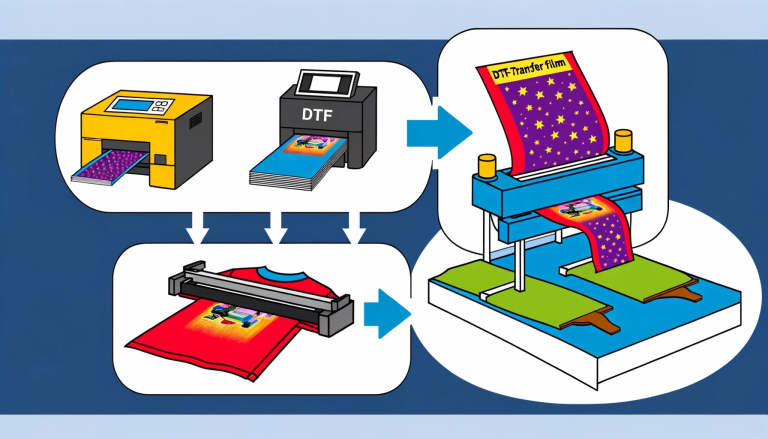
To understand why DTF printing is transforming the custom shirt industry, it is first essential to grasp its core workflow. DTF printing for shirts involves a three-step process that is both straightforward and efficient. First, the desired design is printed onto a special DTF film using water-based, eco-friendly inks. Unlike solvent-based inks, these inks are safe for apparel and produce vibrant, true-to-life colors. Second, a layer of hot-melt adhesive is applied to the printed film, which is crucial for ensuring the design bonds securely to the shirt fabric. Finally, the printed film is transferred onto the shirt using a heat press, which applies controlled temperature and pressure to activate the adhesive. This process fuses the design with the fabric, resulting in a soft, durable print that moves with the shirt rather than feeling stiff or bulky. What sets DTF apart from other methods is its compatibility with a wide range of shirt fabrics—from cotton and polyester to blends—without the need for pre-treatment, making it a versatile solution for all types of custom shirts.
Key Advantages: Why DTF Outperforms Traditional Shirt Printing Methods
DTF printing offers a host of advantages that make it superior to traditional shirt printing techniques, addressing the long-standing pain points of both printers and consumers. One of the most significant benefits is its exceptional design versatility. Unlike screen printing, which struggles with intricate details, gradients, and small-batch runs, DTF printing can reproduce even the most complex designs—including high-resolution photos, fine lines, and multi-color gradients—with precision. This makes it ideal for custom shirts with unique, personalized designs, such as family photos, artistic illustrations, or intricate logos. Another major advantage is its fabric compatibility. While DTG (Direct-to-Garment) printing is limited to 100% cotton, DTF works seamlessly with cotton, polyester, blends, and even synthetic fabrics, expanding the range of shirts that can be customized. Additionally, DTF prints are incredibly durable. They resist fading, cracking, and peeling even after multiple washes, outperforming HTV prints which can degrade over time. Finally, DTF printing is cost-effective for small to medium batches. Unlike screen printing, which requires expensive stencils for each color, DTF printing has minimal setup costs, making it affordable for single units or small orders—a critical factor for small businesses, independent designers, and individuals seeking custom shirts.
Transforming the Custom Shirt Market: Applications and Use Cases
DTF printing is reshaping the custom shirt market by enabling new applications and expanding the reach of custom apparel. One of the most prominent use cases is personal customization. Individuals can now easily create one-of-a-kind shirts with personal photos, quotes, or designs for special occasions such as birthdays, weddings, or family reunions. This level of personalization was previously cost-prohibitive with traditional methods, but DTF printing has made it accessible to everyone. Another key application is small business and independent design. Small apparel brands and independent designers can now produce small batches of custom shirts without the high upfront costs of screen printing, allowing them to test new designs, cater to niche markets, and build their brands without significant financial risk. DTF printing also excels in event merchandise, with organizers able to create custom shirts for concerts, festivals, marathons, and corporate events quickly and efficiently. Even team uniforms—from local sports teams to school clubs—benefit from DTF printing, as it allows for full-color logos and designs on a variety of fabric types, ensuring teams look professional without breaking the bank. Additionally, DTF printing is being used for promotional shirts, with businesses able to create high-quality branded apparel for employees, customers, or marketing campaigns in small to medium quantities.
Best Practices for DTF Printing on Shirts: Ensuring Optimal Results
To maximize the benefits of DTF printing for shirts, following best practices is essential to achieve consistent, high-quality results. First, selecting the right DTF film and inks is crucial. High-quality DTF films with a smooth coating ensure optimal ink adhesion and transfer, while premium inks produce vibrant colors and long-lasting prints. It is also important to choose the appropriate hot-melt adhesive for the shirt fabric—different adhesives are designed for cotton, polyester, or blends, so matching the adhesive to the fabric ensures a strong bond. Second, optimizing the design for DTF printing is key. While DTF can handle complex designs, ensuring the design resolution is high (at least 300 DPI) will result in sharp, clear prints. Avoiding extremely small text or overly intricate details that may not transfer well is also recommended. Third, mastering the heat press parameters is critical. The temperature, pressure, and time settings vary depending on the fabric type—for example, cotton typically requires higher temperatures (around 160-180°C) and longer press times (10-15 seconds), while polyester requires lower temperatures to avoid shrinking. Finally, post-press care is important for both the printer and the end consumer. Allowing the printed shirt to cool completely before peeling the film ensures the adhesive sets properly, and advising customers to wash the shirt inside out in cold water helps maintain the print’s durability.
The Future of DTF Printing in Custom Shirts: Trends and Innovations
The future of DTF printing in the custom shirt industry looks bright, with ongoing innovations poised to enhance its capabilities even further. One key trend is the development of more eco-friendly DTF inks and films. As sustainability becomes a top priority for consumers and businesses, manufacturers are investing in water-based, biodegradable inks and recyclable films, making DTF printing an even more environmentally responsible choice. Another trend is the integration of automation and digital technology. Advanced DTF printers with built-in design software and automatic film cutting are making the printing process faster and more user-friendly, reducing the learning curve for new users. Additionally, improvements in print speed and efficiency are enabling printers to handle larger orders more quickly, bridging the gap between small-batch customization and mass production. We may also see the emergence of specialty DTF prints, such as 3D textured prints or glow-in-the-dark designs, expanding the creative possibilities for custom shirts. As these innovations continue, DTF printing is set to solidify its position as the preferred method for custom shirt production, driving further growth in the custom apparel industry.
In conclusion, Direct-to-Film (DTF) printing has revolutionized the custom shirt industry by offering unmatched versatility, quality, and affordability. By overcoming the limitations of traditional printing methods, DTF has made custom shirts more accessible to individuals, small businesses, and organizations alike, enabling endless possibilities for self-expression and brand building. As technology continues to advance, DTF printing will only become more efficient, sustainable, and creative, shaping the future of custom apparel. For anyone looking to create high-quality, personalized shirts, DTF printing is undoubtedly the game-changing solution that delivers on both performance and value.