“China UV Roll to Roll Transfer Factory: Advancing Printing Solutions” -MAXDTF- UV DTF AB Decal Wholesale, UV DTF transfer Paper Manufacturer, Made in China
In the global landscape of printing technology, China has emerged as a pivotal hub for innovation and manufacturing, particularly in the field of UV roll to roll transfer. As businesses worldwide seek efficient, high-quality, and versatile printing solutions, Chinese UV roll to roll transfer factories have risen to the occasion, blending advanced technology, scalable production, and competitive expertise. These facilities are not merely producers but pioneers, driving the evolution of transfer printing across industries such as packaging, advertising, textiles, and electronics. This article explores the core strengths of China’s UV roll to roll transfer factories, their technological advancements, applications of their solutions, and the value they bring to the global market.
Understanding UV Roll to Roll Transfer: The Technology Behind the Innovation
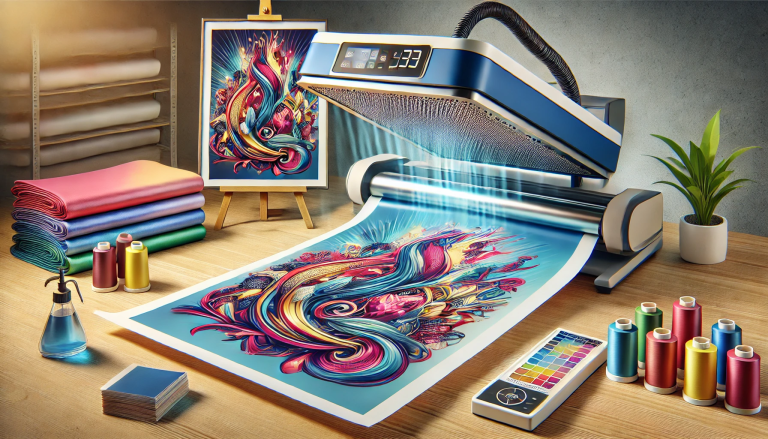
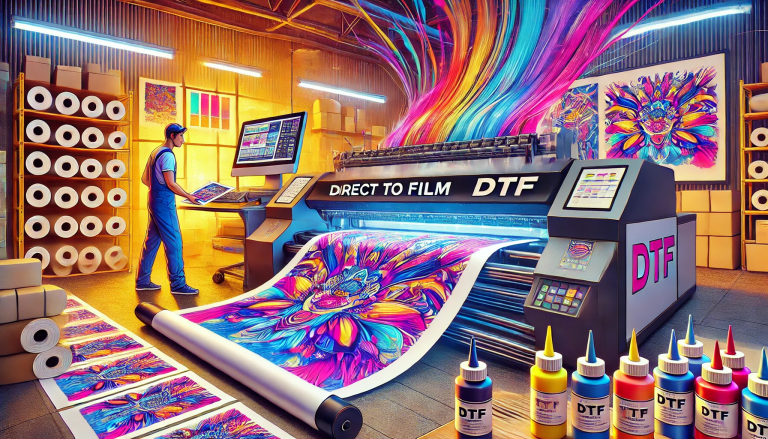
Before delving into the role of Chinese factories, it is essential to grasp the fundamentals of UV roll to roll transfer technology. Unlike traditional flatbed printing or batch processing, this method involves printing or transferring designs onto continuous rolls of substrate (such as film, paper, fabric, or vinyl) using UV-curable inks or adhesives. The “roll to roll” mechanism enables continuous, high-speed production, while UV curing—where ultraviolet light instantly dries and solidifies the inks—ensures exceptional durability, color vibrancy, and resistance to environmental factors like moisture and UV radiation.
The technology’s versatility lies in its ability to handle a wide range of substrate widths (from narrow rolls for labels to wide-format rolls for billboards) and thicknesses. It supports full-color printing, intricate patterns, and even textured finishes, making it suitable for both decorative and functional applications. Chinese factories have mastered this technology, further enhancing it to meet the diverse needs of global clients.
Core Strengths of China’s UV Roll to Roll Transfer Factories
China’s dominance in the global UV roll to roll transfer market stems from a unique combination of strengths that set its factories apart from competitors. These advantages span infrastructure, technology, cost-effectiveness, and customer-centricity.
1. Advanced Manufacturing Infrastructure
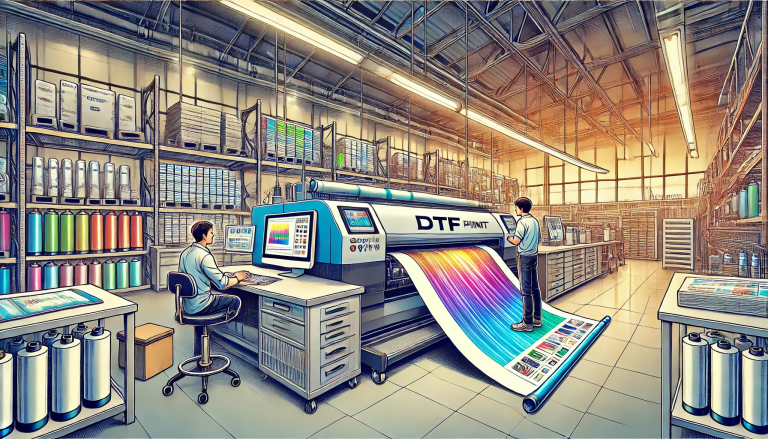
Chinese factories have invested heavily in state-of-the-art production facilities. Many operate fully automated production lines equipped with precision UV roll to roll printers, advanced curing systems, and quality control (QC) equipment such as high-resolution cameras and color-matching tools. This automation not only boosts production speed—with some factories achieving speeds of up to 100 meters per minute—but also ensures consistent quality across large batches. Additionally, the concentration of related industries (e.g., ink manufacturing, substrate production) in regions like Guangdong, Zhejiang, and Jiangsu creates a complete supply chain, reducing lead times and operational costs.
2. Technological Innovation and R&D Capabilities
Innovation is at the heart of China’s UV roll to roll transfer sector. Leading factories maintain dedicated R&D teams that collaborate with academic institutions and technology providers to develop cutting-edge solutions. Key innovations include low-energy UV curing systems (reducing carbon footprints), eco-friendly UV inks (free of volatile organic compounds, VOCs), and adaptive printing technologies that adjust to different substrate properties in real time. For example, some factories have developed hybrid UV roll to roll systems that combine transfer printing with digital printing, enabling on-demand customization without sacrificing speed.
3. Cost-Effectiveness Without Compromising Quality
China’s manufacturing ecosystem—characterized by economies of scale, efficient labor management, and access to affordable raw materials—allows UV roll to roll transfer factories to offer competitive pricing. Unlike factories in Western countries, Chinese facilities can handle both large-volume orders (e.g., millions of square meters of printed film for packaging) and small-batch, custom orders at a lower cost. Critically, this cost advantage does not come at the expense of quality: strict QC protocols, from raw material inspection to final product testing, ensure that outputs meet international standards (such as ISO 9001 and REACH for chemical safety).
4. Customer-Centric Customization
Global clients have diverse needs, and Chinese UV roll to roll transfer factories excel at tailoring solutions to specific requirements. Whether a client needs heat-resistant transfers for automotive interiors, water-resistant prints for outdoor advertising, or food-safe materials for packaging, factories can adjust ink formulations, substrate types, and transfer processes accordingly. Many facilities also offer one-stop services, including design optimization, prototype development, and logistics support, simplifying the supply chain for international customers.
Key Applications: Where UV Roll to Roll Transfer Shines
The solutions provided by China’s UV roll to roll transfer factories are integral to numerous industries, thanks to the technology’s versatility and durability. Below are the most prominent applications:
1. Packaging and Labeling
The packaging industry is one of the largest consumers of UV roll to roll transfer services. Factories produce high-quality printed films and labels for food, beverages, cosmetics, and pharmaceuticals. UV-cured inks ensure that the prints resist smudging, fading, and chemical exposure, while the roll to roll process enables the mass production of consistent, high-definition labels. Additionally, eco-friendly options (e.g., recyclable substrates and low-VOC inks) cater to the growing demand for sustainable packaging.
2. Advertising and Signage
Outdoor advertising requires prints that can withstand harsh weather conditions, and UV roll to roll transfer delivers on this front. Chinese factories produce large-format billboards, banners, and vehicle wraps using UV-curable inks that are fade-resistant and water-proof. The continuous roll production allows for seamless prints of any length, eliminating the need for拼接 (splicing) and enhancing the visual appeal of advertising materials.
3. Textiles and Apparel
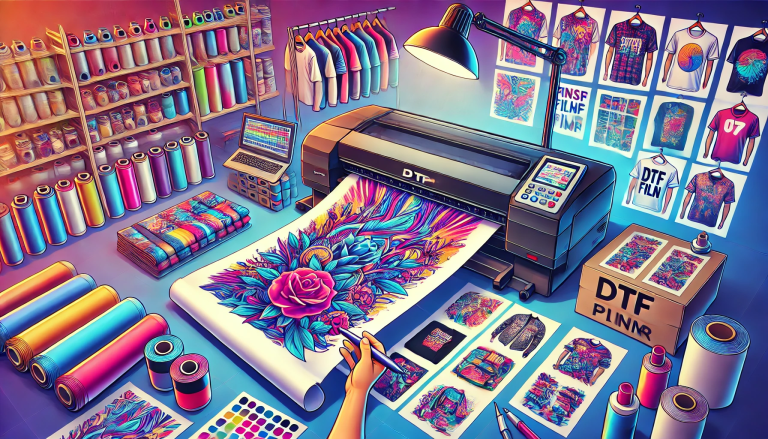
In the textile industry, UV roll to roll transfer is used to create intricate patterns on fabrics such as cotton, polyester, and spandex. Unlike traditional screen printing, this method supports full-color designs and fine details, making it ideal for fashion apparel, sportswear, and home textiles (e.g., curtains, bed linens). The UV curing process ensures that the prints are soft to the touch and resistant to washing, a key requirement for textile applications.
4. Electronics and Industrial Components
UV roll to roll transfer is also used in the production of electronic components, such as flexible circuit boards, touchscreen films, and sensor labels. The precision of the technology ensures that conductive inks or protective coatings are applied evenly, while UV curing creates a durable bond that withstands temperature changes and mechanical stress. Chinese factories specializing in industrial applications work closely with electronics manufacturers to meet strict technical specifications.
Sustainability: A Growing Priority for Chinese Factories
As global awareness of environmental issues grows, China’s UV roll to roll transfer factories are prioritizing sustainability. Many have adopted eco-friendly practices, such as using water-based UV inks (which emit fewer VOCs than solvent-based inks), investing in energy-efficient UV curing systems, and recycling waste materials (e.g., excess substrate and ink cartridges). Some factories have even obtained international sustainability certifications, such as GOTS (Global Organic Textile Standard) for textile applications, making their solutions attractive to environmentally conscious clients.
This focus on sustainability is not just a response to global trends but also a strategic choice. By reducing energy consumption and waste, factories lower their operational costs while appealing to a broader customer base—strengthening their position in the global market.
The Global Impact and Future Outlook
China’s UV roll to roll transfer factories have had a profound impact on the global printing industry. They have made advanced transfer printing solutions more accessible to businesses of all sizes, from small local enterprises to multinational corporations. By combining technology, cost-effectiveness, and customization, these factories have become trusted partners for clients in Europe, North America, Southeast Asia, and beyond.
Looking ahead, the future is bright for China’s UV roll to roll transfer sector. Key trends that will shape its growth include the integration of artificial intelligence (AI) for predictive maintenance and quality control, the development of faster and more energy-efficient printing systems, and the expansion of applications into emerging fields (e.g., flexible electronics and 3D transfer printing). As factories continue to innovate and adapt to global demands, they will remain at the forefront of advancing printing solutions worldwide.
In conclusion, China’s UV roll to roll transfer factories are more than just manufacturing facilities—they are drivers of innovation and collaboration in the global printing industry. Their ability to combine advanced technology, cost-effectiveness, and customer-centricity has positioned China as a leader in this field, and their commitment to sustainability ensures that they will continue to meet the evolving needs of the market for years to come.