“UV DTF Adhesive Transfer Paper: Revolutionizing the Printing Industry” -MAXDTF- UV DTF Transfer AB Film Factory, UV DTF Printing Decal Supplier, Made in China
In the fast-evolving landscape of digital printing, UV DTF Adhesive Transfer Paper has emerged as a groundbreaking innovation, redefining the boundaries of surface decoration and customization. This specialized medium integrates ultraviolet (UV) curing technology with advanced adhesive systems, addressing long-standing pain points of traditional printing methods—from limited material compatibility to sluggish production cycles. Unlike conventional transfer papers or films, it delivers 3D textural effects, instant curing, and universal adhesion, making it a transformative tool across industries. This article explores the core mechanics, unparalleled advantages, diverse applications, and future prospects of UV DTF Adhesive Transfer Paper, revealing how it is reshaping the printing industry.
1. Core Definition and Working Mechanism of UV DTF Adhesive Transfer Paper
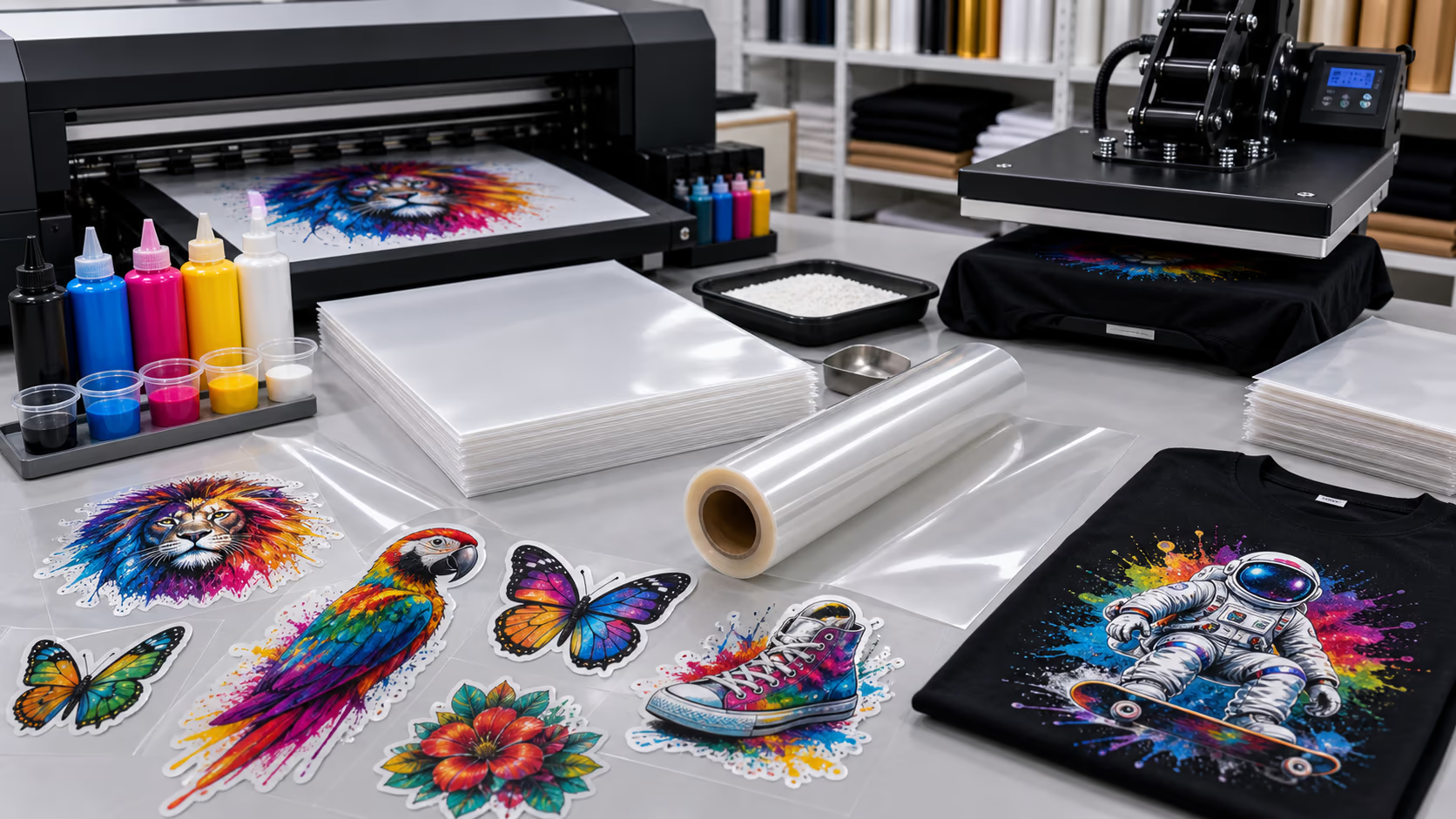
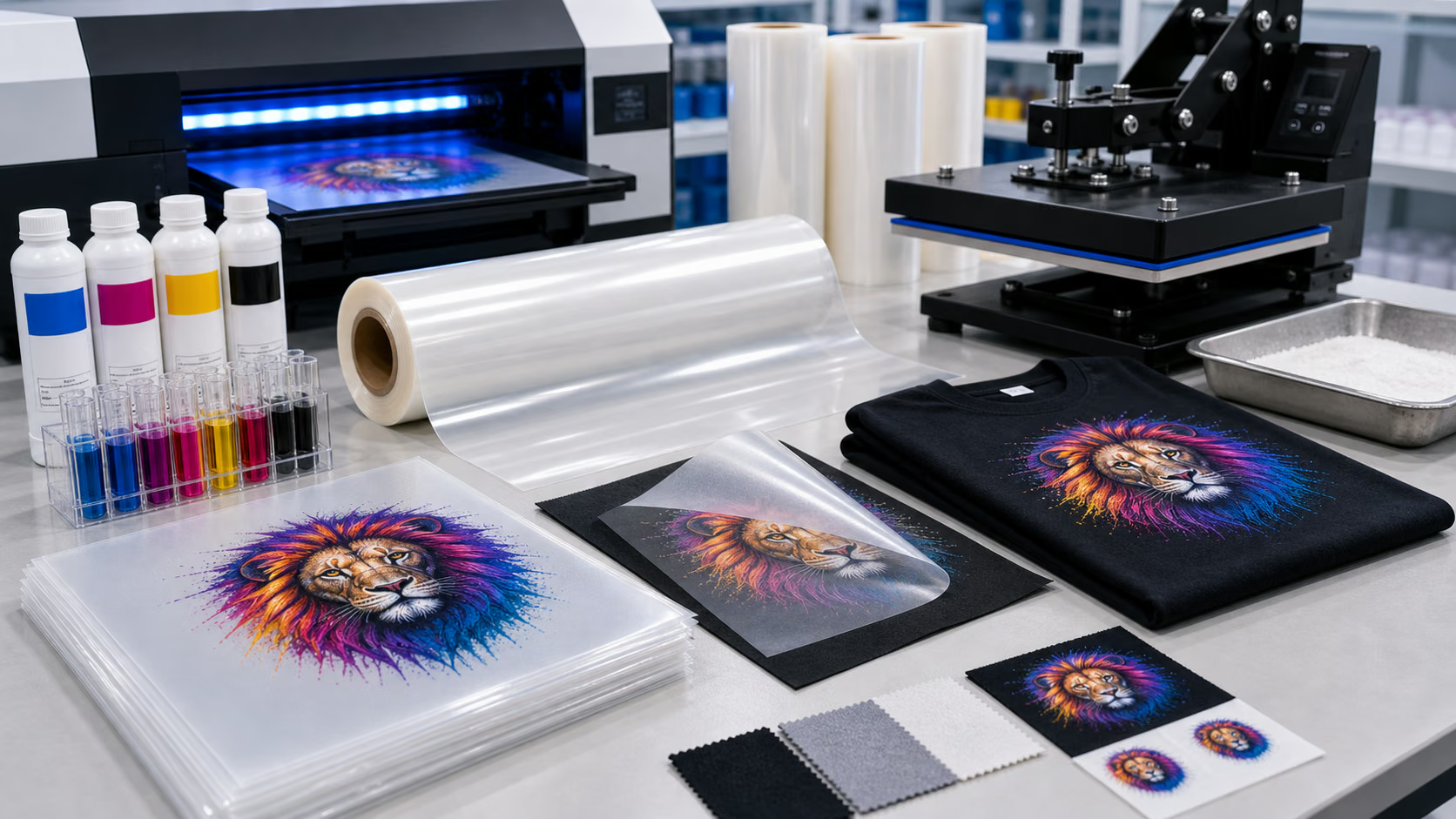
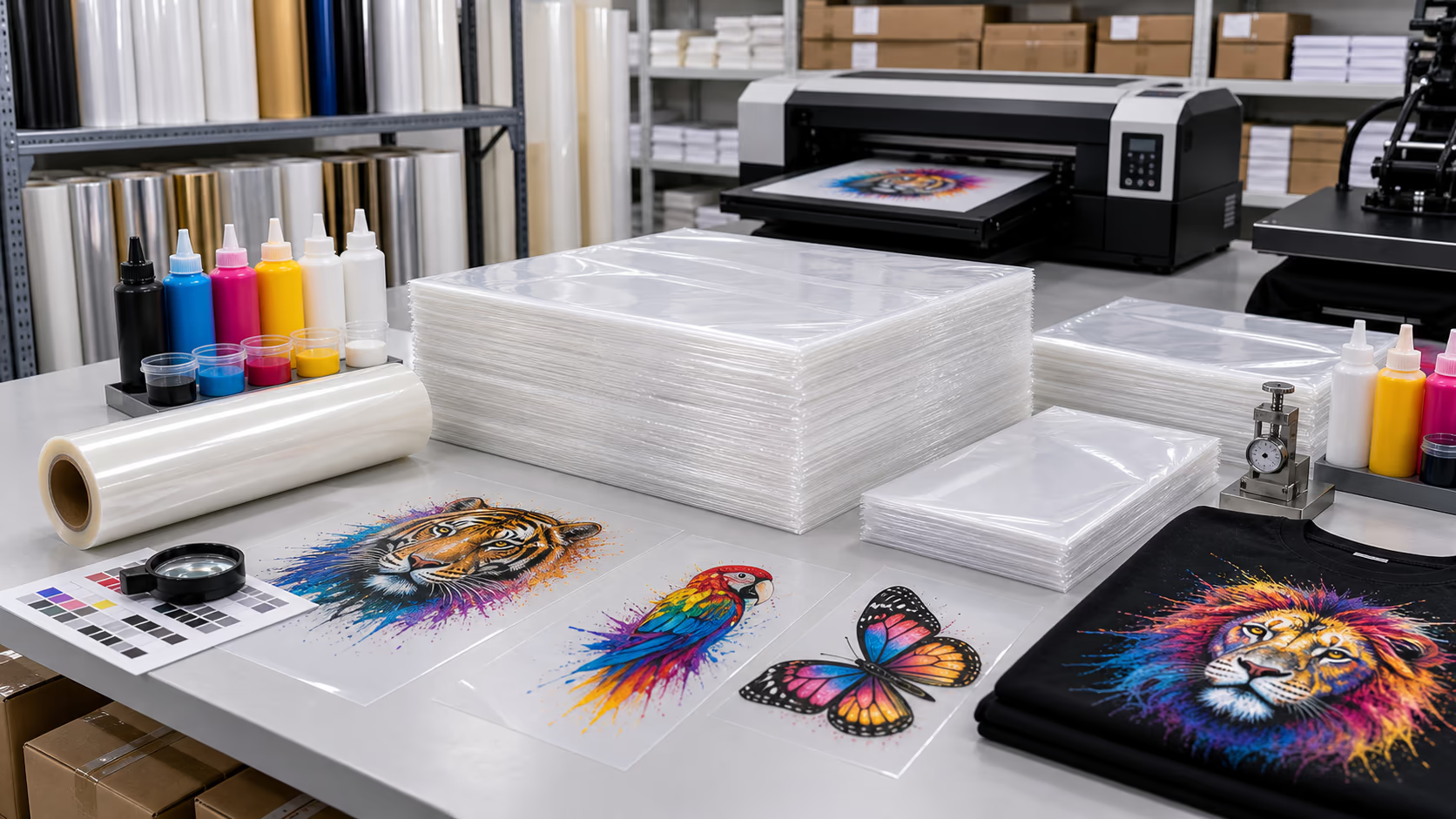
UV DTF Adhesive Transfer Paper is a dual-layer PET-based medium engineered for high-precision digital printing and seamless transfer. Contrary to standard heat transfer papers, it combines a UV-receptive printing layer with a pressure-sensitive adhesive layer, enabling cold or low-heat application while delivering durable, textured results. Its unique working principle hinges on three core stages, setting it apart from traditional printing processes.
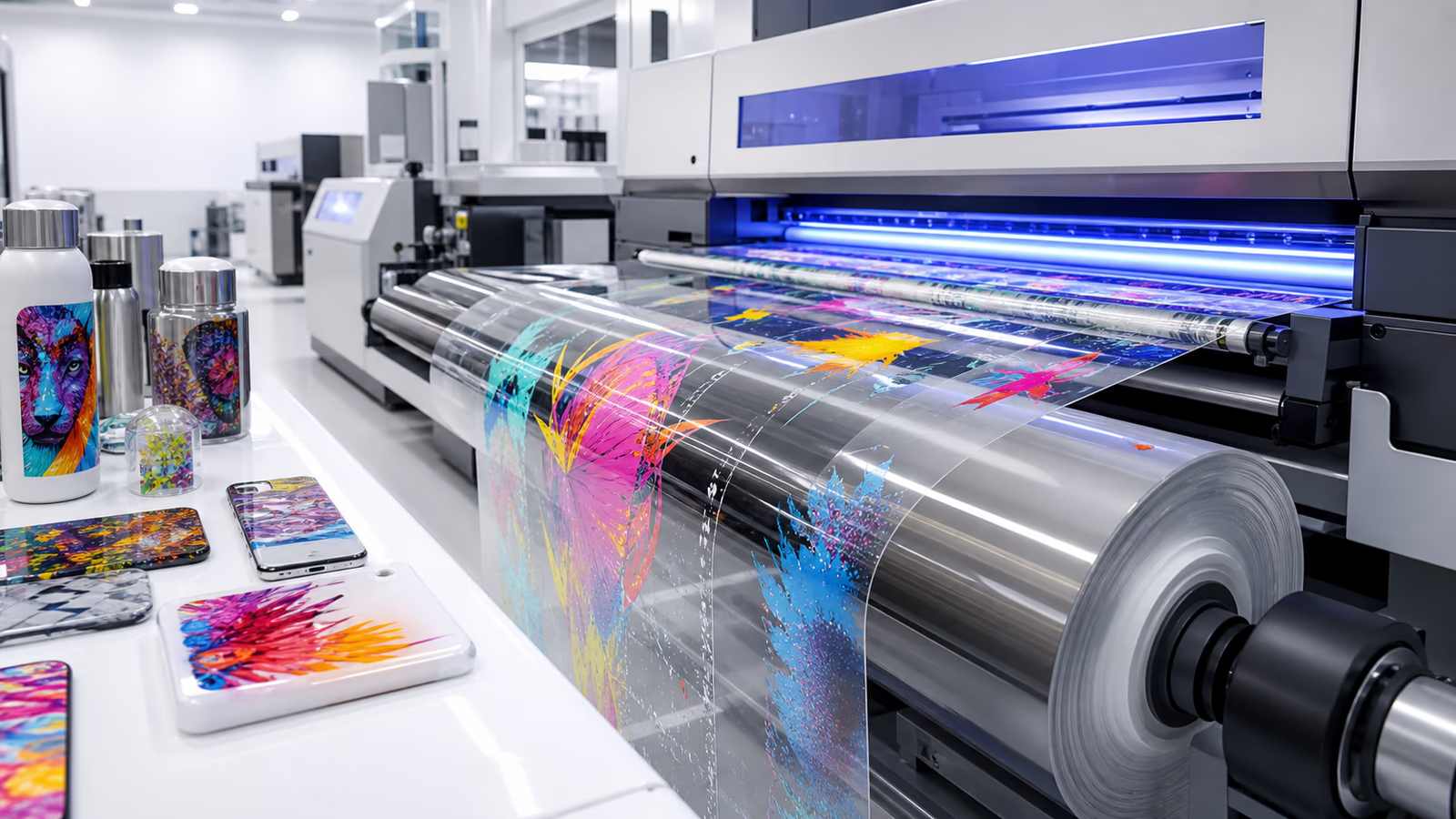
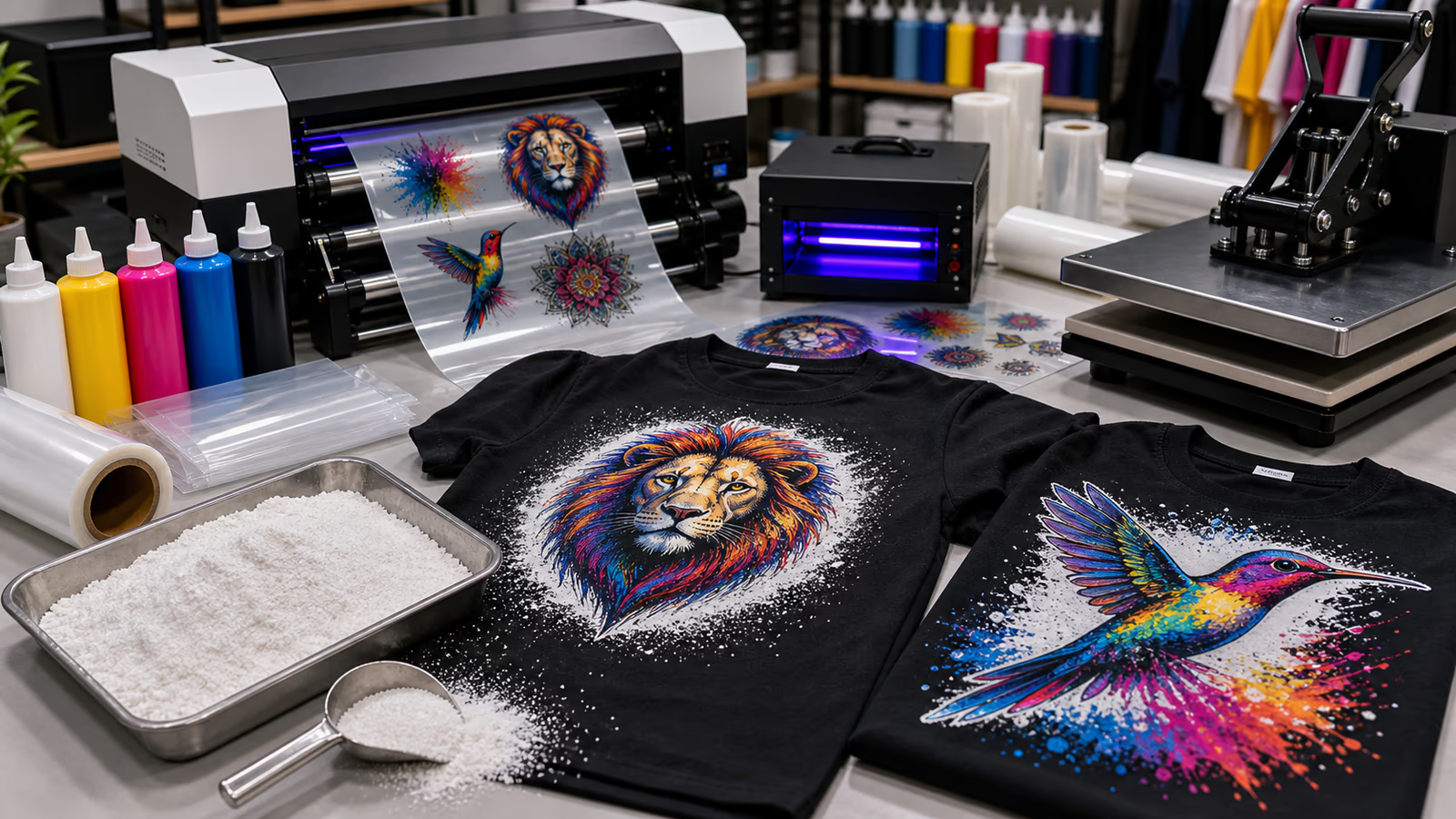
First, the printing phase: Digital designs are printed onto the paper’s receptive layer using UV-curable inks, which can be layered to build 0.1-0.5mm 3D relief effects—mimicking crystal-like transparency, embossed textures, or gradient finishes. This layering capability, paired with UV inks’ high color saturation, creates visual depth unattainable with flat transfer papers. Second, instant UV curing: A UV lamp cures each ink layer immediately after printing, preventing smudging, ensuring sharp edges, and forming a rigid yet flexible polymer structure. This eliminates the need for prolonged heat curing, slashing production time. Third, transfer application: The pre-cured design, supported by the adhesive layer, is applied to target surfaces—either via cold lamination for delicate materials or low-temperature heat pressing (100-120°C) for enhanced bonding. The adhesive layer forms a strong, long-lasting bond with diverse substrates, from smooth glass to curved plastic, without damaging the base material.
2. Unparalleled Advantages: Why It Outperforms Traditional Printing Media
UV DTF Adhesive Transfer Paper’s revolution in the printing industry stems from its ability to outperform traditional media—such as heat transfer vinyl, silk-screen paper, and standard DTF films—in efficiency, versatility, and quality. These advantages make it a preferred choice for both small-batch customization and large-scale production.
2.1 Universal Material Compatibility
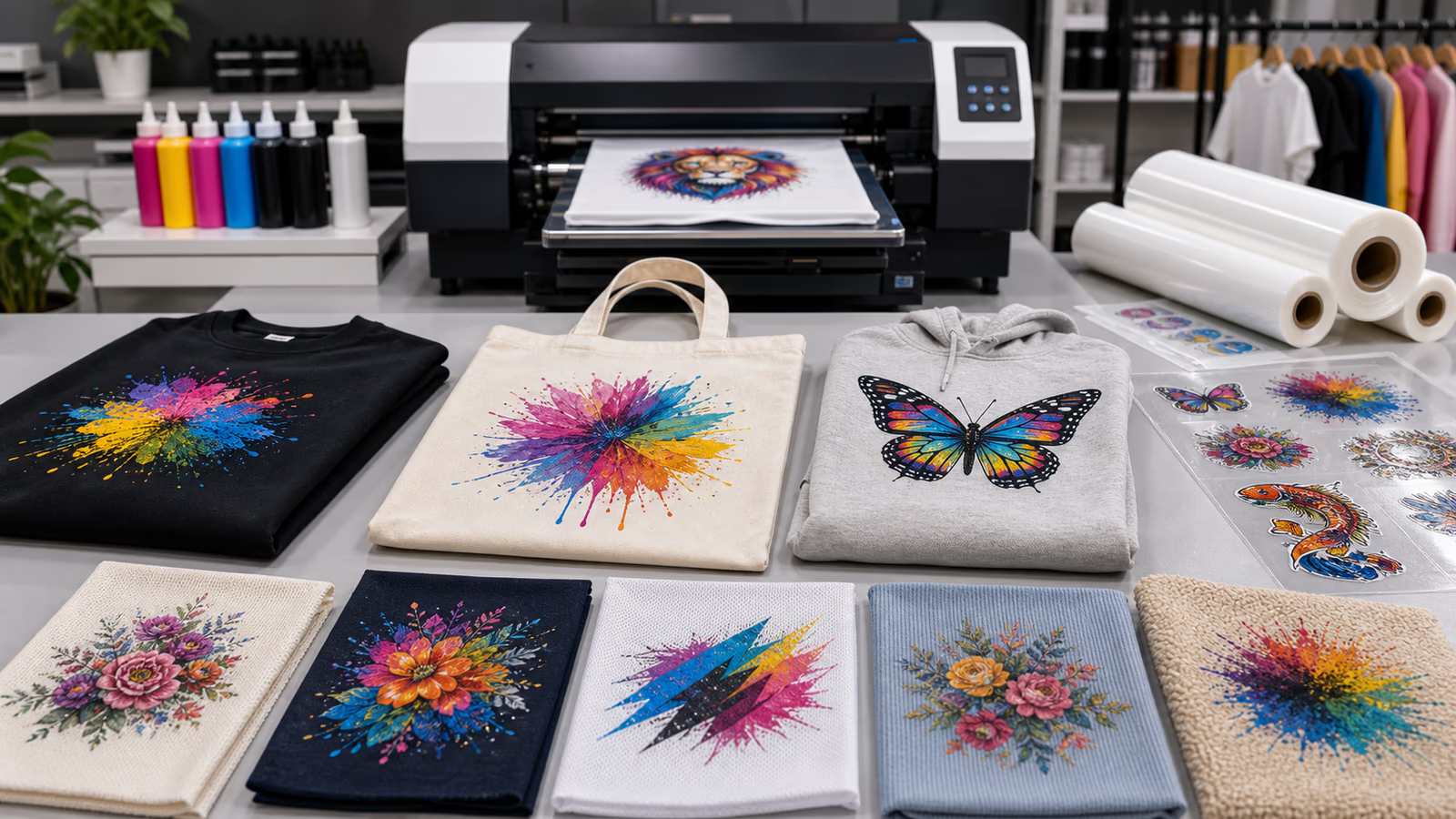
Unlike traditional transfer papers limited to textiles or specific substrates, UV DTF Adhesive Transfer Paper adheres to virtually all surfaces: glass, ceramic, metal, plastic (ABS, PETG), leather, wood, and even curved or uneven substrates. Its pressure-sensitive adhesive adapts to异形 (special-shaped) surfaces—such as wine bottle necks, cosmetic jars, or curved electronic casings—solving the “surface limitation” problem of traditional UV printing and silk-screening. This universal compatibility expands printing possibilities beyond textiles to hard goods and packaging.
2.2 3D Visual and Textural Superiority
Traditional transfer papers produce flat designs, while UV DTF Adhesive Transfer Paper creates stunning 3D crystal-like effects and embossed textures. With light transmittance up to 98%, it delivers a “floating” visual effect on transparent substrates, making it ideal for high-end packaging. The UV-cured ink layer is scratch-resistant, water-proof, and fade-proof, maintaining vivid colors and texture even after repeated use or cleaning—surpassing the durability of不干胶 (self-adhesive) labels and silk-screen prints.
2.3 Cost and Efficiency Advantages
It eliminates the制版 process required for silk-screening, which typically costs $1000-$3000 per plate and takes 1-2 days to prepare. From design to finished transfer paper, the entire process takes just 30 minutes, supporting one-piece customization with no minimum order quantity. This drastically reduces small-batch production costs by 30%-50% compared to traditional methods. Additionally, instant UV curing boosts throughput, enabling rapid response to market demands—such as seasonal limited editions or event-specific customization.
3. Transformative Applications Across Industries
UV DTF Adhesive Transfer Paper’s versatility has sparked innovation across multiple sectors, replacing outdated printing methods and unlocking new business opportunities. Its applications span from high-end packaging to personalized文创 (cultural and creative) products, demonstrating its industry-wide impact.
3.1 Luxury Packaging and Branding
In the alcohol, cosmetics, and luxury goods industries, it has become a game-changer for packaging customization. Wine brands use it to create 3D crystal logos on glass bottles, enhancing product premiumness and brand recognition. Cosmetic brands leverage its gradient and transparency effects for limited-edition perfume bottles and skincare jars, achieving a “luxury texture” at a fraction of the cost of traditional embossing. For corporate gifts, it enables quick customization of logos on gift boxes and bottles, adding exclusive value.
3.2 Cultural and Creative (文创) Products
It has revolutionized the文创 industry by enabling small-batch, high-quality customization of peripheral products. From sports event souvenirs—such as custom water cups with 3D team logos—to非遗 (intangible cultural heritage) derivatives and IP merchandise, it supports on-demand printing without compromising texture. For example, MIMAKI used UV DTF Adhesive Transfer Paper to create custom water cups for the FIS Ski Jumping World Cup, delivering durable, visually striking designs that resonate with fans.
3.3 Daily Necessities and Industrial Labeling
In daily necessities, it enhances both functionality and aesthetics. It creates wear-resistant labels for kitchen seasonings, sports water cups, and children’s toys—resisting water, oil, and friction. In industrial settings, it is used for durable labeling on electronic components, automotive interiors, and medical devices, thanks to its chemical resistance and strong adhesion. Unlike traditional labels that peel off easily, its UV-cured layer maintains integrity in harsh environments.
4. Best Practices for Maximizing Performance
To fully leverage the potential of UV DTF Adhesive Transfer Paper, adhering to best practices ensures consistent quality, durability, and cost-efficiency—critical for businesses adopting this innovative medium.
4.1 Select High-Quality Materials
Opt for UV DTF Adhesive Transfer Paper with a uniform receptive coating to prevent ink bleeding. Choose UV-curable inks formulated for flexibility and color retention, and prioritize eco-friendly options such as low-VOC inks and recyclable PET bases. The adhesive layer should be matched to the target substrate—e.g., high-tack adhesive for smooth surfaces and flexible adhesive for curved or stretchy materials.
4.2 Calibrate Curing and Application Parameters
Under-curing leads to soft, easily scratched designs, while over-curing causes brittleness and adhesion loss. Calibrate UV lamp power based on ink layer thickness—typically 80-120W for 0.1-0.3mm layers. For transfer, use cold lamination for delicate substrates like silk or plastic, and low-temperature heat pressing (100-120°C, 10-15 seconds) for glass or metal to enhance bond strength. Always test on sample materials first.
4.3 Optimize Design for 3D Effects
Leverage design software to layer inks for 3D textures—e.g., thickening the white ink layer under color inks for opacity on transparent substrates. Avoid overly fine details in thick layers, as they may lose definition during curing. Use digital mockups to visualize the final 3D effect, reducing revisions and material waste.
5. Future Trends: Expanding the Boundaries of Innovation
As UV DTF Adhesive Transfer Paper gains traction, ongoing technological advancements promise to further revolutionize the printing industry, expanding its capabilities and sustainability.
Sustainability is a key focus: Manufacturers are developing biodegradable PET bases and plant-based UV inks, addressing environmental concerns associated with traditional printing media. Advancements in adhesive technology will enable repositionable and removable options, opening applications in temporary branding and event decor. Cross-technology integration—combining UV DTF with AI design tools—will automate texture optimization and color matching, enabling real-time customization at scale.
Additionally, miniaturization of UV curing systems will make the technology accessible to small businesses and home crafters, democratizing high-quality 3D transfer printing. We may also see specialized variants for extreme environments—such as high-temperature or chemical-resistant formulations for industrial applications—further expanding its industry reach.
In conclusion, UV DTF Adhesive Transfer Paper is not just a new printing medium—it is a catalyst for innovation in the printing industry. By overcoming traditional limitations of compatibility, efficiency, and texture, it empowers businesses to create high-value, personalized products across sectors. As technology evolves, it will continue to redefine industry standards, solidifying its role as a transformative force in digital printing.