“How to Use Reflective Vinyl DTF Transfer Film: Step by Step Guide” -MAXDTF- UV DTF Printing Paper Wholesale, DTF UV Decal Wholesale, Made in China
Reflective vinyl DTF (Direct to Film) transfer film is a versatile and innovative material that has gained popularity among artists, designers, and manufacturers for its ability to create highly visible, reflective designs. Whether you’re adding a sleek, reflective finish to clothing, accessories, or promotional items, this guide will walk you through the process of using reflective vinyl DTF transfer film step by step.
What is Reflective Vinyl DTF Transfer Film?
Reflective vinyl DTF transfer film is a specialized material designed for use with DTF printers. It consists of a layer of reflective vinyl coated with a special adhesive that allows it to be printed on and transferred to various surfaces. The reflective properties of the film make it ideal for applications where visibility is crucial, such as safety gear, signage, and promotional products.
Materials Needed
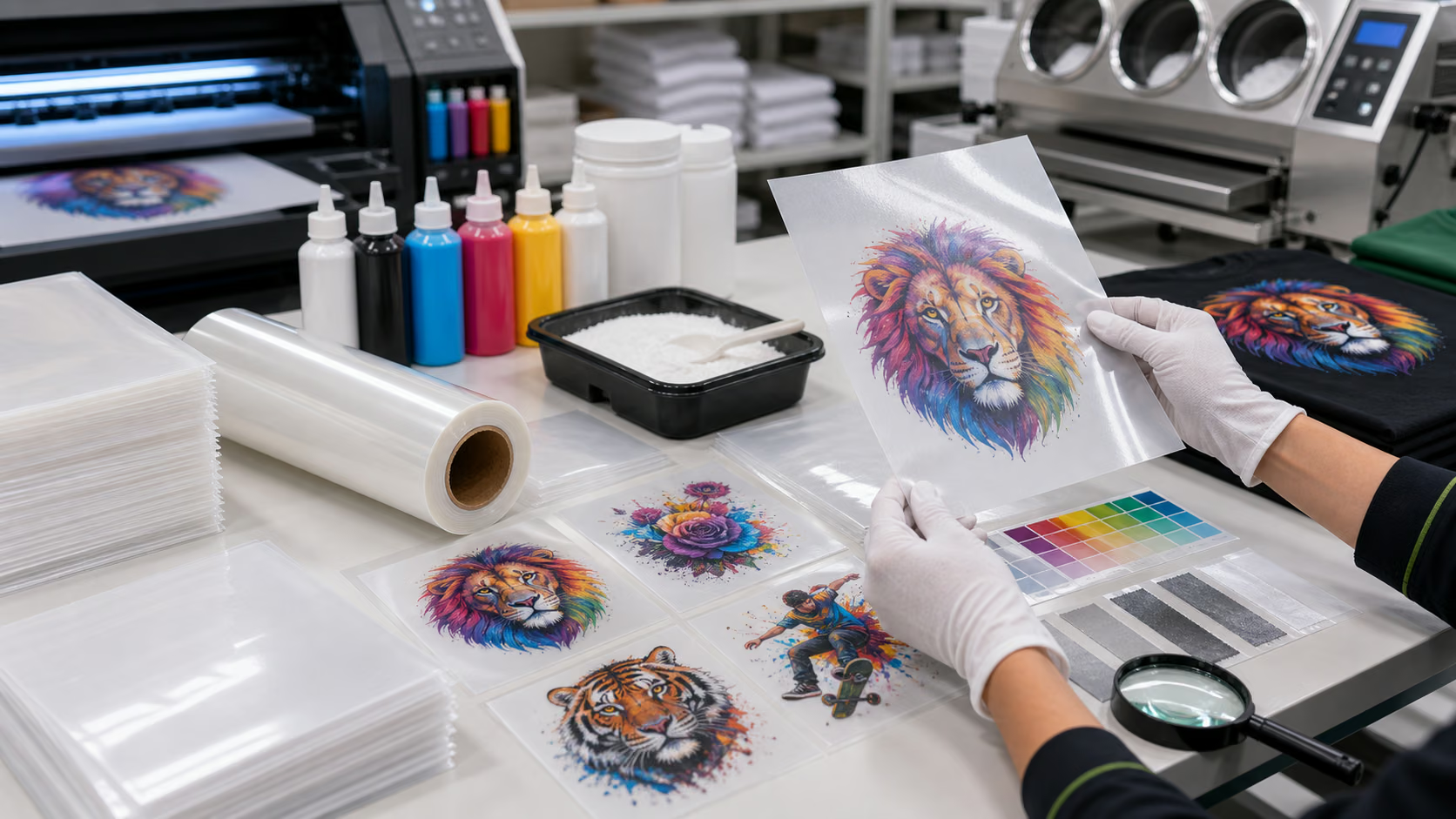
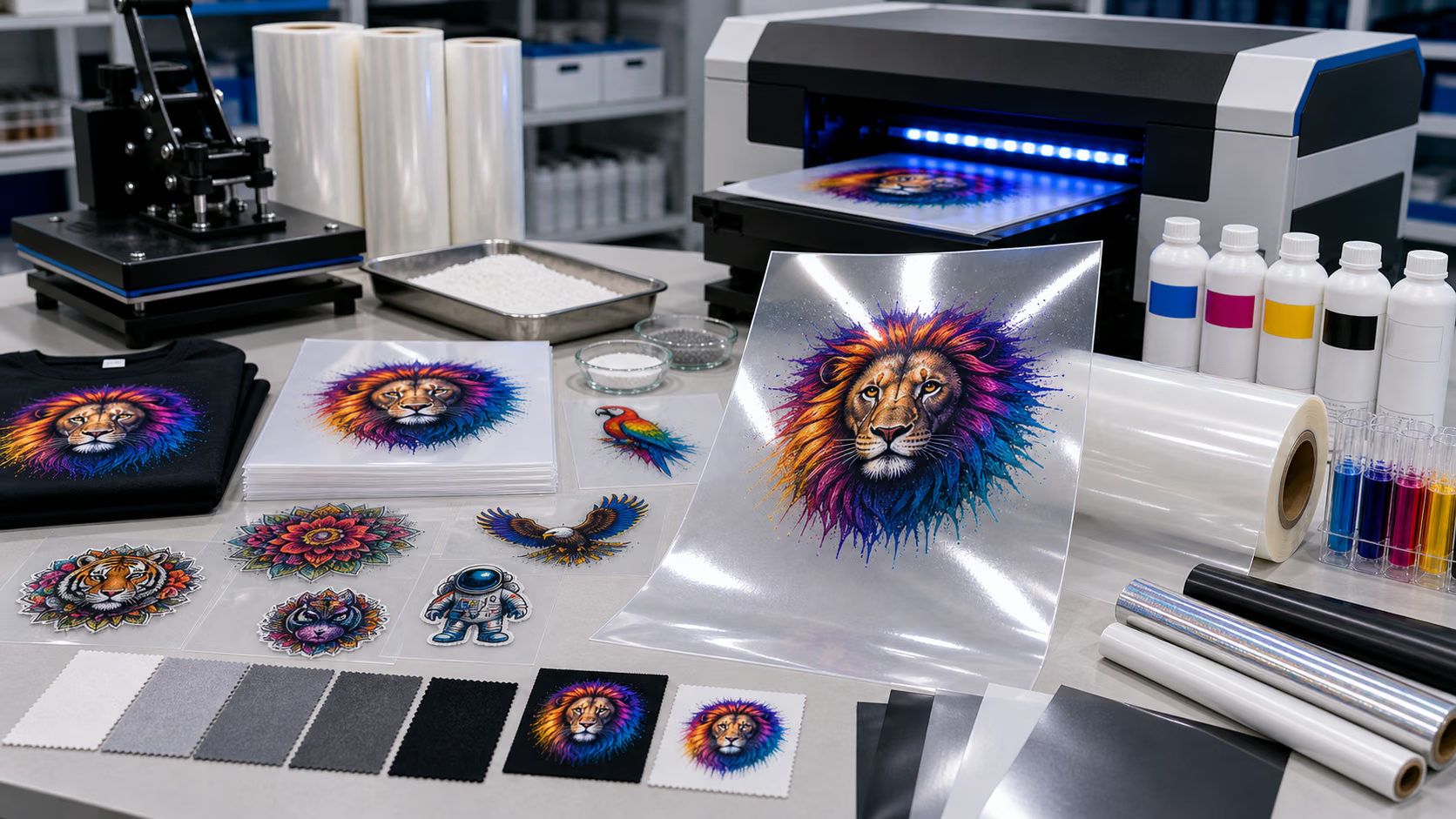
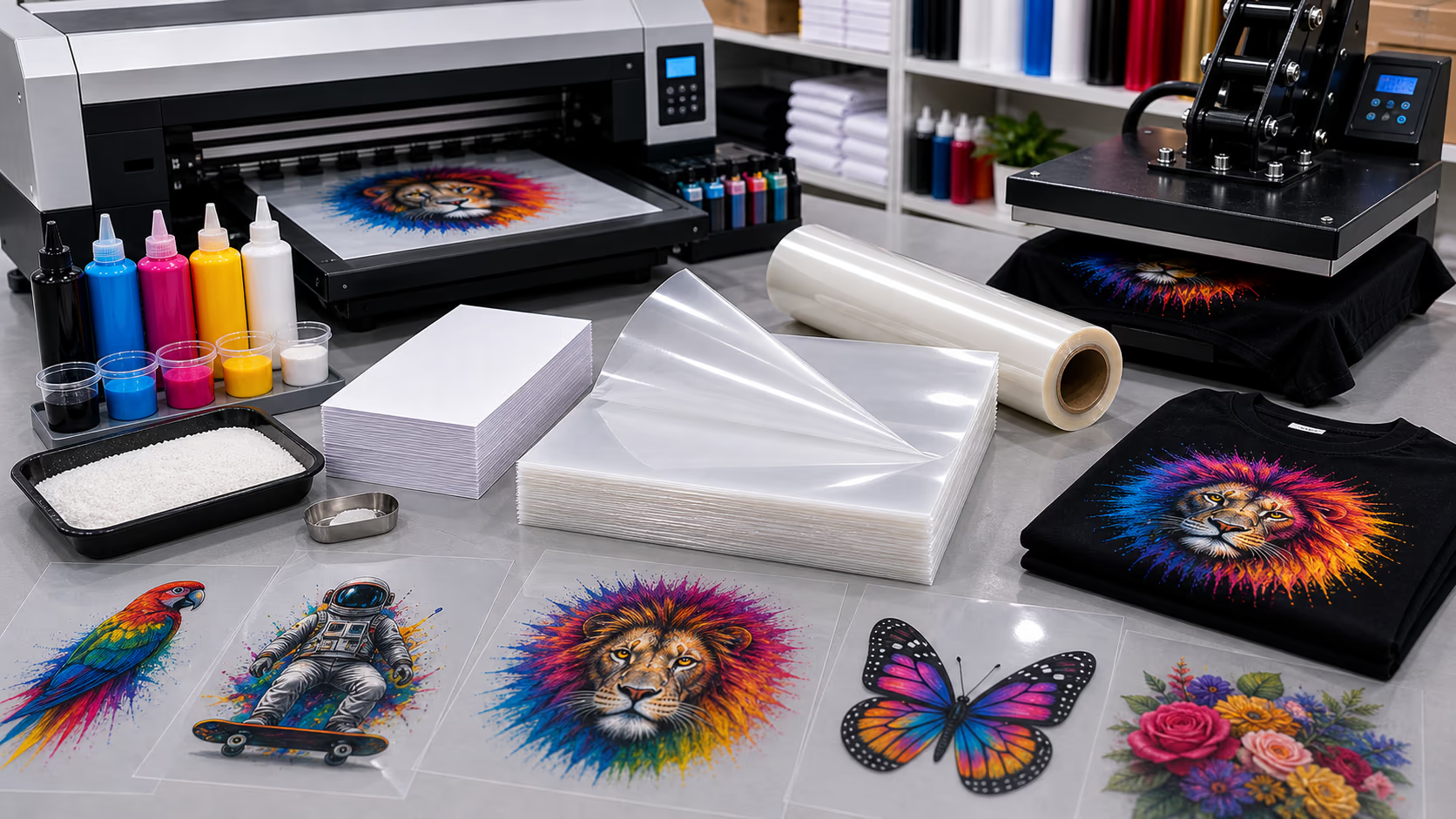
Before you begin, make sure you have the following materials:
- DTF Printer: A printer capable of handling DTF transfer film.
- Reflective Vinyl DTF Transfer Film: The star of the show!
- DTF Powder: Powder that bonds with the ink and adheres to the film.
- Heat Press: For transferring the design to the final substrate.
- Design Software: For creating or preparing your artwork.
- Substrate: The item you want to apply the design to (e.g., t-shirt, bag, etc.).
Step-by-Step Guide
Step 1: Prepare Your Design
- Create or Edit Your Design: Use design software like Adobe Illustrator or CorelDRAW to create or edit your artwork. Ensure that the design is print-ready and properly formatted for the DTF printer.
- Convert to CMYK: Reflective vinyl DTF transfer film is typically printed in CMYK (Cyan, Magenta, Yellow, Black) color mode. Convert your design to CMYK to ensure accurate color reproduction.
Step 2: Print the Design
- Load the Film: Insert the reflective vinyl DTF transfer film into the DTF printer. Ensure that the film is properly aligned and ready for printing.
- Print the Design: Send the design to the printer and initiate the printing process. The printer will apply the ink to the reflective vinyl film.
Step 3: Apply DTF Powder
- Remove the Printed Film: Once the printing is complete, carefully remove the printed film from the printer.
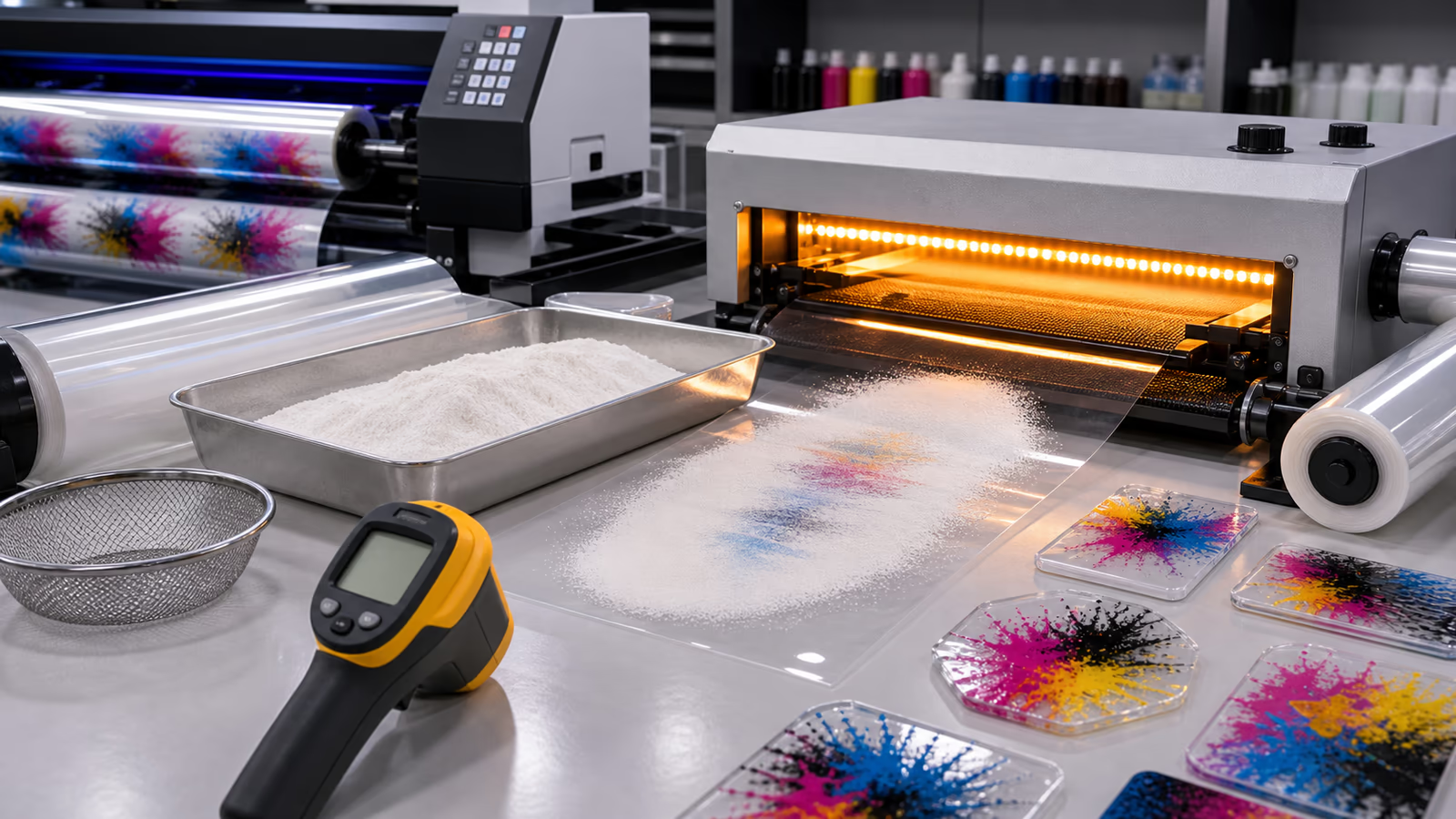
- Sprinkle DTF Powder: Shake the DTF powder onto the printed surface. The powder will adhere to the ink, creating a bond that will help the design stick to the final substrate.
- Heat the Powder: Use a heat press or a heat gun to heat the powder. This will melt the powder, bonding it to the ink and the film.
Step 4: Remove the Protective Layer
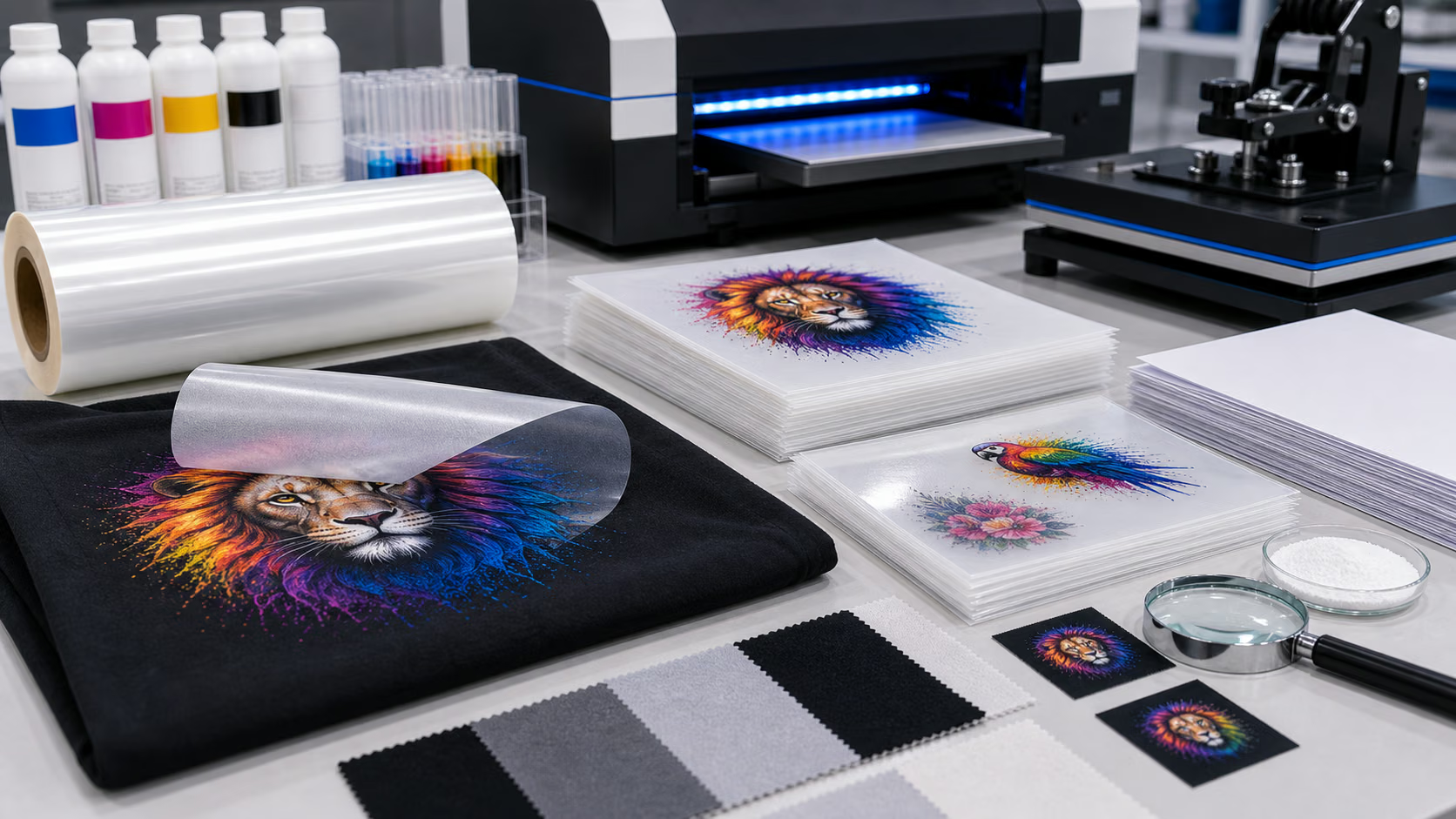
- Separate the Layers: Gently peel off the top protective layer of the reflective vinyl DTF transfer film. This will leave you with the printed and powdered design on the adhesive layer.
Step 5: Transfer the Design
- Position the Film: Place the adhesive side of the film onto the substrate (e.g., t-shirt, bag, etc.) where you want the design to be applied.
- Heat Press the Design: Use a heat press to apply heat and pressure to the film. This will transfer the design from the film to the substrate. Ensure that the temperature and time settings are appropriate for the type of substrate you are using.
- Peel Off the Film: Once the transfer is complete, carefully peel off the transfer film, leaving the reflective design on the substrate.
Step 6: Inspect and Finish
- Inspect the Design: Check the transferred design for any imperfections. Make sure the reflective properties are clearly visible.
- Final Touches: If necessary, use a soft cloth to gently smooth out any areas where the design may not have adhered perfectly.
Tips for Success
- Use High-Quality Materials: Ensure that all materials, especially the reflective vinyl DTF transfer film and DTF powder, are of high quality to achieve the best results.
- Experiment with Settings: Different substrates may require different heat press settings. Experiment with temperature and time to find the optimal settings for your project.
- Practice: Like any technique, mastering the use of reflective vinyl DTF transfer film takes practice. Don’t be afraid to experiment and refine your process.
Conclusion
Reflective vinyl DTF transfer film is a powerful tool for creating eye-catching, reflective designs. By following this step-by-step guide, you can achieve professional-quality results and add a unique, reflective touch to your projects. Whether you’re a seasoned pro or a beginner, this guide will help you make the most of this innovative material.