“How Does DTF Powder Work? A Deep Dive into Direct to Film Printing” -MAXDTF- China Direct to Transfer UV DTF Paper, UV DTF Transfer AB Film Wholesale, Made in China
Direct to Film (DTF) printing has revolutionized the custom apparel and merchandise industry, offering vibrant, long-lasting designs with unparalleled ease. At the heart of this innovative process lies DTF powder—a critical component that bridges the gap between printed designs and the materials they adorn. But how exactly does this powder function? This article breaks down the science, purpose, application process, and key mechanics of DTF powder, shedding light on why it’s indispensable for high-quality transfers.
What Is DTF Powder?
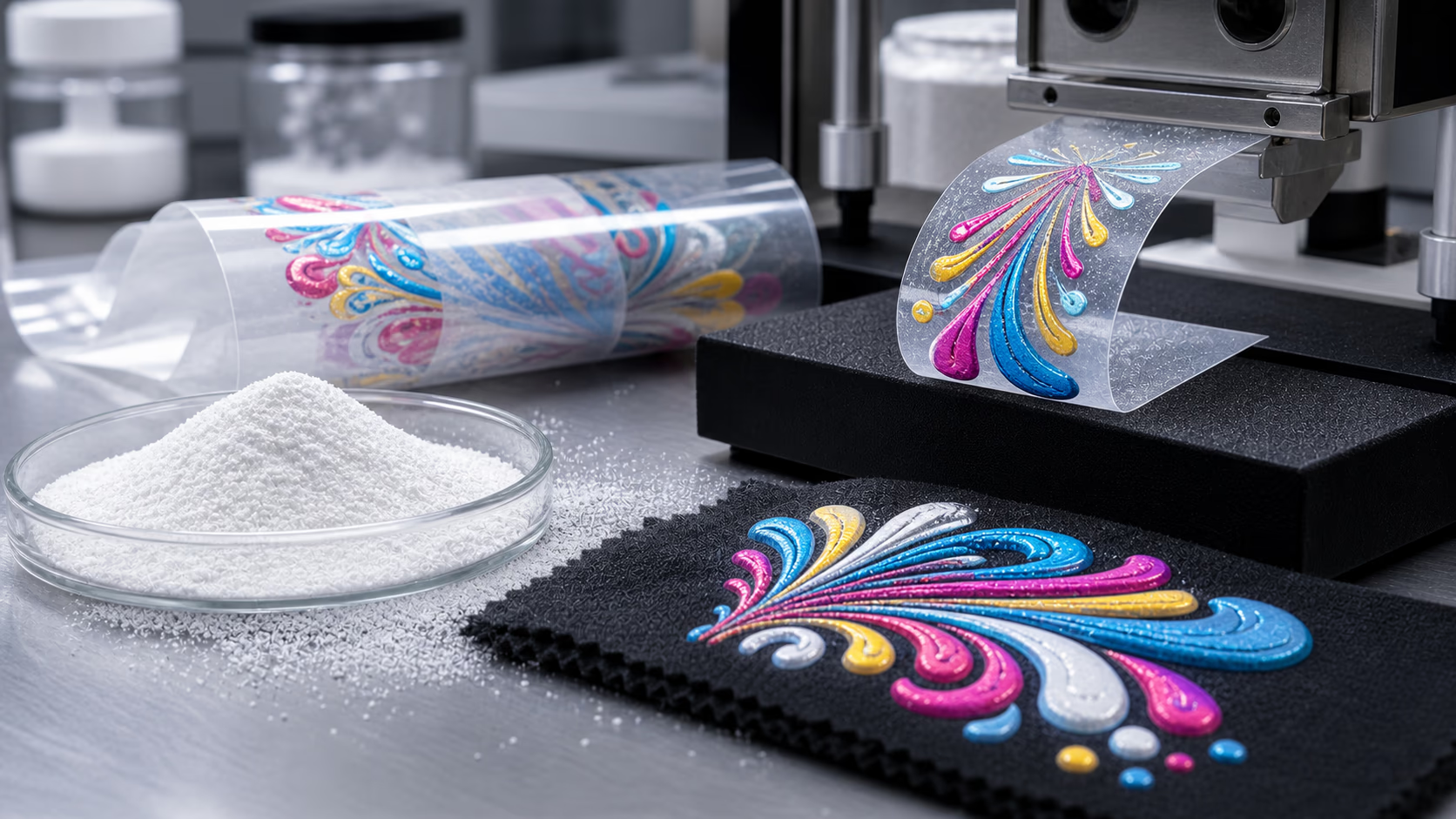
Before diving into its functionality, it’s essential to understand what DTF powder is. DTF powder, also known as DTF hot-melt adhesive powder, is a fine, thermoplastic-based substance designed specifically for use in Direct to Film printing. Unlike traditional adhesives, it is formulated to work in tandem with DTF inks and transfer films, creating a strong, flexible bond between the printed design and the target material (typically fabrics like cotton, polyester, or blends).
DTF powder comes in two primary types to suit different needs:
- Standard DTF Powder: Ideal for most everyday fabrics, it offers reliable adhesion and durability, withstanding multiple washes without cracking or peeling.
- Low-Temperature DTF Powder: Designed for heat-sensitive materials (such as delicate synthetics or blends that might shrink at high temperatures), it activates at lower heat settings while maintaining strong bonding.
Both types share a core composition of thermoplastic polymers, which react to heat to form a permanent bond—this is the foundation of their functionality.
The Core Purpose of DTF Powder in DTF Printing
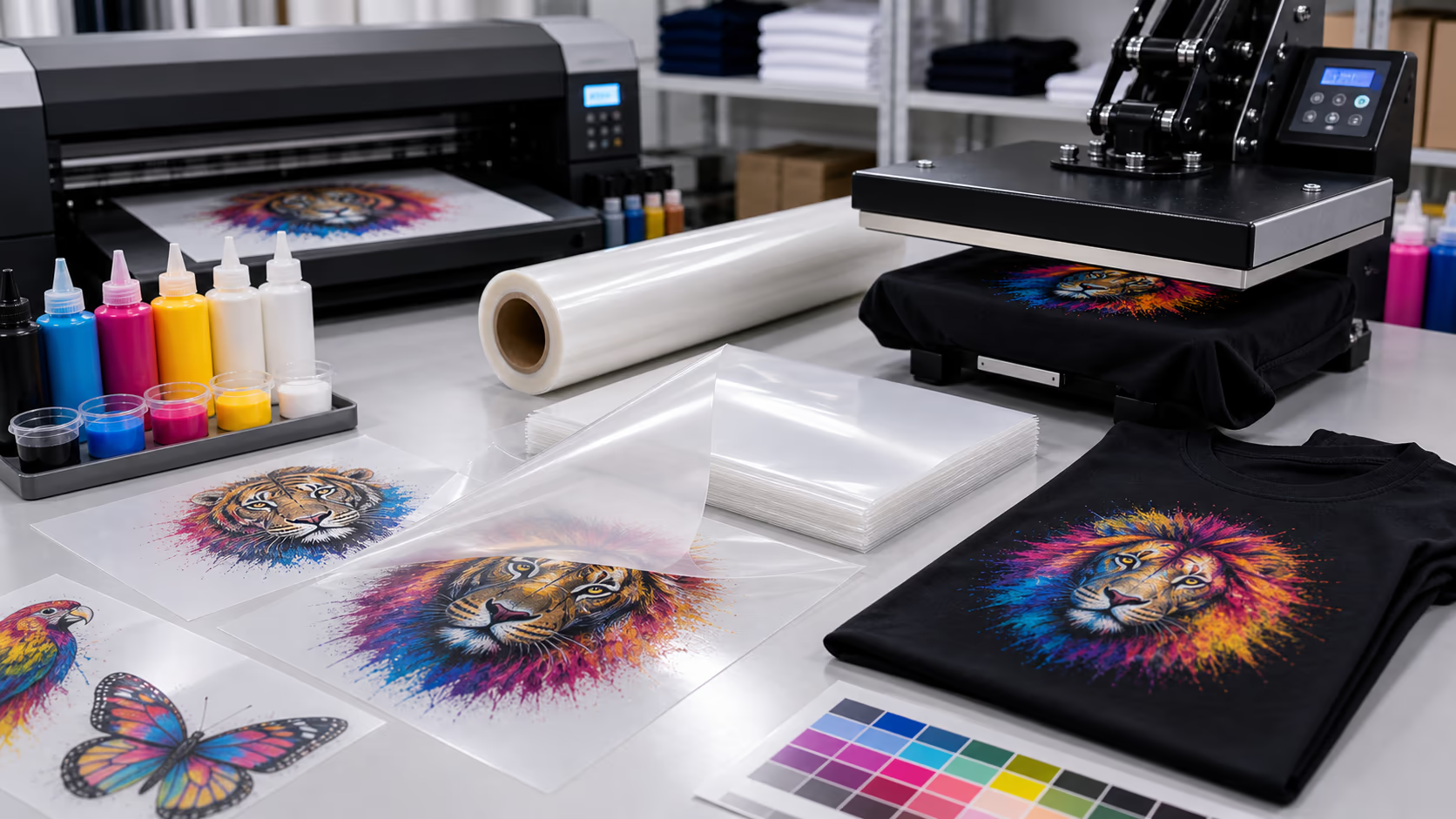
DTF printing relies on three key components: the DTF transfer film, specialized DTF inks, and DTF powder. While the inks carry the design and the film acts as a temporary carrier, the powder serves two non-negotiable roles:
- Bonding Agent: DTF inks alone cannot adhere permanently to fabric. The powder acts as a middleman, forming a bridge between the ink and the material. When heated, it melts, encapsulates the ink particles, and fuses them to the fabric’s fibers.
- Durability Enhancer: Without the powder, printed designs would be fragile—prone to smudging, fading, or washing away. The powder’s melted polymer structure creates a flexible, resilient layer that locks the ink in place, ensuring the design remains vibrant and intact even after repeated laundering.
- Smoothing and Uniformity: The powder creates a smooth, even base for the ink, preventing bleeding or feathering and ensuring sharp, crisp design edges. This is especially crucial for intricate patterns or high-resolution images.
In short, DTF powder transforms a temporary printed design on film into a permanent, professional-quality transfer.
How DTF Powder Works: Step-by-Step Mechanism
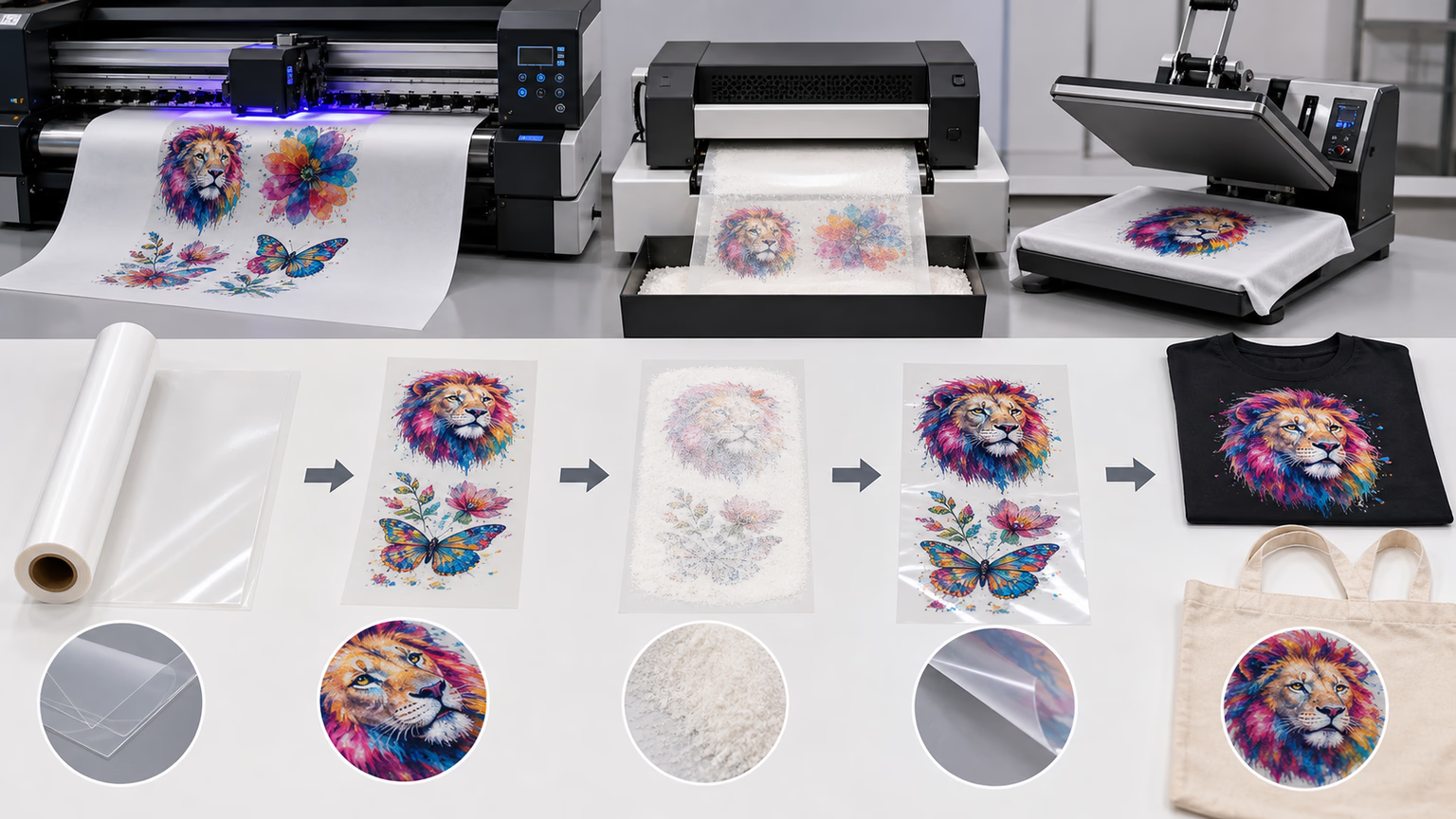
The functionality of DTF powder unfolds in a sequential process, synchronized with the DTF printing workflow. Here’s a detailed breakdown of its mechanics:
Step 1: Preparation – Coating the Printed Film
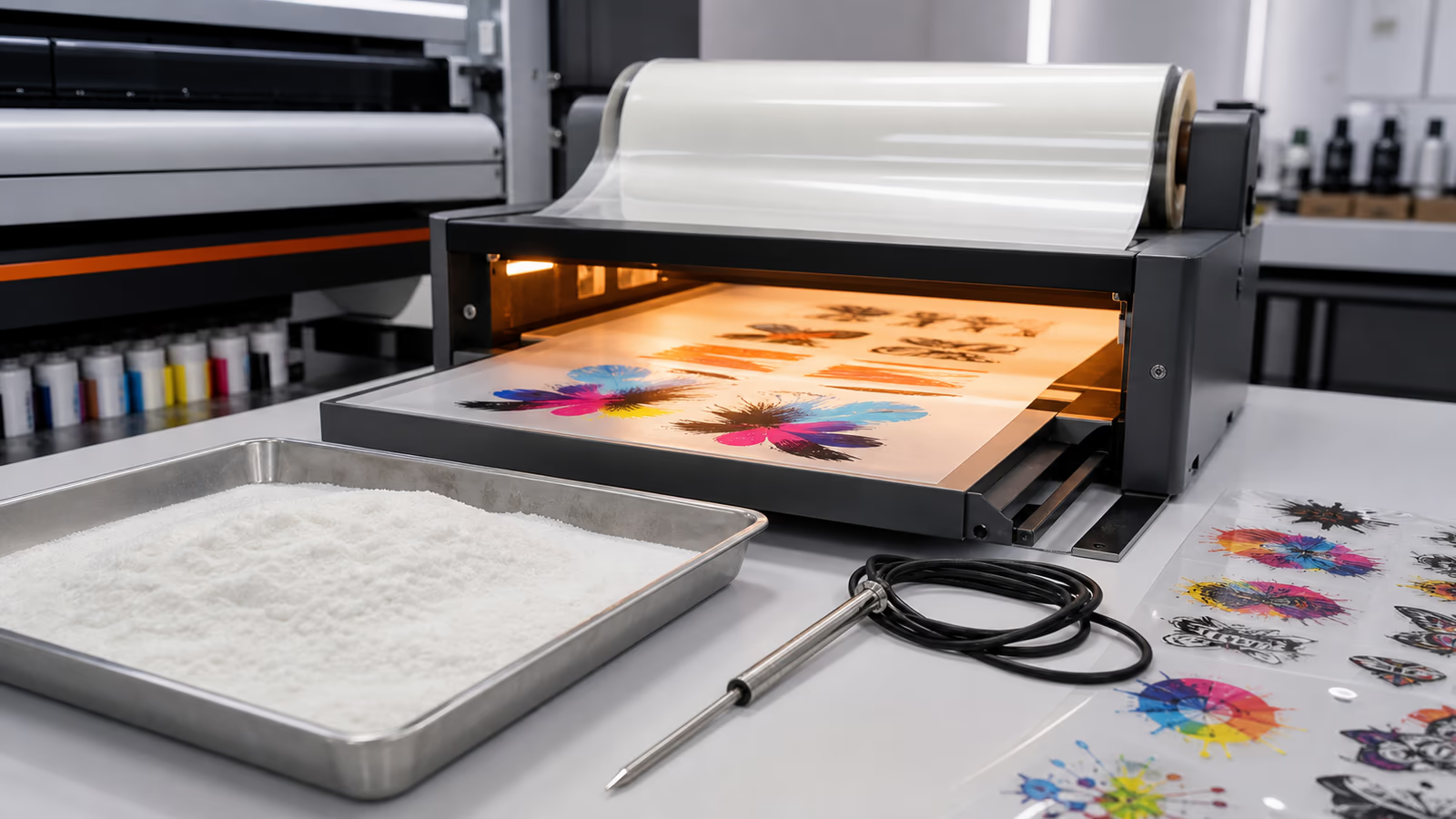
After the design is printed onto the DTF transfer film using DTF inks, the next step is to apply DTF powder. This is typically done using a powder shaker or automatic powder coating machine:
- The printed film (with the design facing up) is passed under the powder applicator.
- The fine powder is evenly distributed over the entire printed area, ensuring full coverage of the ink.
- Excess powder is shaken off (and often recycled) to avoid clumping, leaving a thin, uniform layer on top of the ink.
At this stage, the powder is in a dry, solid state—no bonding has occurred yet. Its role here is to “prime” the design for heat activation.
Step 2: Heat Activation – Melting the Polymer
Once the powder is applied, the film undergoes a “curing” step (often called “drying” or “fusing”) in a heat tunnel or oven. This is where the powder’s thermoplastic properties come into play:
- The film is heated to a specific temperature (typically 100–130°C / 212–266°F, depending on the powder type).
- At this temperature, the thermoplastic polymers in the powder melt, transforming from a solid into a viscous, liquid-like state.
- As it melts, the powder encapsulates the DTF ink particles. DTF inks are water-based and contain pigments; the melted powder surrounds these pigments, locking them into a single, cohesive layer.
This step is critical: if the temperature is too low, the powder won’t fully melt, leading to weak adhesion. If too high, the powder may burn or the film may warp—compromising the design.
Step 3: Transfer – Bonding to the Target Material
After curing, the DTF film (now with the ink encapsulated in melted powder) is ready for transfer to the fabric:
- The film is placed onto the target material with the printed/powdered side facing down.
- A heat press applies consistent heat (usually 140–160°C / 284–320°F) and pressure (30–50 psi) for 15–30 seconds.
- The heat reactivates the melted powder, causing it to flow and adhere to both the ink and the fabric’s fibers. The pressure ensures maximum contact between the powder and the material, promoting a strong bond.
Step 4: Cooling and Peeling – Setting the Bond
Once the heat press cycle is complete, the film is allowed to cool slightly (a process called “cold peel” or “warm peel,” depending on the powder and film type). As it cools:
- The melted powder solidifies back into a flexible polymer layer, permanently fusing the ink to the fabric.
- The DTF transfer film is then peeled away, leaving the design embedded in the fabric via the solidified powder bond.
The result is a design that is not just on the fabric’s surface but integrated with its fibers—flexible enough to move with the material and durable enough to resist wear and washing.
Key Factors That Influence DTF Powder Performance
For DTF powder to work effectively, several factors must align:
- Heat Settings: Both the curing temperature (for the film) and transfer temperature (for the fabric) must match the powder’s specifications. Too little heat = incomplete melting; too much = degradation.
- Powder Coverage: Uneven or insufficient powder coverage leads to weak spots in the design, while excess powder causes clumping or a “grainy” finish.
- Fabric Type: DTF powder bonds best with fabrics that have some fiber structure (e.g., cotton, polyester blends). Smooth, non-porous materials may require specialized powders or pre-treatment.
- Ink Compatibility: DTF powder must be paired with DTF-specific inks. Using standard inks can prevent proper encapsulation and bonding.
Why DTF Powder Is Superior to Alternatives
Compared to other transfer methods (such as screen printing or heat transfer vinyl), DTF powder offers distinct advantages:
- Flexibility: Unlike rigid heat transfer vinyl, the powder’s polymer bond is flexible, moving with the fabric without cracking.
- Compatibility: Works with a wider range of fabrics than sublimation (which requires 100% polyester) or screen printing (which may need fabric-specific inks).
- Intricacy: Enables sharp, detailed designs that screen printing struggles with, thanks to the powder’s ability to encapsulate fine ink particles.
- Cost-Efficiency: Requires less setup than screen printing and minimizes waste, as excess powder can be recycled.
Conclusion
DTF powder is the unsung hero of DTF printing, turning digital designs into tangible, long-lasting products. Its ability to melt, encapsulate ink, and fuse to fabric—driven by thermoplastic chemistry—makes it an indispensable tool for anyone creating custom apparel, accessories, or merchandise. By understanding how DTF powder works—from its composition to its step-by-step activation—users can optimize their printing process, ensuring consistent, professional results every time. Whether you’re a small business owner, hobbyist, or creative professional, DTF powder empowers you to bring your designs to life with durability and precision.