{:en}

“Direct to Film (DTF) Shirt Printing: The Future of Apparel Decoration”  -MAXDTF- China UV DTF Transfer AB Paper, UV DTF Film Wholesale, Made in China

The textile and apparel industry has witnessed a slew of technological advancements over the past few decades. One of the most notable evolutions in recent times is Direct to Film (DTF) shirt printing. This method has changed the way businesses and designers approach apparel decoration, offering unique advantages and broadening creative horizons.

What is Direct to Film (DTF) Shirt Printing?

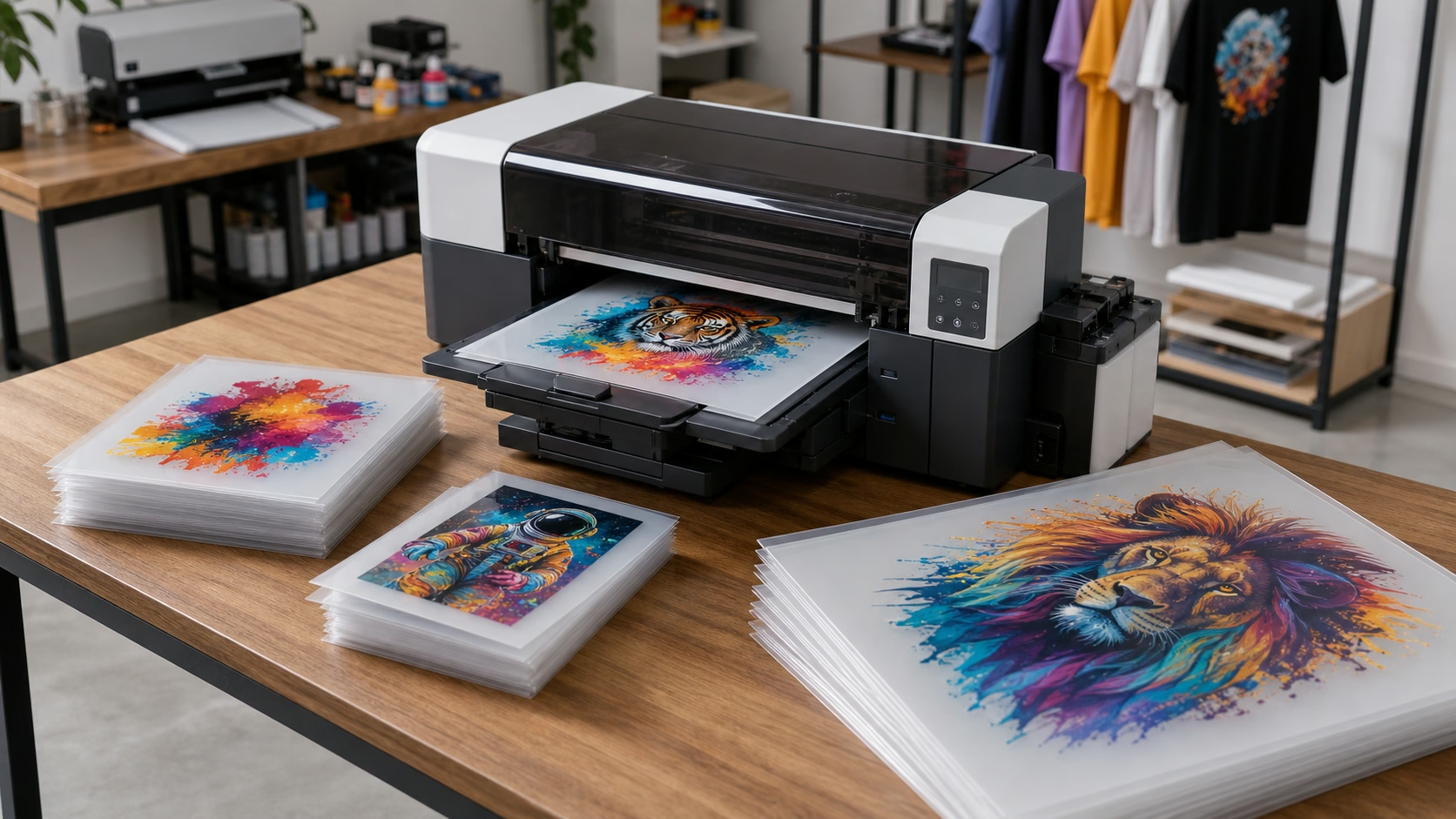
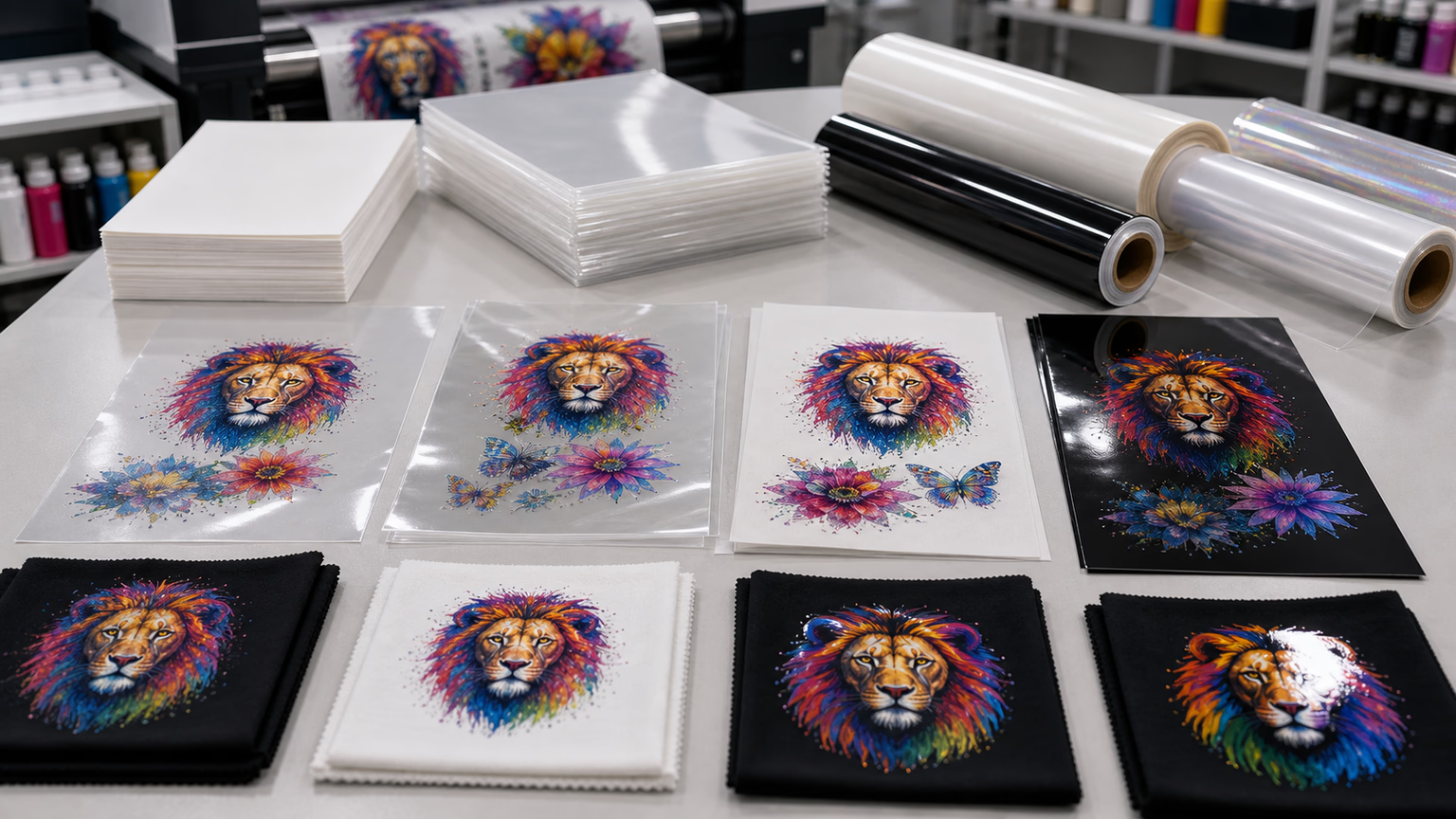
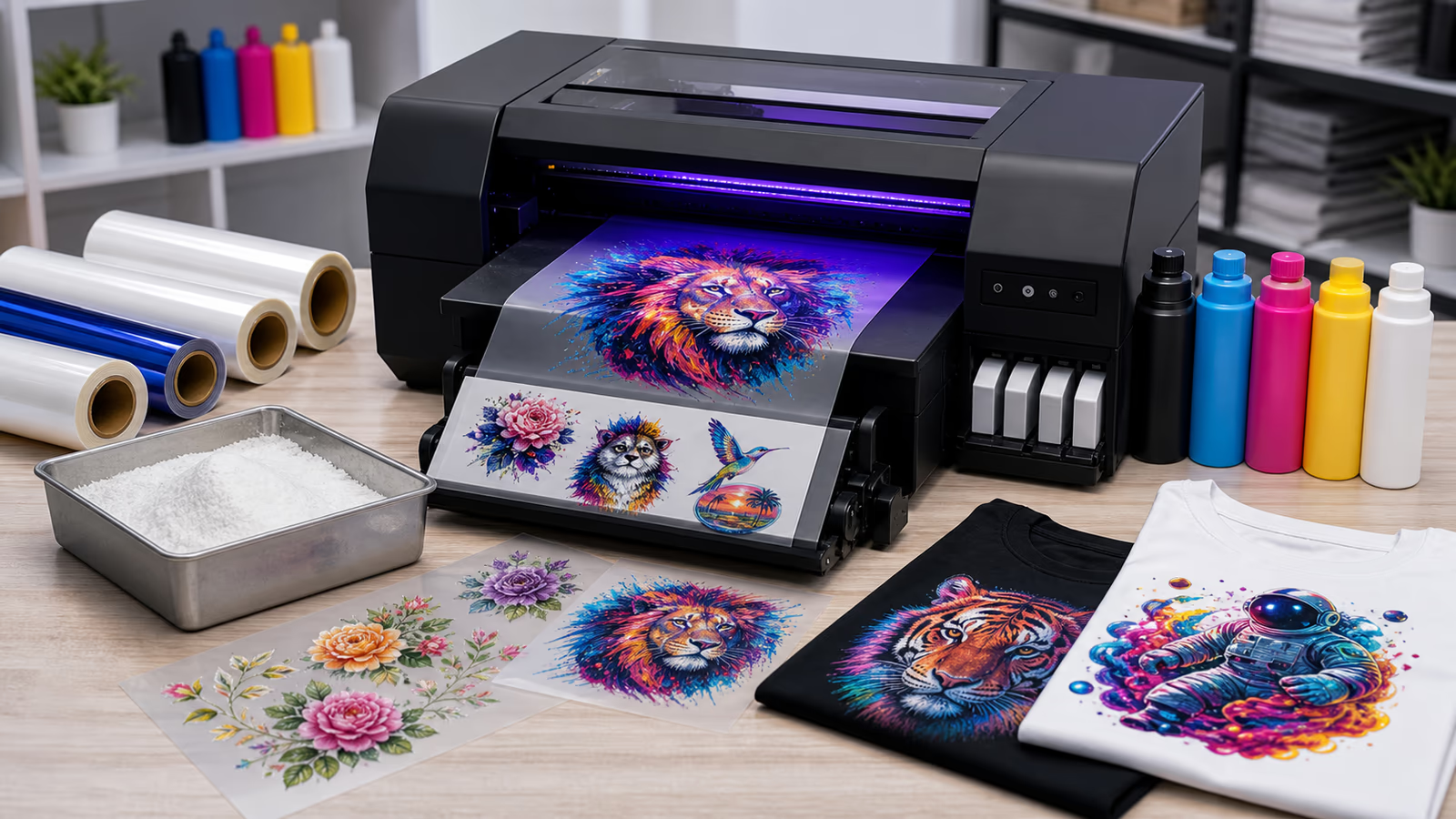
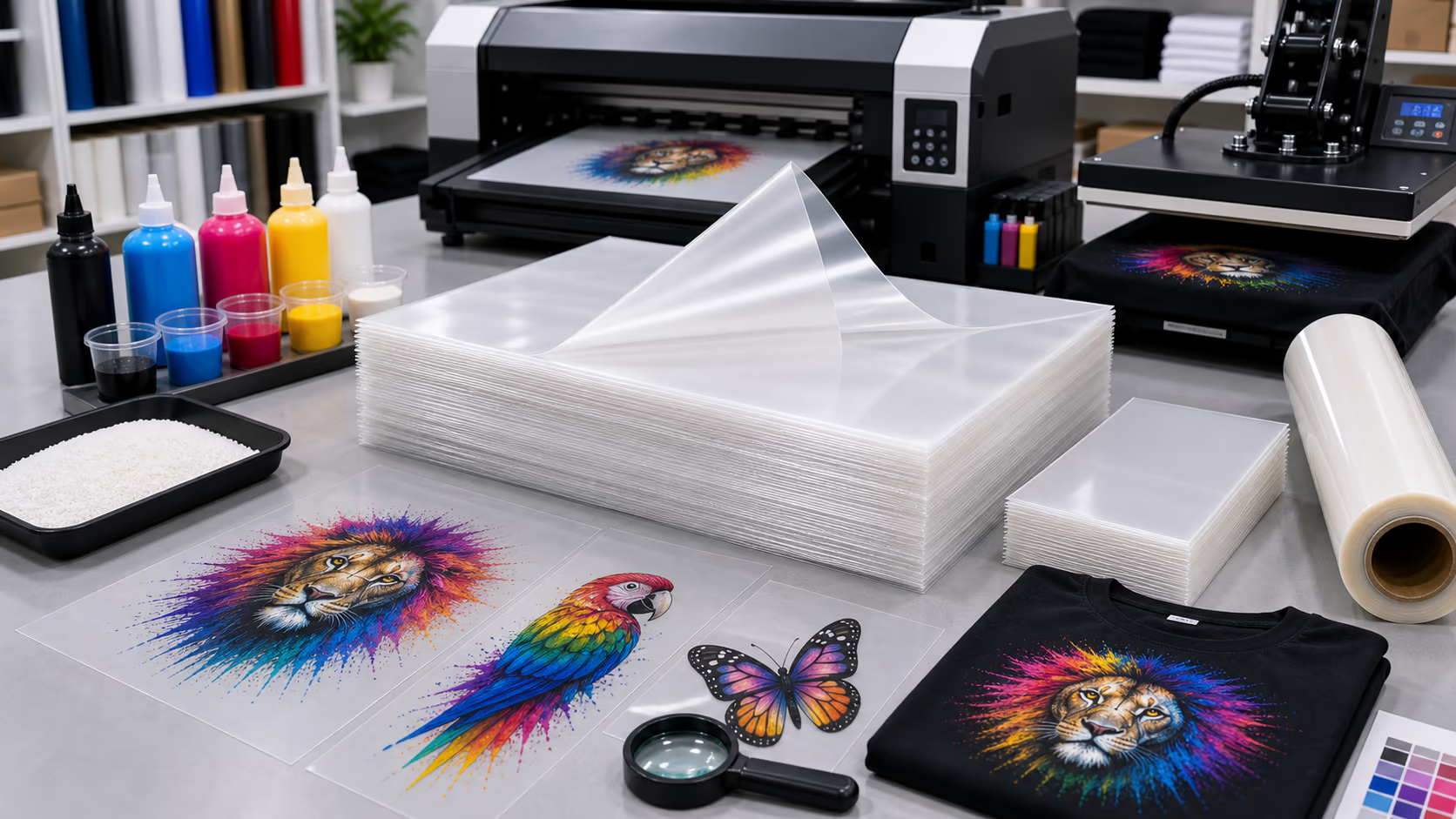
Unlike traditional printing techniques where the design is printed directly onto the garment, DTF involves printing the design on a specialized film first. This film, once printed, is then transferred to the apparel using heat and pressure, making the design a part of the fabric itself.

Benefits of DTF Printing:

  1. Vibrant and Detailed Designs: DTF allows for high-resolution printing, ensuring that even the most intricate designs come out sharp and clear. The range of colors available ensures designs are vivid and true to the original vision.
  2. Versatility: One of the biggest advantages of DTF is its compatibility with a wide range of fabrics, from cotton to synthetics. Whether it’s t-shirts, hoodies, or even socks, DTF can handle it all.
  3. Durability: The DTF printing process ensures that designs are not just superficially added to the surface. Once transferred, the designs are there to stay, resisting fading, cracking, or peeling.
  4. Eco-friendly: Modern DTF inks are often water-based, making them more environmentally friendly than some traditional inks used in garment decoration.
  5. Quick Turnaround: As there’s no need for screens or setups as in screen printing, DTF allows for quicker production, especially for short runs or one-offs.

How Does DTF Printing Compare to Other Methods?

DTF vs. Screen Printing: While screen printing is known for its durability and ability to produce large volumes cost-effectively, it’s not ideal for designs with a lot of colors or details. Each color requires a different screen, complicating the process. DTF, on the other hand, can handle multiple colors and details in one go.

DTF vs. Direct to Garment (DTG): Both are digital printing methods, but while DTG prints directly onto the garment, DTF prints on a film first. DTG can struggle with some fabric types, especially dark-colored garments, whereas DTF excels with its versatility.

DTF vs. Heat Transfer: Both involve applying designs using heat and pressure, but heat transfers often come with a noticeable background or border, whereas DTF integrates seamlessly into the fabric.

Is DTF Right for Your Project?

While DTF offers numerous benefits, it might not always be the best fit for every project. It excels in producing short to medium runs with high-detail, multi-colored designs. However, for bulk orders where the design is simple and uses limited colors, screen printing might still be more cost-effective.

Conclusion

Direct to Film shirt printing is revolutionizing the apparel decoration industry. With its ability to produce detailed, vibrant designs on various fabric types, it’s a game-changer for designers and businesses looking to make an impact. As with any technology, it’s crucial to understand its strengths and limitations to make the most of its potential.
{:}{:es}

“Impresión de camisetas directa a película (DTF): el futuro de la decoración de prendas de vestir” -MAXDTF- Papel AB de transferencia UV DTF de China, venta al por mayor de película UV DTF, fabricado en China

La industria textil y de la confección ha sido testigo de una serie de avances tecnológicos en las últimas décadas. Una de las evoluciones más notables de los últimos tiempos es la impresión de camisetas Direct to Film (DTF). Este método ha cambiado la forma en que las empresas y los diseñadores abordan la decoración de prendas de vestir, ofreciendo ventajas únicas y ampliando horizontes creativos.

¿Qué es la impresión de camisetas directa a película (DTF)?

A diferencia de las técnicas de impresión tradicionales en las que el diseño se imprime directamente sobre la prenda, DTF implica imprimir primero el diseño en una película especializada. Esta película, una vez impresa, se transfiere a la prenda mediante calor y presión, haciendo que el diseño forme parte de la propia tela.

Beneficios de la impresión DTF

Diseños vibrantes y detallados: DTF permite la impresión de alta resolución, lo que garantiza que incluso los diseños más complejos salgan nítidos y claros. La gama de colores disponibles garantiza que los diseños sean vívidos y fieles a la visión original.

Versatilidad: Una de las mayores ventajas de DTF es su compatibilidad con una amplia gama de tejidos, desde algodón hasta sintéticos. Ya sean camisetas, sudaderas con capucha o incluso calcetines, DTF puede manejarlo todo.

Durabilidad: El proceso de impresión DTF garantiza que los diseños no se agreguen sólo superficialmente a la superficie. Una vez transferidos, los diseños están ahí para quedarse, resistiendo la decoloración, el agrietamiento o el pelado.

Respetuoso con el medio ambiente: las tintas DTF modernas suelen tener una base de agua, lo que las hace más respetuosas con el medio ambiente que algunas tintas tradicionales utilizadas en la decoración de prendas.

Entrega rápida: como no hay necesidad de pantallas o configuraciones como en la serigrafía, DTF permite una producción más rápida, especialmente para tiradas cortas o piezas únicas.

¿Cómo se compara la impresión DTF con otros métodos?

DTF versus serigrafía: si bien la serigrafía es conocida por su durabilidad y capacidad para producir grandes volúmenes de manera rentable, no es ideal para diseños con muchos colores o detalles. Cada color requiere una pantalla diferente, lo que complica el proceso. DTF, por otro lado, puede manejar múltiples colores y detalles de una sola vez.

DTF frente a Directo a la prenda (DTG): ambos son métodos de impresión digital, pero mientras DTG imprime directamente sobre la prenda, DTF imprime primero en una película. DTG puede tener problemas con algunos tipos de telas, especialmente prendas de colores oscuros, mientras que DTF sobresale por su versatilidad.

DTF versus transferencia de calor: Ambos implican la aplicación de diseños usando calor y presión, pero las transferencias de calor a menudo vienen con un fondo o borde notable, mientras que DTF se integra perfectamente en la tela.

¿Es DTF adecuado para su proyecto?

Si bien DTF ofrece numerosos beneficios, es posible que no siempre sea la mejor opción para cada proyecto. Destaca en la producción de tiradas cortas y medianas con diseños multicolores con mucho detalle. Sin embargo, para pedidos al por mayor donde el diseño es simple y utiliza colores limitados, la serigrafía aún puede ser más rentable.

Conclusión

La impresión de camisetas Direct to Film está revolucionando la industria de la decoración de prendas de vestir. Con su capacidad para producir diseños vibrantes y detallados en varios tipos de telas, es un punto de inflexión para los diseñadores y empresas que buscan generar un impacto. Como ocurre con cualquier tecnología, es fundamental comprender sus fortalezas y limitaciones para aprovechar al máximo su potencial.

{:}{:ru}

«Печать на рубашках с прямой пленкой (DTF): будущее украшения одежды» -MAXDTF- Китай УФ-переносная бумага DTF AB, УФ-пленка DTF оптом, сделано в Китае

За последние несколько десятилетий в текстильной и швейной промышленности произошло множество технологических достижений. Одним из наиболее заметных нововведений за последнее время стала печать на рубашках Direct to Film (DTF). Этот метод изменил подход предприятий и дизайнеров к декорированию одежды, предлагая уникальные преимущества и расширяя творческие горизонты.

Что такое прямая пленочная печать на рубашках (DTF)?

В отличие от традиционных методов печати, при которых рисунок печатается непосредственно на одежде, DTF предполагает сначала печать рисунка на специальной пленке. Эта пленка после печати переносится на одежду с помощью тепла и давления, делая рисунок частью самой ткани.

Преимущества печати DTF:

Яркий и детализированный дизайн: DTF позволяет печатать с высоким разрешением, гарантируя, что даже самые сложные дизайны будут четкими и четкими. Доступная цветовая гамма гарантирует яркость дизайна и его оригинальное видение.

Универсальность. Одним из самых больших преимуществ DTF является его совместимость с широким спектром тканей, от хлопка до синтетики. Будь то футболки, толстовки или даже носки, DTF справится со всем этим.

Долговечность: процесс печати DTF гарантирует, что дизайн не будет просто нанесен на поверхность поверхностно. После переноса рисунки остаются на месте, не выцветая, не растрескиваясь и не отслаиваясь.

Экологичность: современные чернила DTF часто изготавливаются на водной основе, что делает их более экологически чистыми, чем некоторые традиционные чернила, используемые для украшения одежды.

Быстрый цикл обработки: поскольку нет необходимости в трафаретах или настройках, как при трафаретной печати, DTF позволяет ускорить производство, особенно для коротких тиражей или единичных экземпляров.

Чем печать DTF отличается от других методов?

DTF против трафаретной печати. Хотя трафаретная печать известна своей долговечностью и способностью экономично производить большие объемы, она не идеальна для дизайнов с большим количеством цветов или деталей. Для каждого цвета требуется отдельный экран, что усложняет процесс. DTF, с другой стороны, может обрабатывать несколько цветов и деталей за один раз.

DTF против прямой печати на одежде (DTG): оба метода цифровой печати, но в то время как DTG печатает непосредственно на одежде, DTF сначала печатается на пленке. DTG плохо справляется с некоторыми типами тканей, особенно с одеждой темных цветов, тогда как DTF отличается своей универсальностью.

DTF против теплопередачи: оба метода подразумевают нанесение рисунков с использованием тепла и давления, но теплопередача часто сопровождается заметным фоном или границей, тогда как DTF легко интегрируется в ткань.

Подходит ли DTF для вашего проекта?

Хотя DTF предлагает множество преимуществ, он не всегда подходит для каждого проекта. Он превосходно справляется с производством небольших и средних тиражей с высокодетализированным разноцветным дизайном. Однако для оптовых заказов, где дизайн прост и используется ограниченное количество цветов, трафаретная печать может оказаться более рентабельной.

Заключение

Прямая пленочная печать на рубашках произвела революцию в индустрии украшения одежды. Благодаря способности создавать детальные, яркие дизайны на различных типах тканей, это меняет правила игры для дизайнеров и предприятий, стремящихся оказать влияние. Как и в случае с любой технологией, очень важно понимать ее сильные и слабые стороны, чтобы максимально использовать ее потенциал.

{:}

Similar Posts