“Can you overlay DTF transmission? Deep Dive” -MAXDTF- UV DTF Printing Film Factory, Wholesale UV Transfer Film Stickers, Made in China
Digital Textile Printing (DTF) has become a game-changer in the textile industry, offering flexibility, high-quality prints, and a wide range of design possibilities. One of the key advantages of DTF printing is its ability to produce intricate, vibrant designs directly onto fabrics. However, one question that often arises is whether you can overlay DTF transmission—a technique that involves layering multiple prints to create multi-dimensional effects. In this article, we will explore the concept of overlaying DTF transmission, its feasibility, and how to achieve the best results.
What is DTF Transmission?
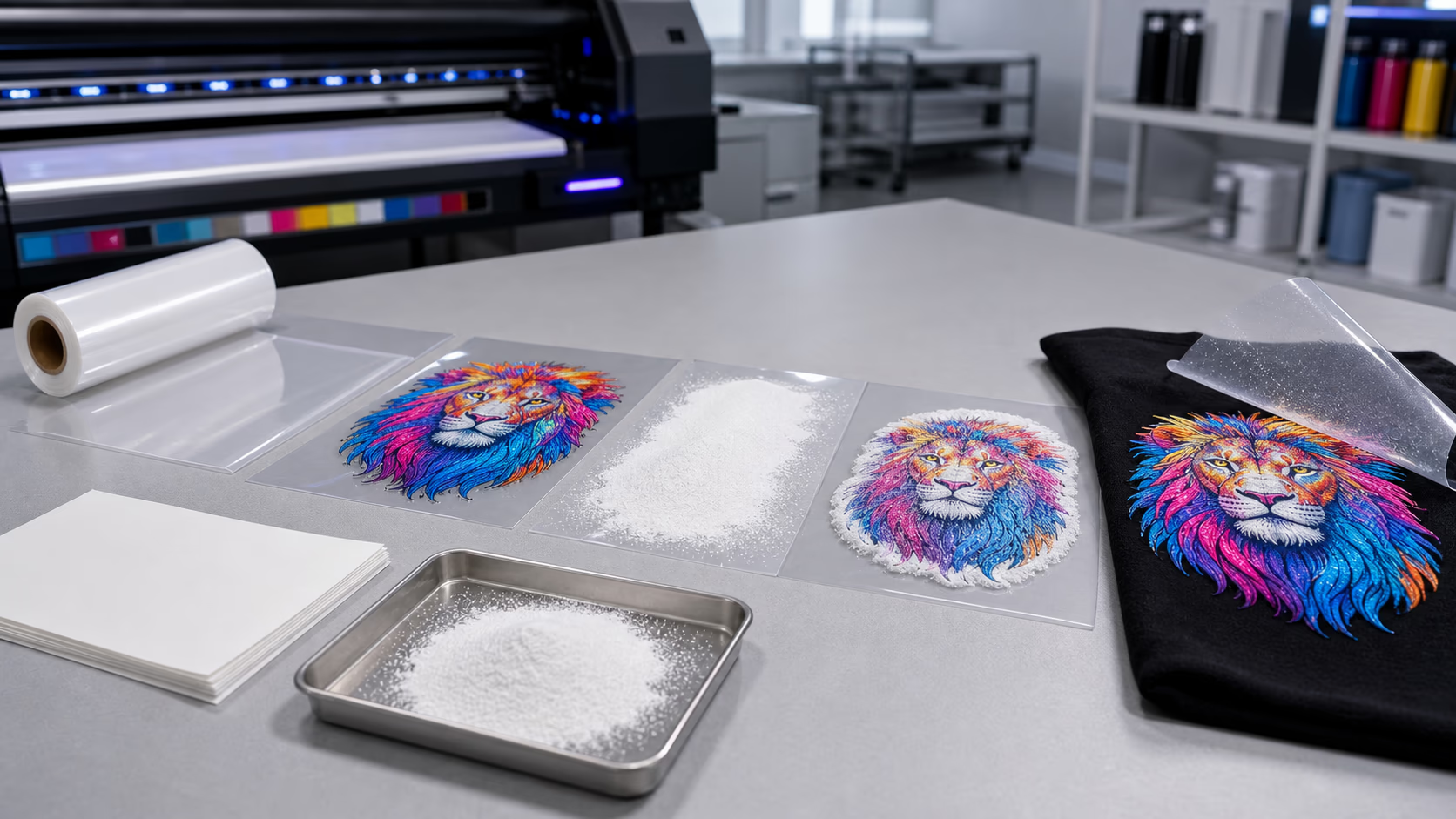
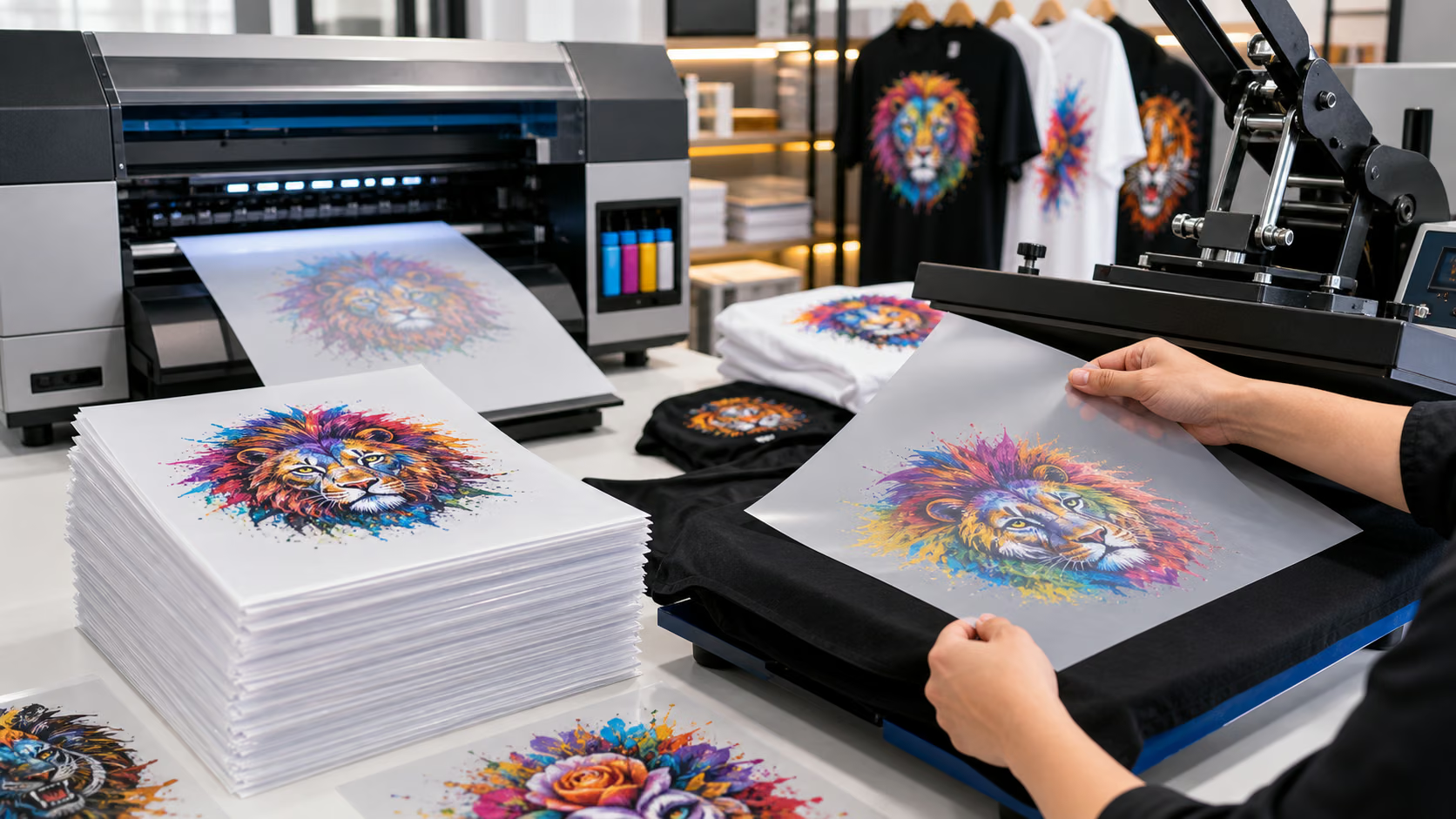
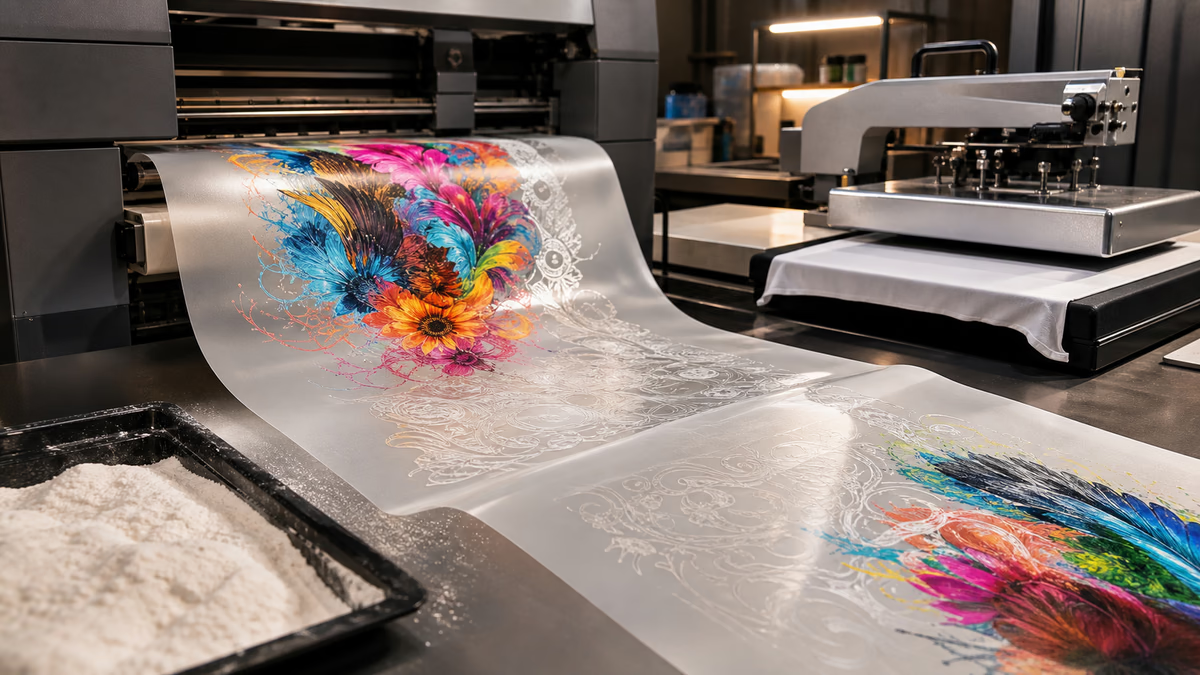
Before diving into overlays, it’s essential to understand what DTF transmission is. DTF transmission refers to the process of transferring a printed design from an A4 DTF film onto a fabric using heat and adhesive powder. This technique allows for vibrant, durable prints that can withstand washing and wear, making it ideal for various applications, including apparel, home decor, and promotional items.
The Concept of Overlaying in DTF
Overlaying refers to the process of applying multiple layers of printed designs onto fabric to create a more complex or multi-dimensional effect. This technique is common in traditional screen printing and digital printing, where multiple screens or printheads are used to layer different colors or designs. The goal is to achieve a richer, more detailed look that can’t be achieved with a single print.
Can You Overlay DTF Transmission?
The short answer is: Yes, you can overlay DTF transmission, but it requires careful planning and execution to achieve the desired results. Overlaying DTF transmission involves printing multiple designs onto separate A4 DTF films, applying adhesive powder to each, and then transferring them sequentially onto the fabric. Each layer adds depth, texture, or additional colors to the final print.
Challenges of Overlaying DTF Transmission
While it’s possible to overlay DTF transmission, it comes with its own set of challenges:
- Adhesion Issues: Ensuring that each layer adheres properly to the fabric without affecting the previous layers can be tricky. If the adhesive powder isn’t evenly applied or if the heat press settings aren’t precise, the layers may peel or not bond correctly.
- Color Blending: Overlaying multiple layers can sometimes result in unexpected color blending or mixing, which may not match the intended design. Proper color separation and planning are essential to avoid this issue.
- Time and Precision: Overlaying requires more time and precision than single-layer DTF printing. Each layer must be printed, powdered, and transferred individually, which can be labor-intensive.
- Equipment Requirements: Overlaying may require a more advanced heat press or specialized equipment to handle the sequential pressing process effectively.
Tips for Successful DTF Overlay Transmissions
To achieve successful overlay DTF transmissions, follow these tips:
- Plan Your Design: Carefully plan your design to ensure that each layer complements the others. Use design software to separate the layers and anticipate any potential color blending issues.
- Test Your Settings: Before starting a large batch, perform test prints to determine the optimal heat press settings and adhesive powder application for each layer. This will help you achieve consistent results.
- Use High-Quality Materials: Invest in high-quality A4 DTF films, inks, and adhesive powder to ensure that each layer adheres properly and maintains its vibrancy.
- Allow for Curing Time: After transferring each layer, allow the fabric to cool and cure before applying the next layer. This ensures that each layer bonds properly without affecting the previous one.
- Experiment with Layers: Start with a small number of layers to understand the process before attempting complex, multi-layer designs. Gradually increase the number of layers as you gain confidence and experience.
Applications of Overlaid DTF Transmission
Overlaid DTF transmission opens up a world of creative possibilities for textile printing. Some potential applications include:
- Custom Apparel: Create unique, multi-dimensional designs for t-shirts, hoodies, and other garments.
- Home Decor: Add depth and texture to curtains, pillows, and other textiles.
- Promotional Items: Use overlaid DTF transmission to create eye-catching designs for bags, hats, and promotional products.
Conclusion
Overlaying DTF transmission is a technique that can add depth, texture, and complexity to your printed designs, but it requires careful planning, precision, and the right materials. While it comes with its own set of challenges, mastering this technique can unlock new creative possibilities and elevate your textile printing projects. With the right approach, overlaid DTF transmission can produce stunning, high-quality prints that stand out in every application.