“Exploring the World of Direct-to-Film Printers: Bridging Digital and Analog” -MAXDTF- UV DTF Adhesive Transfer Film Wholesale, China UV Magic Paper, Made in China
In the evolving landscape of printing technology, the divide between digital design and analog (physical) production has long been a challenge for creators and businesses alike. Digital tools offer unparalleled flexibility and precision in design, while analog printing ensures tangible, high-quality outputs that resonate with end-users. Enter Direct-to-Film (DTF) printers—a revolutionary solution that seamlessly bridges these two worlds. By translating digital designs directly onto specialized films, which are then transferred to a wide range of substrates, DTF printers have redefined the possibilities of custom printing. This article delves into the world of DTF printers, exploring their technology, types, advantages, and the transformative role they play in uniting digital creativity with analog production.
Understanding DTF Printers: The Core of Digital-Analog Bridging
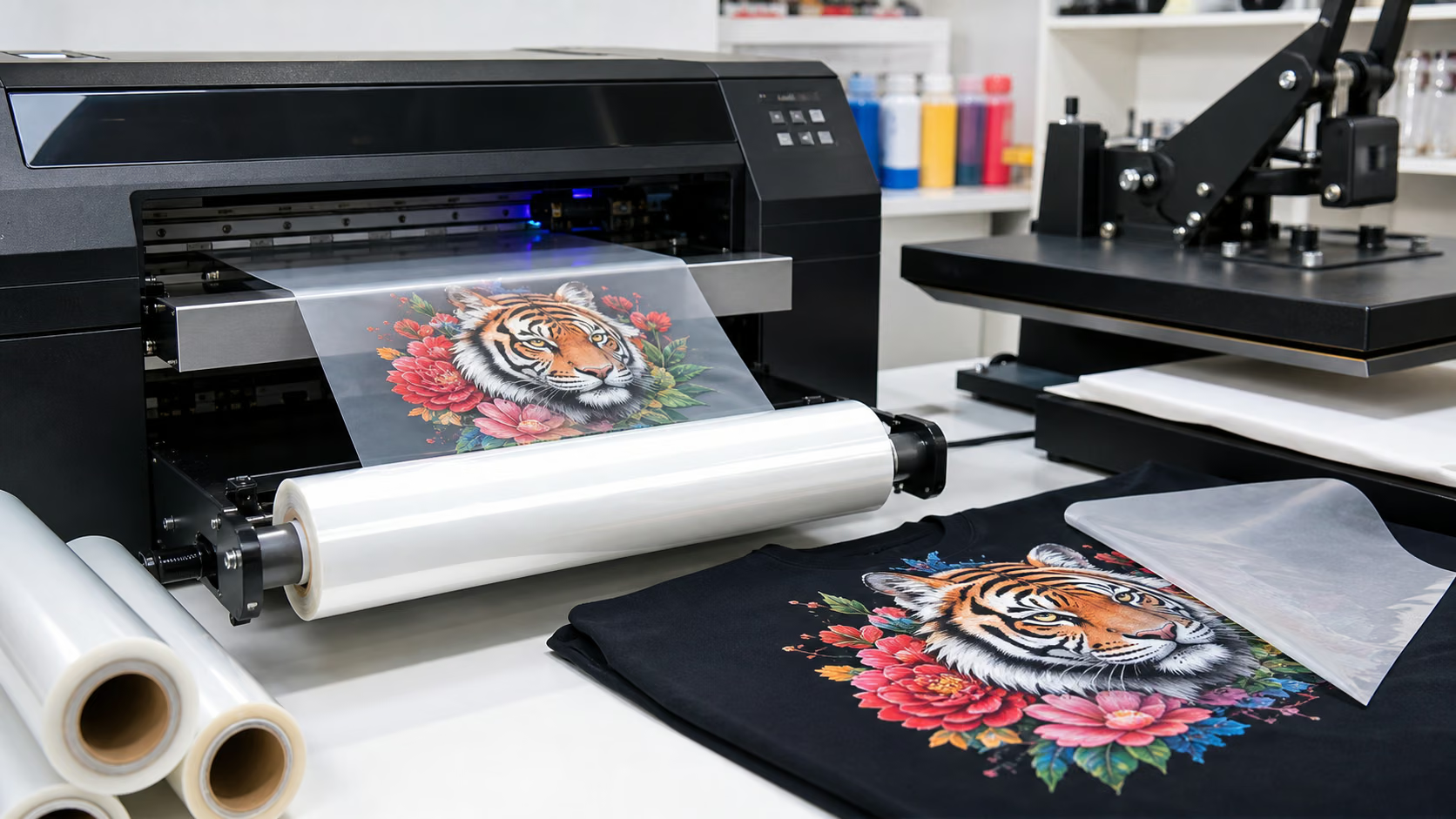
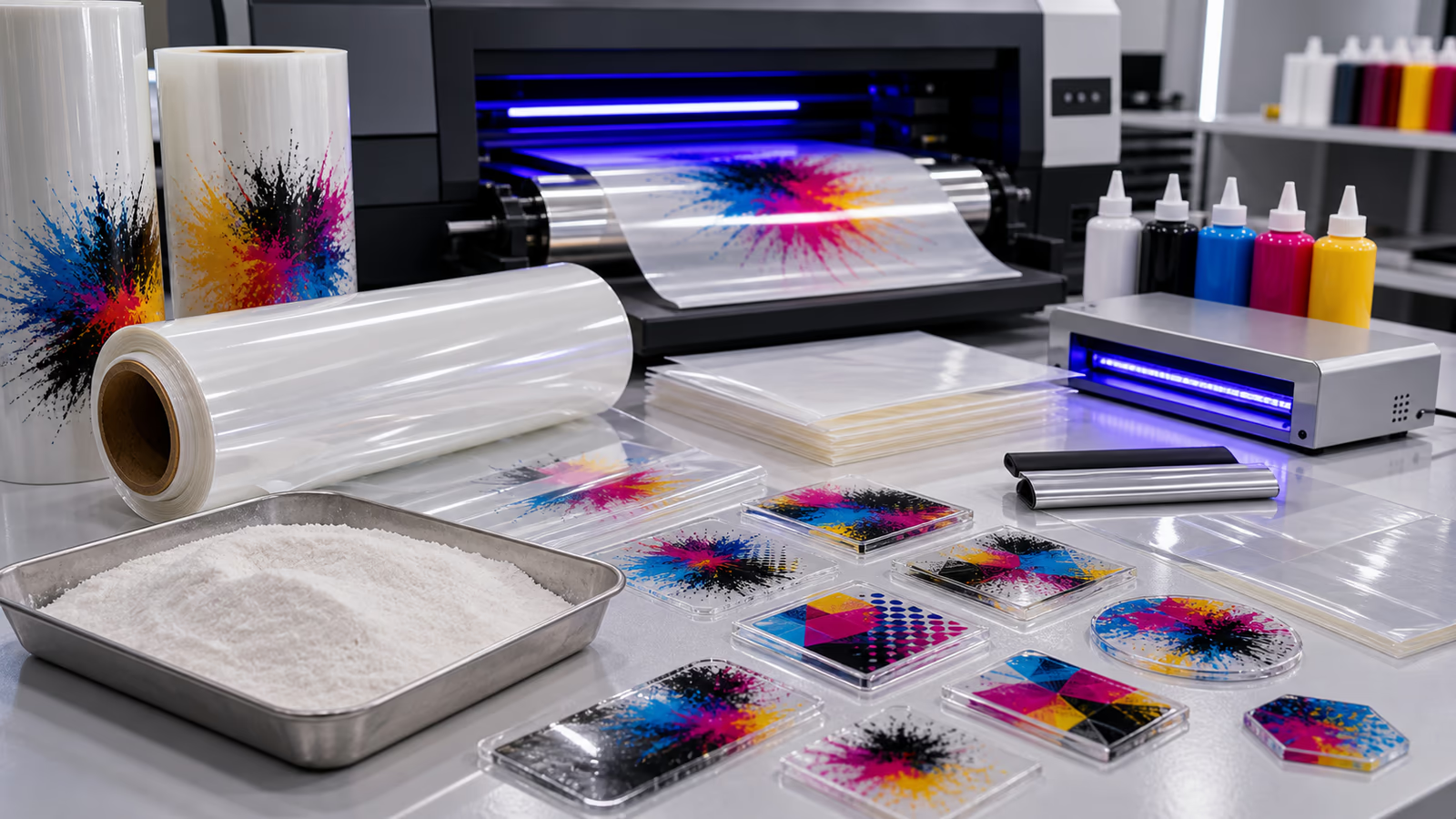
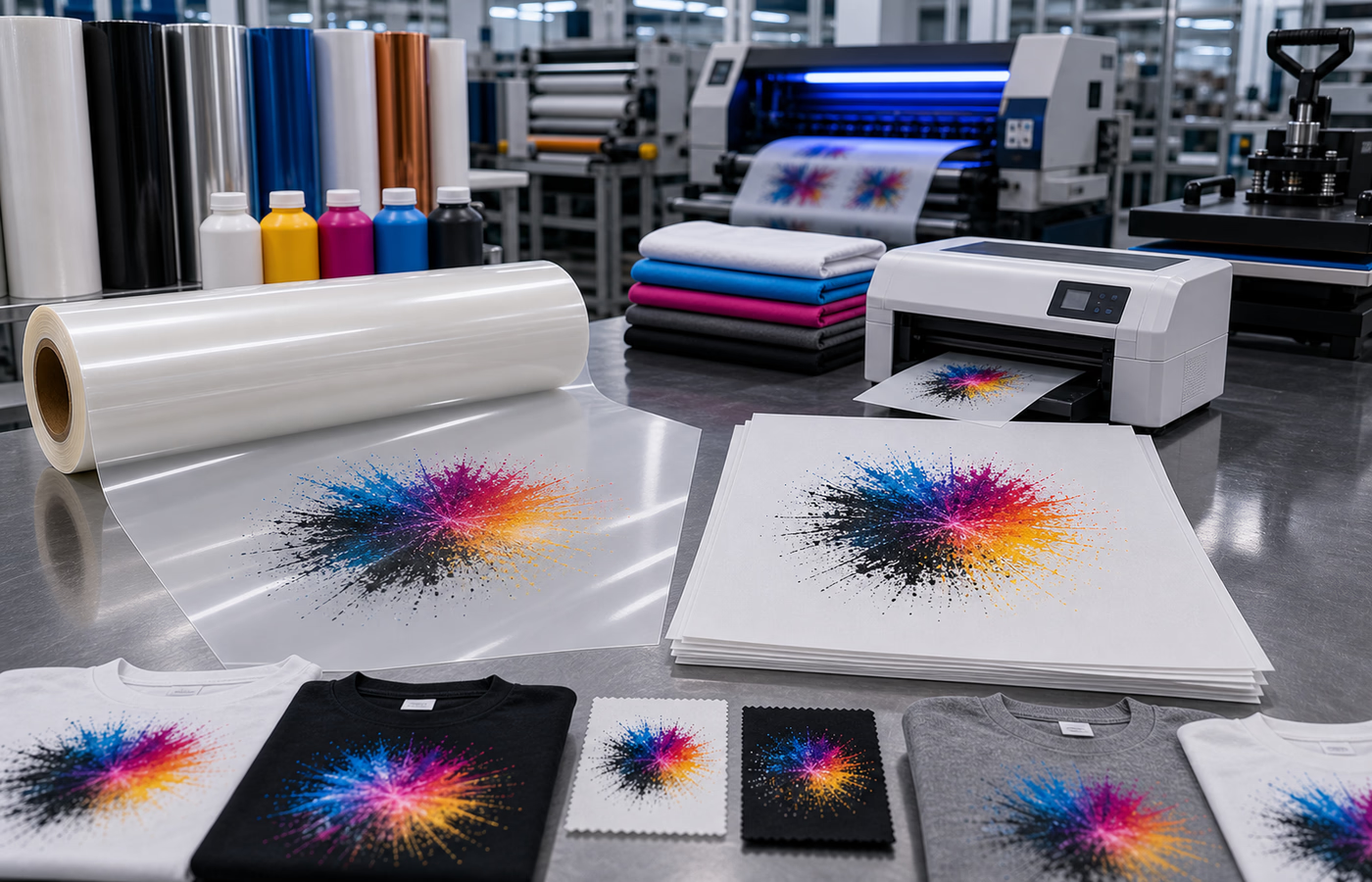
At its essence, a DTF printer is a specialized digital printing device designed to deposit ink onto DTF transfer film—a thin, heat-resistant material with an ink-receptive coating. Unlike traditional analog printing methods (e.g., screen printing) that require physical stencils or plates, DTF printers leverage digital files (e.g., PNG, JPG, SVG) to guide ink deposition, enabling on-demand, customizable printing. The magic of DTF technology lies in its subsequent transfer process: after printing, the film is coated with adhesive powder, cured, and then heat-pressed onto the target substrate (most commonly textiles, but also leather, wood, and plastic). This two-step workflow—digital printing on film, followed by analog heat transfer—creates a seamless link between digital design and physical output, eliminating the barriers that once separated these two domains.
How DTF Printers Work: The Technology Behind the Bridge
To fully grasp how DTF printers bridge digital and analog, it’s essential to break down their core technology and workflow. The process combines digital precision with analog material interaction, ensuring that every digital detail is faithfully replicated in the physical print.
1. Digital Design Preparation
The journey begins in the digital realm, where designers create or refine artwork using software like Adobe Photoshop, Illustrator, or CorelDRAW. DTF printers accept high-resolution digital files, allowing for intricate details, full-color gradients, and photorealistic images—capabilities that far exceed traditional analog printing methods. This digital foundation ensures that creators can iterate quickly, customize designs for individual clients, and avoid the setup costs associated with analog stencil creation.
2. Digital Ink Deposition on DTF Film
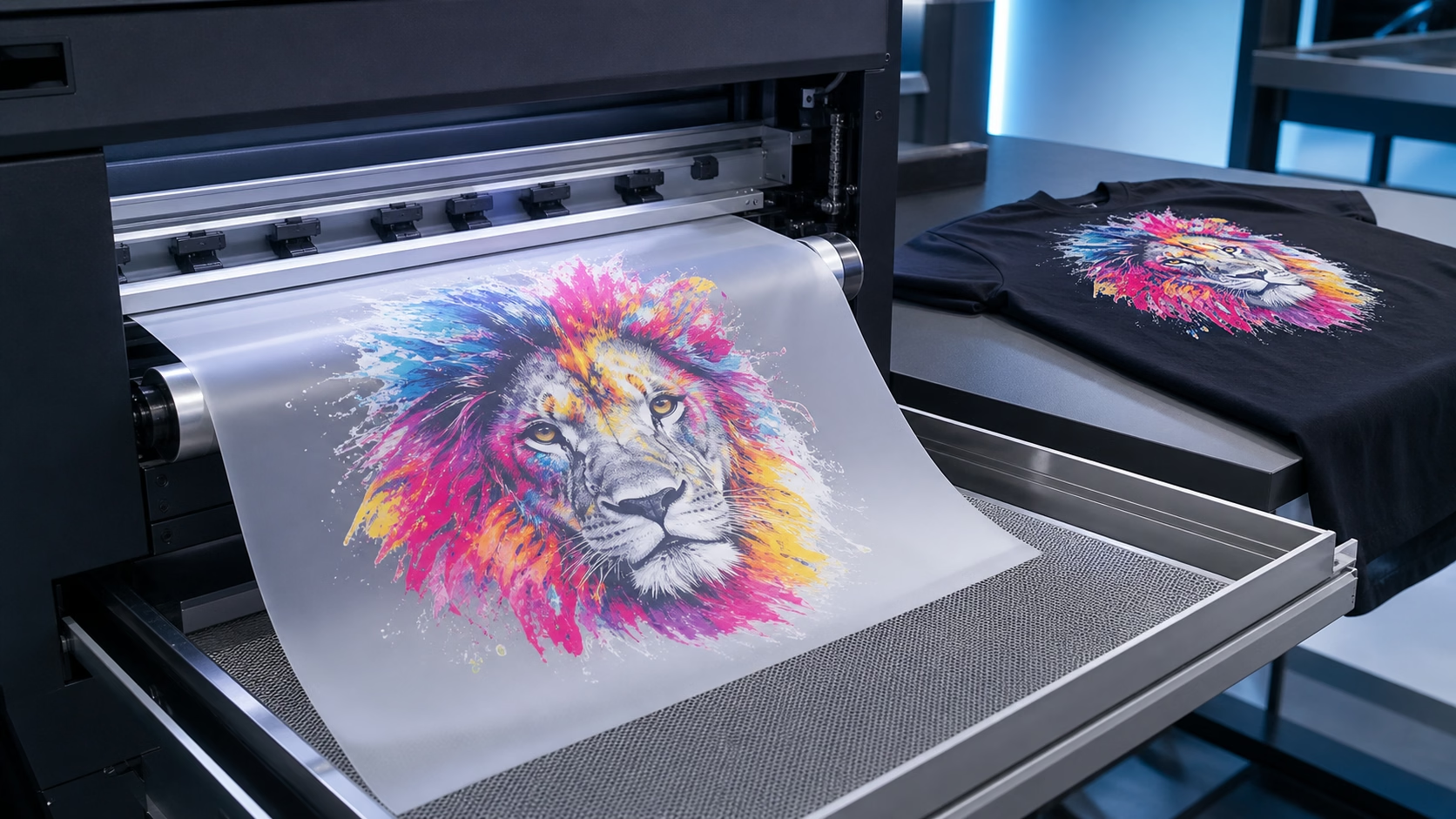
Once the digital design is finalized, the DTF printer takes over. Equipped with piezoelectric print heads (the gold standard for precision), the printer ejects tiny droplets of DTF ink onto the ink-receptive coating of the DTF film. Piezoelectric technology ensures consistent ink placement, sharp edges, and vibrant color reproduction—critical for translating digital details into physical form. Unlike inkjet printers designed for paper, DTF printers use specialized water-based or solvent-based DTF inks that bond with the film’s coating and adhere to the adhesive powder in the next step.
3. Analog Adhesive Application and Curing
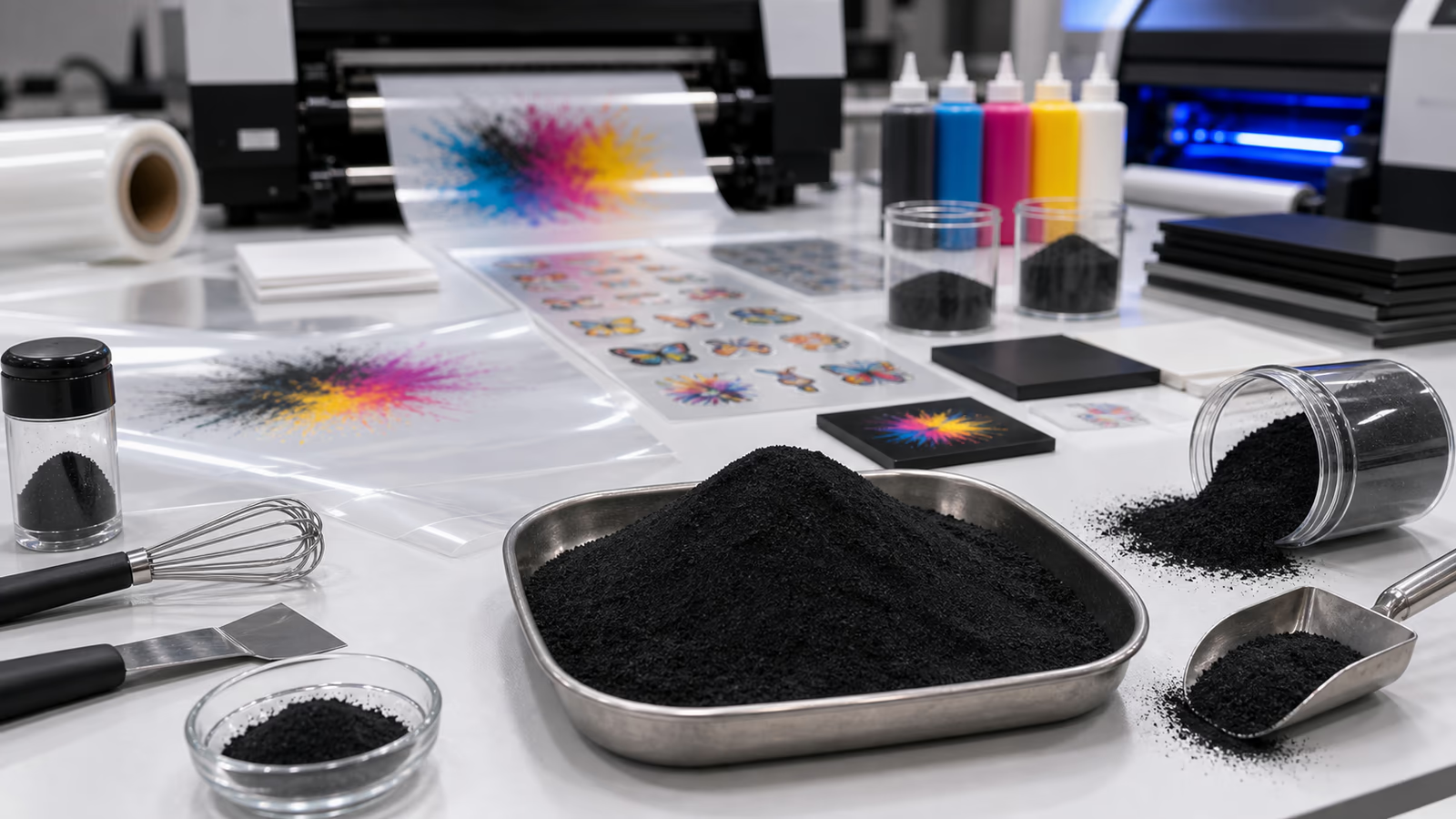
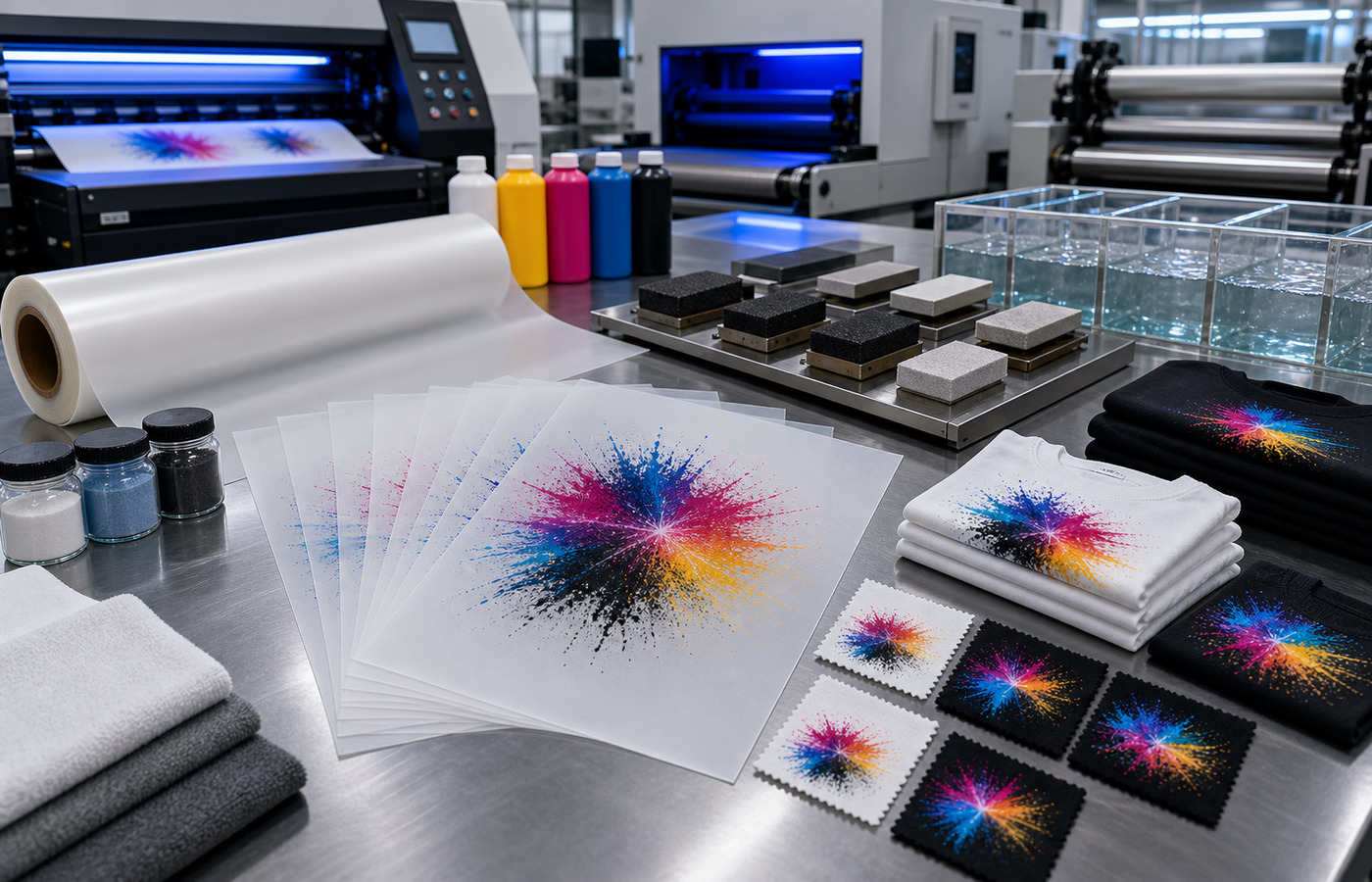
After printing, the process shifts to analog material handling. While the ink is still wet, the printed film passes through a powder shaker, which applies a thin, uniform layer of DTF adhesive powder. The powder adheres only to the inked areas (thanks to the film’s coating), and excess powder is recycled—reducing waste and enhancing efficiency. The film is then cured in an oven or under a heat lamp, a process that melts the adhesive powder and fuses it with the ink layer, creating a single, cohesive print layer on the film. This analog step is crucial for ensuring the print bonds securely to the substrate during transfer.
4. Analog Heat Transfer to Substrate
The final step completes the digital-analog bridge: heat pressing the cured film onto the substrate. Using a heat press (an analog tool that applies controlled heat and pressure), the film is placed onto the target material (e.g., a cotton t-shirt, leather bag, or wooden sign) with the printed/adhesive layer facing down. The heat activates the adhesive, bonding the print layer to the substrate. Once cooled, the film’s PET base is peeled away, leaving the digital design as a tangible, durable print on the analog substrate. This step ensures that the digital design becomes a physical product that can be touched, worn, or displayed.
Types of DTF Printers: Catering to Diverse Digital-Analog Needs
DTF printers come in various configurations, each tailored to different production scales, budgets, and application requirements. From compact desktop models for small-scale creators to industrial-grade machines for large businesses, these printers ensure that the digital-analog bridge is accessible to all.
1. Desktop DTF Printers: Democratizing Digital-Analog Printing
Desktop DTF printers are compact, affordable models designed for hobbyists, small businesses, and on-demand creators. Typically modified inkjet printers retrofitted with DTF-compatible print heads and ink systems, these machines are ideal for small-batch production (1–50 pieces). They offer a low barrier to entry for those looking to translate digital designs into physical products without investing in expensive industrial equipment. Desktop DTF printers excel at custom apparel, personalized gifts, and niche art prints, making the digital-analog bridge accessible to grassroots creators.
2. Industrial DTF Printers: Scaling the Digital-Analog Connection
Industrial DTF printers are heavy-duty machines built for high-volume, commercial production. Equipped with multiple print heads, large-format film handling capabilities, and integrated curing systems, these printers can produce hundreds or thousands of prints per day while maintaining consistent quality. They are designed to handle the demands of large businesses, such as apparel manufacturers, promotional product companies, and print shops. Industrial DTF printers scale the digital-analog bridge, allowing businesses to mass-produce customized products efficiently—something that was once impossible with traditional analog methods.
3. Hybrid DTF Printers: Expanding the Digital-Analog Scope
Hybrid DTF printers combine DTF technology with other printing capabilities (e.g., Direct-to-Garment (DTG) or UV printing), further expanding the range of digital-analog applications. These versatile machines allow users to print directly onto fabrics (DTG) or rigid substrates (UV) in addition to DTF film, making them ideal for businesses that need to cater to diverse customer needs. Hybrid DTF printers represent the next evolution in digital-analog bridging, offering even more flexibility in translating digital designs into physical products.
The Core Advantage: How DTF Printers Bridge Digital and Analog Seamlessly
DTF printers’ ability to bridge digital and analog is rooted in their unique advantages, which address the limitations of both digital and traditional analog printing methods. These advantages make them a game-changer for creators and businesses seeking to unify their digital design and physical production workflows.
1. Digital Flexibility Meets Analog Versatility
DTF printers inherit the flexibility of digital printing: they can handle any digital design, from simple logos to complex, full-color artwork, without the need for stencils or setup changes. At the same time, they offer the versatility of analog printing, as the transferred prints adhere to a wide range of substrates—textiles (cotton, polyester, blends), leather, wood, plastic, and more. This combination allows creators to use digital tools to design for virtually any physical product, breaking down the silos between digital and analog.
2. High Digital Precision with Analog Durability
Digital designs are known for their precision, but translating that precision into durable physical prints has long been a challenge. DTF printers solve this by ensuring that every digital detail is replicated with sharpness and accuracy, while the adhesive powder and heat transfer process create prints that are highly durable—resistant to washing, fading, and abrasion. This means digital designs retain their integrity in the analog world, making DTF prints suitable for everyday use (e.g., apparel, bags) and long-term display (e.g., signage, art).
3. On-Demand Digital Production with Analog Cost-Efficiency
Traditional analog printing methods (e.g., screen printing) are cost-effective for large batches but impractical for small runs or custom orders due to high setup costs. Digital printing (e.g., DTG) is ideal for small batches but limited in substrate compatibility. DTF printers combine the best of both: they enable on-demand, custom digital production (no setup costs for small runs) while remaining cost-efficient for larger batches. This makes the digital-analog bridge accessible to businesses of all sizes, from small startups to large manufacturers.
The Impact of DTF Printers: Transforming Industries by Bridging Digital and Analog
DTF printers have had a profound impact on various industries, revolutionizing how digital creativity is translated into physical products. By bridging the digital-analog divide, they have opened up new opportunities for innovation and growth.
1. Apparel and Fashion Industry
In the apparel industry, DTF printers have democratized custom clothing production. Designers can now create digital designs and transfer them to any fabric (cotton, polyester, spandex) with ease, enabling small-batch, on-demand production of unique streetwear, athletic wear, and loungewear. This has reduced the barrier to entry for independent designers and allowed large brands to offer personalized products without the high costs of traditional analog methods.
2. Promotional Products and Branding
For promotional product companies, DTF printers have expanded the range of customizable items. Brands can now print their logos (digital designs) onto tote bags, caps, water bottles, and other promotional items (analog products) with vibrant, durable results. This has made branding more flexible and impactful, as businesses can tailor their promotional materials to specific events or audiences.
3. Art and Custom Artistry
Artists and creators have embraced DTF printers as a new medium for expressing their digital art in the analog world. They can print their digital artwork onto non-traditional substrates (e.g., canvas, wood, resin) and create one-of-a-kind pieces that combine digital precision with physical texture. This has expanded the boundaries of digital art, allowing artists to reach new audiences with tangible, collectible works.
The Future of DTF Printers: Strengthening the Digital-Analog Bridge
As technology continues to evolve, DTF printers are poised to become even more advanced, further strengthening the bridge between digital and analog. Future innovations may include faster print speeds, enhanced ink efficiency, and integration with smart technologies (e.g., AI-driven color calibration, real-time workflow monitoring). Additionally, the development of eco-friendly inks and films will make DTF printing more sustainable, aligning digital creativity with environmental responsibility.
Another emerging trend is the integration of DTF technology with 3D printing, which could enable the creation of textured, three-dimensional prints from digital designs. This would take the digital-analog bridge to new heights, allowing creators to translate complex digital models into physical products with unprecedented detail and depth.
Conclusion: DTF Printers as the Ultimate Digital-Analog Connector
Direct-to-Film printers are more than just printing devices—they are the ultimate bridge between the digital and analog worlds. By combining the flexibility and precision of digital design with the tangibility and durability of analog printing, DTF printers have transformed how creators and businesses bring their ideas to life. From desktop models that empower hobbyists to industrial machines that scale production, DTF technology is accessible to all, democratizing the process of translating digital creativity into physical products.
As the world continues to embrace both digital innovation and analog experiences, DTF printers will remain at the forefront, strengthening the connection between these two domains. Whether in apparel, branding, art, or beyond, DTF printers are redefining what’s possible, proving that the future of printing lies in bridging—not separating—digital and analog.