“Mastering the Art of UV DTF Printing: A Comprehensive Guide on How to Use UV DTF Powder” -MAXDTF- UV DTF PET Paper Manufacturer, China Direct Transfer UV DTF Film, Made in China
In the ever-evolving world of digital printing, UV DTF (Drop on Demand Film) printing has emerged as a game-changer for textile and garment customization. Combining the precision of digital printing with the versatility of transfer technology, UV DTF printing offers unparalleled quality and flexibility. At the heart of this innovative process lies a crucial component: UV DTF powder. This guide will explore the intricacies of UV DTF printing and provide a comprehensive understanding of how to effectively use UV DTF powder to achieve exceptional results.
Understanding UV DTF Printing
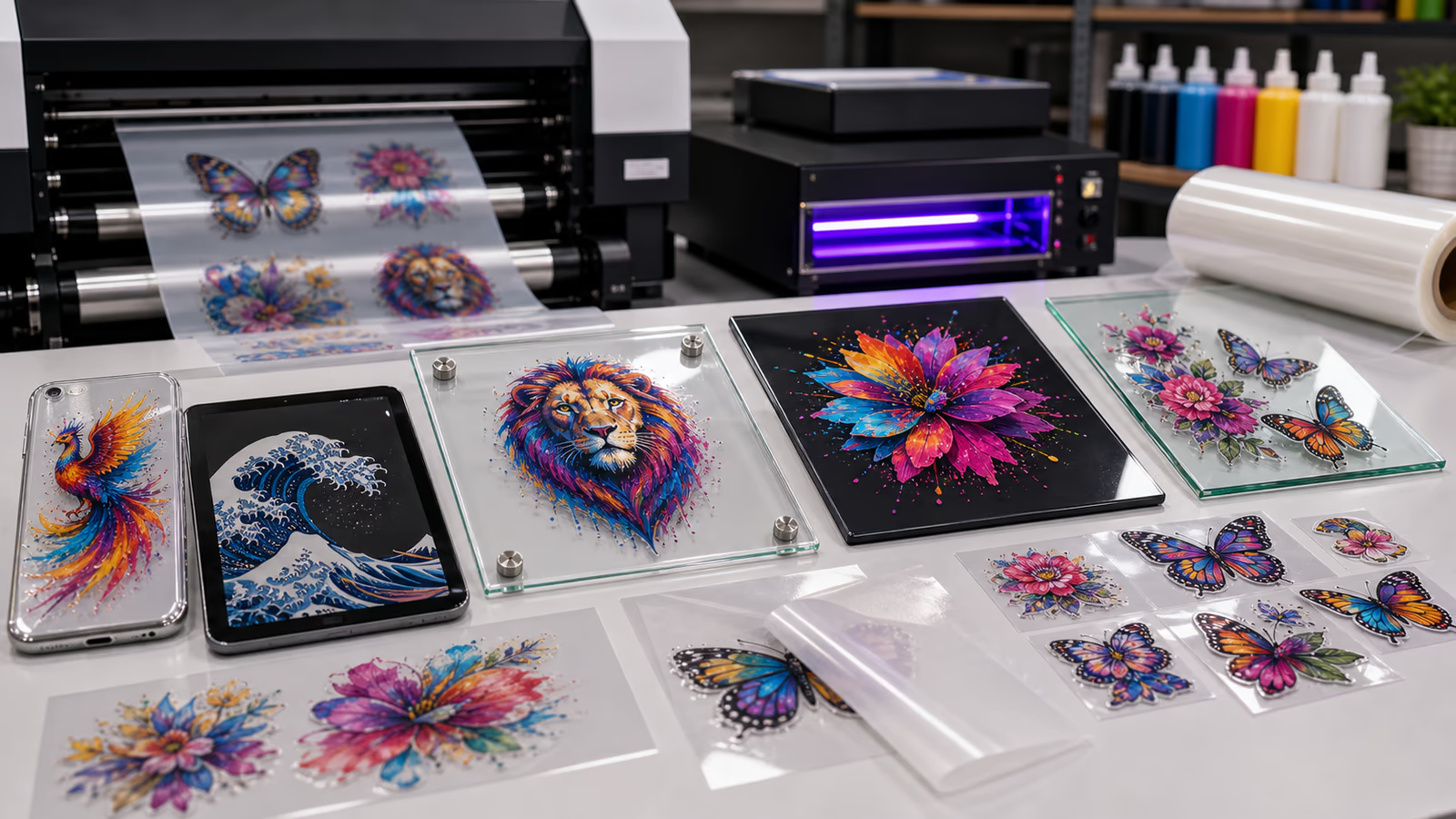
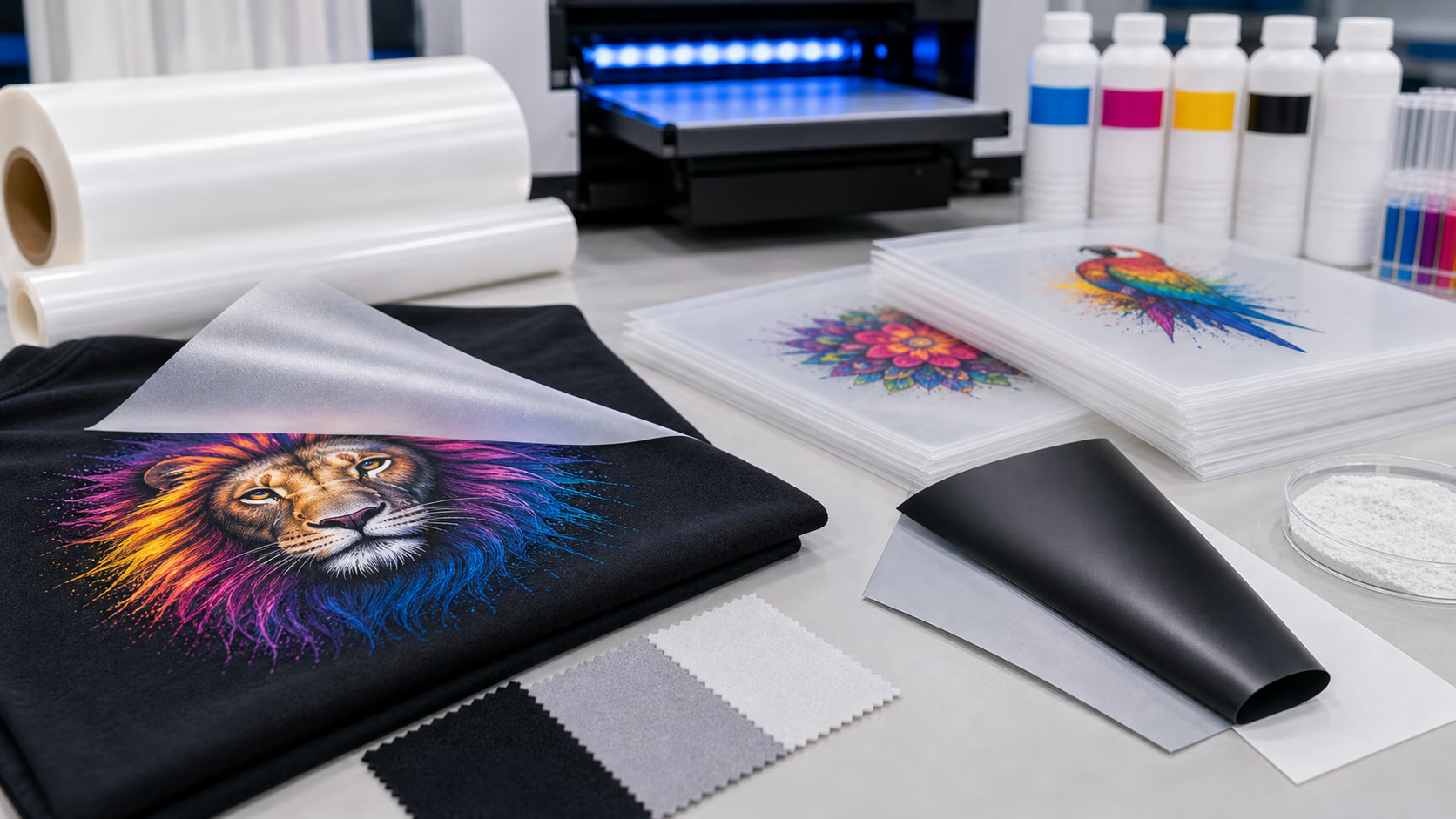
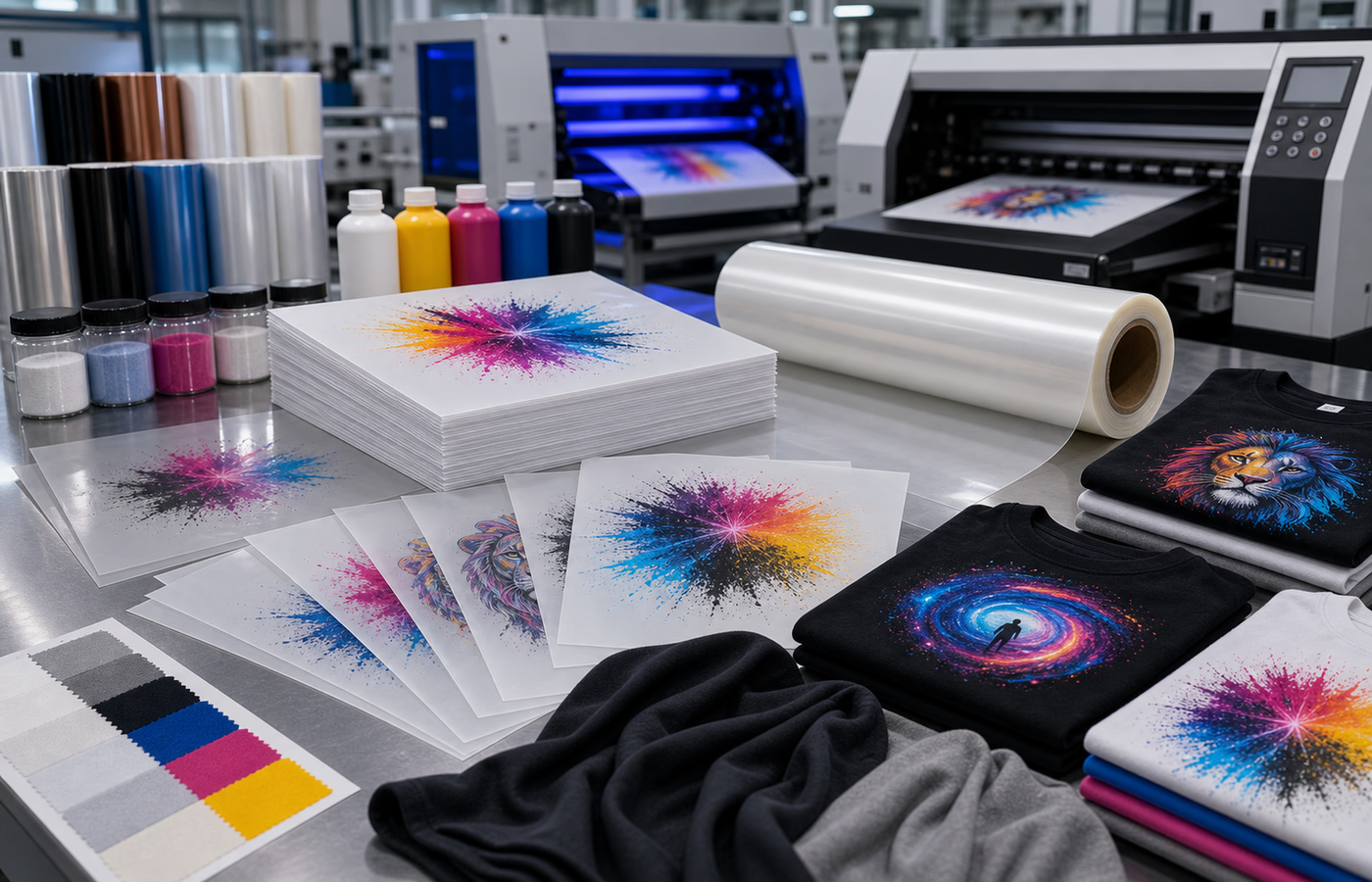
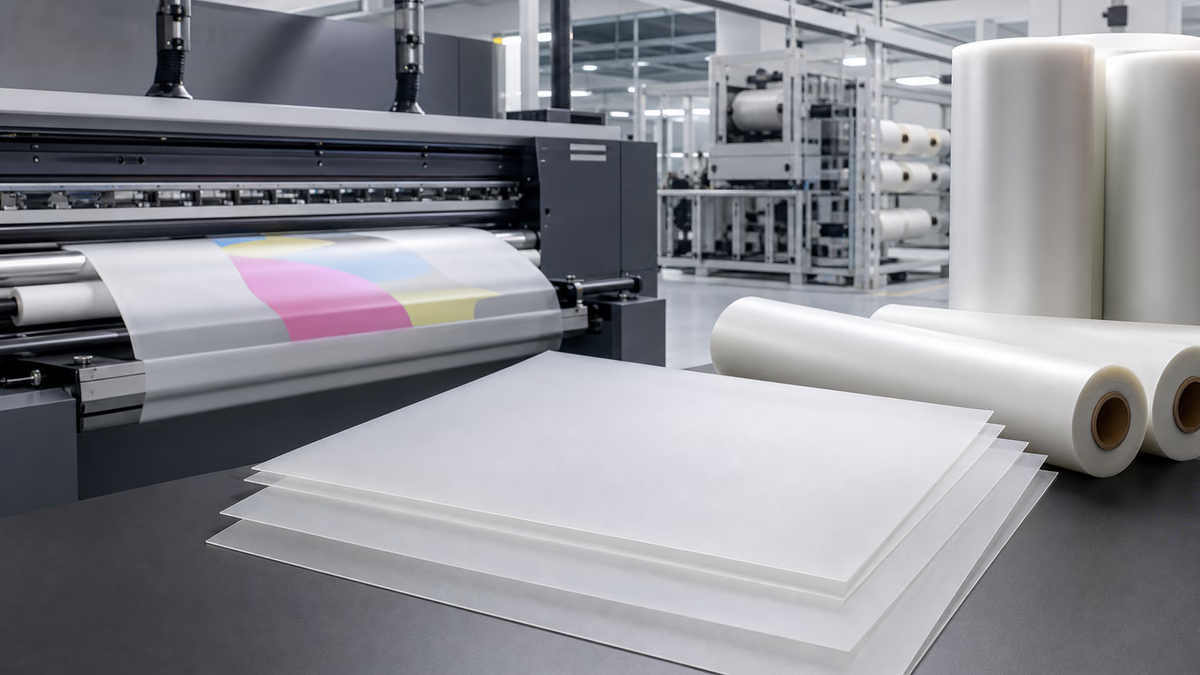
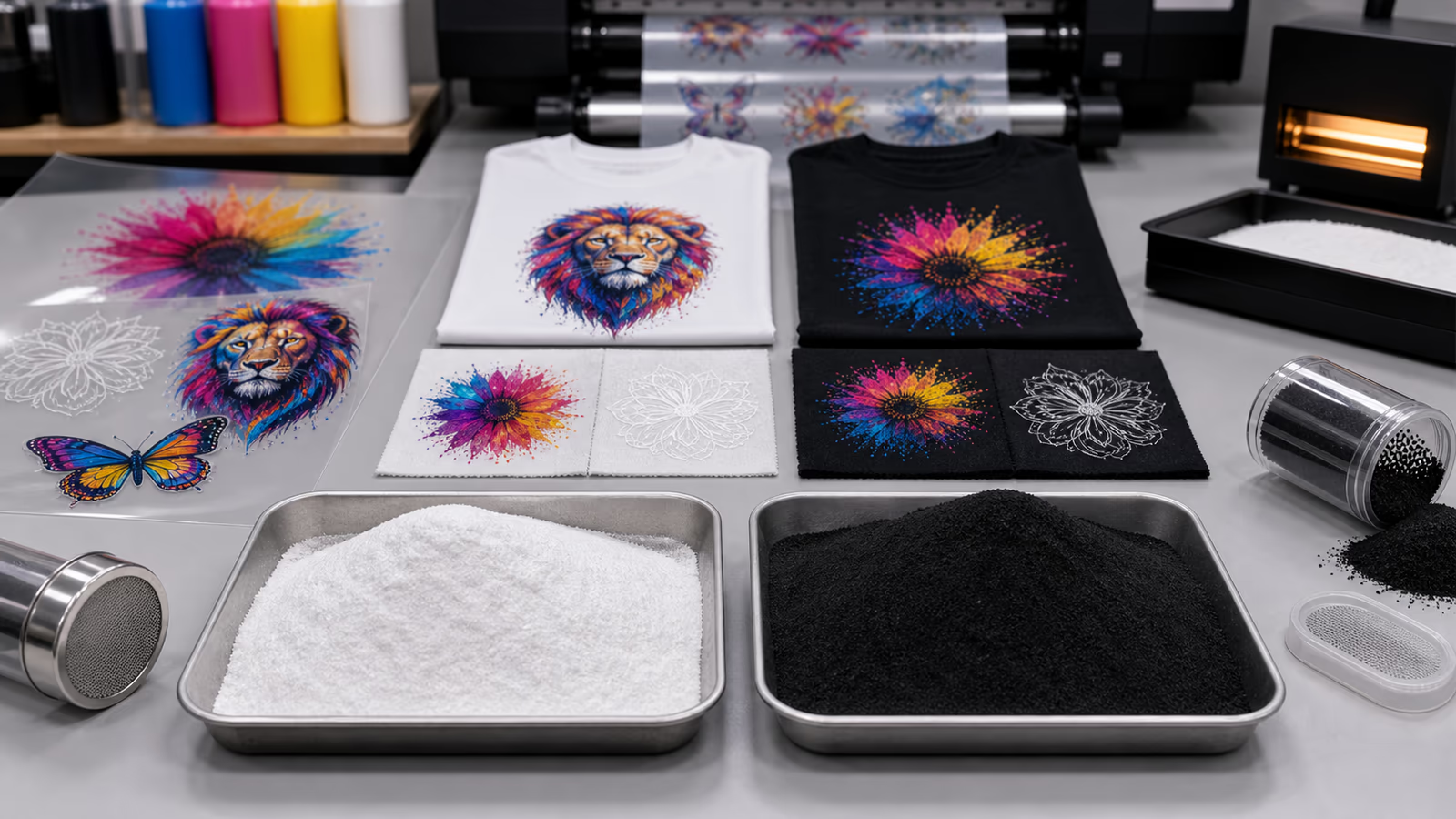
UV DTF printing is a hybrid method that integrates digital printing, powder coating, and UV curing technologies. The process involves printing an image onto a special DTF film using CMYK or CMYK + white ink systems. Once printed, the film is coated with a layer of UV DTF powder, which adheres to the ink and creates a bond through UV curing. The final step involves transferring the print onto a substrate, such as textiles, using heat and pressure.
The Role of UV DTF Powder
UV DTF powder plays a pivotal role in the printing process. It serves multiple functions:
- Adhesion Enhancement: The powder adheres to the ink, creating a robust layer that ensures the print remains intact during the transfer process.
- UV Curing: When exposed to UV light, the powder undergoes a chemical reaction, solidifying the ink and creating a durable, high-quality print.
- Versatility: UV DTF powder is compatible with a wide range of substrates, from fabrics to hard surfaces, making it a versatile tool for various applications.
- Consistency: Using high-quality UV DTF powder ensures consistent results, minimizing the risk of uneven prints or adhesion issues.
Choosing the Right UV DTF Powder
Selecting the appropriate UV DTF powder is essential for achieving optimal results. Consider the following factors:
- Quality: Invest in high-quality powders from reputable suppliers to ensure consistent performance and durability.
- Grain Size: Different grain sizes can affect print quality and transfer efficiency. Fine powders are ideal for detailed prints, while coarser powders may be better suited for bulk applications.
- Transparency: Some powders are transparent, allowing for vibrant colors, while others are opaque, suitable for enhancing white or light-colored prints.
- Compatibility: Ensure the powder is compatible with your specific UV curing equipment and ink system.
Preparing for Powder Application
Before applying UV DTF powder, it’s important to prepare the printed film properly:
- Dry the Film: Allow the printed film to dry completely to prevent moisture from interfering with powder adhesion.
- Tape Edges: Use high-quality masking tape to secure the edges of the film, ensuring even powder application and preventing contamination.
- Check for Defects: Inspect the printed film for any imperfections, such as ink spills or smudges, that could affect the powder application.
Applying UV DTF Powder
The powder application process requires precision and technique:
- Use a Suitable Applicator: A powder shaker or automatic powder coating machine can help achieve an even layer of powder.
- Consistency is Key: Apply a consistent amount of powder across the entire film to ensure uniform adhesion and curing.
- Avoid Over-Application: Excess powder can lead to waste and may affect the transfer process. Apply just enough powder to cover the printed area.
- Shake Off Excess Powder: Gently shake off any excess powder before curing to prevent waste and ensure smooth transfer.
UV Curing Process
After applying the powder, the film must undergo UV curing:
- Select the Right UV Lamp: Ensure your UV curing lamp emits the appropriate wavelength and intensity for effective curing.
- Optimal Exposure Time: Determine the ideal exposure time based on your powder and UV lamp specifications. Too little exposure can result in weak adhesion, while too much can compromise the print quality.
- Uniform Curing: Pass the film evenly under the UV lamp to achieve a uniform cure across the entire print.
Transferring the Print
The final step in the UV DTF printing process is transferring the print onto the desired substrate:
- Preheat the Substrate: Heat the substrate to the recommended temperature to ensure proper adhesion.
- Apply Pressure: Use a heat press or similar equipment to apply even pressure, transferring the print seamlessly onto the substrate.
- Cool Down: Allow the substrate to cool before handling to avoid smudging or distortion.
Tips for Mastering UV DTF Printing
To perfect your UV DTF printing skills, consider the following tips:
- Experiment with Powder Dosage: Fine-tune the amount of powder applied to achieve the desired texture and finish.
- Optimize Curing Settings: Continuously evaluate and adjust your UV curing parameters to maximize print durability and vibrancy.
- Regular Maintenance: Keep your equipment clean and well-maintained to ensure consistent performance.
- Stay Informed: Keep up with the latest advancements in UV DTF printing technology and techniques to stay ahead in the industry.
Conclusion
UV DTF printing is a cutting-edge technology that offers limitless possibilities for creative expression and commercial applications. Mastering the art of UV DTF printing requires a deep understanding of the role of UV DTF powder and its proper application. By following this comprehensive guide, you can unlock the full potential of UV DTF printing and achieve stunning, high-quality results that stand out in any market.
Whether you’re a seasoned professional or a newcomer to the world of digital printing, embracing the power of UV DTF powder will elevate your printing game and open doors to a world of innovative possibilities.