For decades, printing on black shirts has been a persistent challenge in the garment customization industry. Traditional methods like screen printing and direct-to-garment (DTG) printing often struggled to deliver vibrant, long-lasting colors without complex pretreatment processes or costly setup. However, the emergence of white UV DTF (Direct-to-Film) powder has rewritten the rules of dark garment printing, ushering in a revolution that combines vivid visual effects, operational simplicity, and environmental sustainability. This innovative material has not only solved the long-standing pain points of printing on black fabrics but also unlocked new possibilities for creative expression in fashion, branding, and personalization.
Understanding the Core: How White UV DTF Powder Works
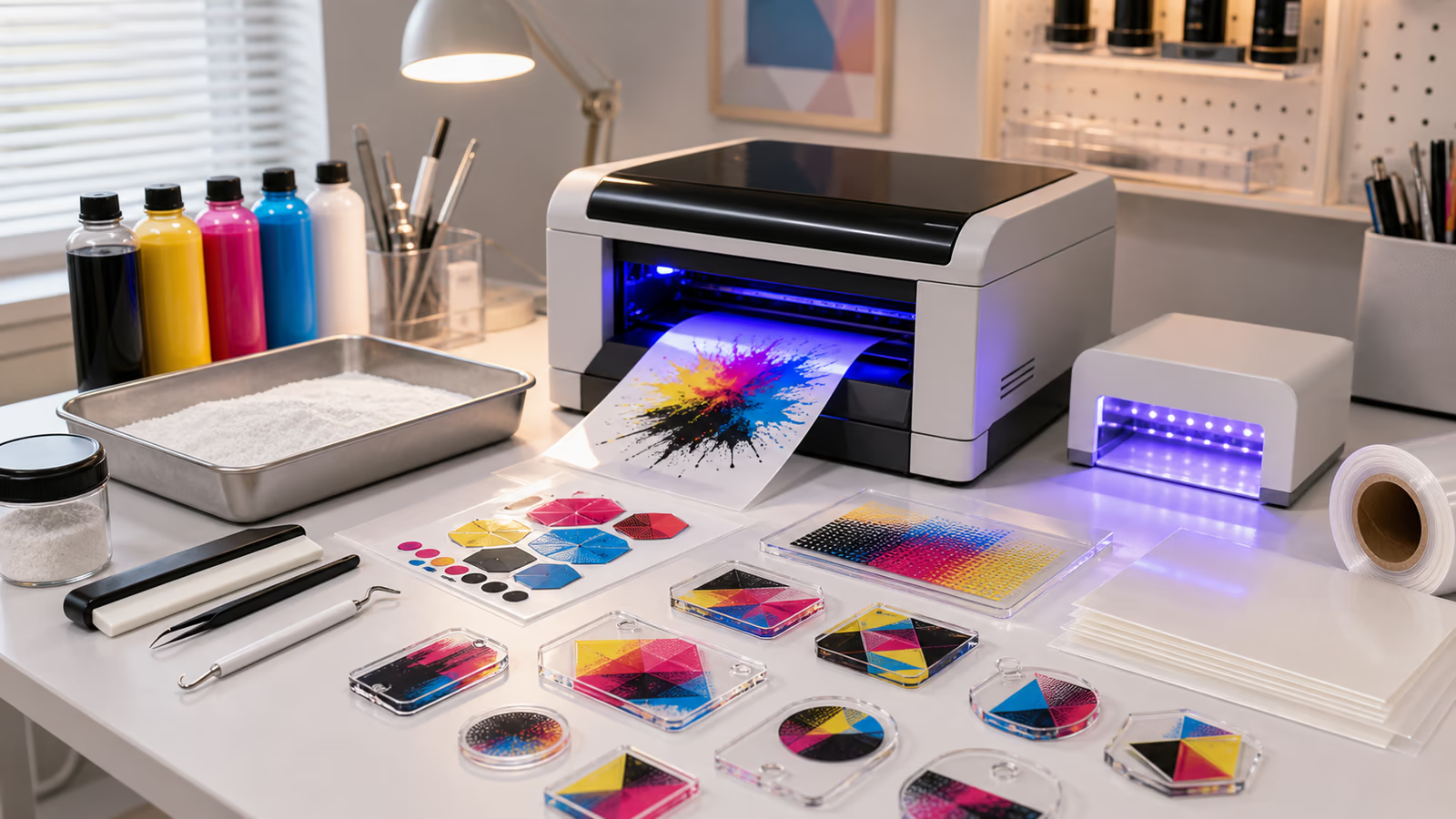
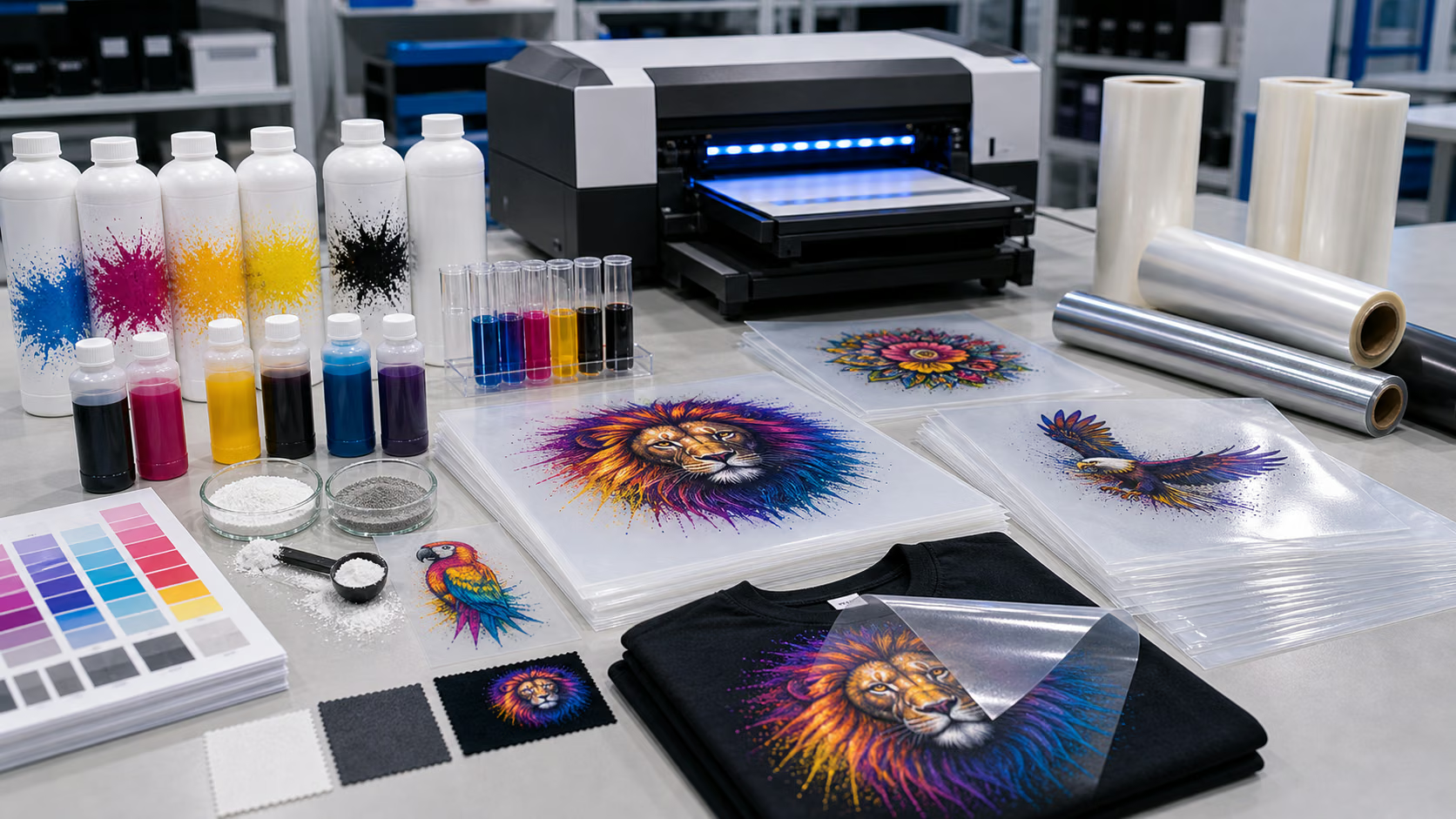
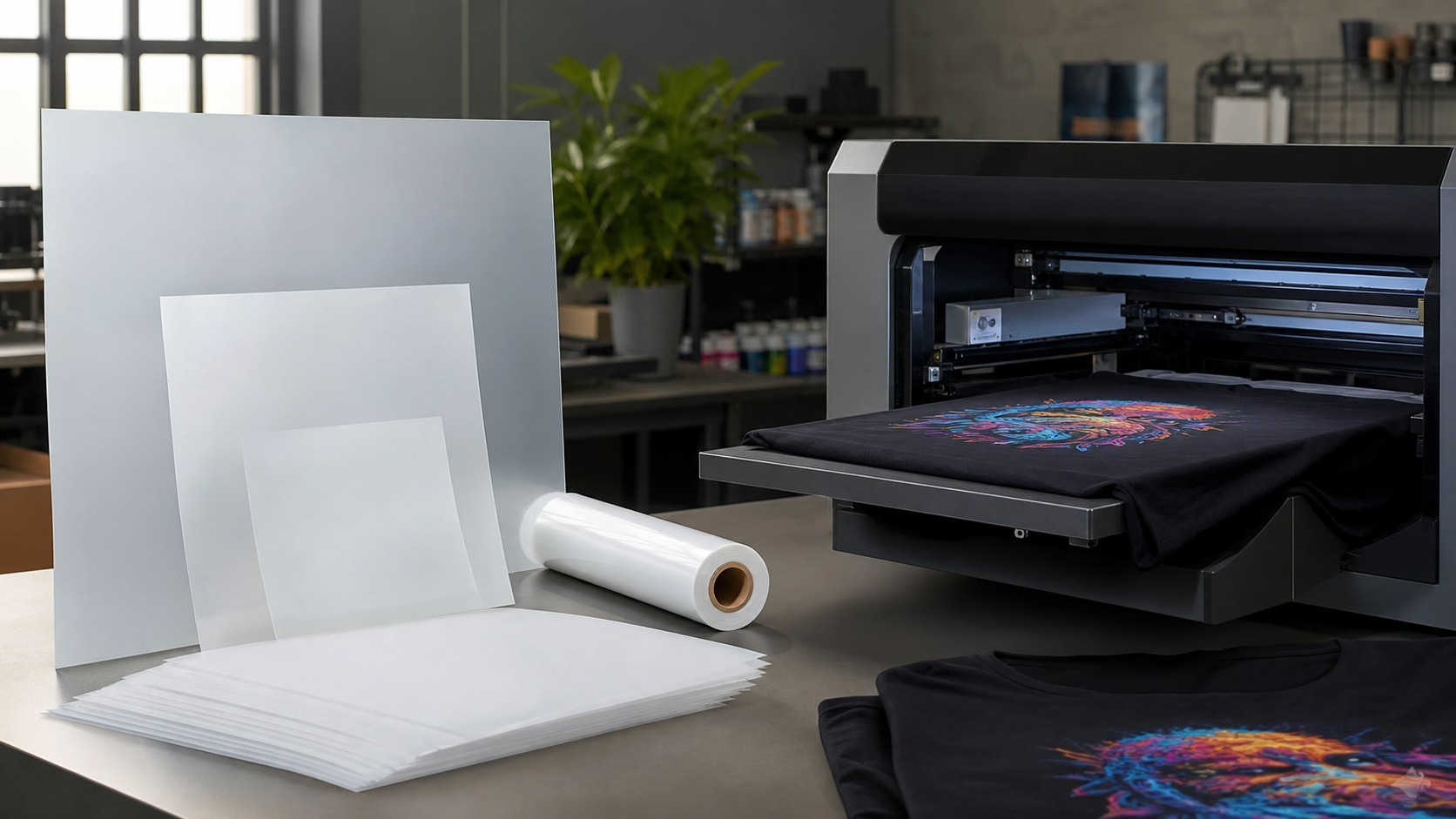
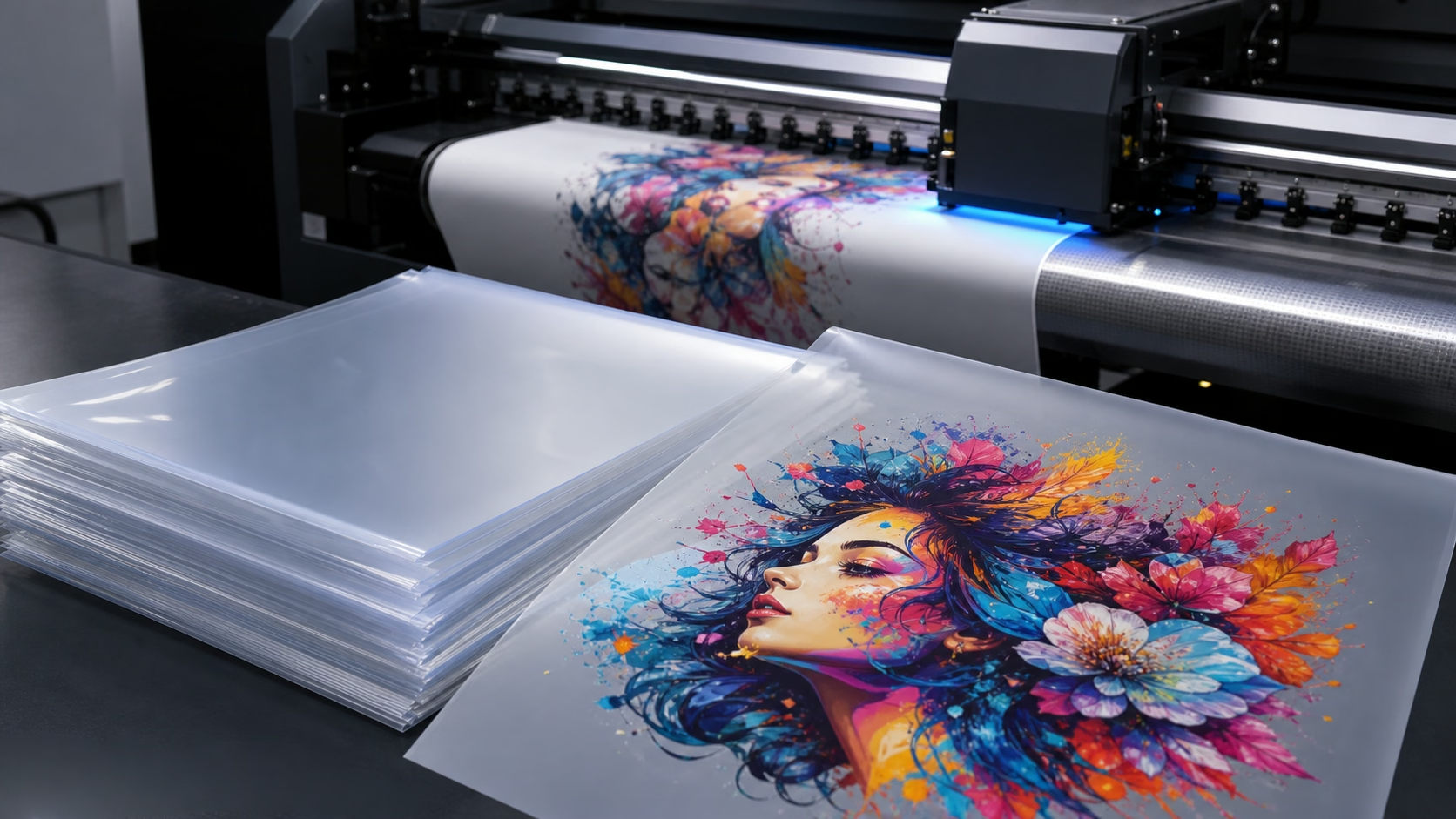
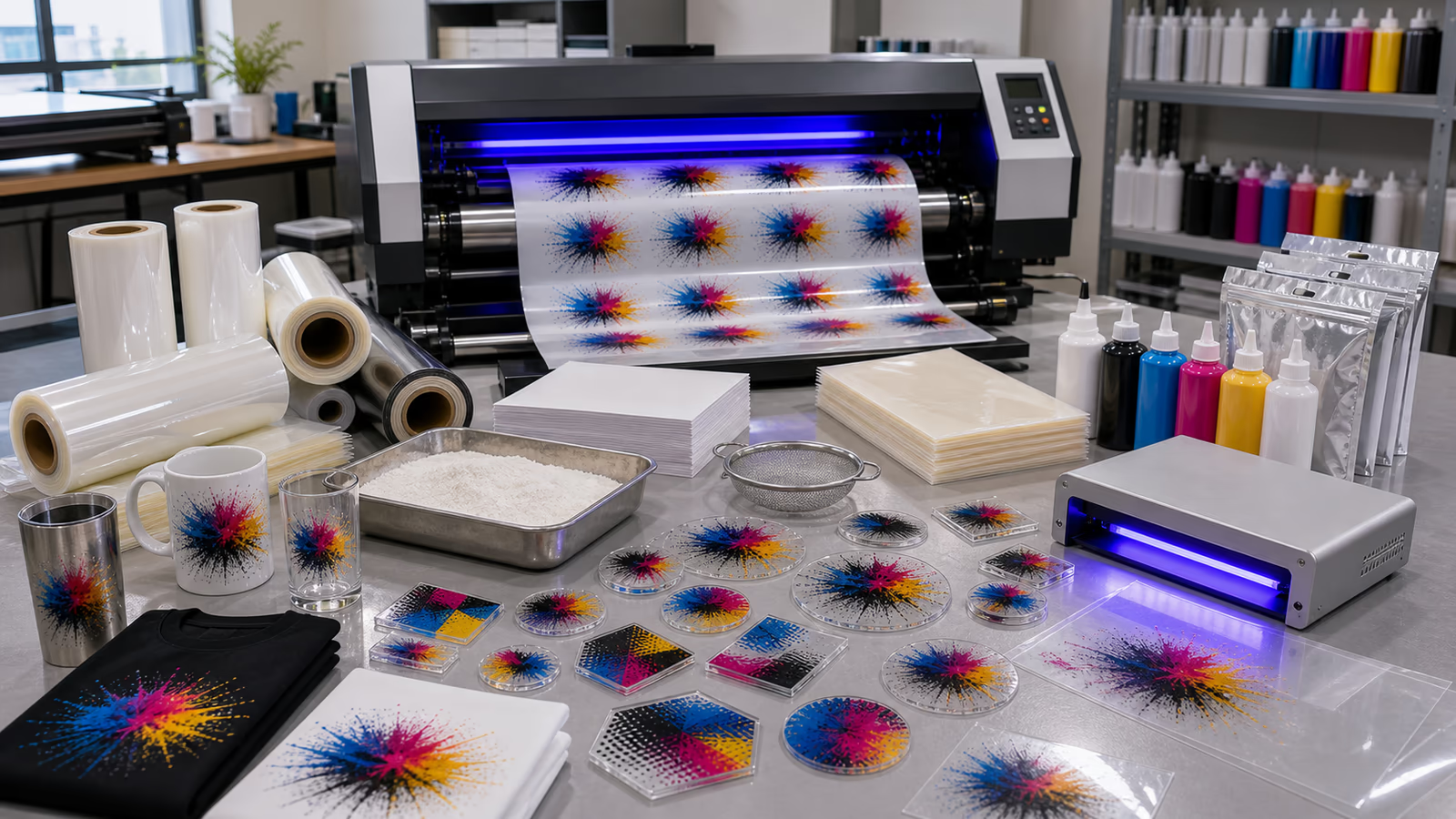
To understand the magic of white UV DTF powder, it is essential to first grasp the core principle of UV DTF printing technology. Unlike traditional printing methods that deposit ink directly onto the fabric, UV DTF printing follows a “print-transfer” workflow: designs are first printed on a special PET film using UV-curable inks, then white UV DTF powder—an advanced thermoplastic polyurethane (TPU) hot-melt adhesive—is evenly applied to the wet ink layer. After curing under UV light, the printed film is transferred onto the black shirt via heat pressing, forming a durable bond with the fabric.
What makes white UV DTF powder indispensable is its dual role as both a base layer and an adhesive. On black shirts, the high-opacity white powder creates a bright underbase that makes subsequent CMYK colors pop with intensity and depth, eliminating the dullness that plagues traditional printing on dark fabrics. At the same time, its heat-activated adhesive properties ensure the print adheres firmly to the fabric, resisting peeling, cracking, and fading even after repeated washes.
Transformative Advantages: Redefining Black Shirt Printing
Unparalleled Color Vibrancy and Detail Reproduction
The advantages of white UV DTF powder over traditional printing materials for black shirts are multifaceted and transformative. First and foremost is its unparalleled color vibrancy and detail reproduction. Traditional DTG printing requires heavy pretreatment of black fabrics to make light colors visible, often resulting in a stiff texture and compromised breathability. Screen printing, on the other hand, struggles with intricate details and gradient effects, especially when using white as a base layer. White UV DTF powder, with its high opacity and compatibility with UV-curable inks, captures fine lines, subtle textures, and smooth gradients with remarkable clarity. Whether it’s a complex graphic design, a photographic image, or a delicate pattern, the powder’s white underbase ensures every detail stands out sharply against the black fabric, creating visually stunning results that were once unattainable.
Exceptional Durability and Versatile Compatibility
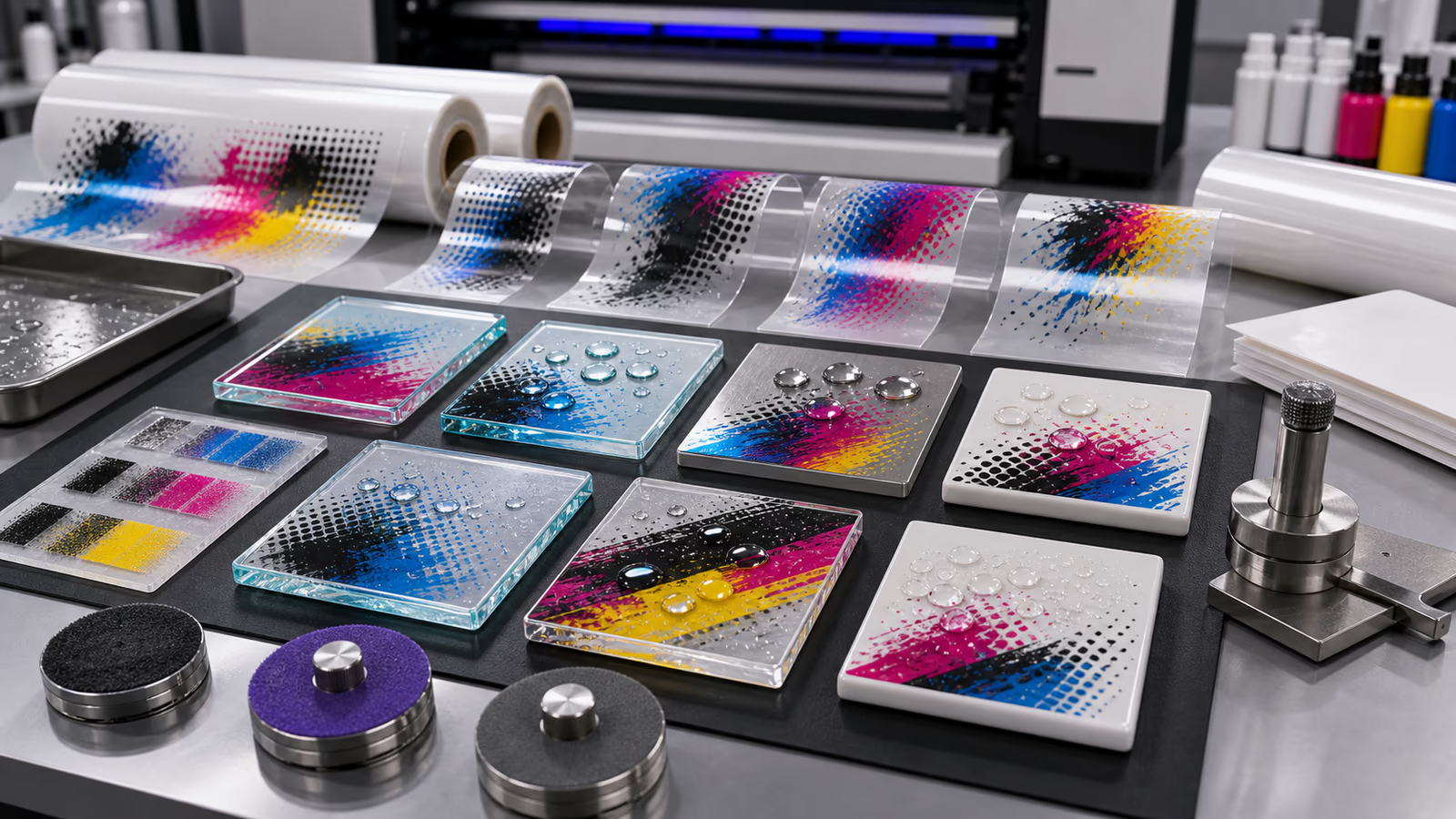
Durability and versatility are two other key strengths that make white UV DTF powder a game-changer. UV DTF prints enhanced with white powder are highly resistant to water, alkali, abrasion, sunlight, and oxidation. When properly applied, they can withstand dozens of washes without fading or losing their shape, outperforming many traditional printing methods. This durability makes them ideal for a wide range of applications, from custom t-shirts and hoodies to workwear, denim jackets, and leather accessories.
Unlike sublimation printing, which only works on polyester, white UV DTF powder is compatible with cotton, polyester blends, denim, and even some stretch fabrics, expanding the scope of black garment customization. For small and medium-sized enterprises and individual creators, this versatility translates to greater business flexibility, allowing them to cater to diverse customer demands without investing in multiple printing systems.
Eco-Friendliness and Cost-Effectiveness
Environmental sustainability and cost-effectiveness further solidify the revolutionary status of white UV DTF powder. In an era of growing environmental awareness, UV DTF printing stands out for its eco-friendly practices. The UV-curable inks used with white UV DTF powder contain no volatile organic compounds (VOCs), reducing harmful emissions and carbon footprint compared to traditional solvent-based inks. Additionally, the process minimizes material waste: excess powder can be recycled, and the precise ink deposition controlled by digital technology avoids the overuse of materials common in screen printing.
From a cost perspective, white UV DTF powder streamlines the production process by eliminating the need for time-consuming pretreatment and expensive screen setup. This reduces production time and labor costs, making small-batch and on-demand customization more affordable and accessible than ever before.
Industry Impact: Empowering Creators and Brands Worldwide
The impact of white UV DTF powder on the garment printing industry is already being felt across the globe. For independent designers and microbrands, it has lowered the barrier to entry, enabling them to create high-quality custom black shirts without the large upfront investment required for traditional printing equipment. For established apparel brands, it has become a tool for innovation, allowing them to experiment with bold designs and limited-edition collections that resonate with consumers’ desire for uniqueness. Even in the promotional products sector, white UV DTF powder has become the first choice for creating eye-catching black apparel with brand logos and messages, thanks to its durability and visual impact.
The Future: Evolving Magic of White UV DTF Powder
Looking to the future, the magic of white UV DTF powder is only set to grow. Ongoing innovations in UV DTF technology, such as AI-driven RIP software that optimizes white ink and powder usage, and eco-friendly powder formulations made from bio-based resins, promise to further enhance its performance and sustainability. The integration of automation—from powder application to curing and transfer—will improve production efficiency and consistency, making the technology even more appealing to large-scale manufacturers. As consumer demand for personalized, sustainable apparel continues to rise, white UV DTF powder will remain at the forefront of the printing revolution, redefining what is possible on black shirts and beyond.
Conclusion: A Catalyst for Printing Revolution
In conclusion, white UV DTF powder is more than just a printing material—it is a catalyst for change in the garment customization industry. By solving the long-standing challenges of printing on black shirts with its vibrant color reproduction, durability, versatility, and eco-friendliness, it has transformed a once-frustrating process into a seamless and creative one. As technology continues to evolve, the magic of white UV DTF powder will undoubtedly inspire new waves of innovation, cementing its status as a true printing revolution.