“Unveiling the Quality of UV DTF Printing” -MAXDTF- DTF UV Decal Wholesale, China UV DTF transfer Decal, Made in China
UV DTF (Ultraviolet Direct to Film) printing has emerged as a leading digital printing technology, celebrated for its ability to deliver high-quality, durable prints across diverse substrates. The quality of UV DTF printing is defined by a combination of vibrant color reproduction, sharp detail, strong adhesion, and long-lasting performance—traits that make it a top choice for both commercial and creative applications. This article delves into the key dimensions of UV DTF printing quality, the factors that influence it, and how to ensure consistent, premium results.
1. Core Dimensions of UV DTF Printing Quality
1.1 Color Vibrancy and Accuracy
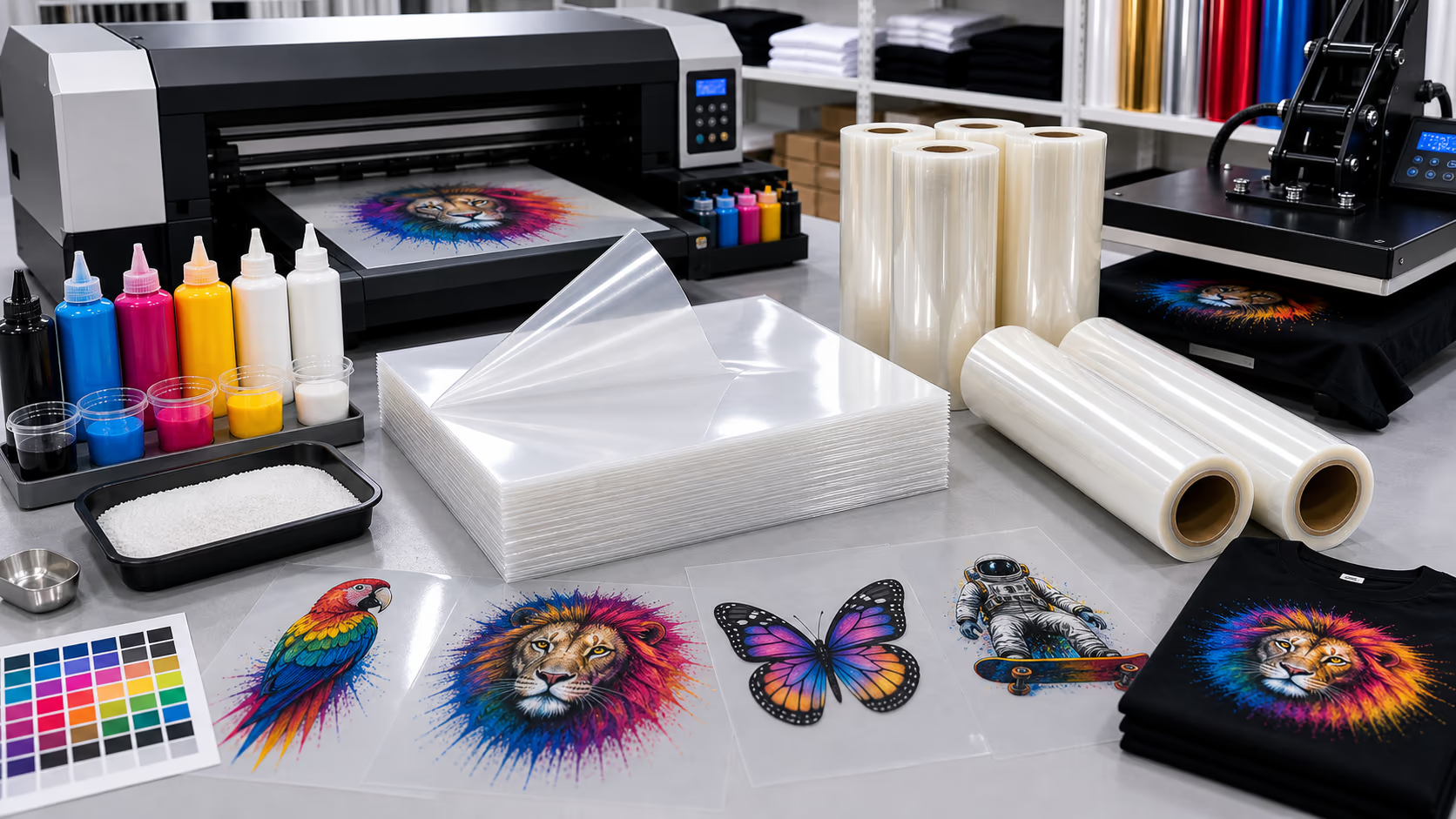
A hallmark of high-quality UV DTF printing is its exceptional color vibrancy and accuracy. UV-curable inks, paired with advanced printing technology, produce rich, saturated hues that remain true to the original design. Unlike traditional inks, UV inks dry instantly upon exposure to UV light, preventing color bleeding and ensuring consistent color output across batches. This makes UV DTF ideal for designs requiring bold, eye-catching colors, such as brand logos, promotional graphics, and custom artwork.
1.2 Detail Clarity and Resolution
UV DTF printing excels in delivering sharp, high-resolution details, even for intricate designs. With print resolutions reaching up to 1200 DPI, it can reproduce fine lines, small text, and complex patterns with remarkable clarity. This level of detail is particularly valuable for applications like custom decals, personalized gifts, and fine art prints, where precision is non-negotiable. The digital nature of UV DTF also eliminates the need for stencils, further ensuring that intricate designs are replicated accurately.
1.3 Adhesion and Durability
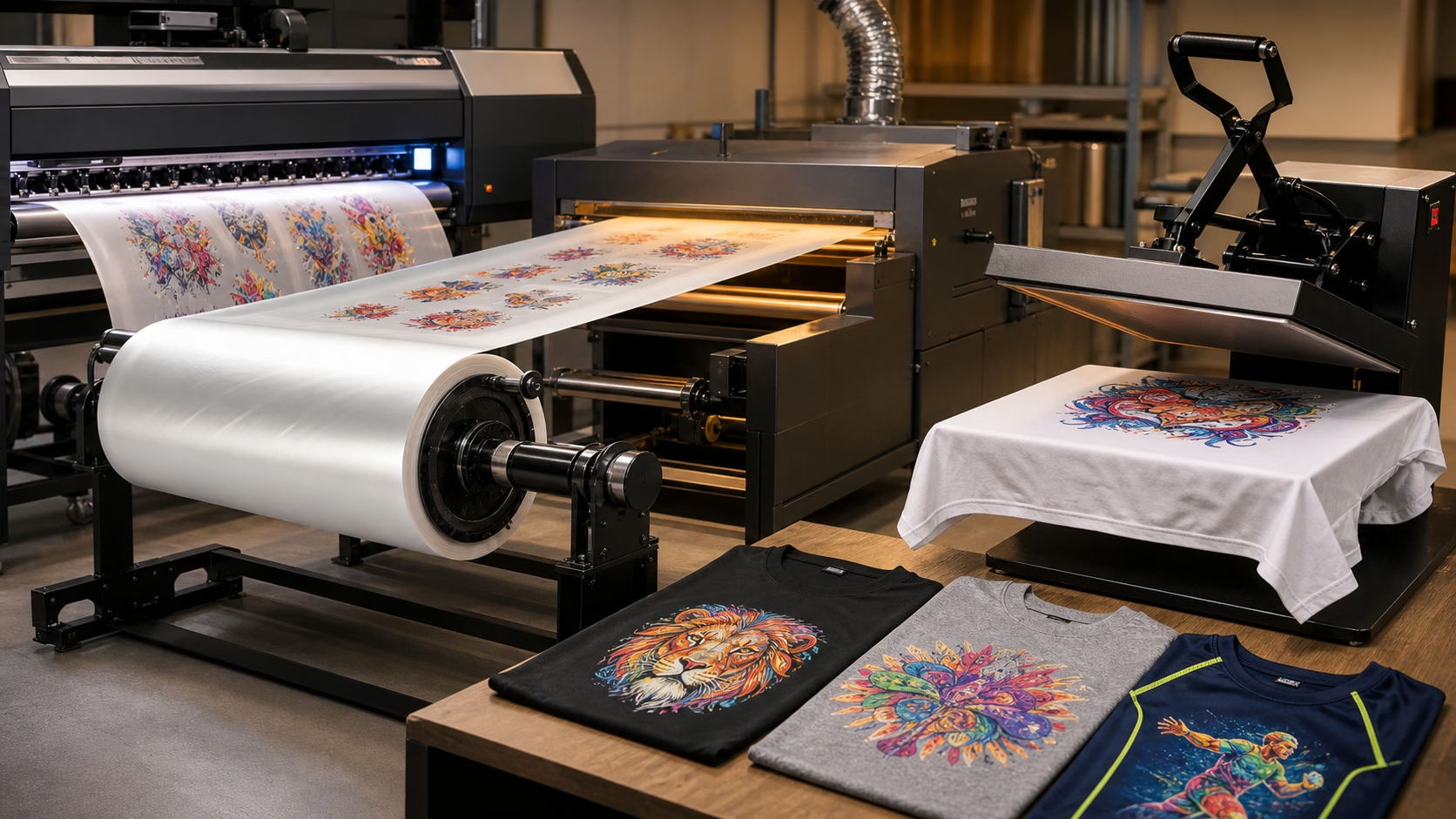
Superior adhesion and durability are critical indicators of UV DTF printing quality. The combination of UV-curable inks and specialized DTF films creates a strong bond with a wide range of substrates, including fabrics, plastics, glass, metal, and leather. High-quality UV DTF prints resist peeling, cracking, and fading, even after repeated washes (for fabrics) or exposure to environmental elements (for outdoor applications). This durability ensures that printed products maintain their quality over time, enhancing their value and longevity.
1.4 Surface Finish and Texture
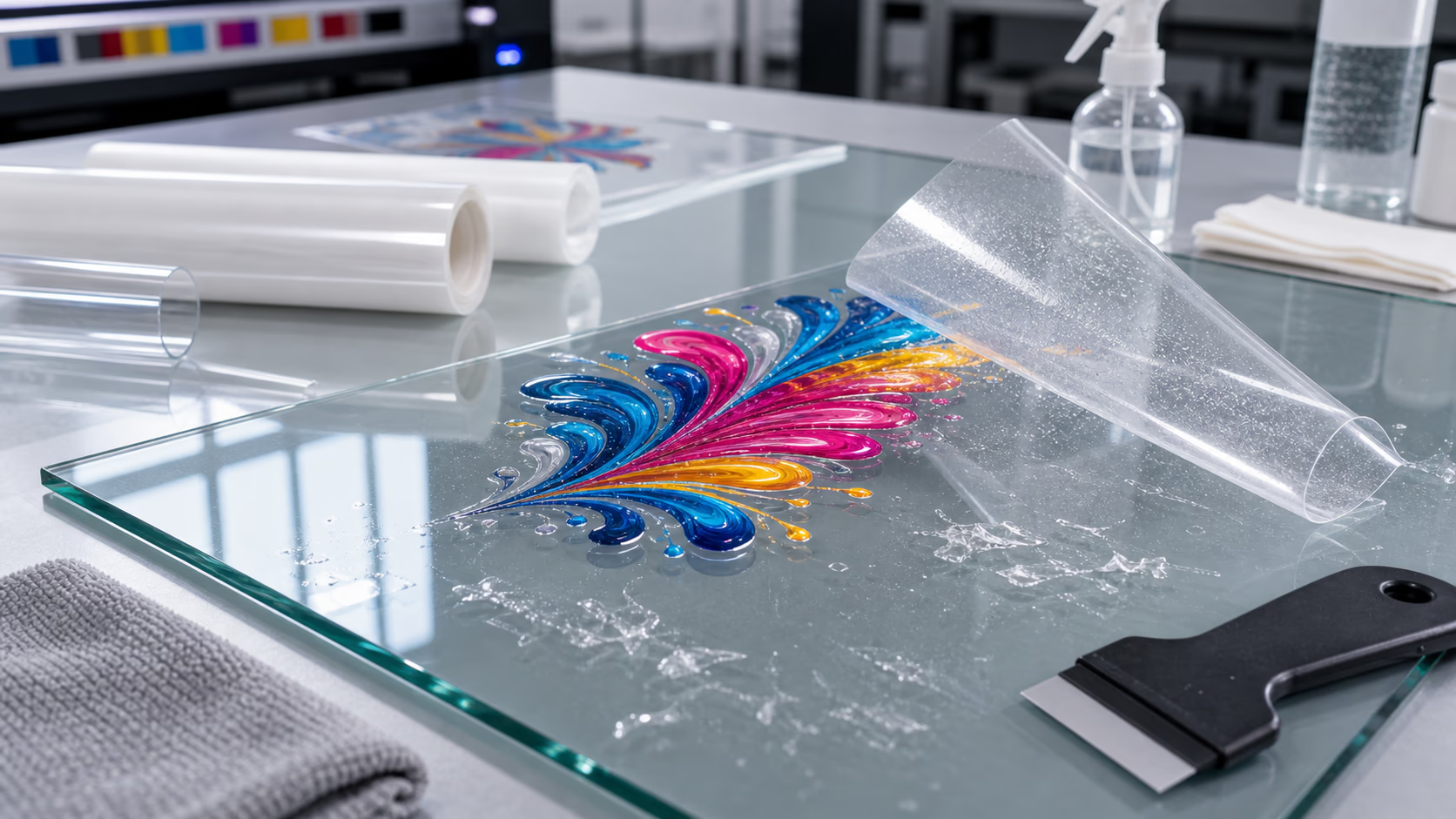
UV DTF printing offers versatile surface finishes—from glossy and matte to textured—allowing for customization based on project needs. High-quality prints have a smooth, uniform finish with no uneven ink distribution or visible artifacts. For fabric applications, the post-transfer texture is soft and flexible, blending seamlessly with the substrate to maintain comfort. This attention to surface quality enhances the aesthetic appeal of the final product, making it suitable for both functional and decorative uses.
2. Key Factors Influencing UV DTF Printing Quality
2.1 Ink Quality and Compatibility
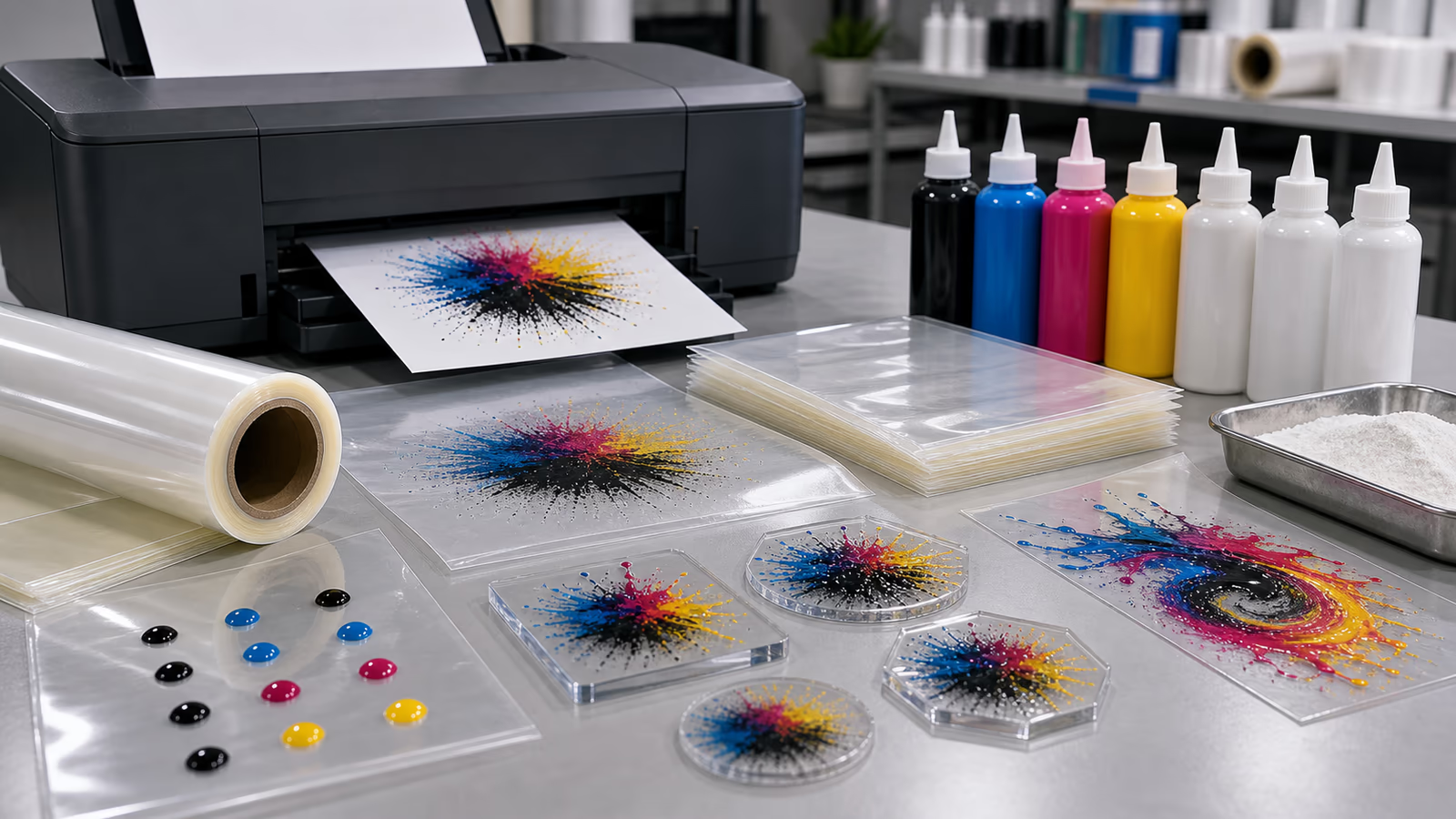
The quality of UV-curable inks directly impacts print performance. High-grade UV inks offer better color stability, adhesion, and resistance to fading. It’s also essential to use inks compatible with the DTF film and substrate, as mismatched materials can lead to poor adhesion or color distortion. Reputable ink manufacturers formulate products specifically for UV DTF printing, ensuring optimal results.
2.2 DTF Film Quality
The choice of DTF film is another critical factor. High-quality UV DTF films have a uniform coating that ensures consistent ink absorption and adhesion. Films made from premium PET (polyethylene terephthalate) are durable, flexible, and resistant to tearing during the printing and transfer process. Inferior films, by contrast, may result in uneven prints, poor adhesion, or premature fading.
2.3 Printer Calibration and Settings
Proper printer calibration is essential for achieving high-quality UV DTF prints. This includes adjusting ink droplet size, print speed, UV light intensity, and temperature settings to match the ink, film, and substrate. Regular maintenance of the printer—such as cleaning print heads and checking UV lamps—ensures consistent performance and prevents defects like streaks or missing ink.
2.4 Substrate Preparation and Compatibility
While UV DTF printing requires minimal substrate preparation compared to other methods, ensuring the substrate is clean, dry, and compatible with the ink and film is key. For some substrates (e.g., rough or porous materials), a primer may be needed to enhance adhesion. Using substrates within the printer’s recommended specifications prevents issues like poor ink coverage or peeling.
3. Strategies to Ensure Consistent UV DTF Printing Quality
3.1 Source High-Quality Materials
Partner with reputable suppliers for UV inks, DTF films, and substrates. Request product samples to test for color accuracy, adhesion, and durability before committing to bulk purchases. This ensures that the materials used meet your quality standards.
3.2 Regular Printer Maintenance and Calibration
Establish a routine maintenance schedule for your UV DTF printer, including cleaning print heads, inspecting UV lamps, and calibrating settings. Many printers offer built-in calibration tools to ensure consistent color and detail. Regular maintenance prevents downtime and ensures that the printer performs at its best.
3.3 Conduct Test Prints and Quality Checks
Before starting large-scale production, conduct test prints on the target substrate. This allows you to check for color accuracy, detail clarity, and adhesion, making adjustments to printer settings as needed. Implement quality checks throughout the production process to catch any defects early and maintain consistent results.
Conclusion: The Value of High-Quality UV DTF Printing
The quality of UV DTF printing lies in its ability to deliver vibrant, detailed, and durable prints across a wide range of substrates. By understanding the core dimensions of quality, the factors that influence it, and implementing strategies to ensure consistency, businesses and creators can leverage UV DTF technology to produce premium products that stand out in the market. Whether for commercial branding, personalized gifts, or creative projects, high-quality UV DTF printing offers a reliable, versatile solution that meets the demands of modern printing needs.